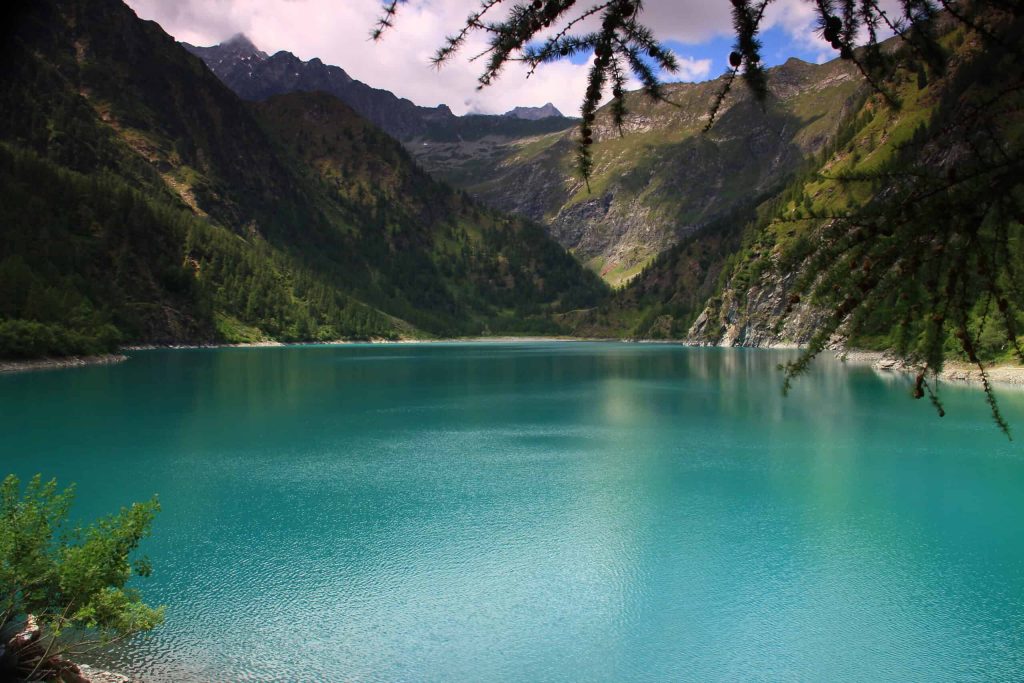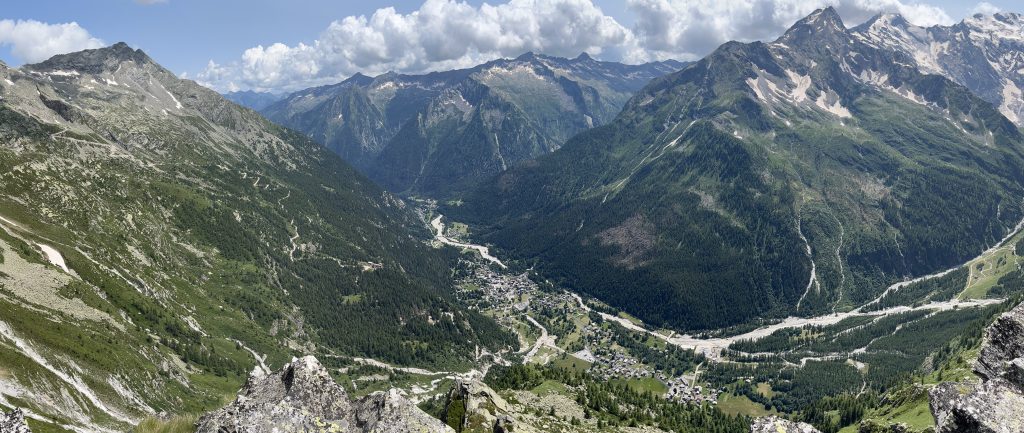
The Valle Formazza, known in the Walser language as Pomatt, is Italy’s oldest Walser colony: a small Alpine world suspended between the northernmost edge of Piedmont and Switzerland.
The arrival of the Walser in the 13th century
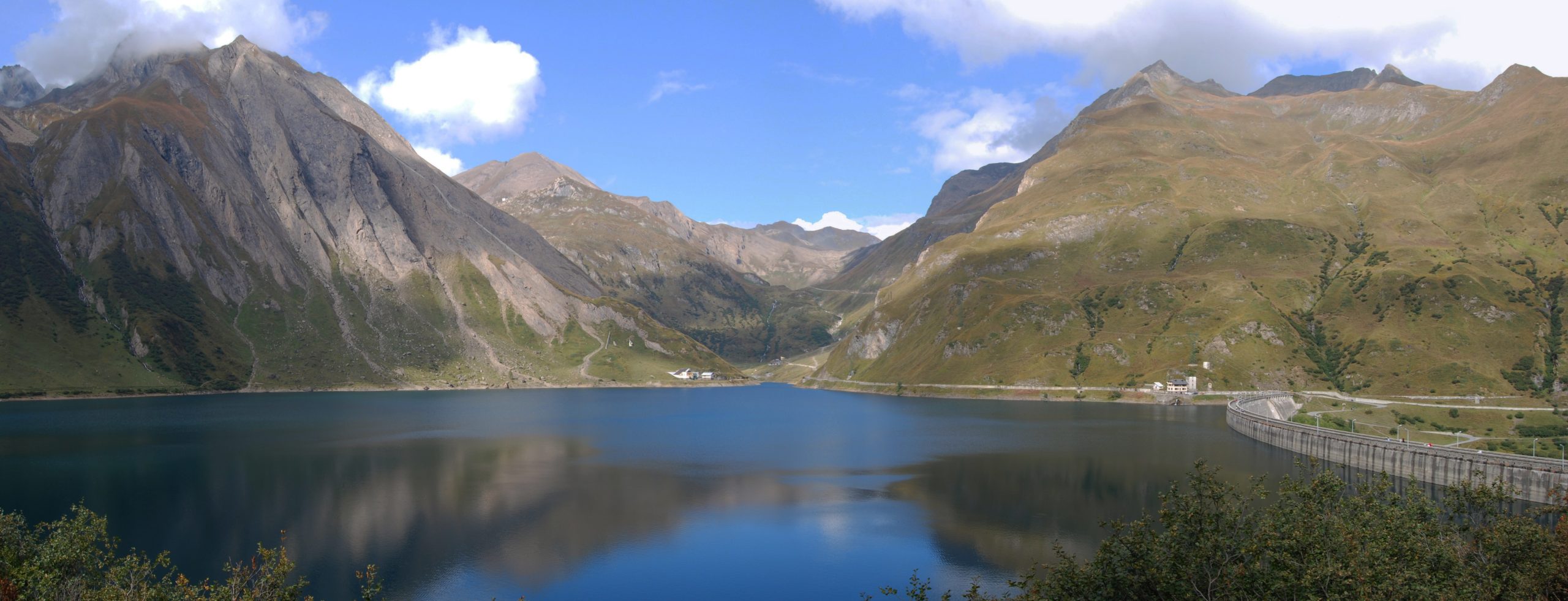
The Walser, shepherds and farmers of Alemannic origin from the upper Rhine valley (the Swiss Goms), reached the Formazza area towards the end of the 12th century by crossing the Gries Pass. They founded their first settlements in the highest part of the valley, at Morasco and Riale, and around the 13th century completed the colonisation with the settlements of Fondovalle and Antillone. Valle Formazza is the only Italian Walser colony to border directly on Goms, the “cradle” of the colonisation movement.
A small mountain republic
Thanks to the centuries-old passage of muleteers along Europe’s salt, wine and cheese routes, and to an exceptional strategic position, Formazza became a kind of “small republic” in the mountains, able to preserve its own linguistic and cultural autonomy for centuries.
A culture still alive
Since 1983, the Walser Association of Formazza (Walserverein Pomatt) has been actively working to protect and pass on the local dialect and to promote the valley’s cultural heritage, keeping alive traditions dating back more than eight centuries.
Formazza, between Walser culture and nature
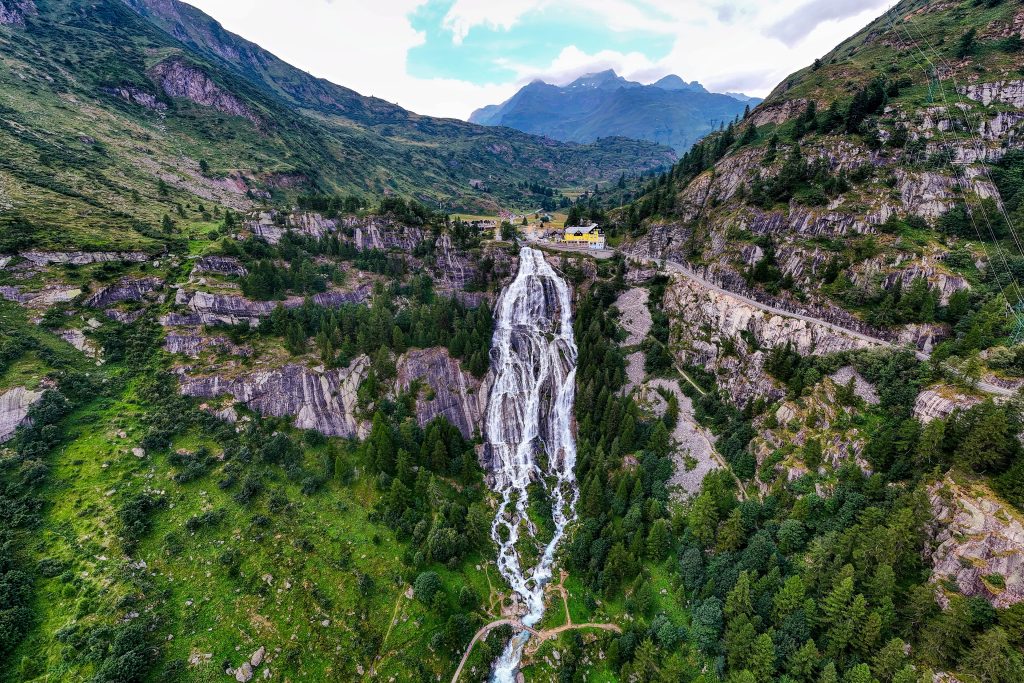
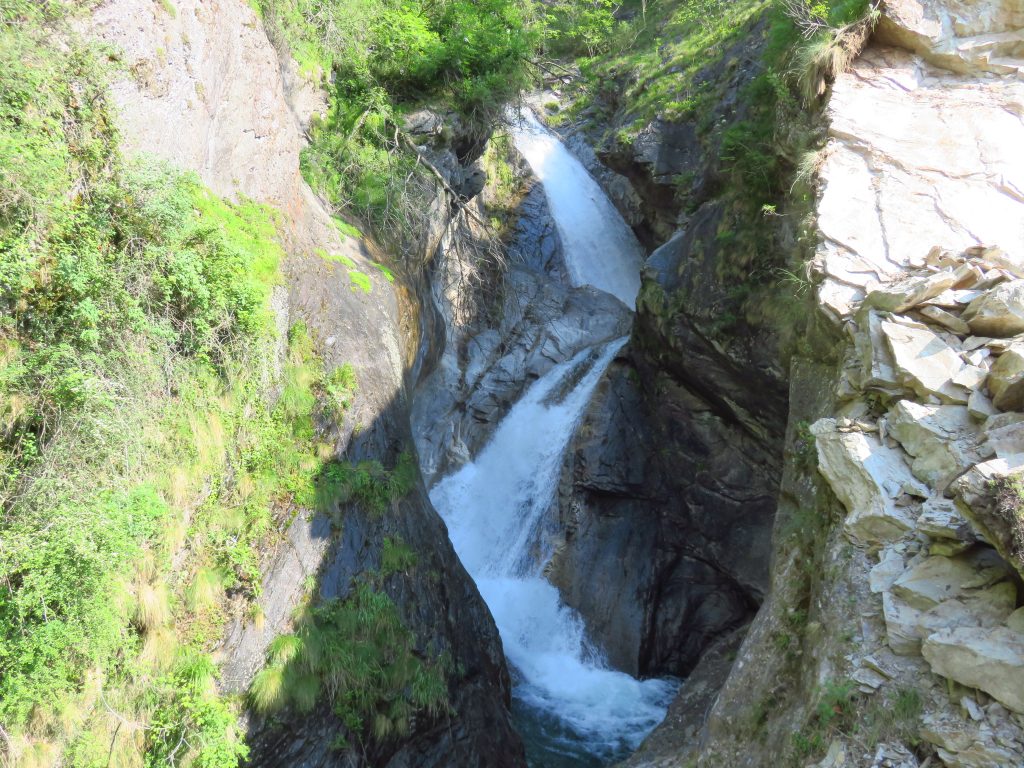
Today, the valley is also known for the spectacular Toce Waterfall and for its proximity to Alpe Devero. To learn more about the local Walser culture, visit the website of Val Formazza.
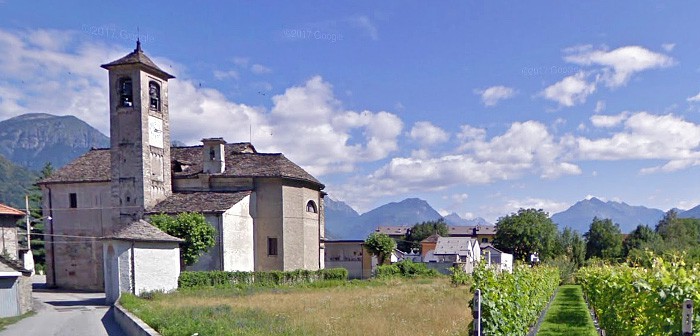
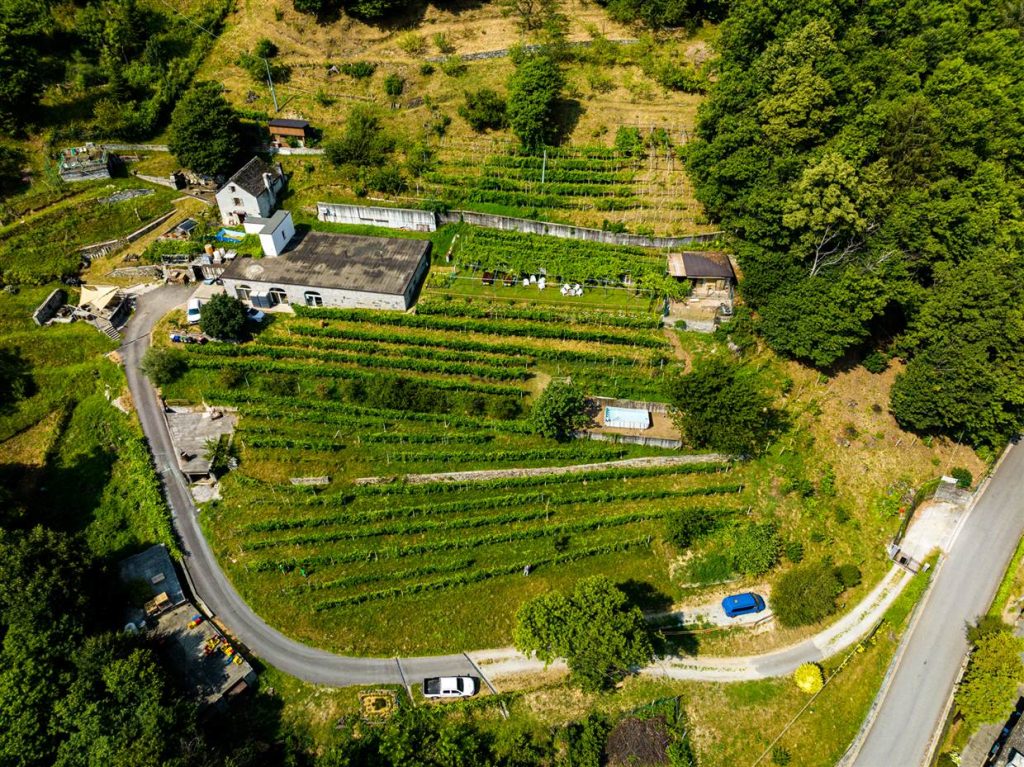
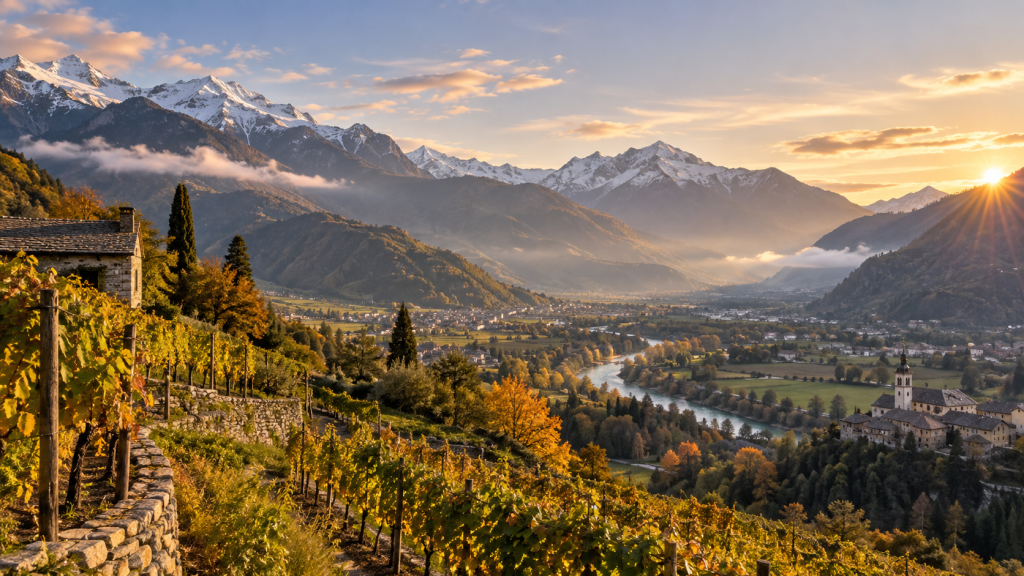
After a hike in the upper valley, heading down towards the Ossola valley floor for a tasting among the vineyards is a natural way to round off the day.
A linguistic heritage to protect
Preserving the Titsch dialect, still spoken by part of the local population, represents an important challenge for the valley’s future: younger generations are growing up in a context increasingly connected with the rest of Italy, but local cultural associations continue to organise initiatives to pass on this unique linguistic heritage, a direct testament to the valley’s eight centuries of Walser history.
Riale, the highest village
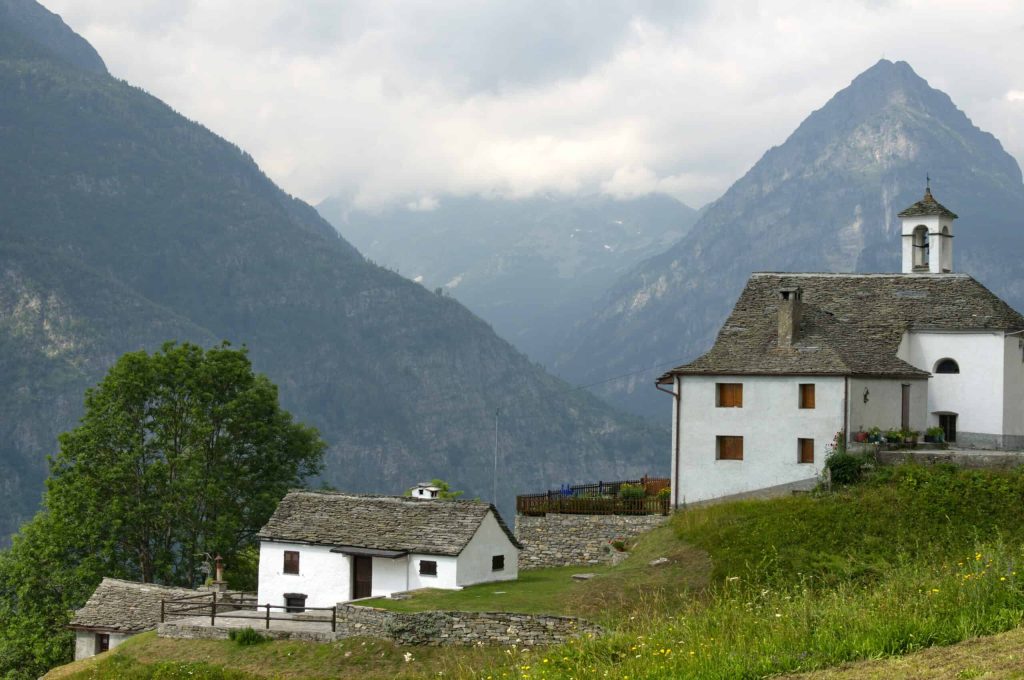
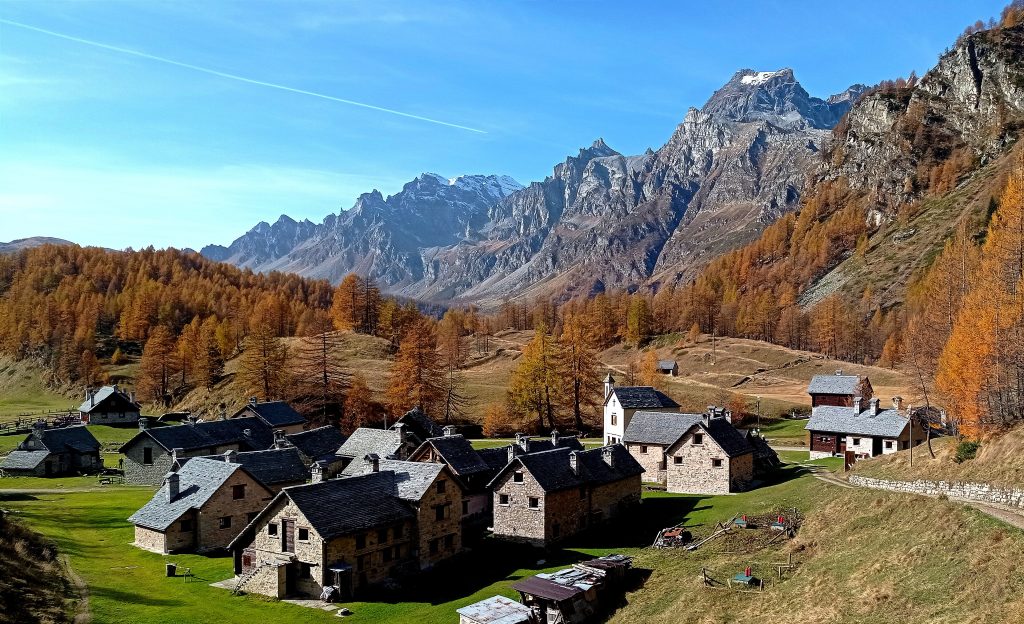
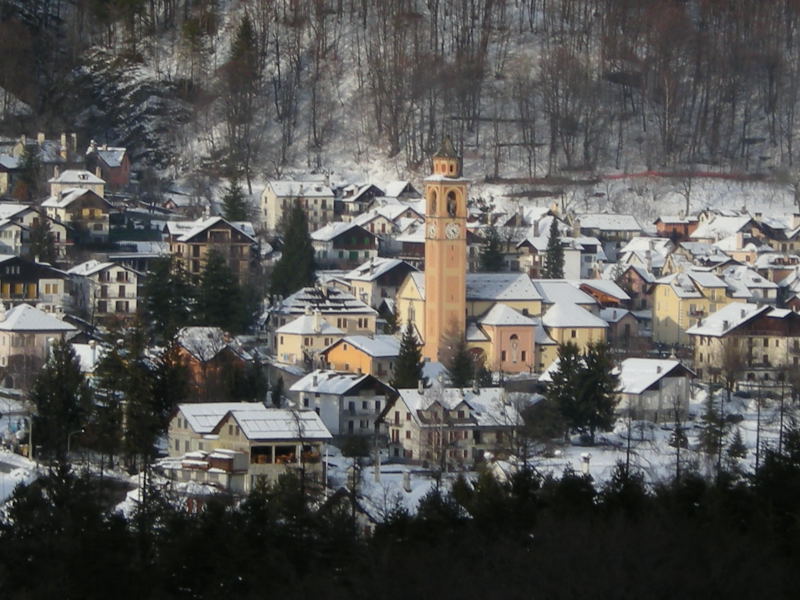
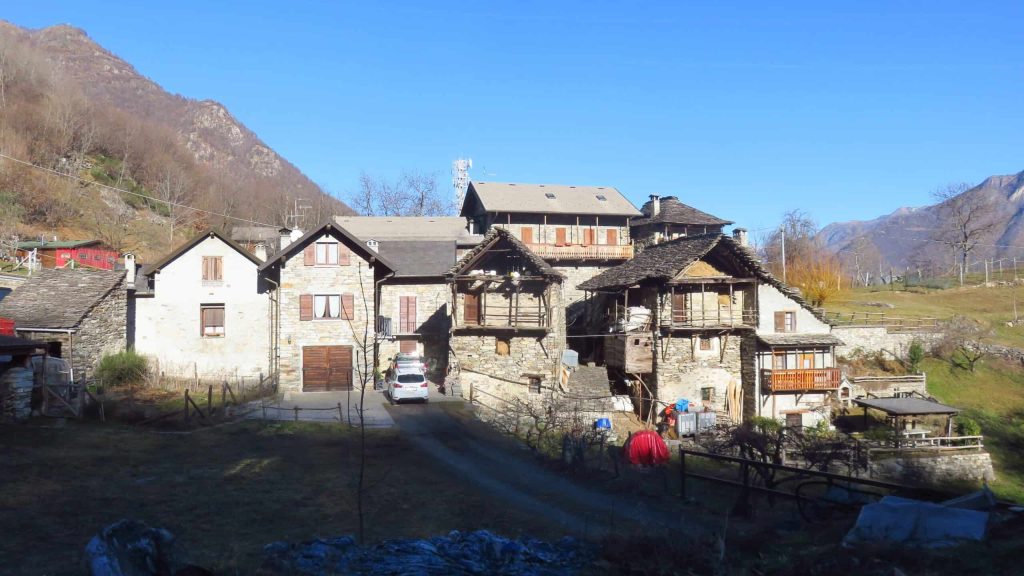
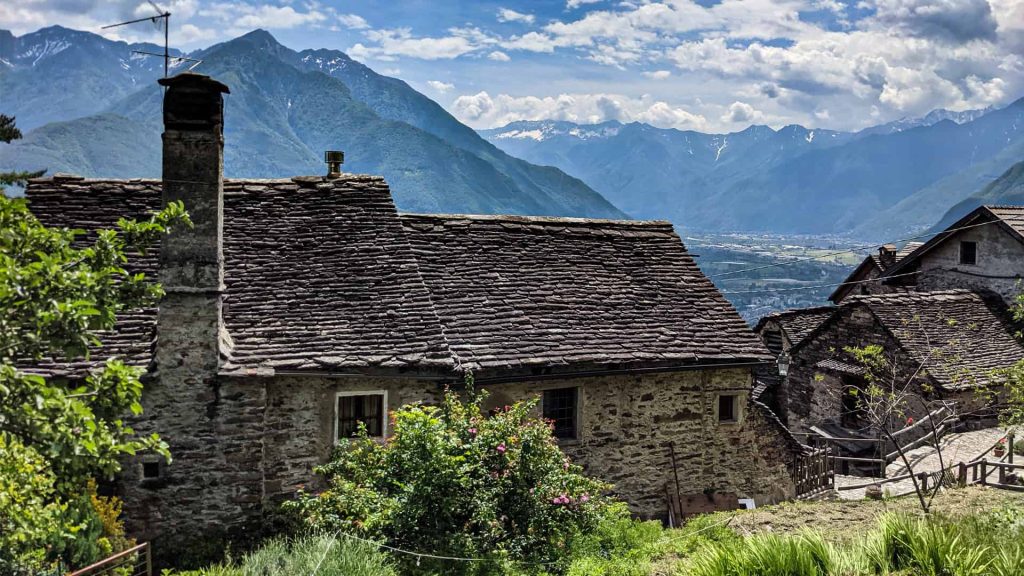
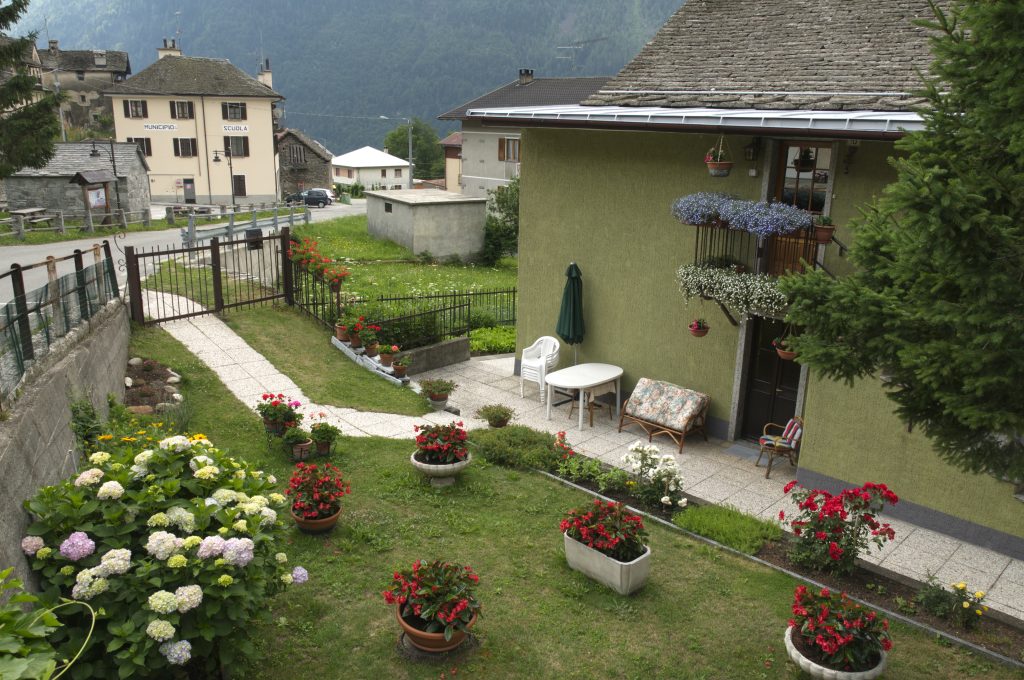
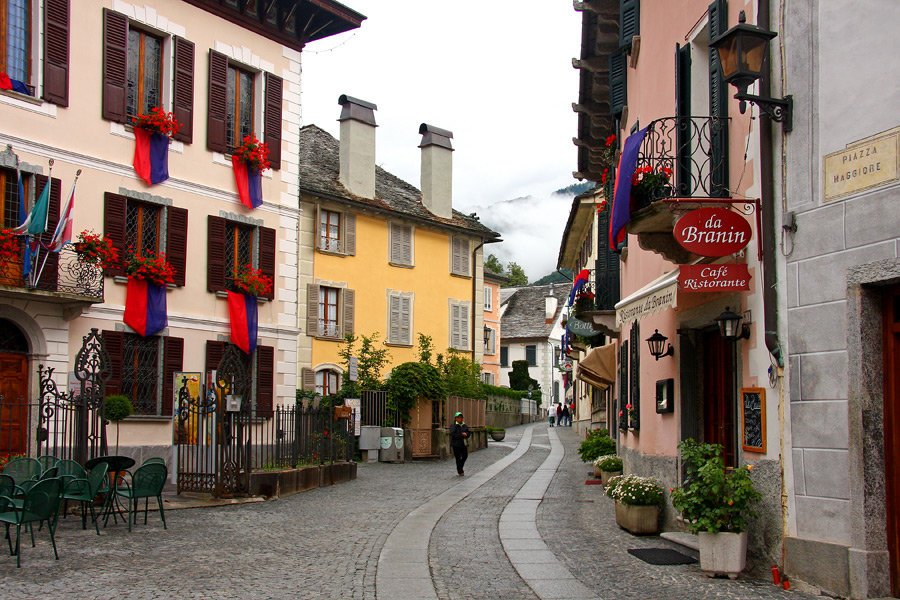
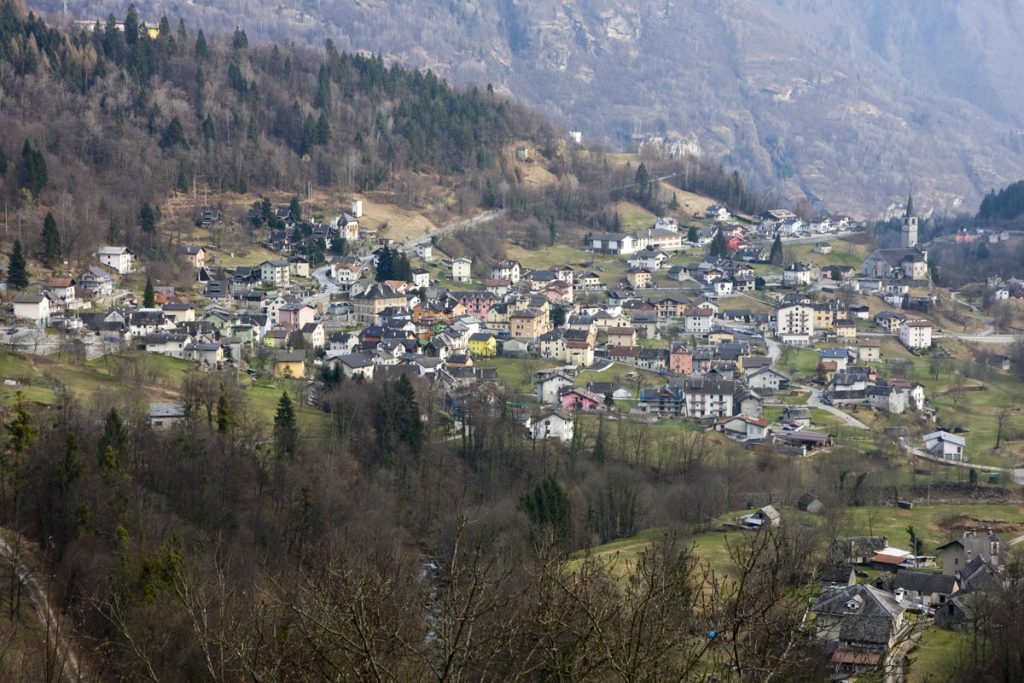
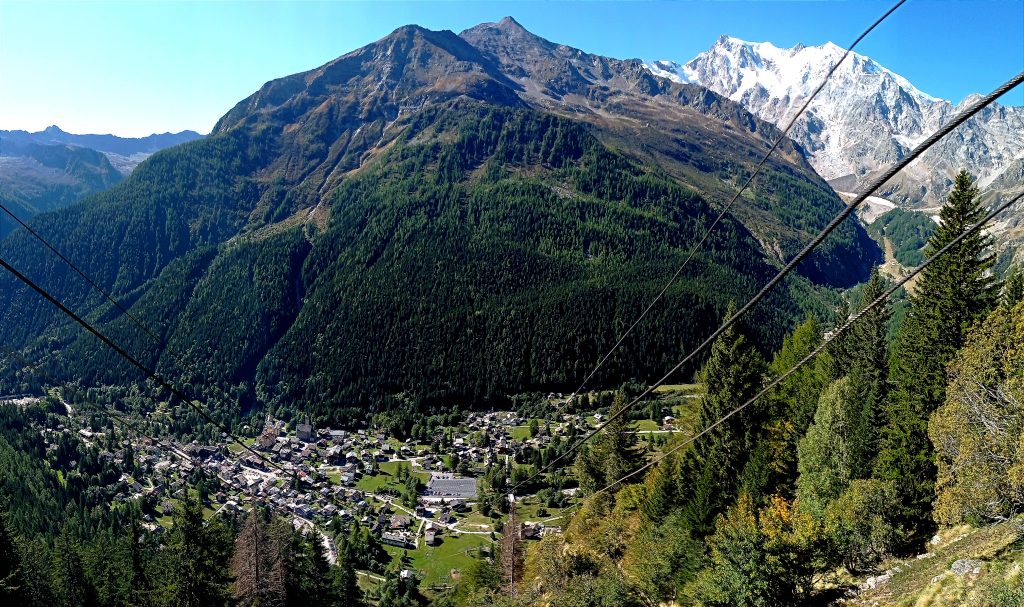
Riale, the highest hamlet in Val Formazza, remains one of the best-preserved Walser settlements in the entire colony: its dark wooden houses, with stone roofs, visibly tell the story of this people’s adaptation to the extreme climatic conditions of the high mountains, in a setting that has changed very little in appearance over the centuries.
A Walser heritage shared with Switzerland
The geographical and cultural proximity between Val Formazza and Swiss Goms continues to encourage exchanges and collaborations between the Walser communities on the two Alpine sides, a bond periodically renewed through cultural events and cross-border excursions organised by their respective linguistic and cultural promotion associations.
One final thought: Val Formazza shows how a small mountain community can keep its cultural identity alive even in an increasingly globalised world, an extraordinary example of cultural resilience.
Eight centuries of Walser history, still alive among these mountains.
Eight centuries of Walser heritage, still alive among its mountains.
One final note on Val Formazza: being the only Italian Walser colony to border directly on Goms gives it a unique role in the history of this Alpine migration.
Eight centuries of Walser history, still alive among these peaks.
Eight centuries of Walser heritage, still alive among these peaks.
Valle Formazza, with its history of Walser colonisation, is one of the most authentic and least-known corners of the entire Val d’Ossola, ideal for those seeking a mountain experience away from the busiest tourist routes, among stone and wooden villages and ancient traditions that are still alive.
The wooden and stone architecture of Formazza’s villages still tells the story of Walser culture’s ability to adapt to the mountains.