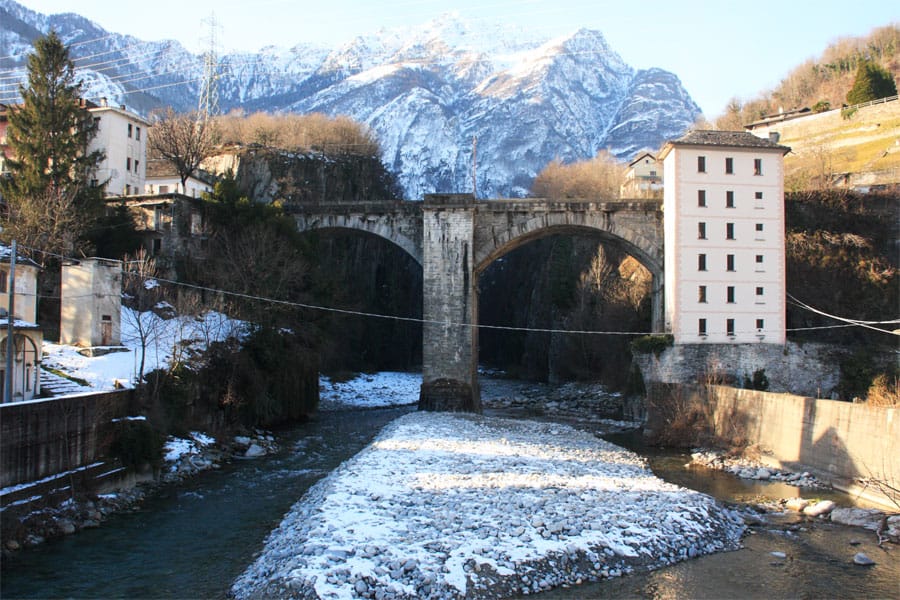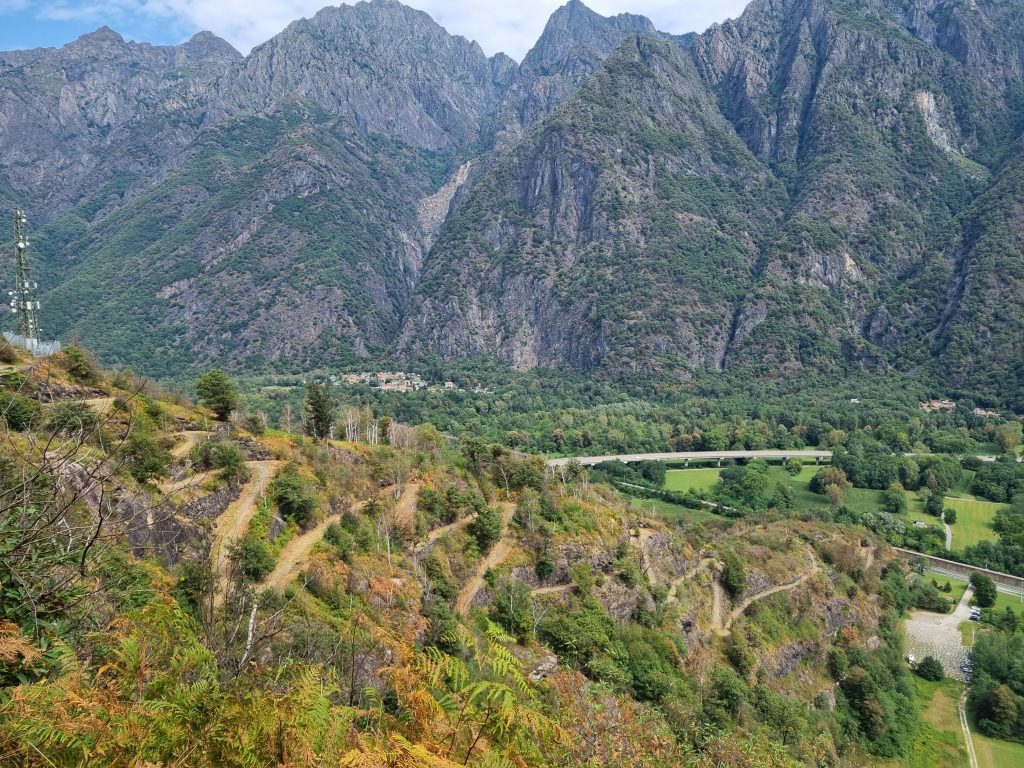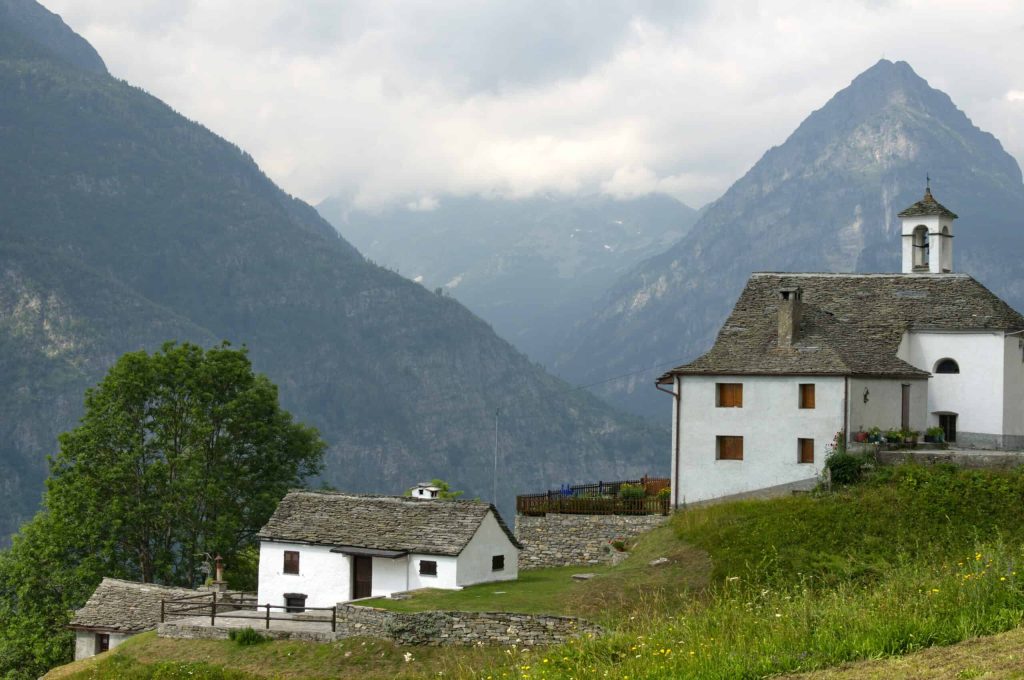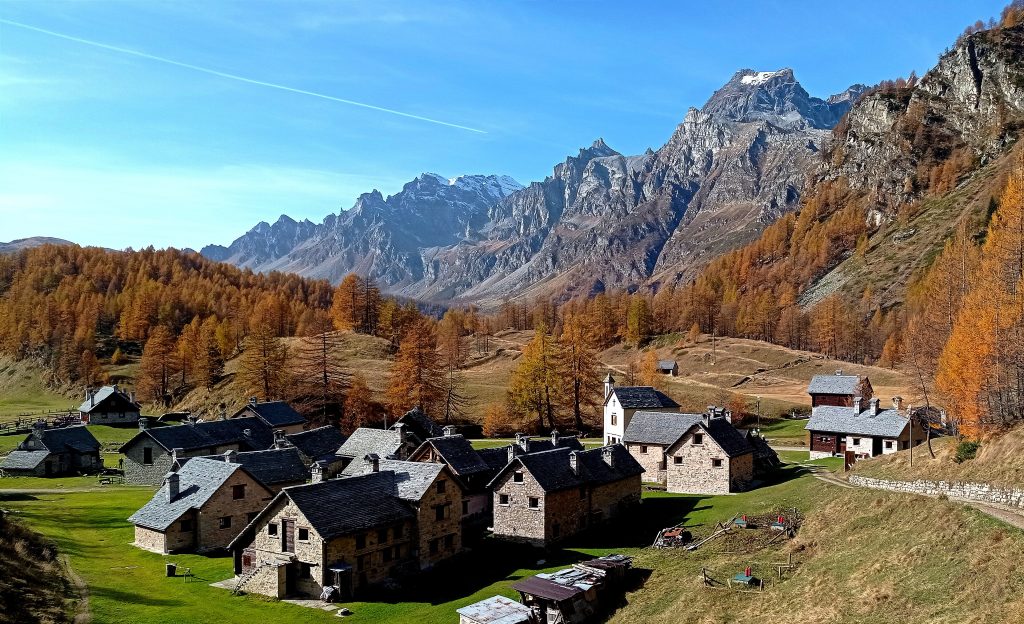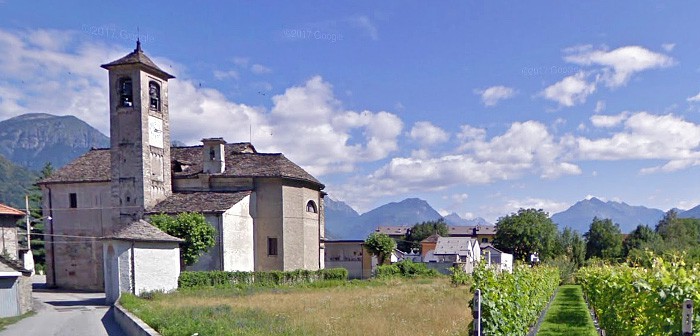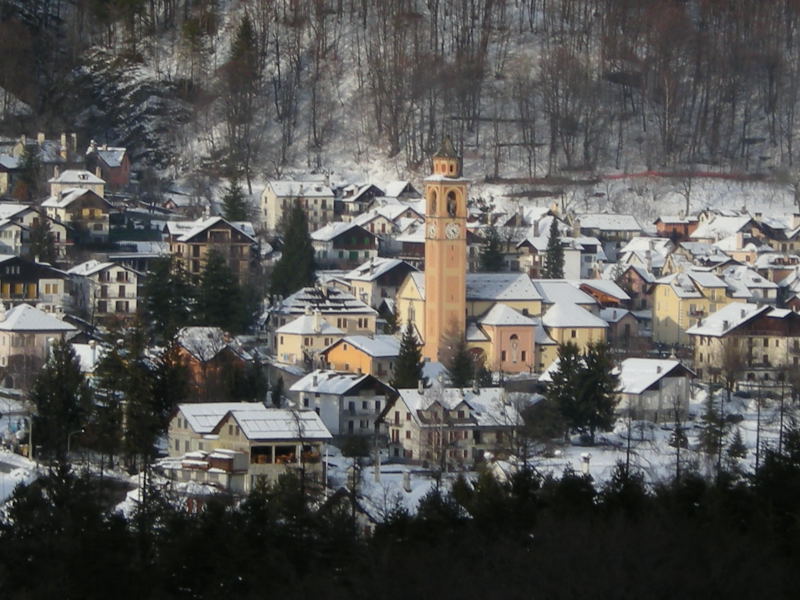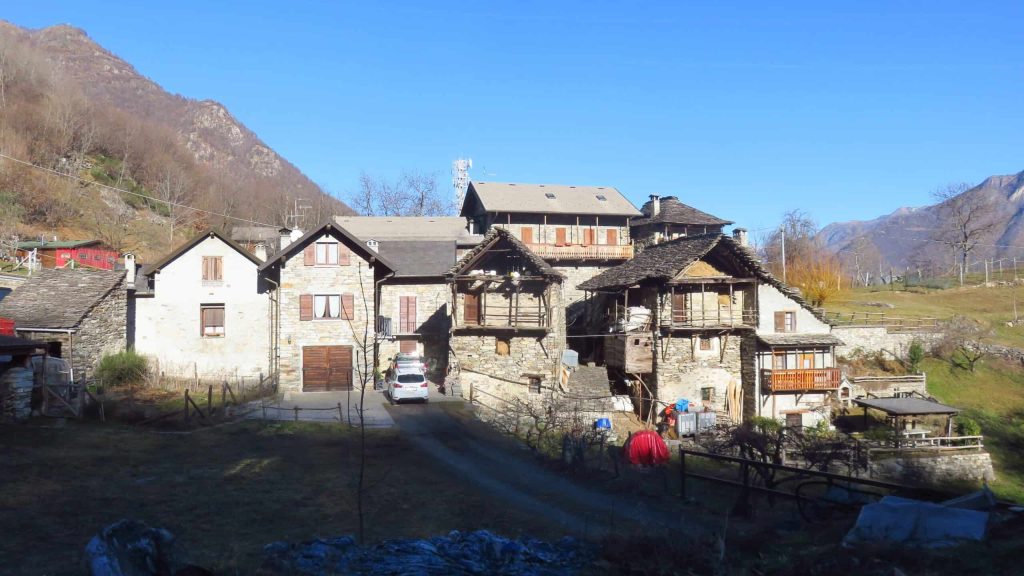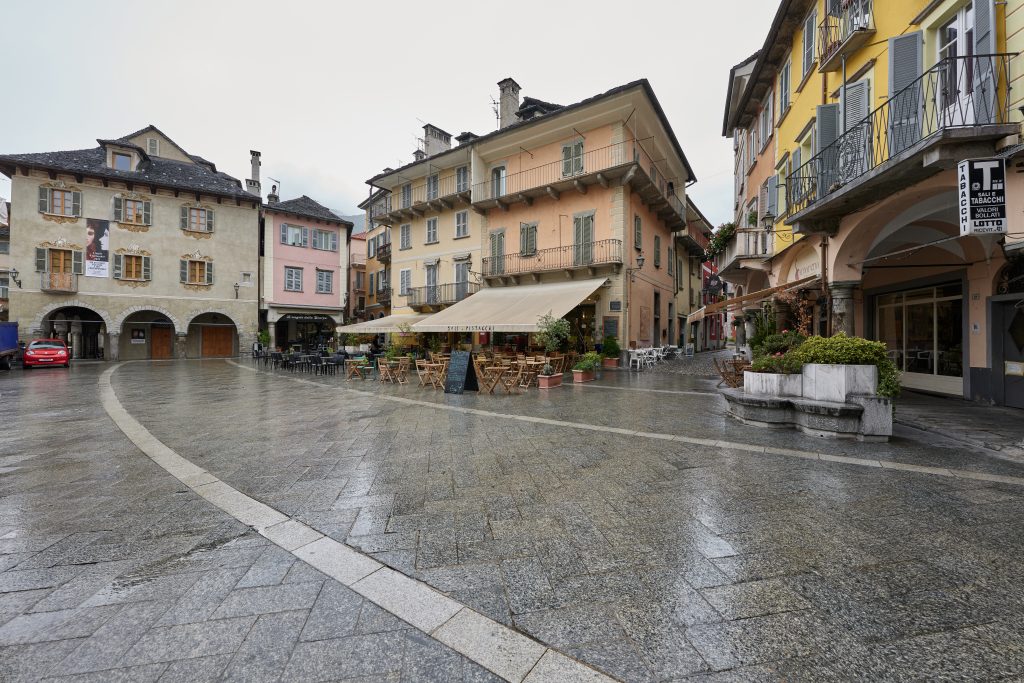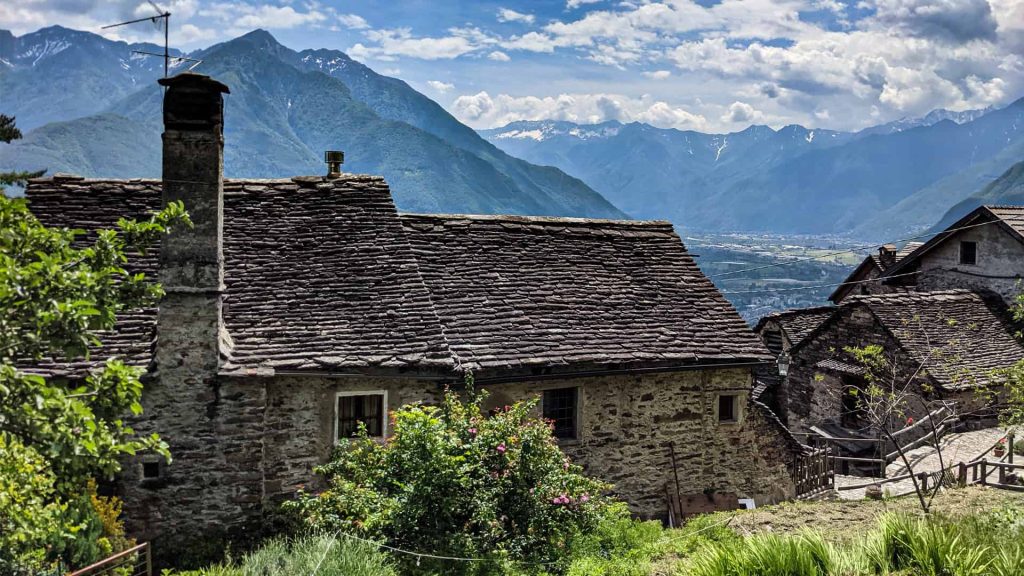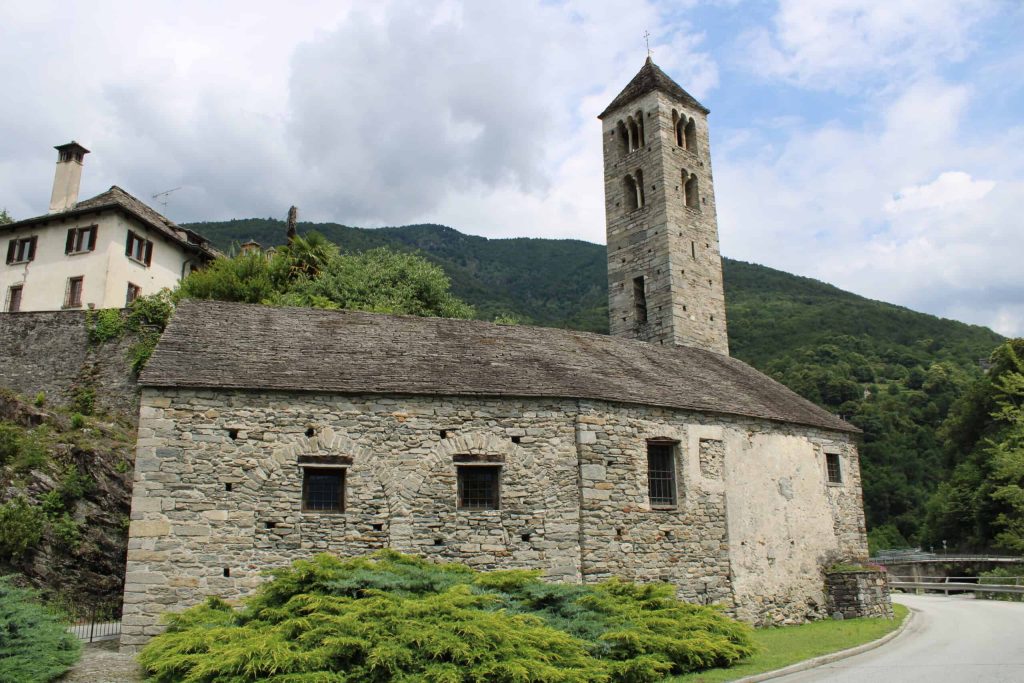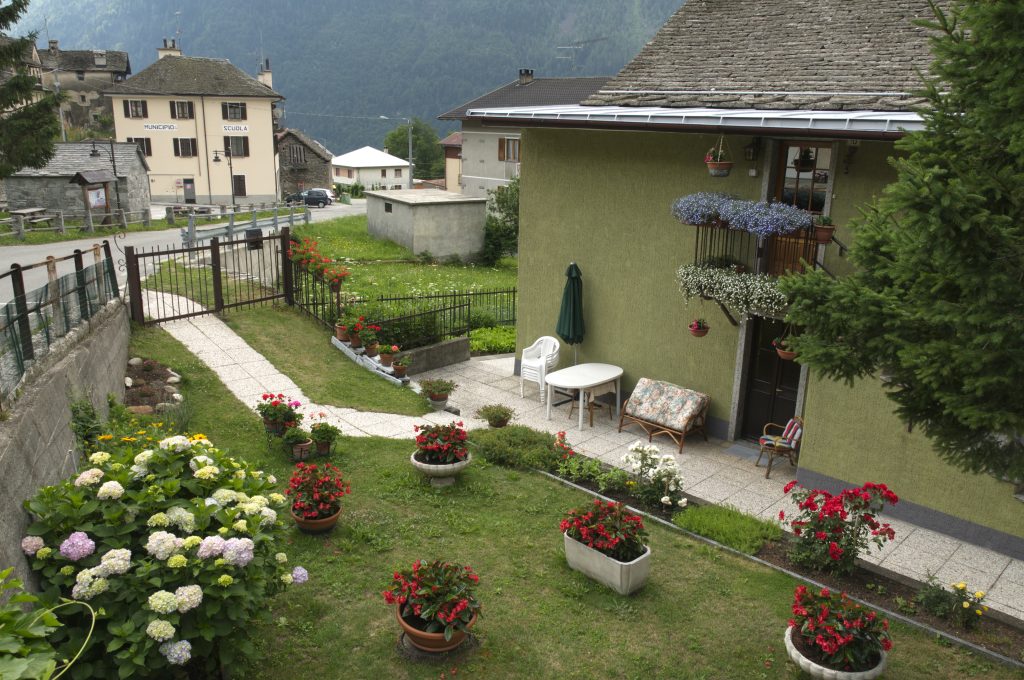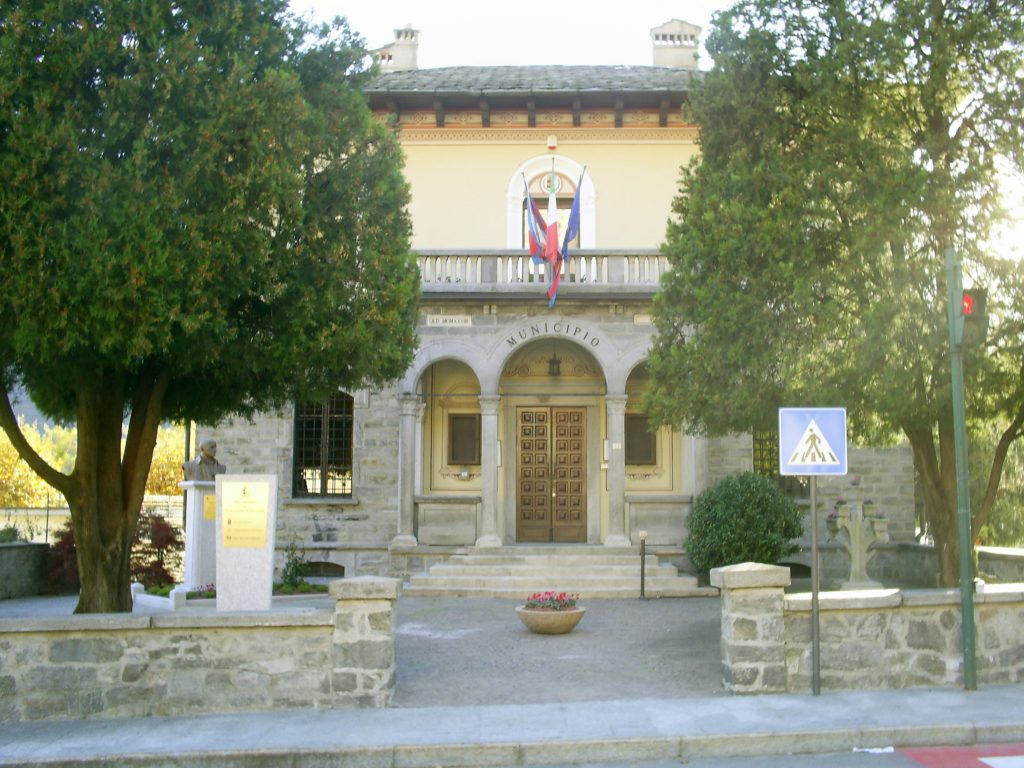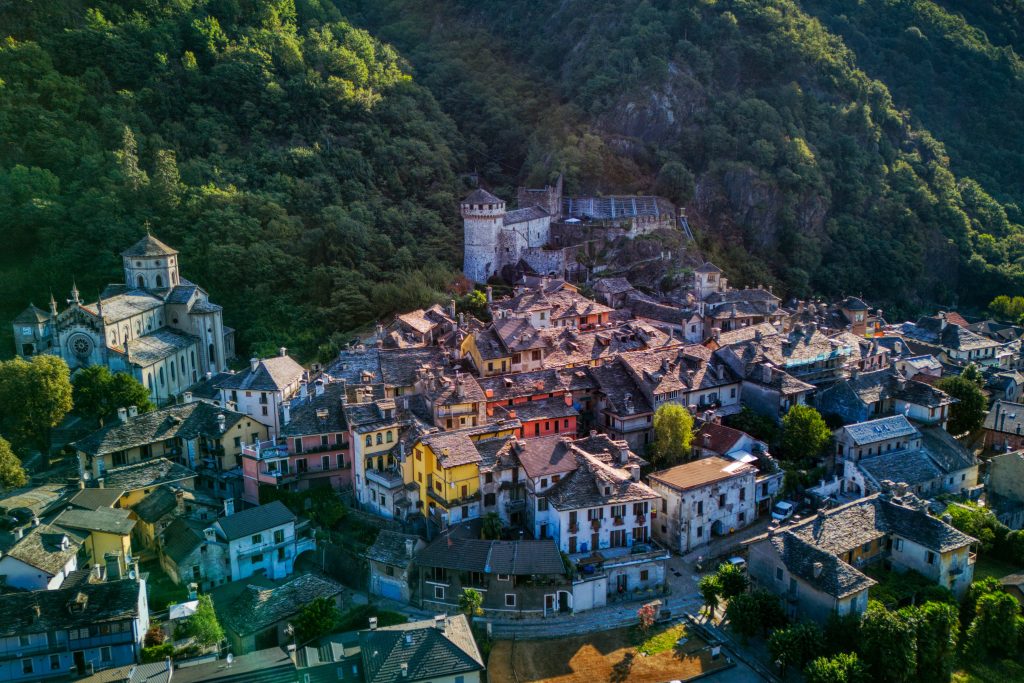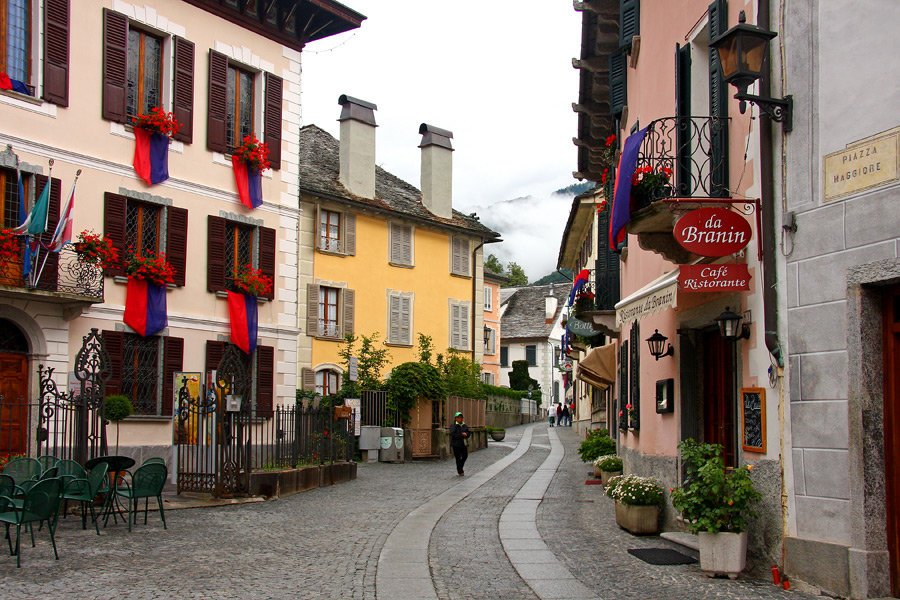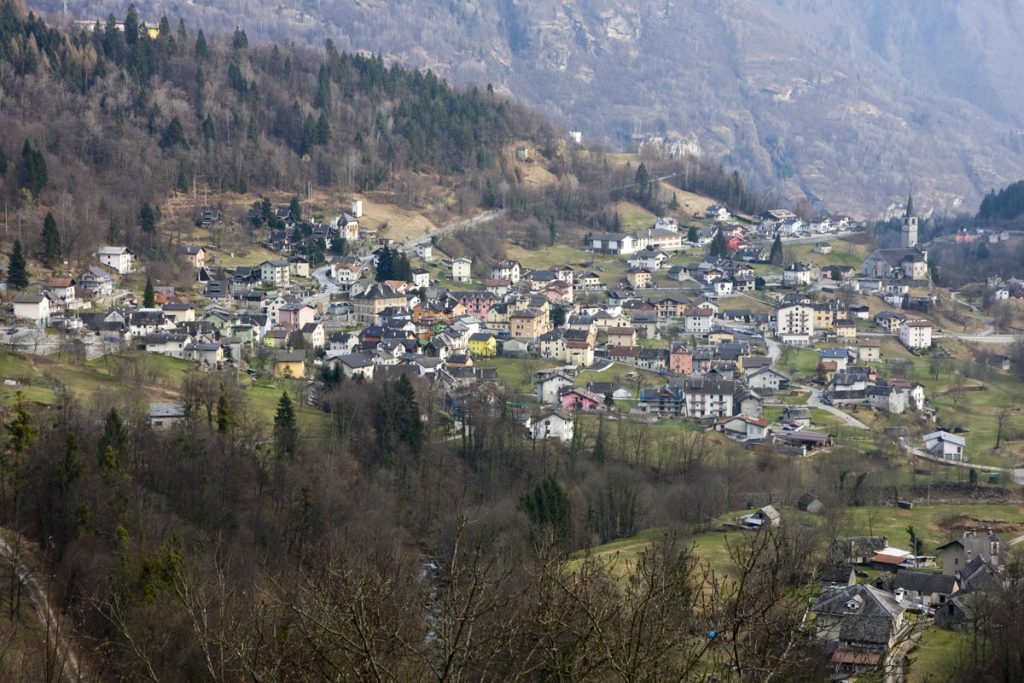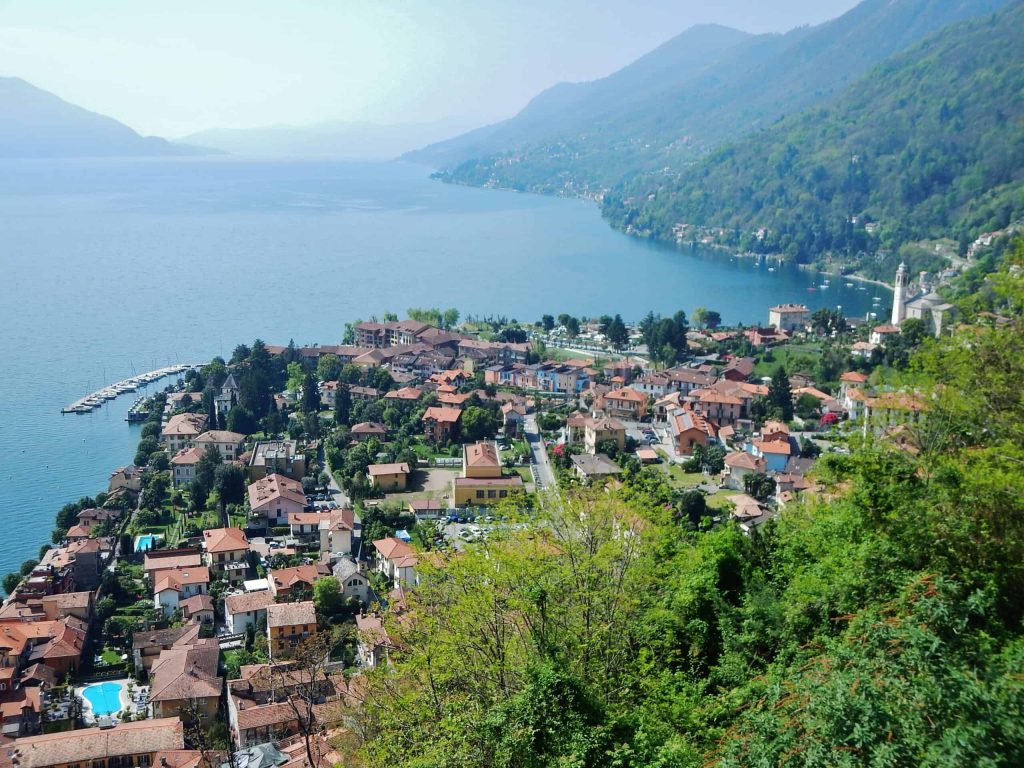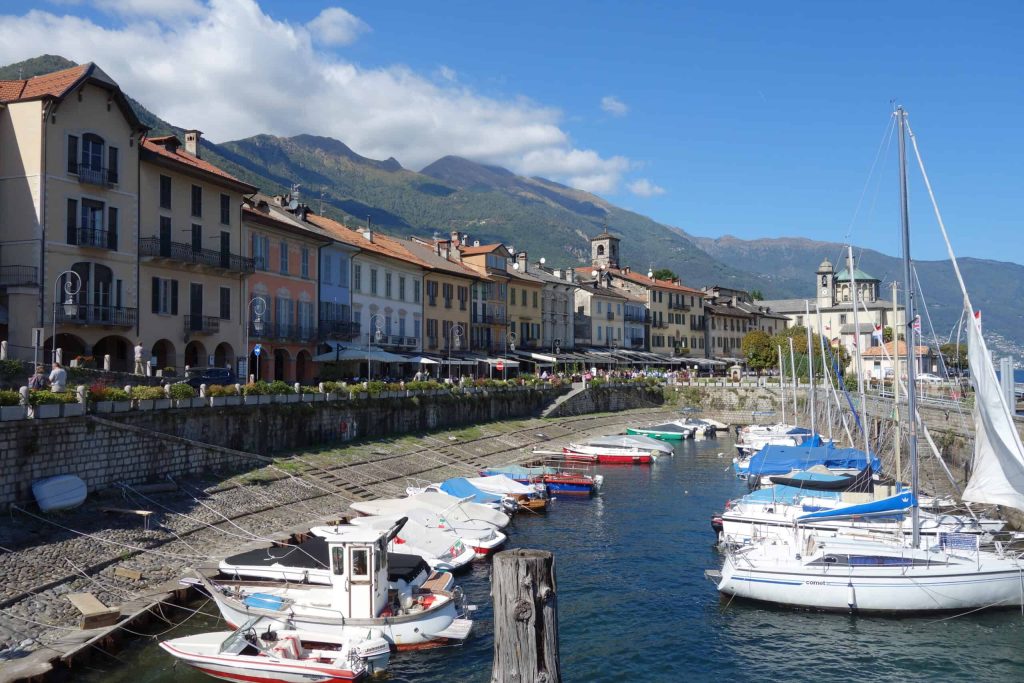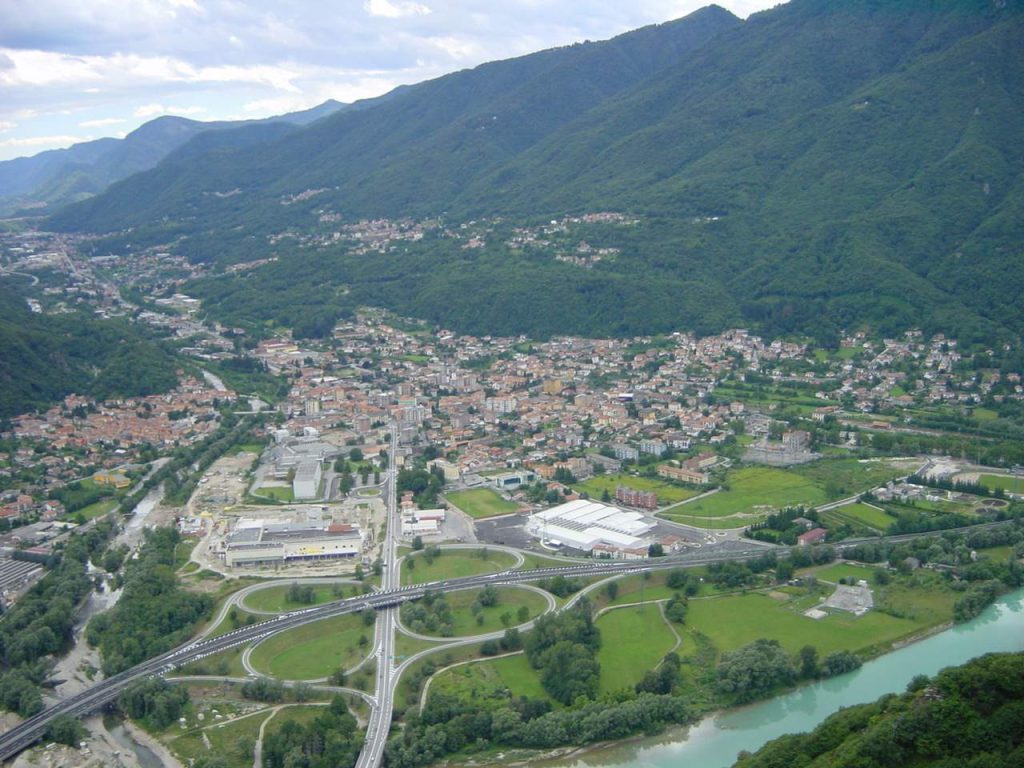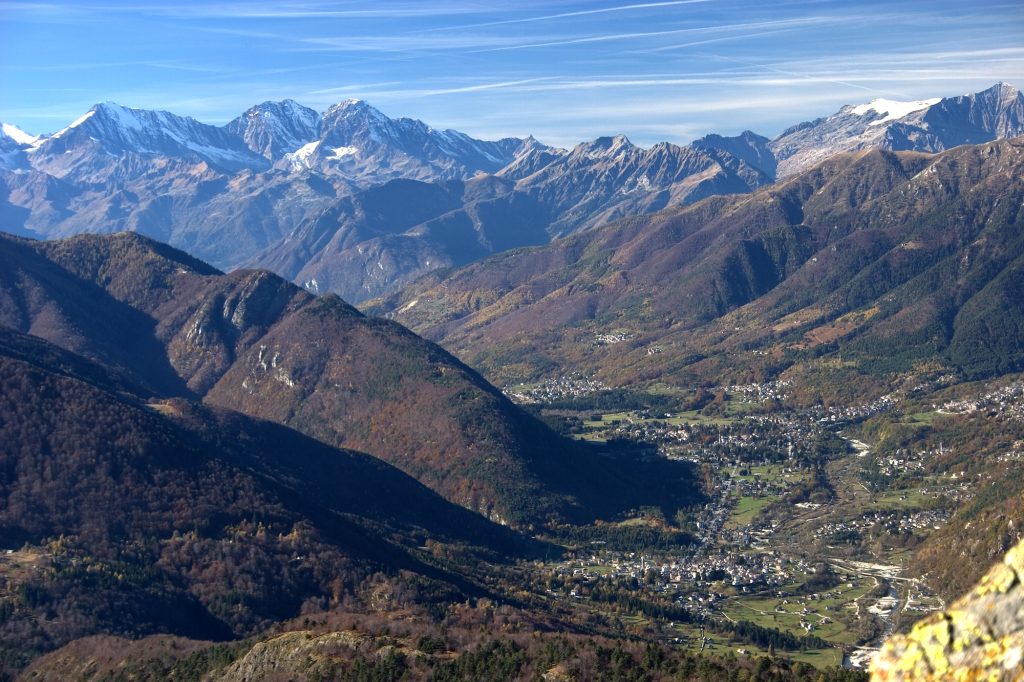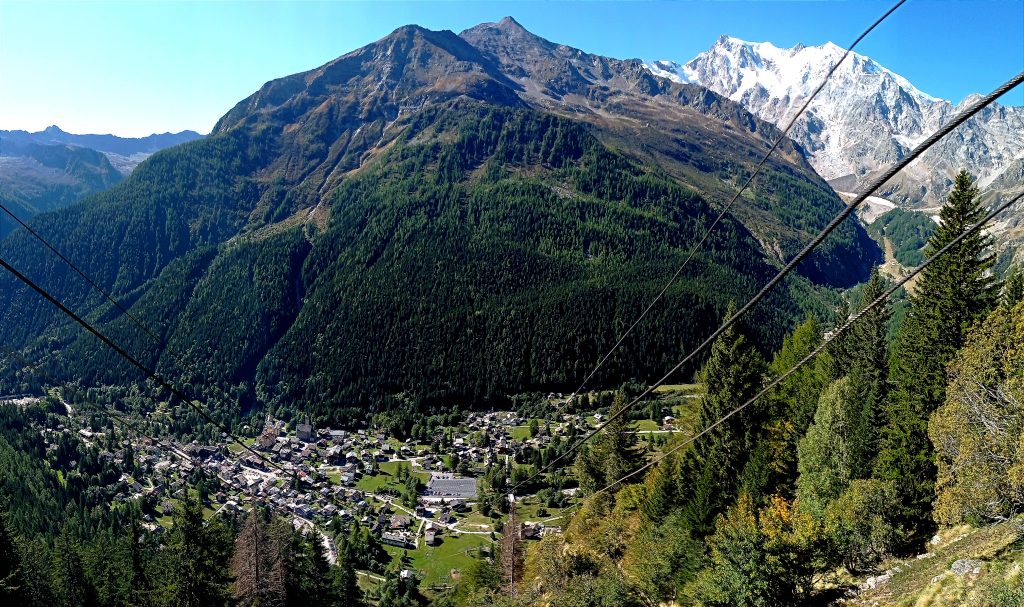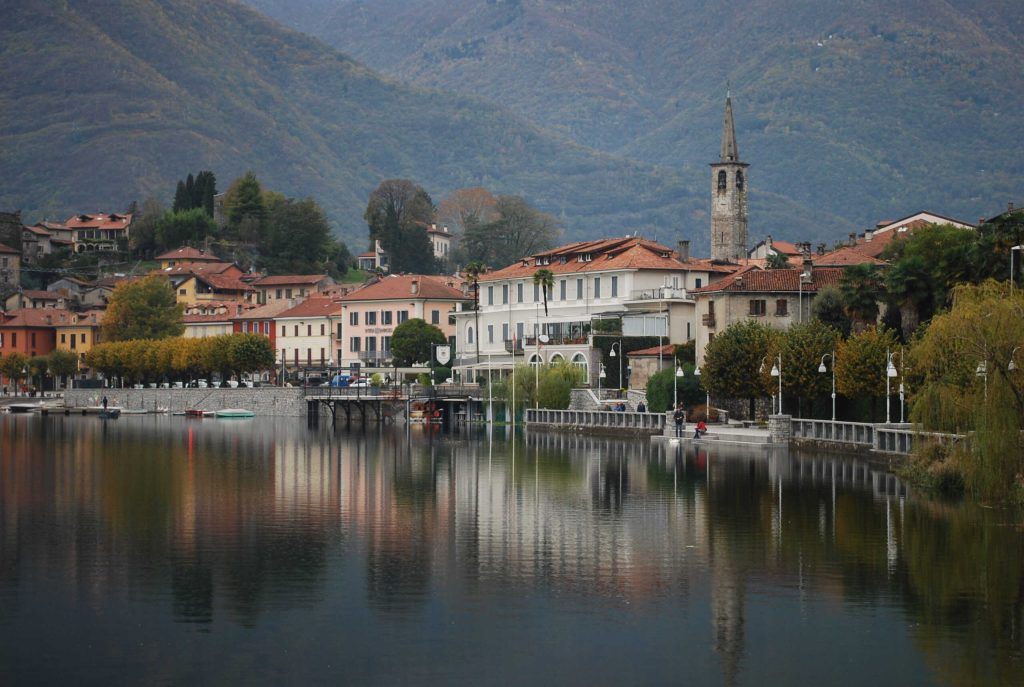
Trontano lies at the entrance to the Valle Vigezzo, overlooking the Domodossola plain, with a historic centre and hamlets described as small masterpieces of vernacular architecture, where the skilful use of beola and serizzo tells of a model of harmonious integration with the environment.
A castle with an uncertain and legendary history
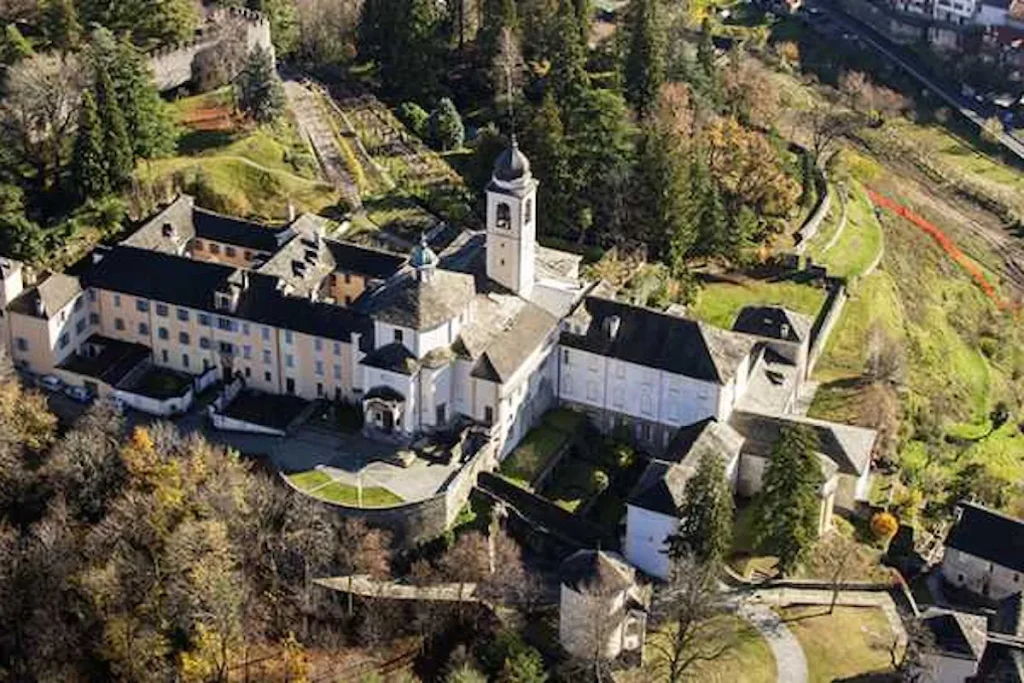
Trontano Castle was inhabited until just over twenty years ago, having belonged continuously from the Middle Ages to the present day to the same family, through its various branches. Its history remains partly shrouded in mystery, amid various theories portraying it as a castle, a convent visited by Fra Dolcino, or even a dwelling of witches according to popular tradition.
The Creggio tower and Fra Dolcino
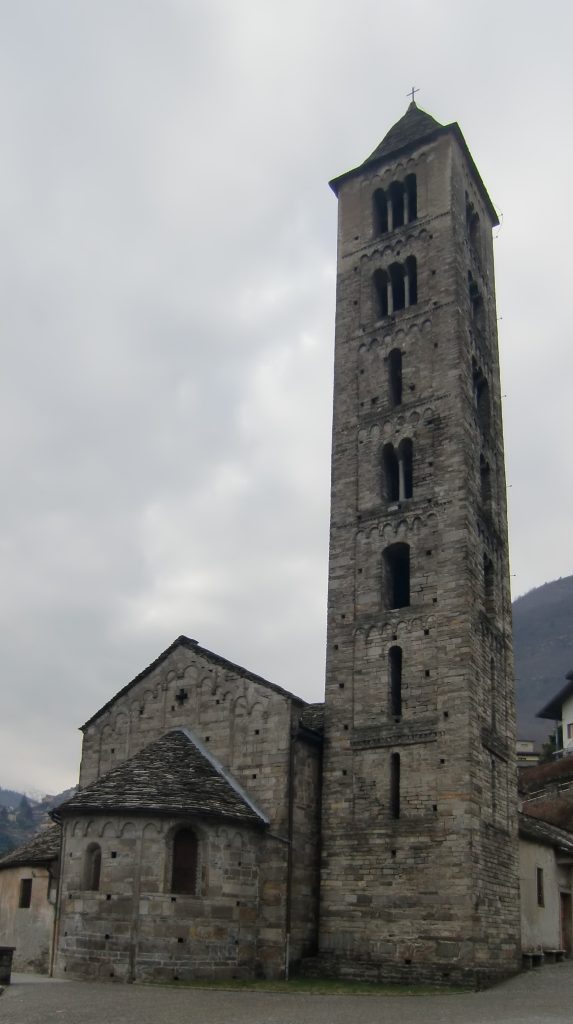
Nearby stands the Creggio tower, a 13th-century signalling building damaged in the 15th century and later restored at the behest of Ludovico il Moro after the Battle of Crevola in 1487. According to tradition, the tower was also a refuge for the heretic Fra Dolcino in the 13th century.
Vineyards, rye and wool
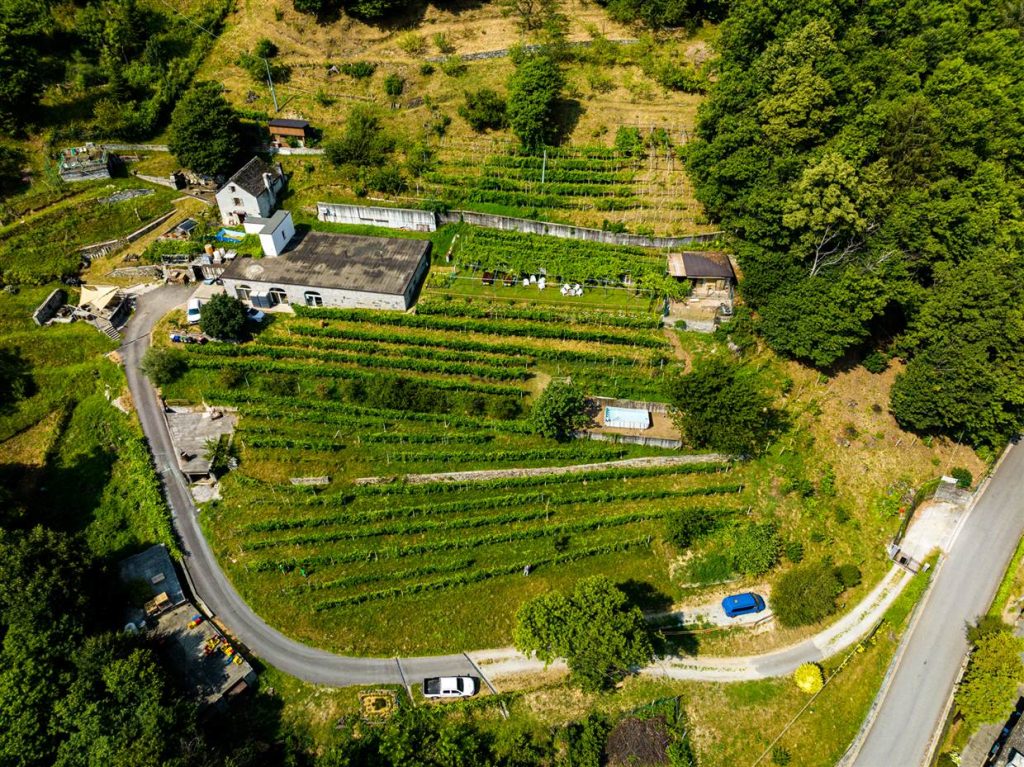
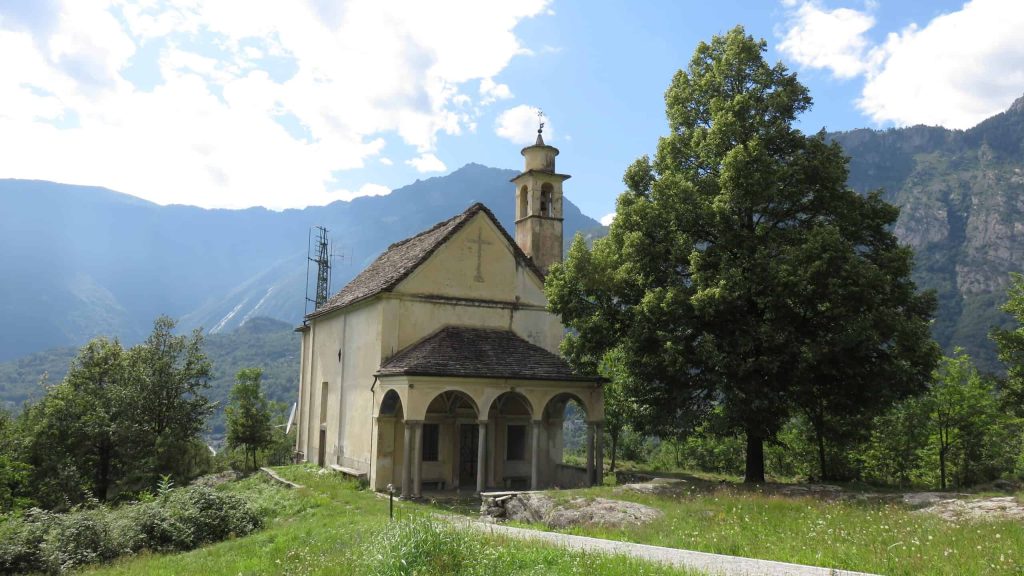
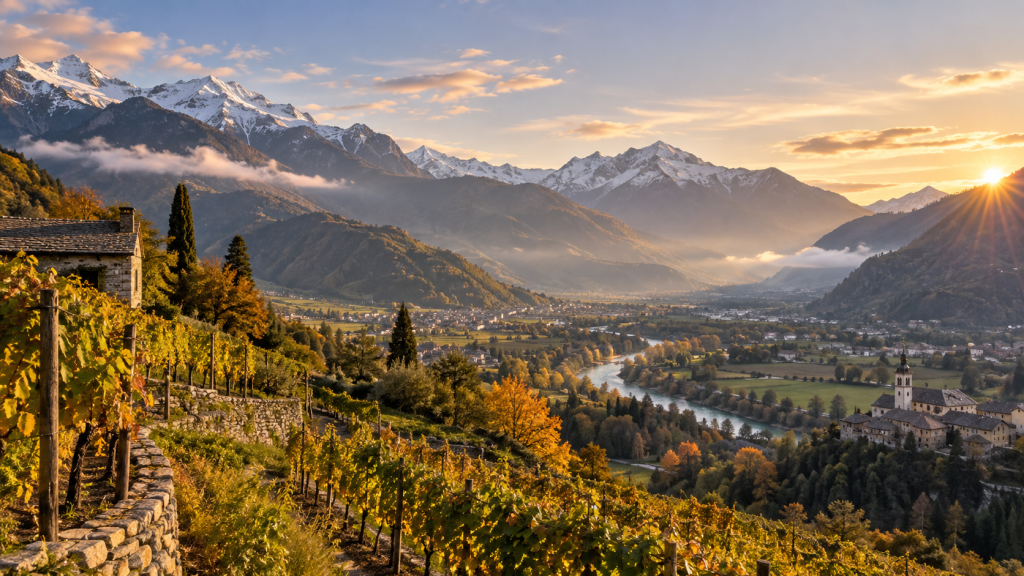
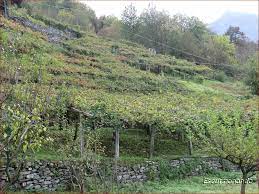
Trontano’s identity is also expressed through unique cultural elements: the extensive vineyards covering the gentler slopes and terraces, the local production of rye bread and typical “credenzìn”, and the ancient tradition of wool processing, together with votive chapels and frescoes of popular devotion.
Trontano, between Val Grande and vineyards
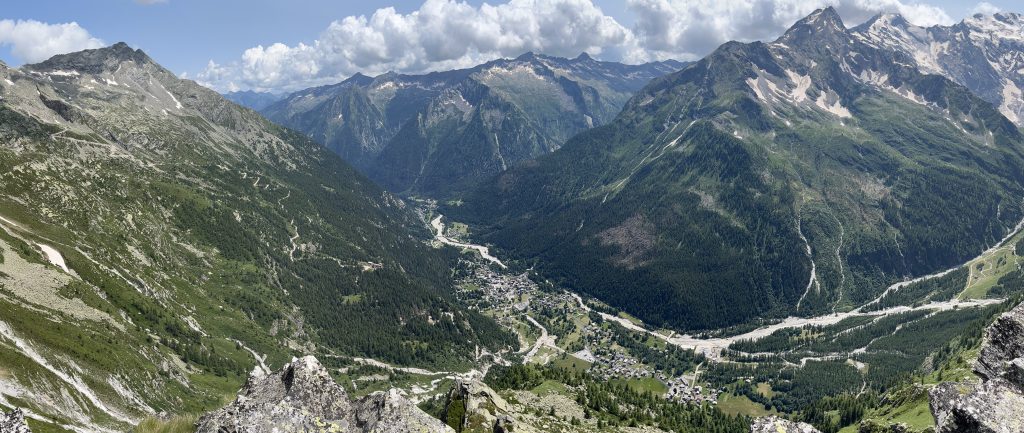
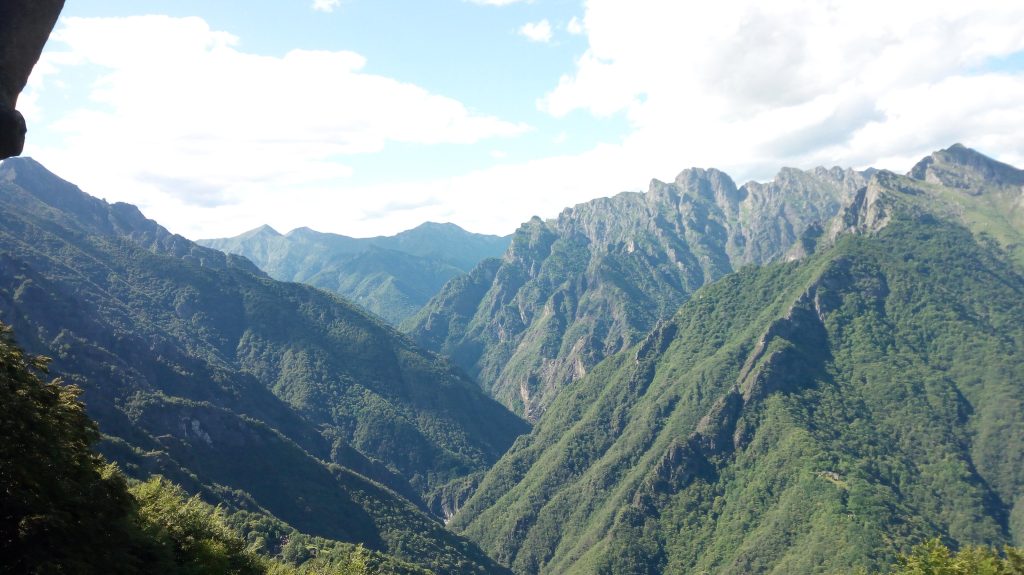
Trontano is also an access point to the Val Grande National Park. To learn more about its history and trails, refer to the website of the Val Grande National Park.
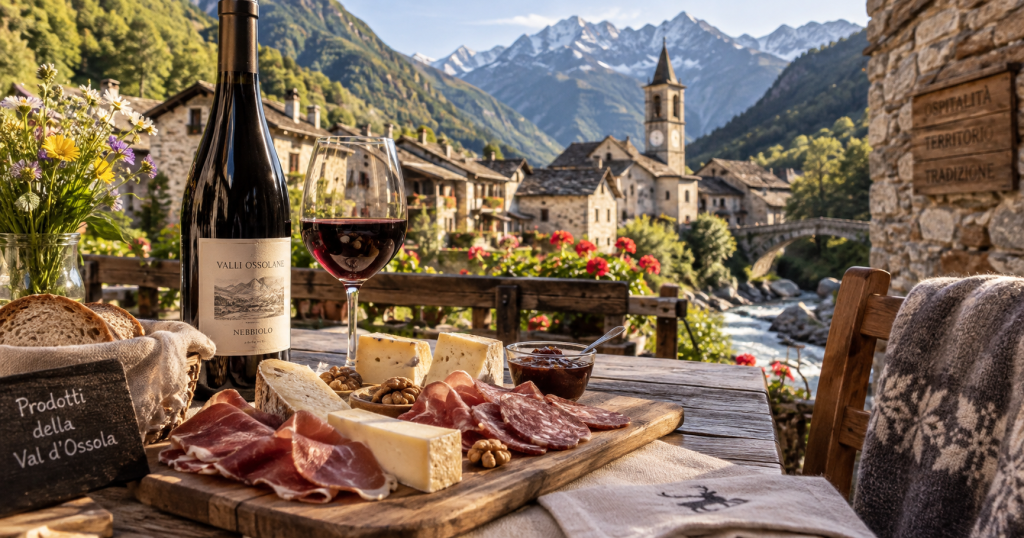
The very vineyards that define Trontano’s landscape provide a natural opportunity for a tasting amid history and vines.
A village of vernacular architecture
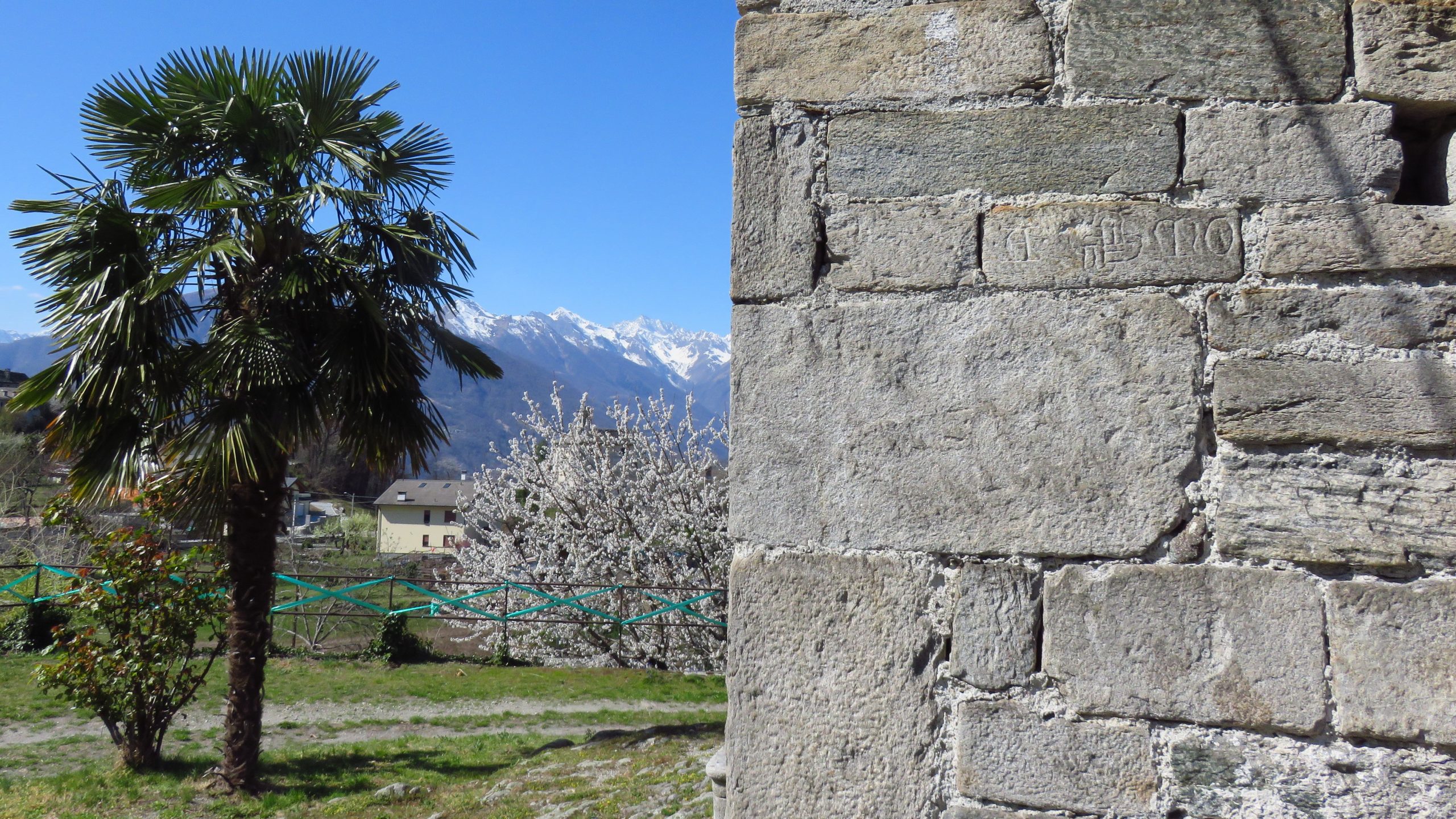
Trontano’s hamlets are a valuable example of vernacular mountain architecture, where the skilful use of local stone has made it possible to build homes perfectly integrated into the surrounding landscape: walking through these settlements, often little known even to the most frequent visitors to the Val d’Ossola, offers authentic views far removed from any form of mass tourism.
A heritage to be protected
Many of Trontano’s hamlets, despite their great architectural value, now face the depopulation challenge typical of many mountain areas: local restoration and enhancement initiatives seek to reverse this trend, promoting slow tourism as an opportunity to revitalise these small settlements otherwise at risk of abandonment.
An area to explore on foot
The network of trails linking Trontano’s hamlets is particularly well suited to exploration on foot, with circular routes that allow visitors to see several villages in a single day, passing through vineyards, woodland and the architectural landmarks that make this corner of Ossola unique.
One final note: many of the hamlets described can also be reached with short walks from the centre of Trontano, making exploration accessible even to those who are not experienced hikers.
One castle, a thousand trails, one story to discover.
One castle, a thousand trails, one story to experience.
One final note about Trontano: the dense network of trails between the hamlets remains the best way to discover an architectural heritage still largely unknown to most people.
One castle, a thousand trails, a story to follow.
One castle, a thousand trails, a story to experience step by step.
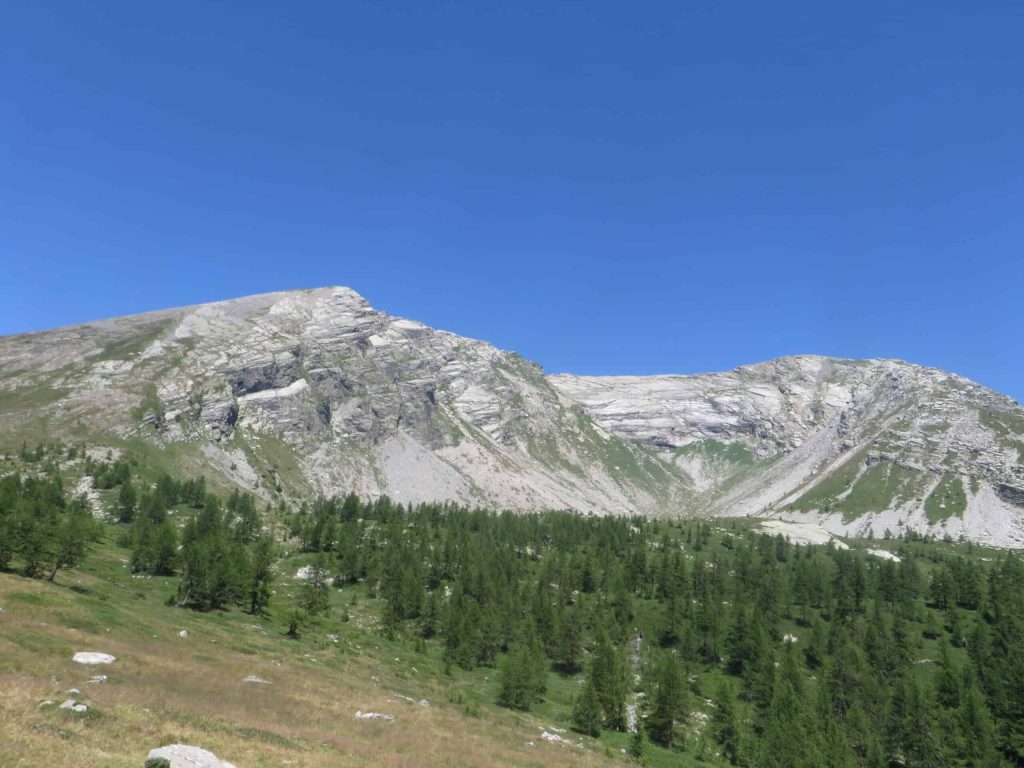
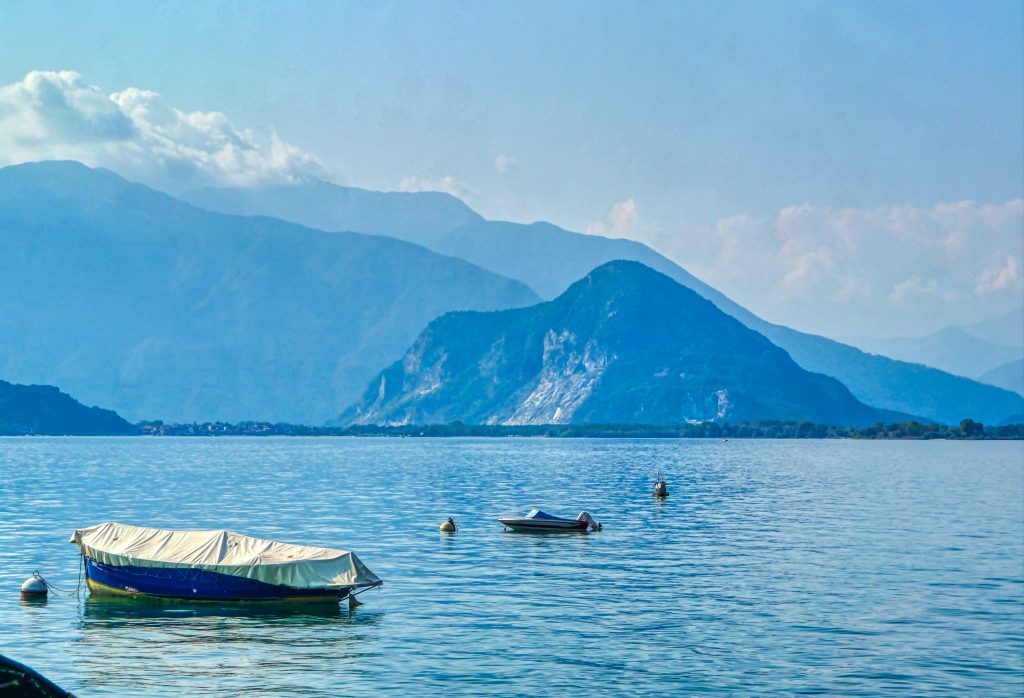
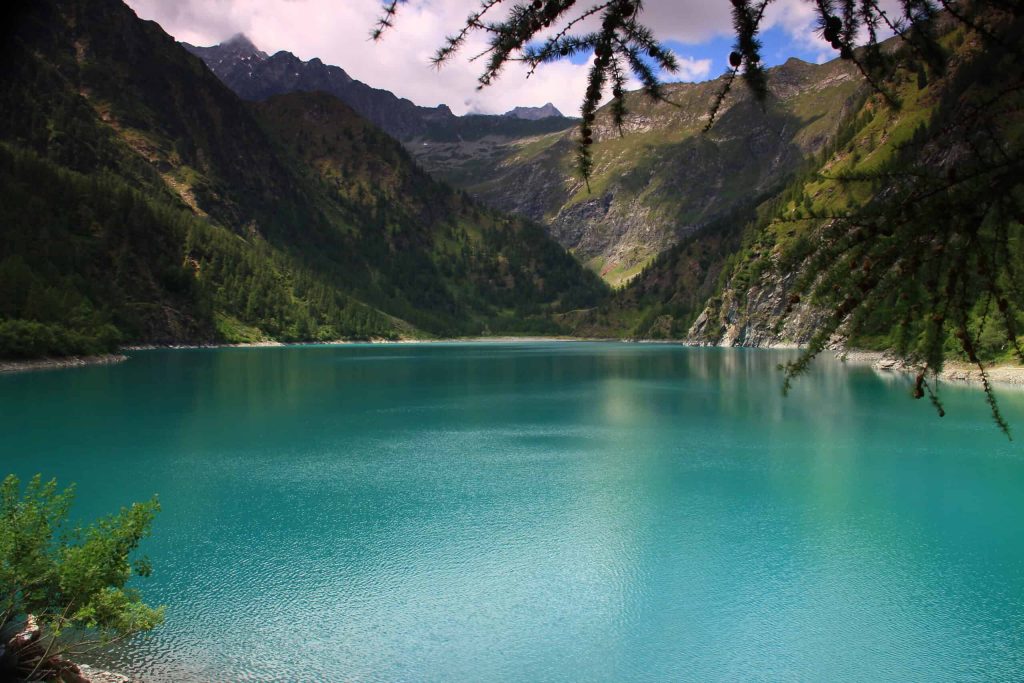
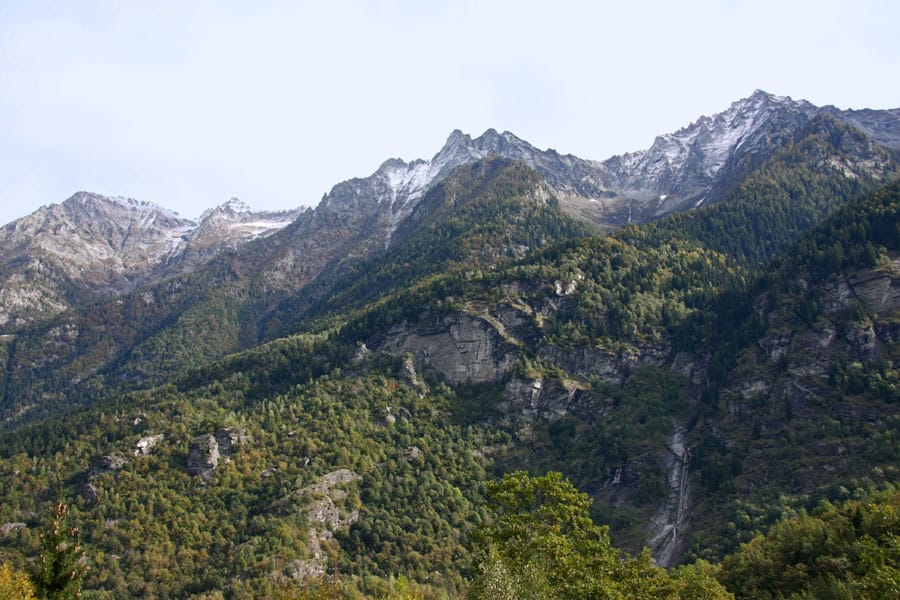
Trontano, with its castle and the trail leading into Val Grande, is a natural gateway to one of Europe’s largest wilderness areas. The contrast between the village’s historic centre and the nearby wilderness of Val Grande aptly conveys the variety of landscapes found in Ossola within just a few kilometres.
The contrast between the compact village and the wild expanse of Val Grande remains one of the most fascinating features of this corner of Ossola.