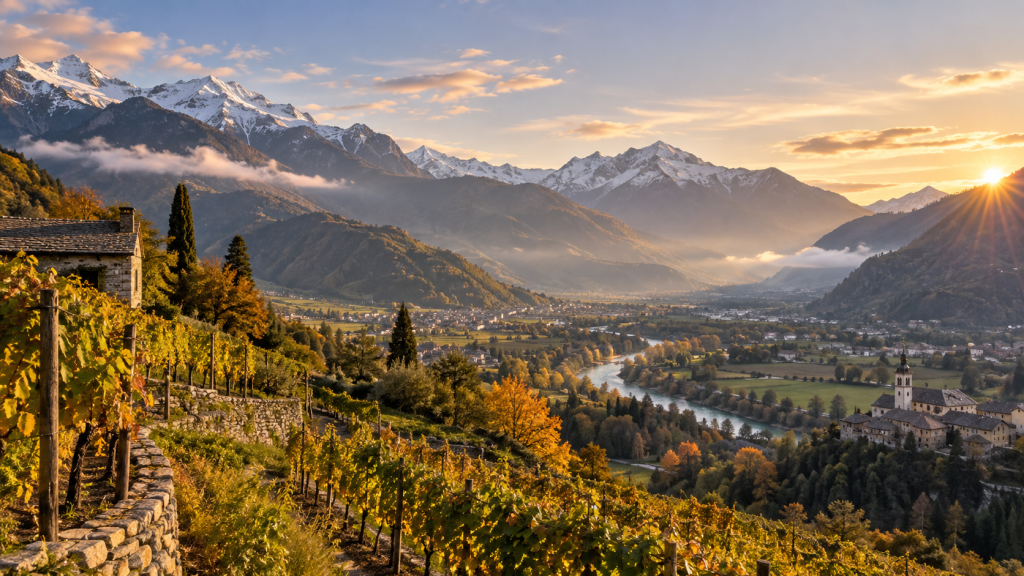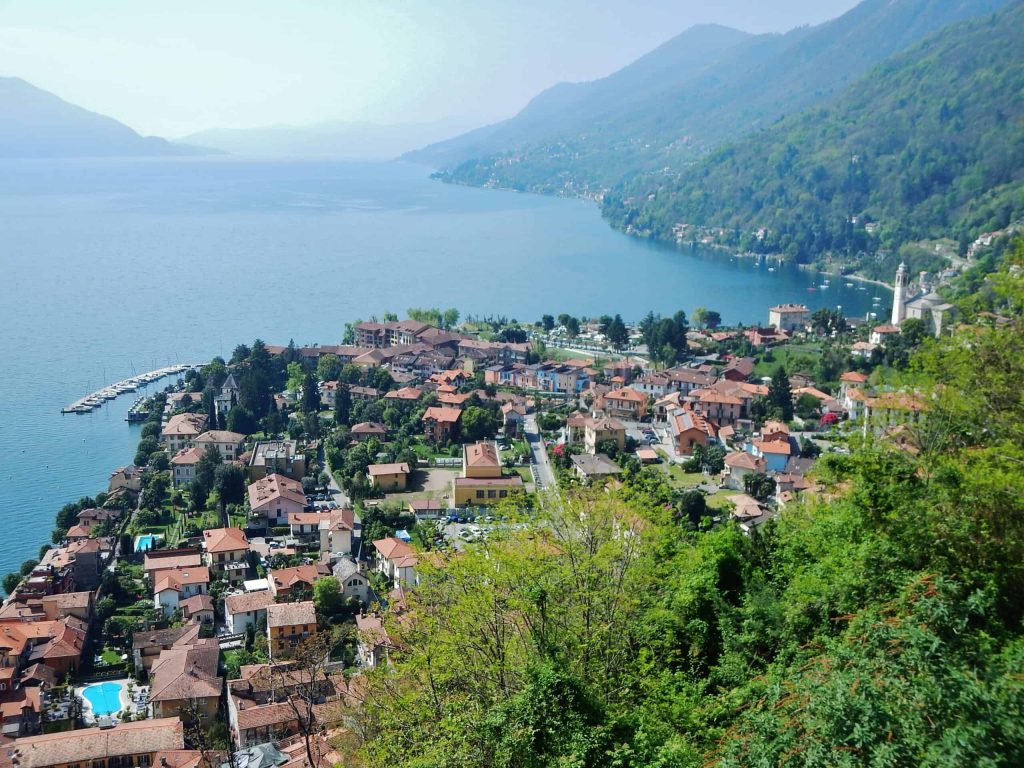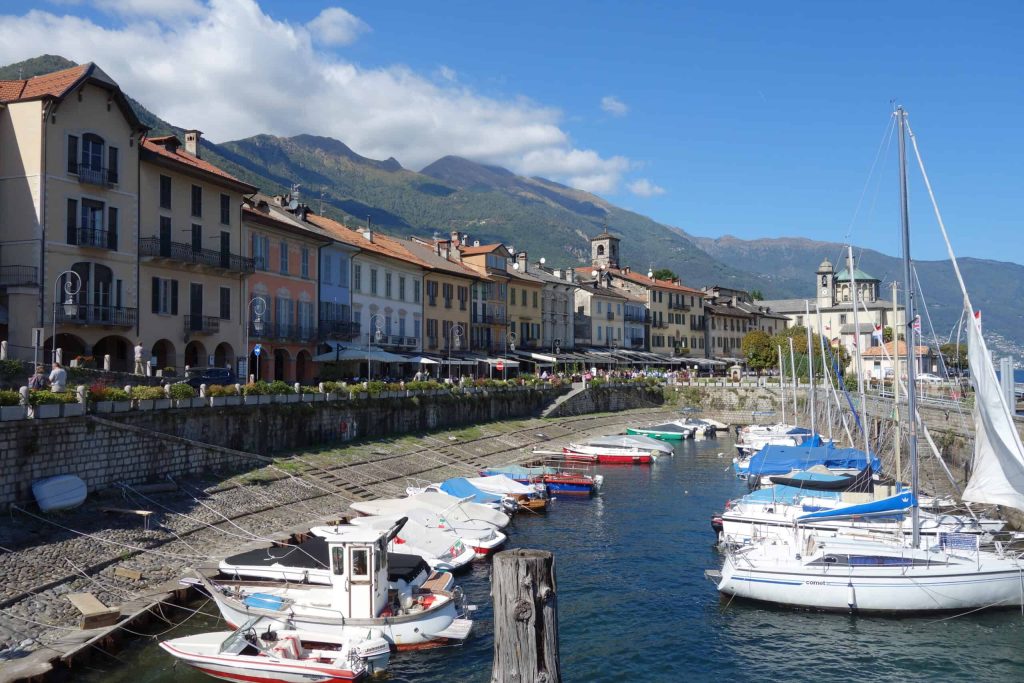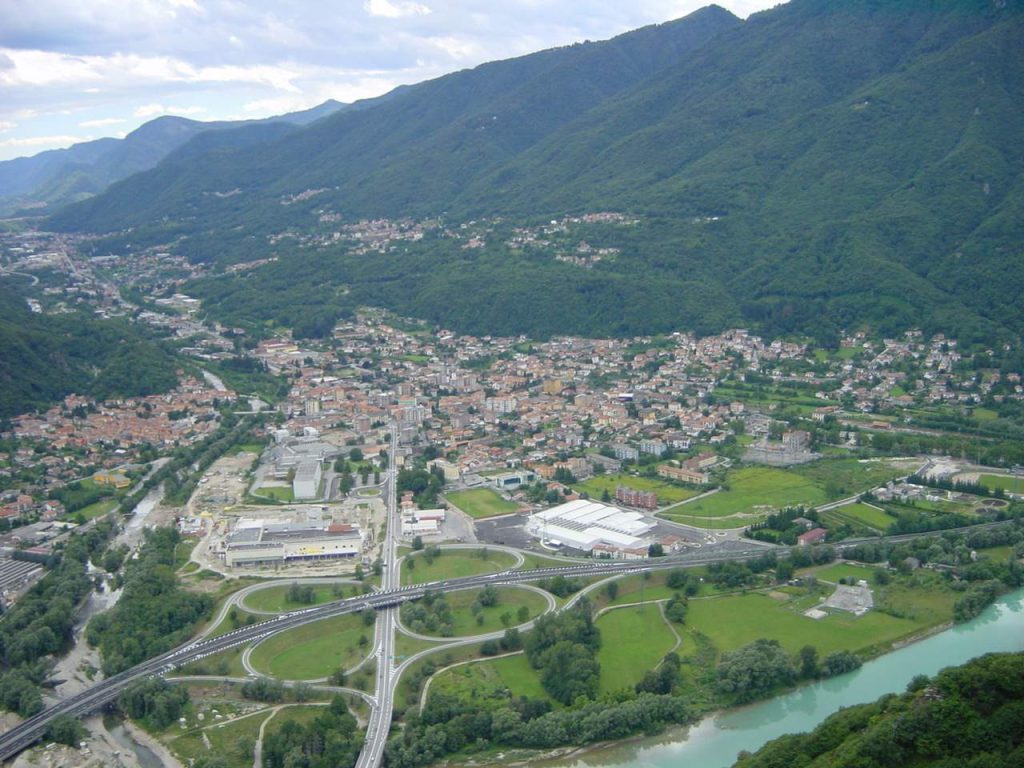
The history of Ossola is dotted with illustrious figures and episodes that have left their mark far beyond the valley’s borders, from pioneering aviation to the Resistance and international cuisine.
Geo Chavez’s tragic flight
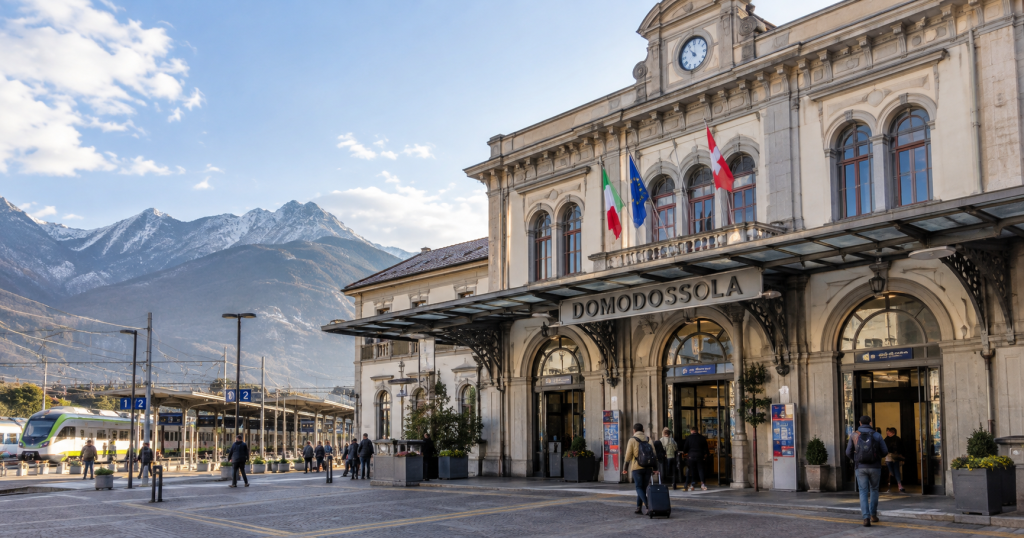
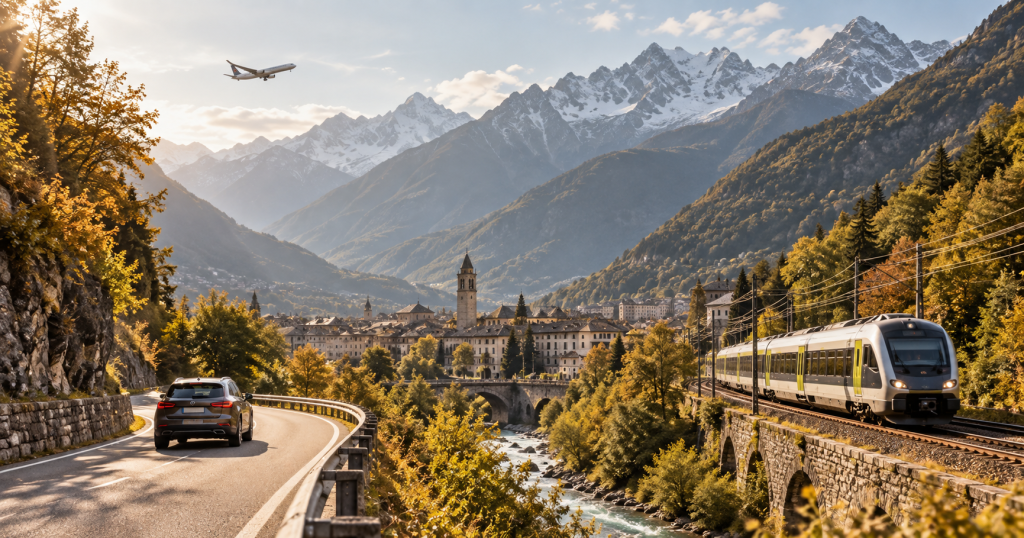
One of the most celebrated events in Ossola’s history is the flight of Peruvian pilot Geo Chavez, who in 1910 became the first person to cross the Alps by aeroplane on the Brig-Domodossola route, only to die tragically at the moment of landing. The feat, followed with enormous interest by the local population, remains one of the best-known chapters in the history of Italian and European aviation.
The Masera Grape Festival
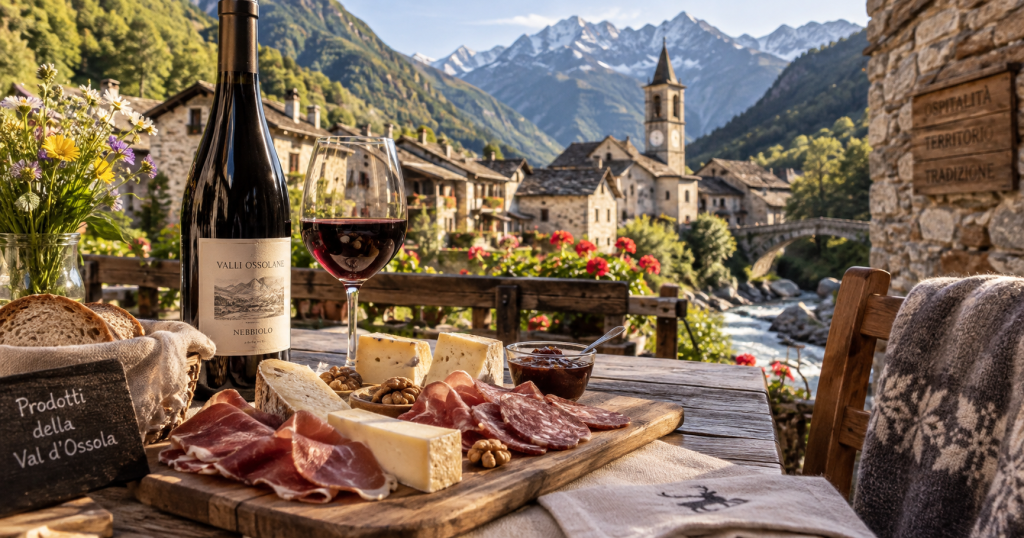
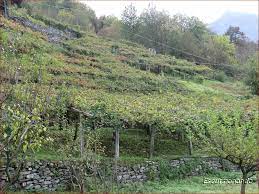
In 1925, to pay tribute to grape harvesters and farmers, a festival dedicated to grapes was established in Masera, organised at the end of the harvest during the workers’ rest period. The community gathered in the village square to drink the locally produced wine together. The Grape Festival is still held every September: over time, the event has evolved, but it retains a strong connection with tradition, featuring typical Ossola products and local wine tastings.
The forty-three days of the Republic of Ossola
Among the valley’s most significant historical events are undoubtedly the days of freedom from the Nazi-Fascists during the Second World War. From 10 September to 23 October 1944, Ossola experienced something unique in Italy: the birth of the Partisan Republic of Ossola, one of the few actual provisional republics established during the Resistance, led by a Provisional Government Council based in Domodossola. For more than forty days, over eighty thousand citizens took part in administering a vast area on the border with Switzerland, adopting a republican system that would partly anticipate principles later incorporated into the Italian Constitution of 1948. Prominent figures in that government included Gisella Floreanini, a Milanese politician, and Gianfranco Contini, an anti-fascist intellectual from Domodossola. On 23 October 1944, the troops of the Italian Social Republic, numbering around 5,000 men, regained control of the territory after extremely fierce clashes.
Cesare Cardini and the Caesar Salad
Among the figures who brought Ossola’s name to the world was Cesare Cardini, born in Baveno, who invented the Caesar Salad in the United States in 1924, on the occasion of the Fourth of July celebrations: a dish that became famous worldwide, an example of how Ossola’s simplicity and ingenuity have won over an international audience, just as is gradually happening with the area’s wine.
Antonio Rosmini and Sacro Monte Calvario
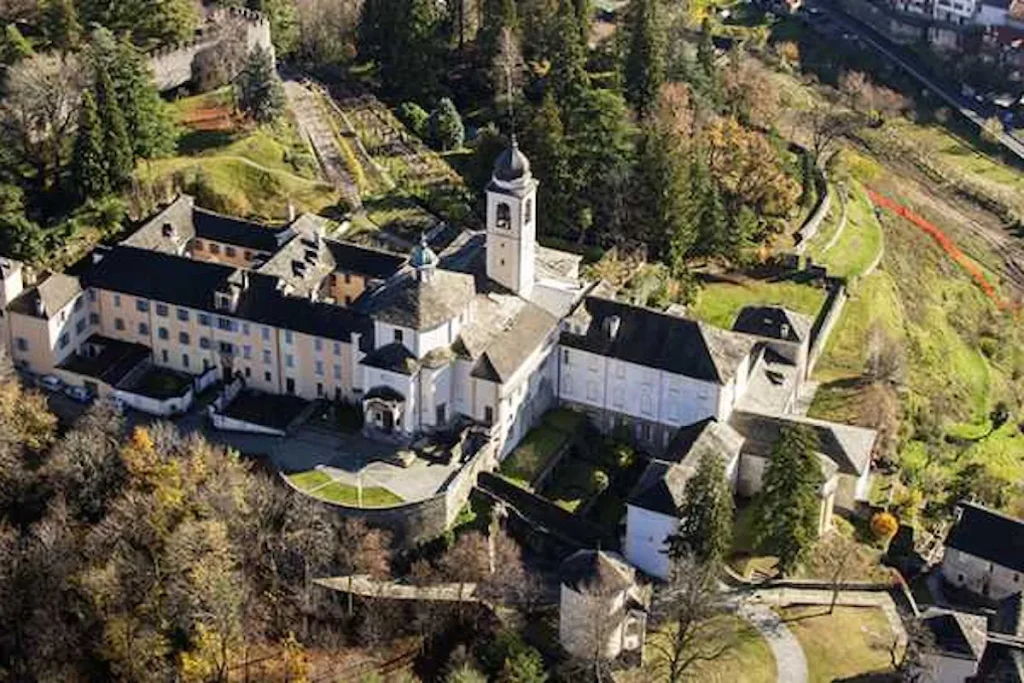
Another leading figure connected with Ossola’s history is the philosopher and theologian Antonio Rosmini, who in 1828 chose Domodossola’s Sacro Monte Calvario to found the Institute of Charity, the congregation still known today as the “Rosminians”. It was here, between 1832 and 1833, that Rosmini completed one of his most important works, “The Five Wounds of the Holy Church”.
A land steeped in history and wine
From Chavez’s flight to the partisan republic, and on to Cardini and Rosmini, Ossola tells a story of courage, ingenuity and resistance, always accompanied by the common thread of local wine, a constant presence in moments of celebration as well as in the most difficult times of its recent history.
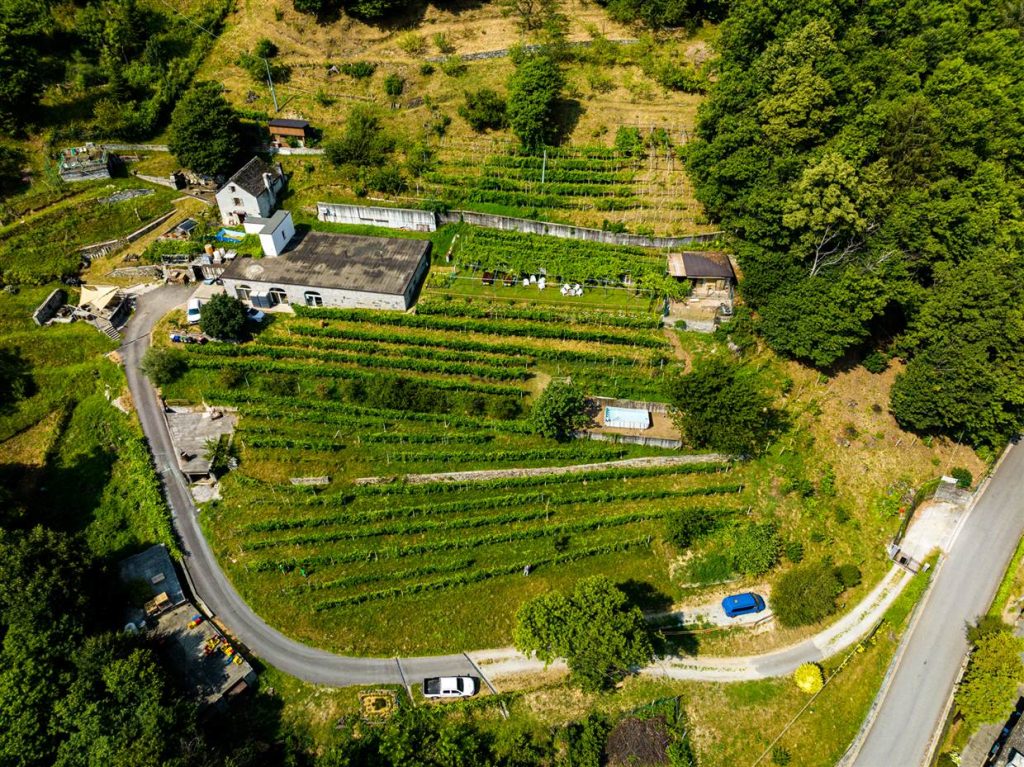
For those wishing to discover this area through its flavours too, a tasting among the vineyards of Ossola is a direct way to get to know the very land that gave birth to these figures.
Learning about these episodes helps explain why Ossola, despite being a geographically peripheral area, has produced figures and events capable of leaving their mark far beyond the valley’s borders: a thread linking the daring of an aviator, the courage of the partisans, the ingenuity of an emigrant chef and the depth of thought of a philosopher.