The wine tradition in Ossola is older than one might think, with roots in documents dating back more than seven hundred years.
A will from 1309
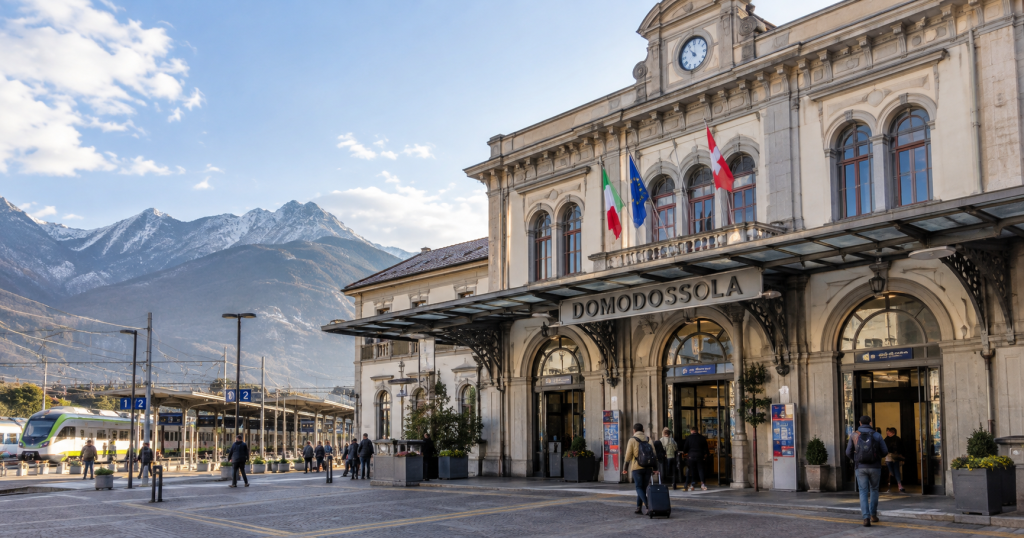
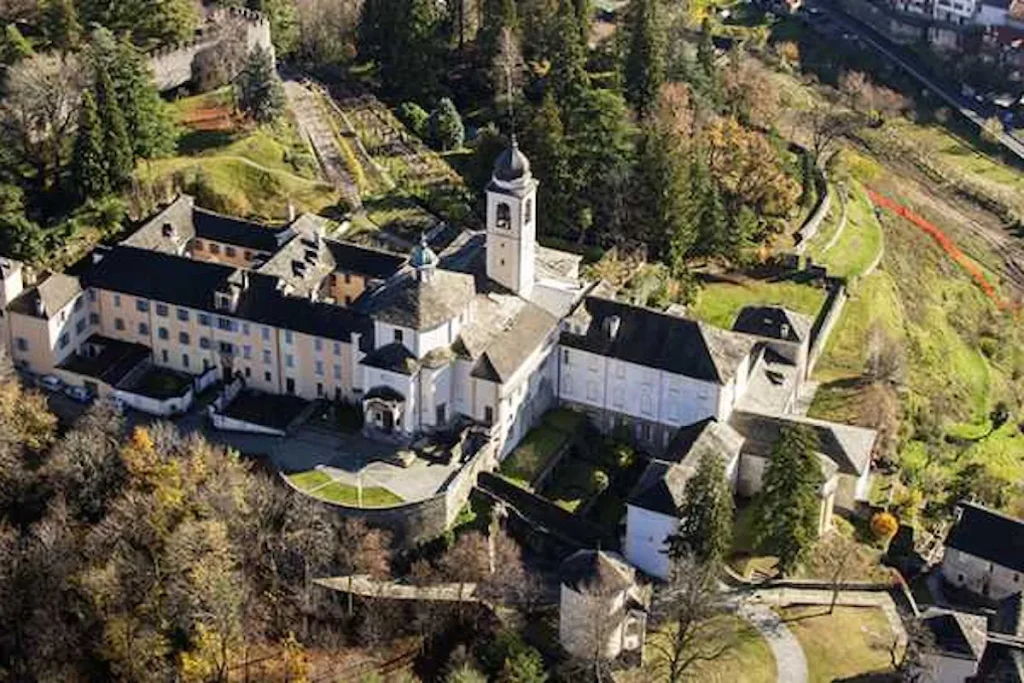
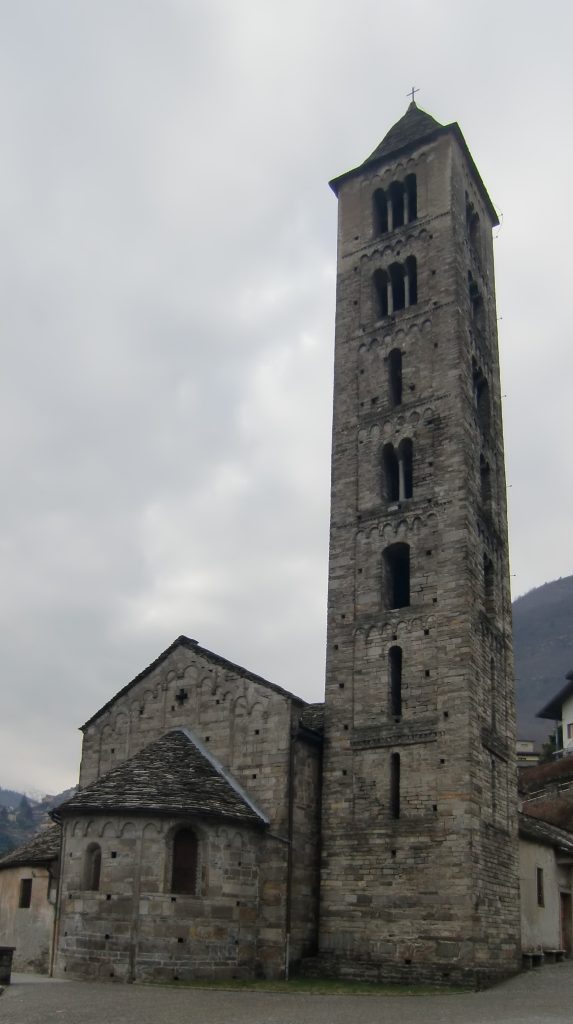
The oldest written record of Ossola wine and the Prünent grape variety dates back to a will dated 18 May 1309: Dumino di Pello, from Trontano, bequeathed nine staia of wine per year in perpetuity to the convent of Franciscan friars in Domodossola. The document specified that the wine had to come entirely from the Prünent vines in his vineyard and be intended exclusively for the celebration of Holy Mass: direct proof that, as early as the 14th century, Prünent was the native grape variety par excellence of the Val d’Ossola.
A clearly defined production area
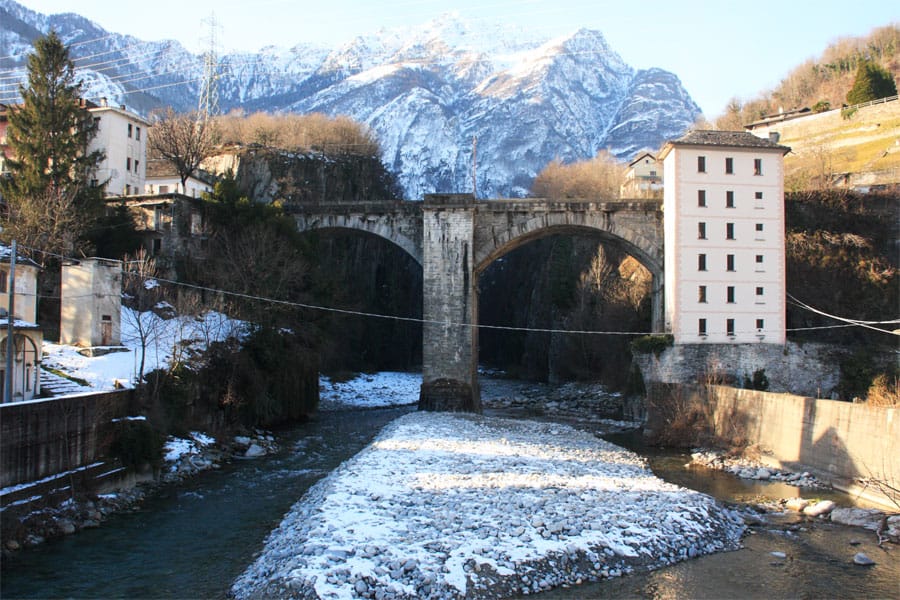
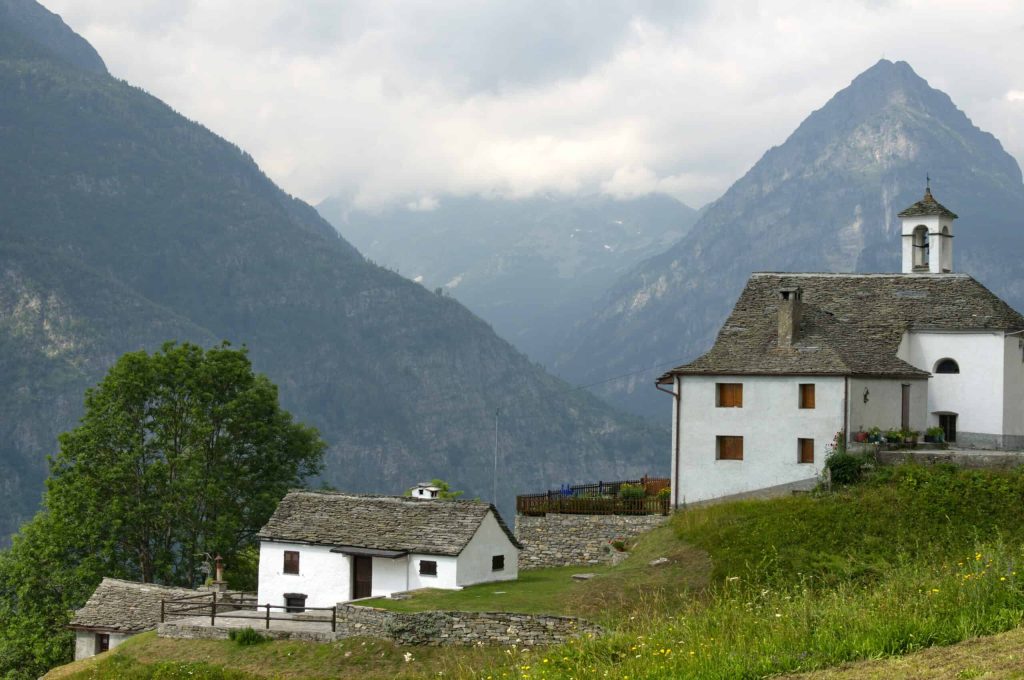
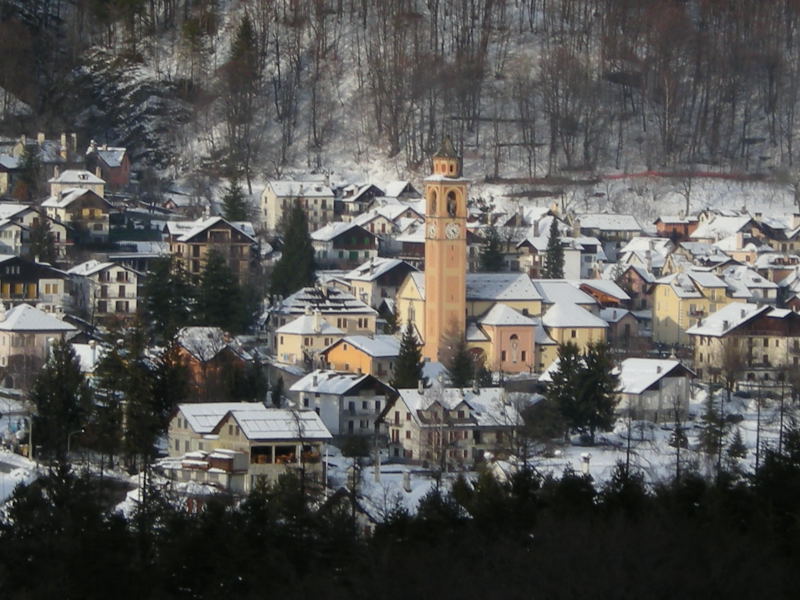
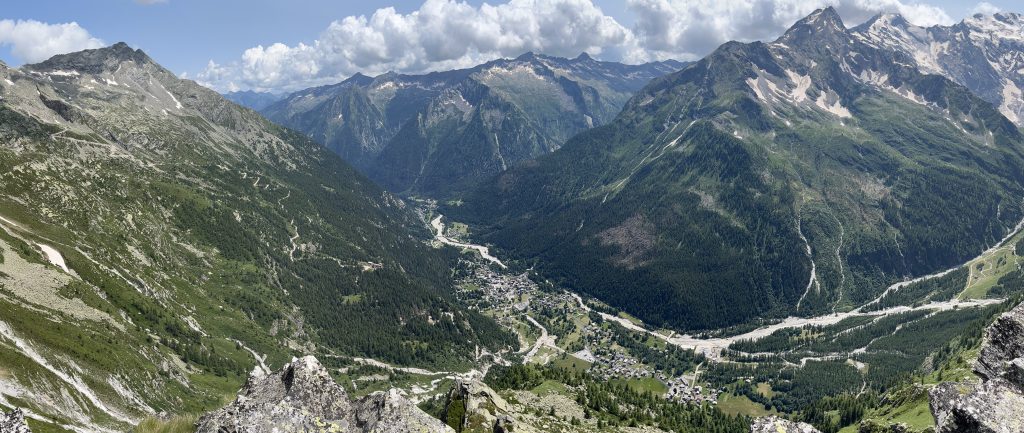
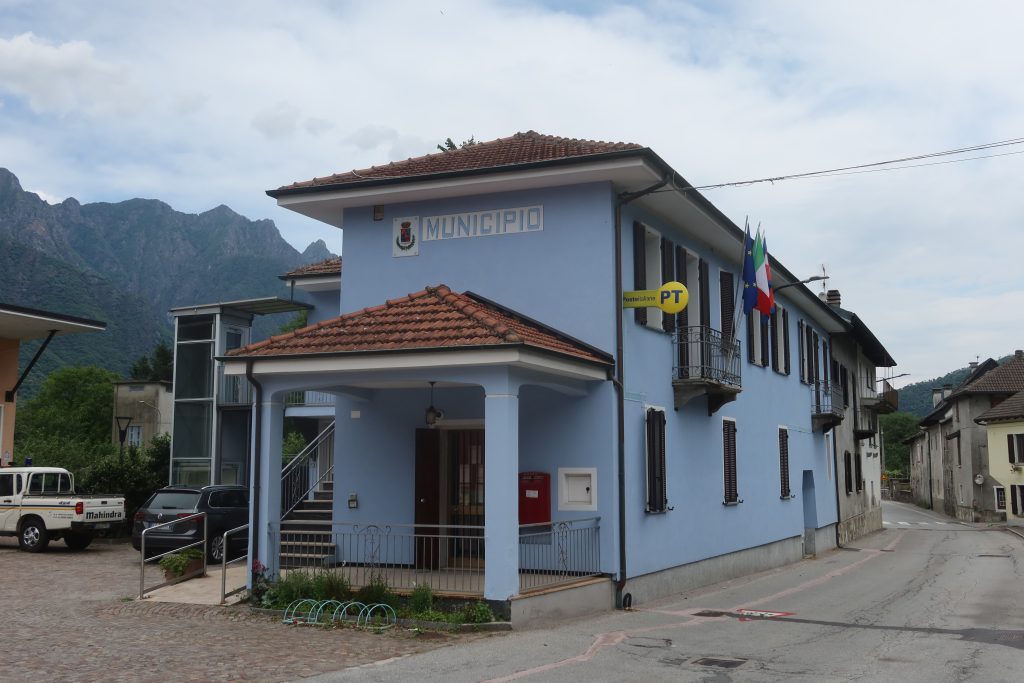
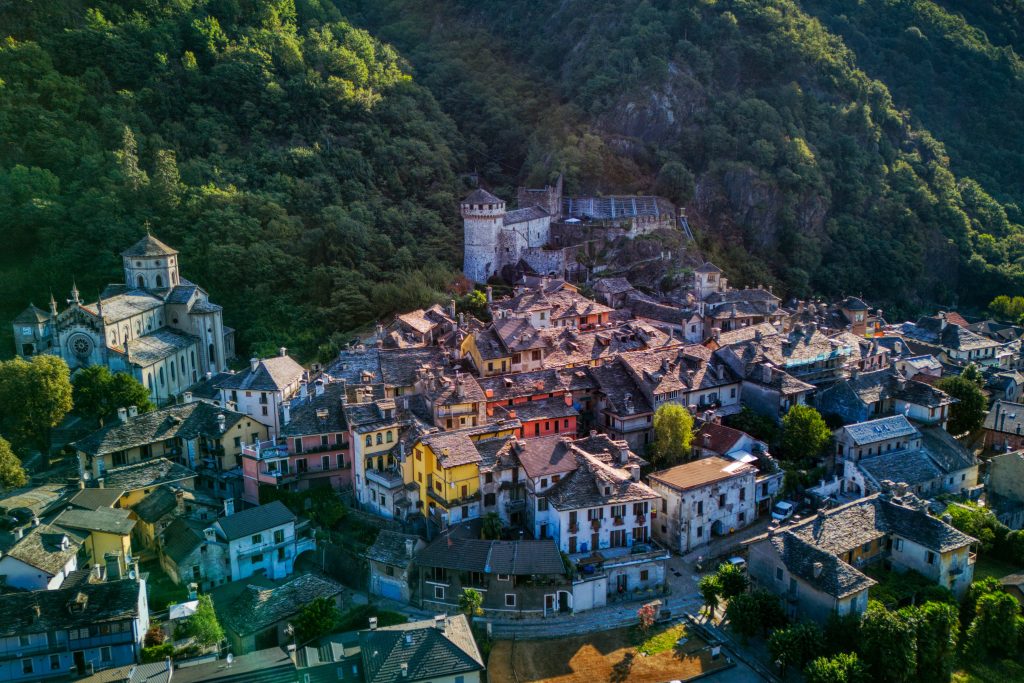
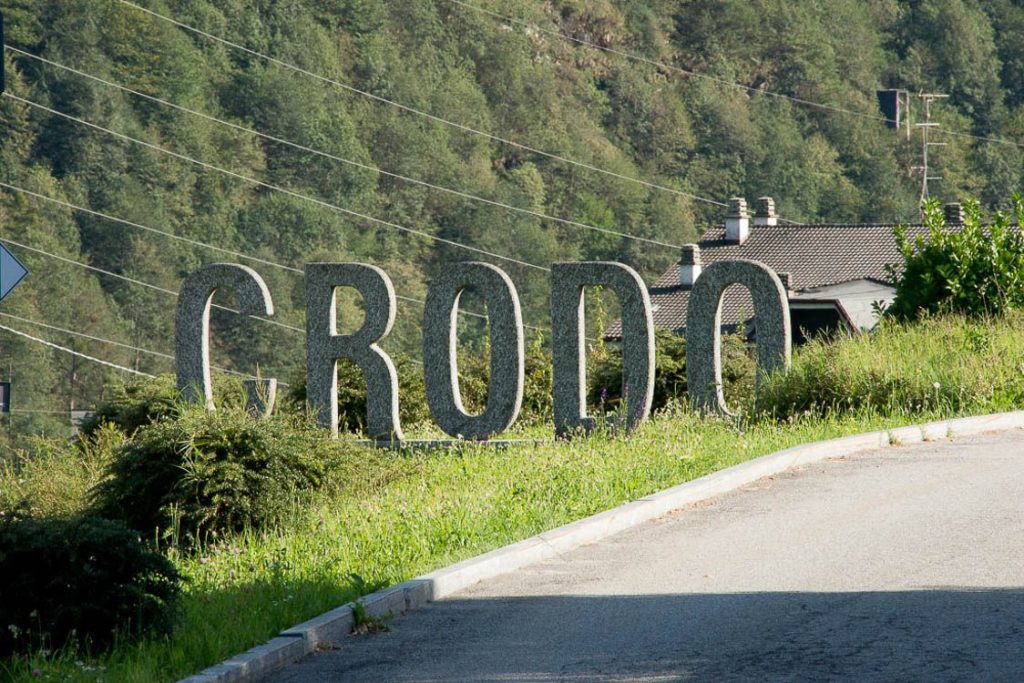
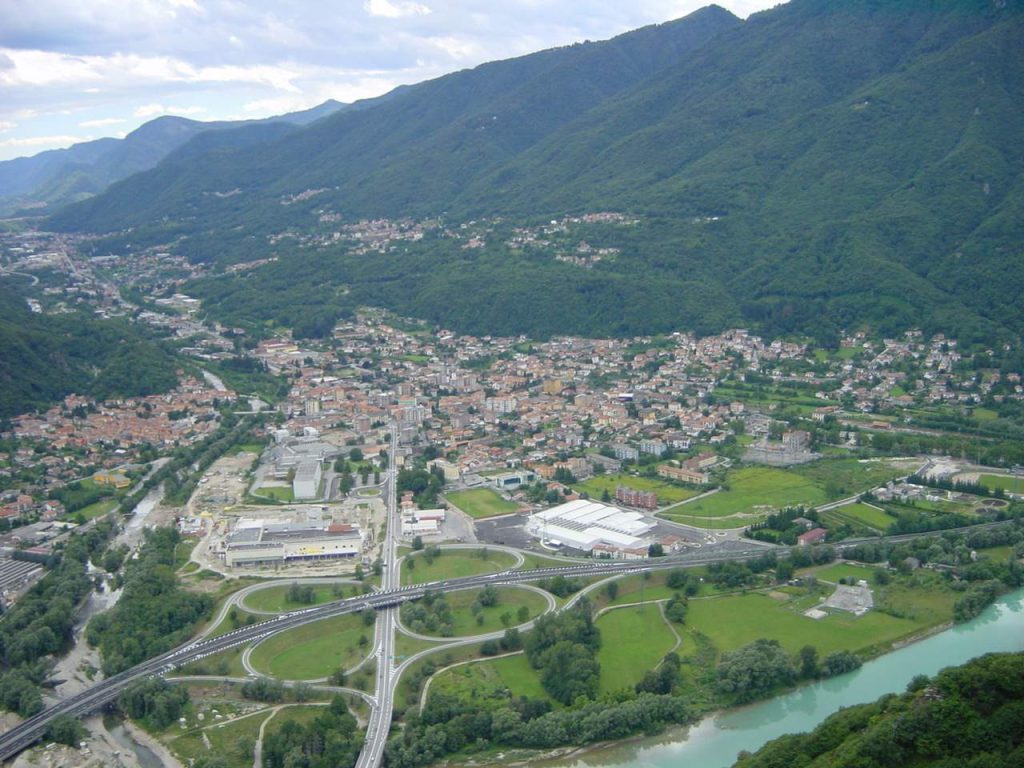
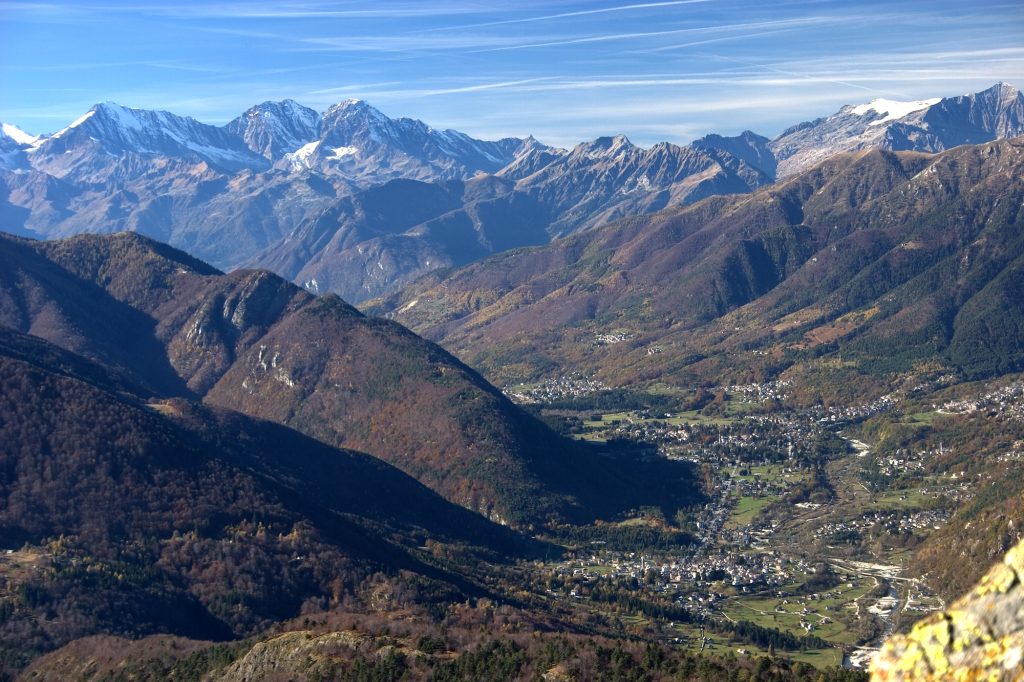
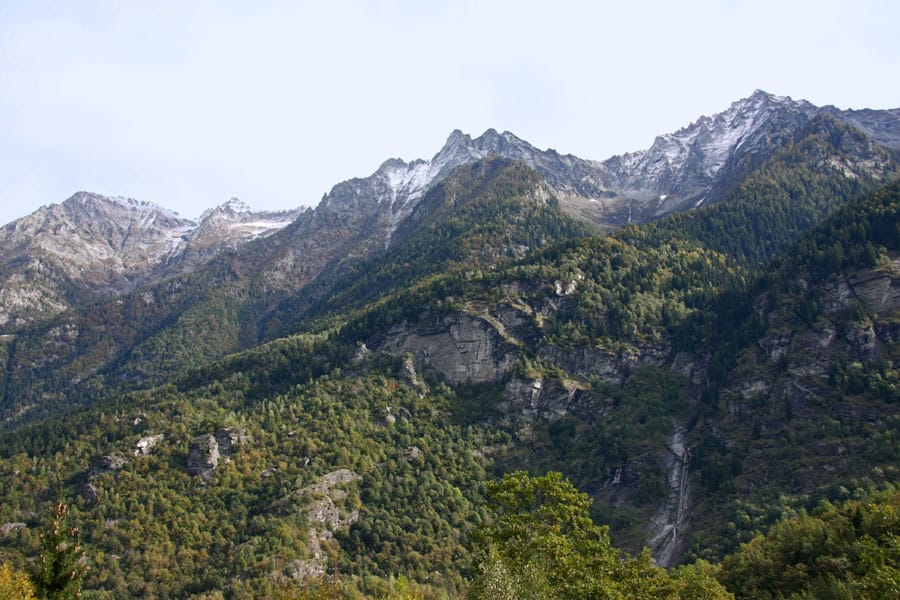
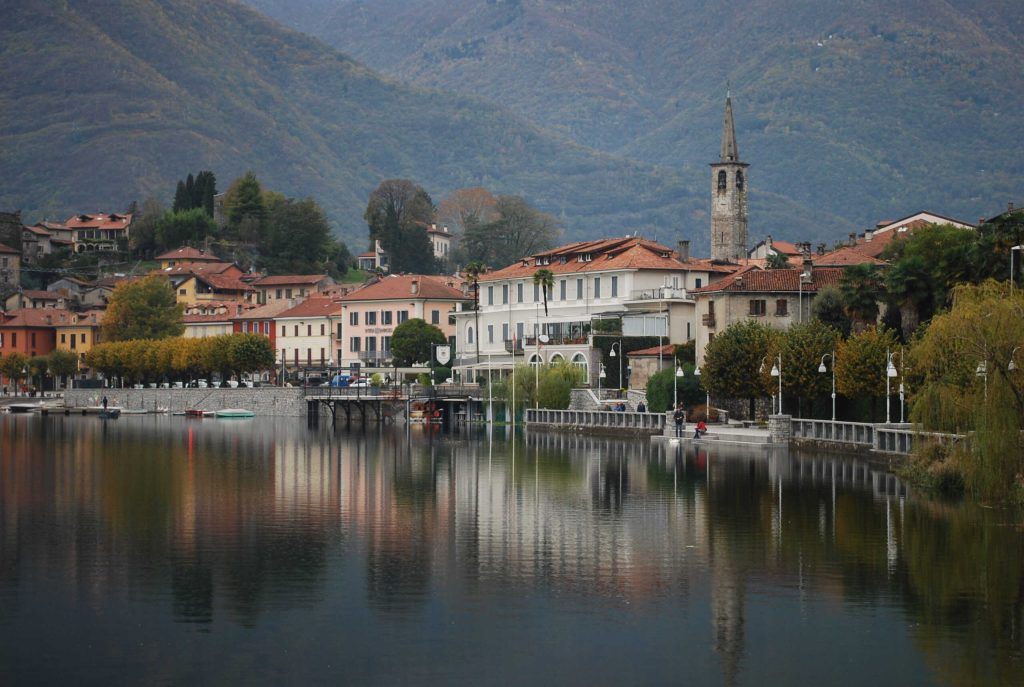
Over the centuries, Ossola viticulture has become established in a specific area, which today includes the municipalities of Beura-Cardezza, Bognanco, Crevoladossola, Crodo, Domodossola, Masera, Montecrestese, Montescheno, Pallanzeno, Piedimulera, Pieve Vergonte, Premosello-Chiovenda, Ornavasso, Trontano, Viganella, Villadossola and Vogogna: the area now recognised by the DOC Valli Ossolane.
From the Franciscan convent to today
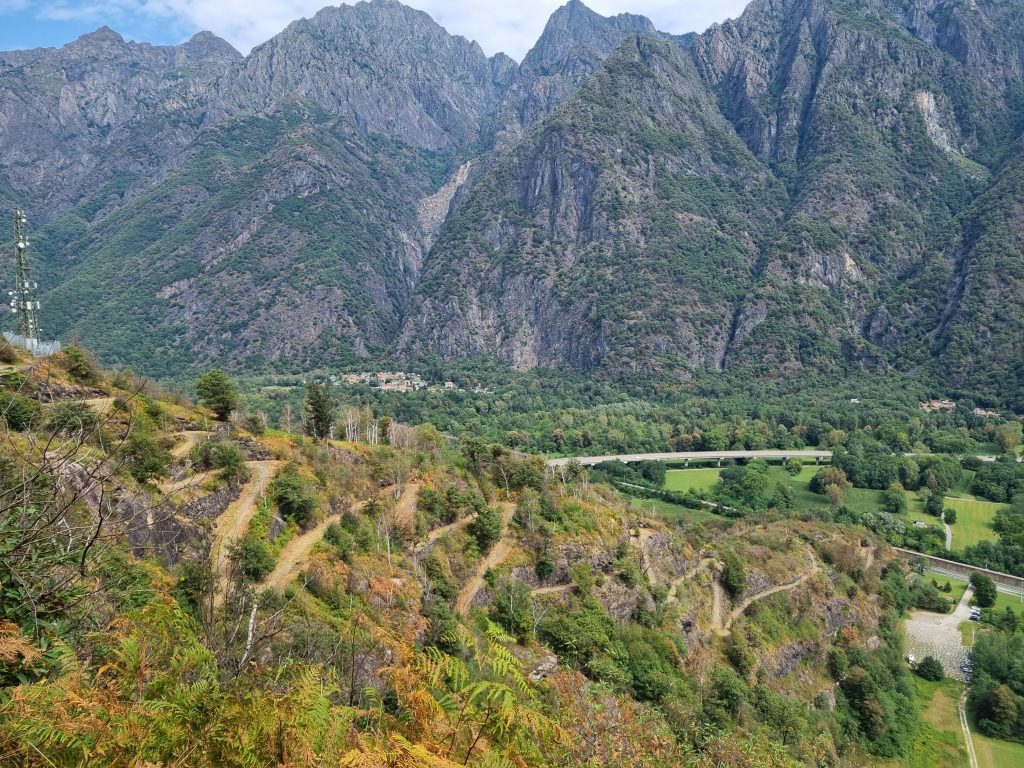
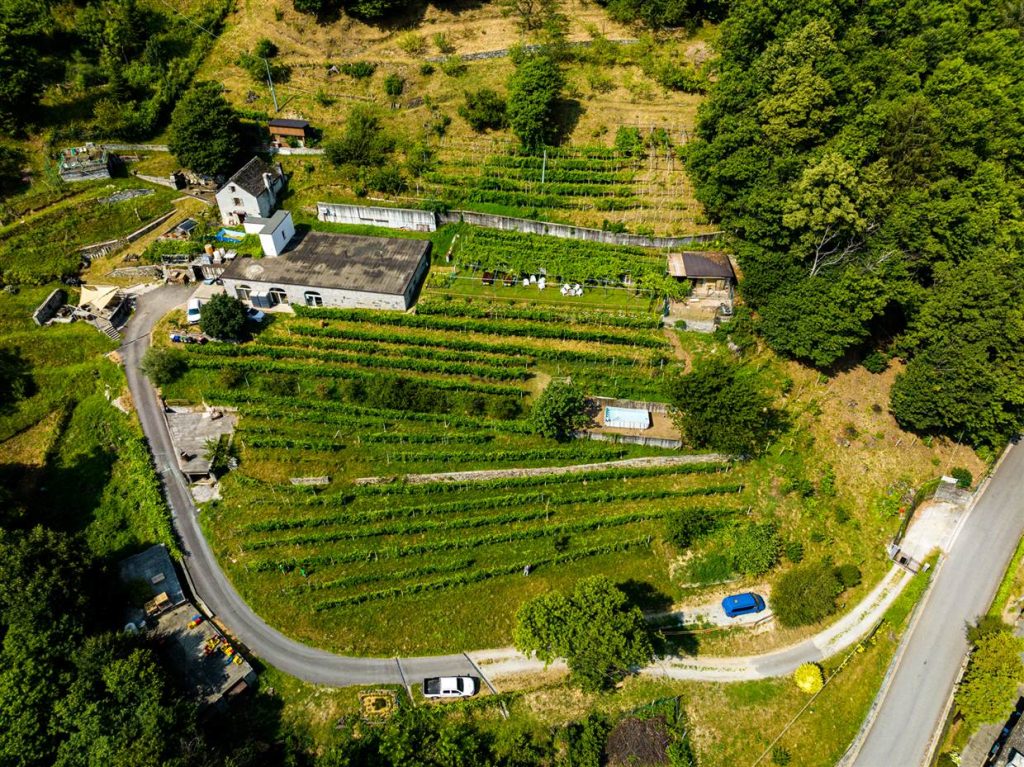
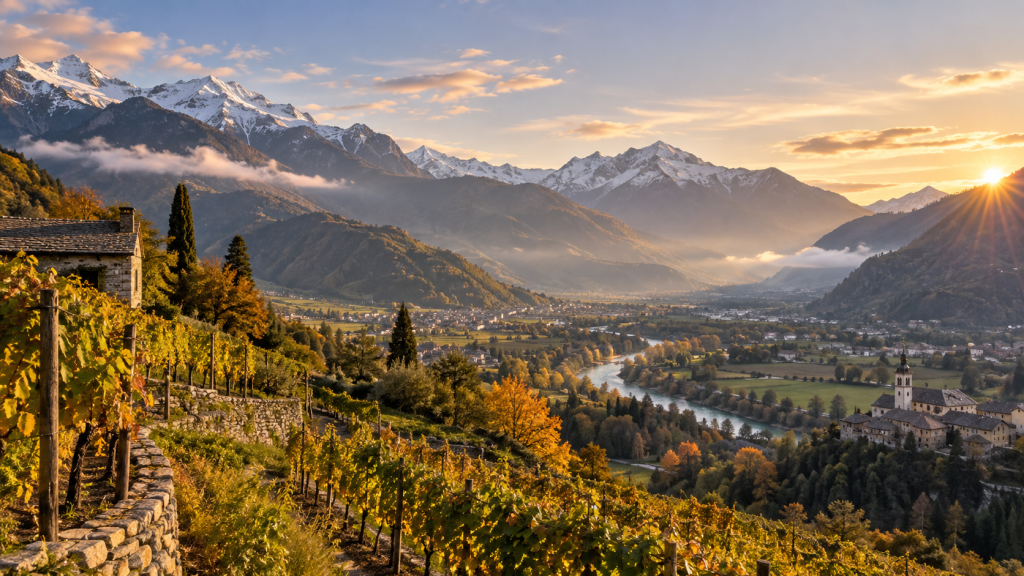
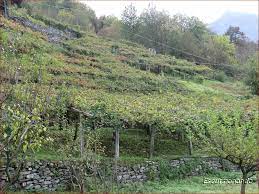
From Dumino di Pello’s will to the present day, the thread linking the territory to its native grape variety has never been broken: Prünent, an ancient clone of the noble Piedmontese Nebbiolo, continues to be cultivated on the same terraced slopes that centuries ago supplied wine for the Mass of the Domodossola friars.
A history to taste
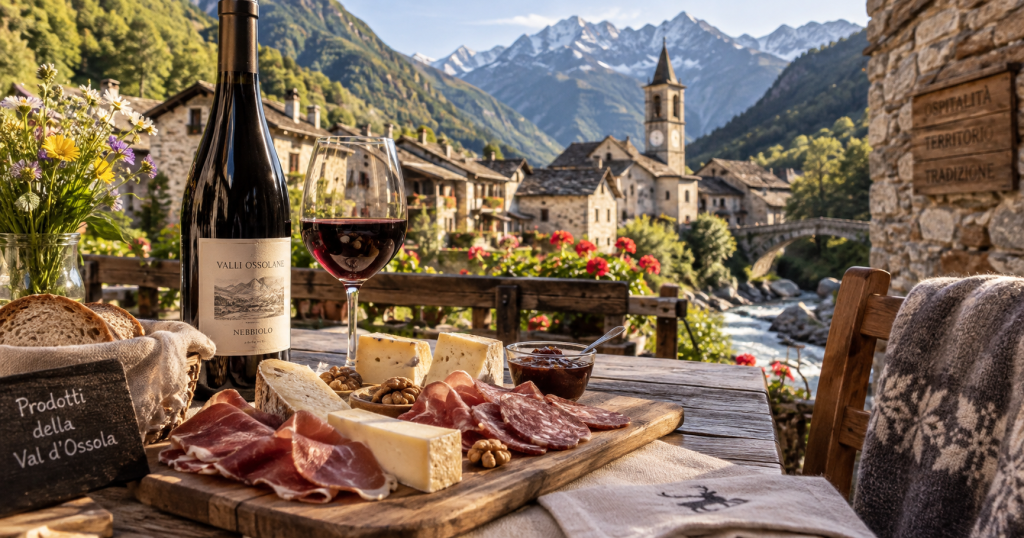
For those wishing to retrace this history with their senses, a tasting at the winery is the most direct way to discover a wine that has accompanied Ossola for more than seven hundred years.
A heritage to rediscover, vineyard by vineyard
Each municipality in the DOC Valli Ossolane preserves small distinctive features in vine cultivation, the result of centuries of adaptation to different microclimates and exposures: a mosaic of local knowledge that makes Ossola’s winemaking tradition far richer than its numerical scale might suggest, and which would deserve more in-depth documentation than is currently available.
A heritage recognised at European level
Recognition of the DOC Valli Ossolane, together with the work of individual producers, has in recent years helped make this tradition known beyond regional borders too, through participation in national and international wine fairs and competitions: a journey still under way, but one that is gradually restoring to Ossola wine the visibility its history deserves.
A future that looks to the past
Today’s producers of the DOC Valli Ossolane are increasingly looking to this centuries-old past as a source of inspiration, reviving traditional cultivation techniques and historic grape varieties in a path that combines winemaking innovation with respect for the legacy left by generations of Ossola winegrowers.
Seven hundred years of history, in every glass poured.
Seven hundred years of history, in every glass carefully poured.
One final note: every bottle produced in the Val d’Ossola today ideally carries with it the echo of that will of 1309, which was the first to recount the bond between this land and its wine.
Seven hundred years of history, in every glass carefully poured.
Seven hundred years of history, poured into every glass.
A heritage to tell
Ossola’s long winemaking tradition is not merely history found in books: it survives tangibly in the terraced vineyards still under cultivation, in restored old cellars and in the work of those who continue to produce wine on these slopes today. Each generation has had to face different challenges, from phylloxera to the abandonment of rural areas in the 20th century, through to the more recent revival linked to food and wine tourism.
Visiting a local winery today therefore also means coming into contact with this centuries-long history, made up of continuity and revival, in which every bottle tells part of the story of the relationship between people and the mountains.
This historical continuity makes every winery visit an opportunity to gain a better understanding of the deep roots of Ossola viticulture.