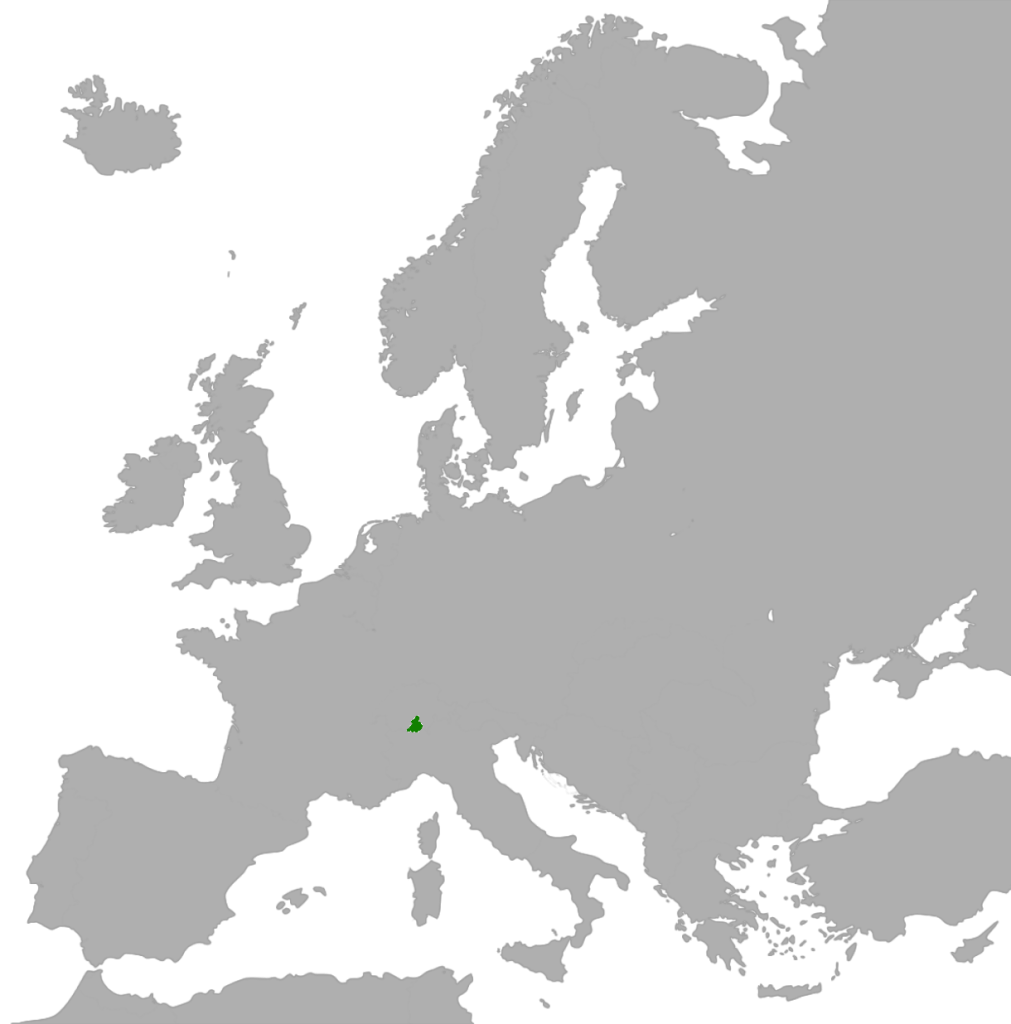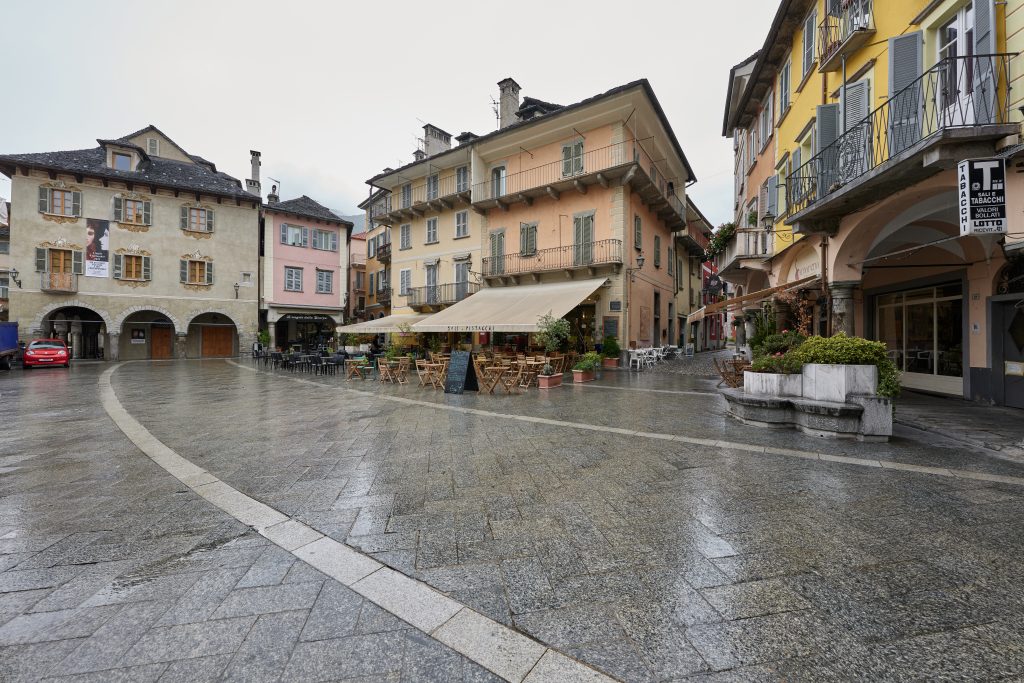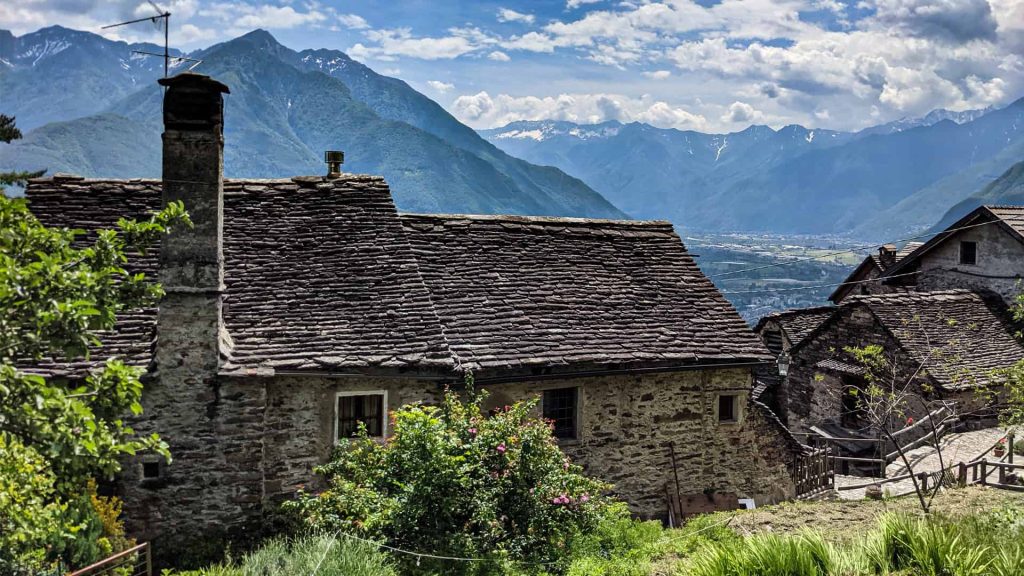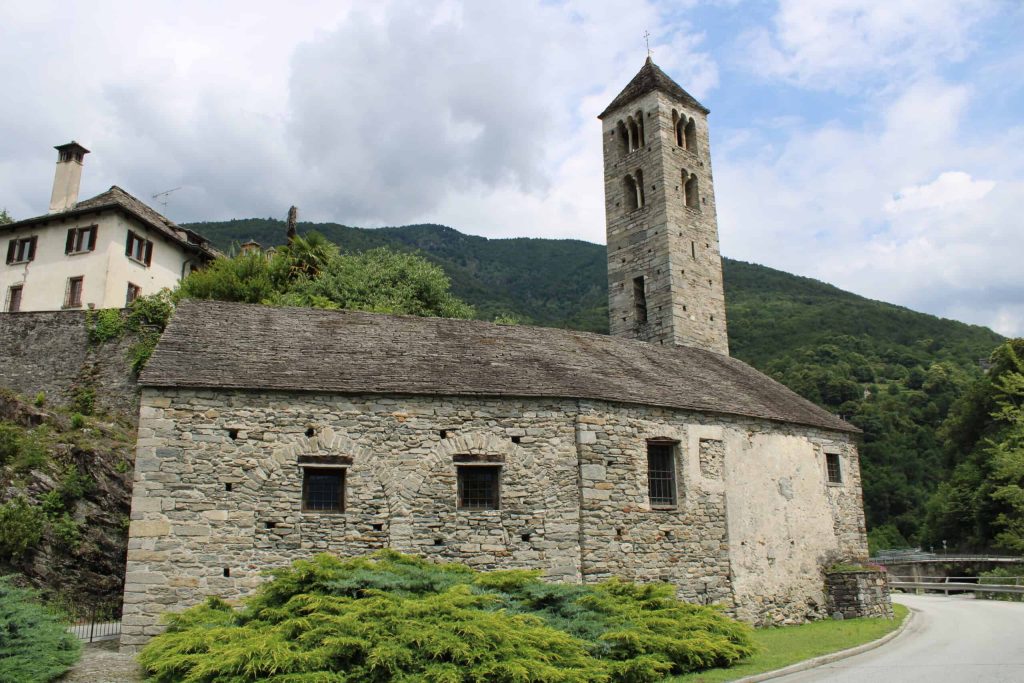
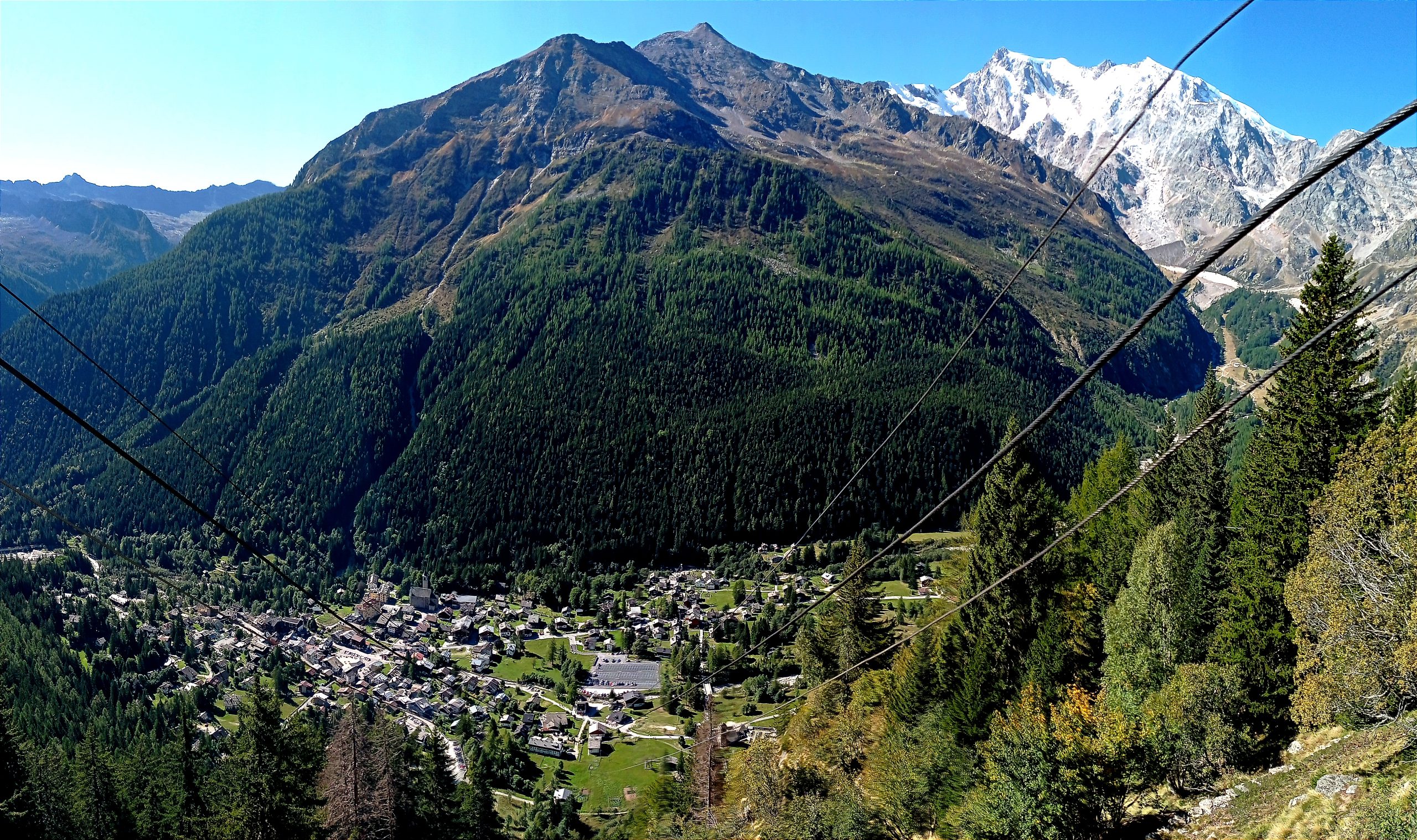
The Monte Rosa and Macugnaga are the symbols of the Anzasca Valley: the second-highest peak in the Alps and one of the most evocative Walser villages in the Ossola Valley.
Where is Anzasca Valley located?
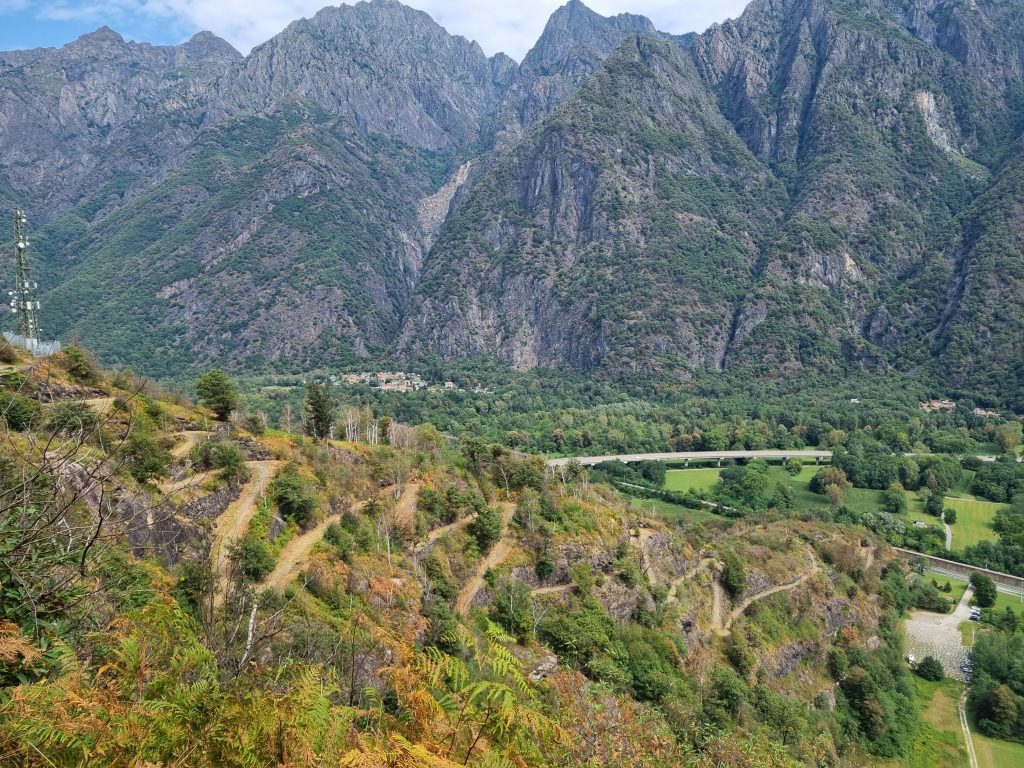
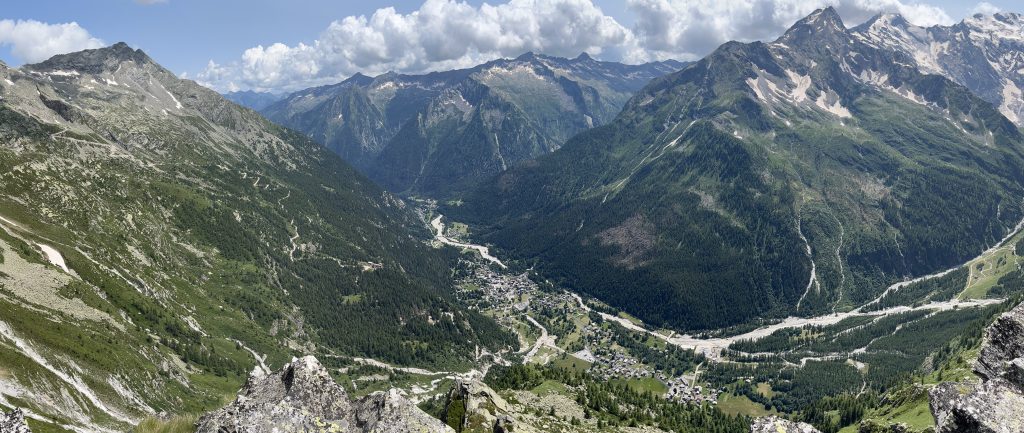
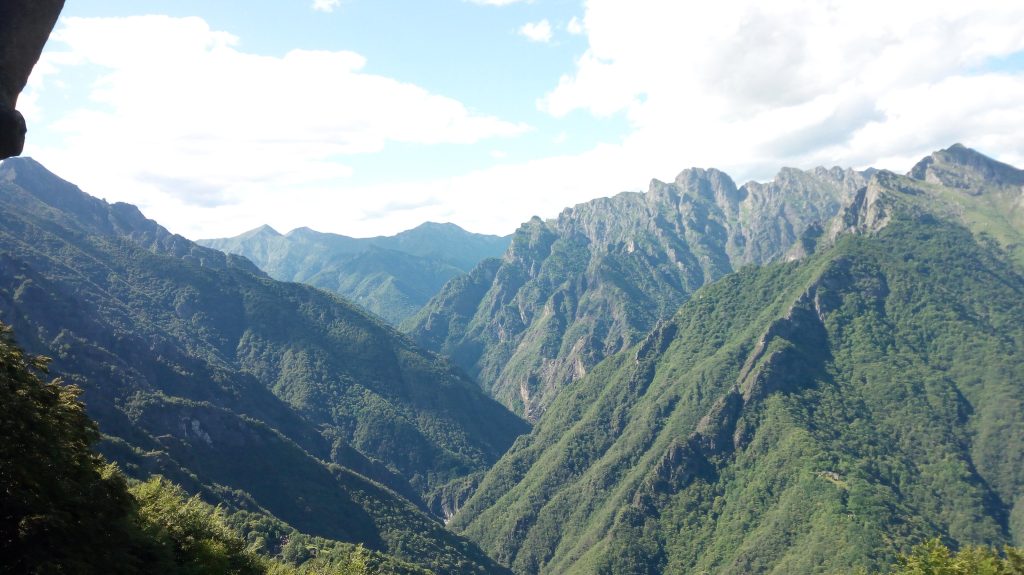
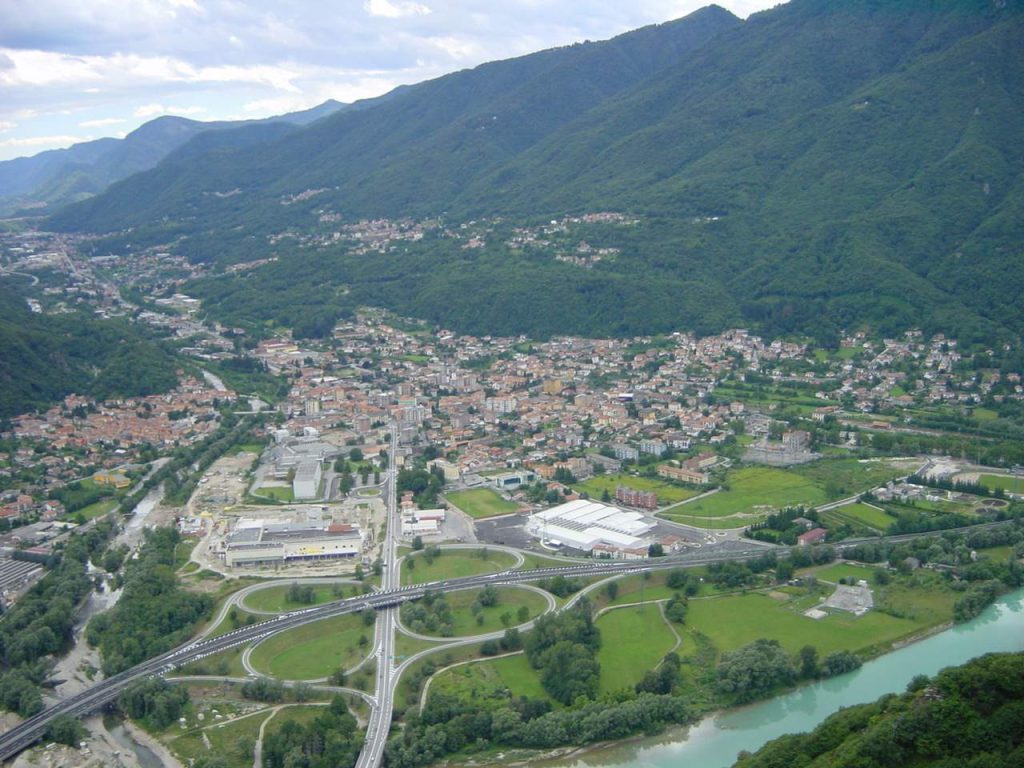
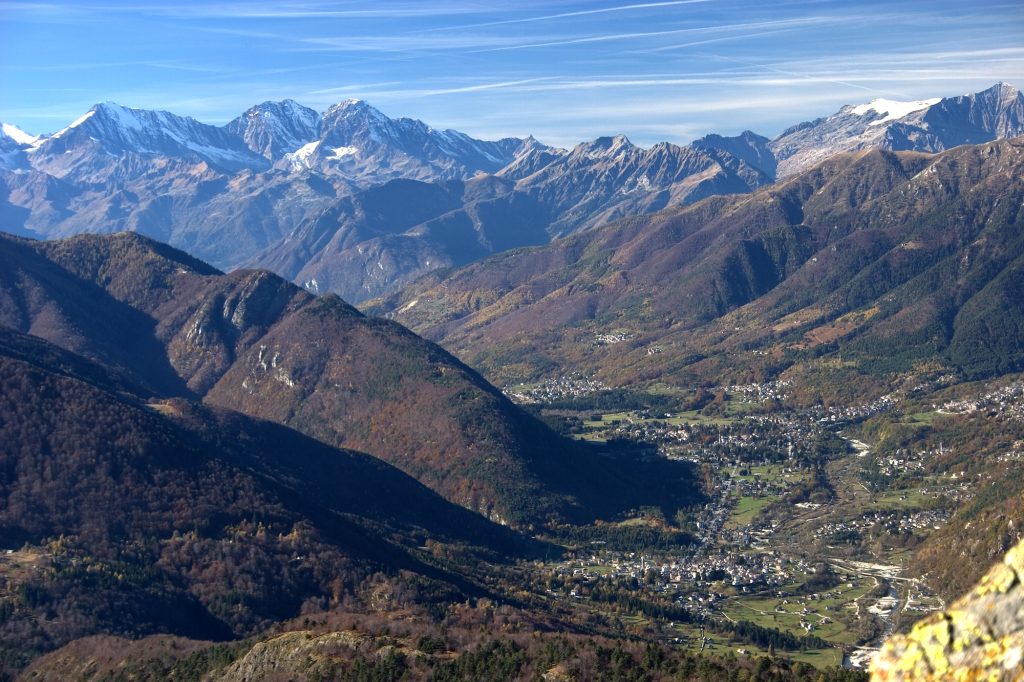
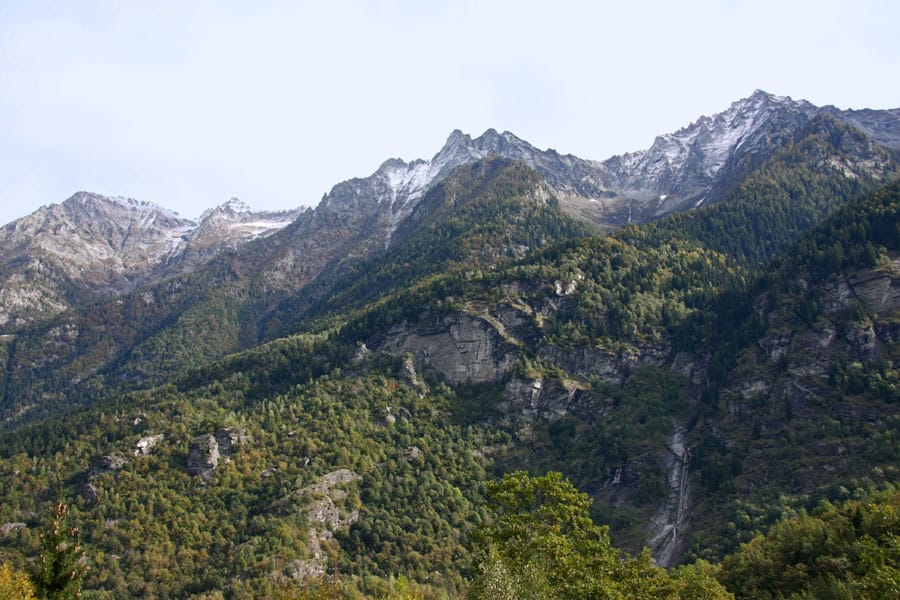
Anzasca Valley stretches from Piedimulera to Macugnaga, at the foot of Monte Rosa’s east face. It is one of the most visited and photographed valleys in the entire Ossola Valley, a destination in both summer and winter.
Monte Rosa and its east face
At 4,634 metres, Monte Rosa is the second-highest peak in the Alps after Mont Blanc. Its east face, which overlooks Anzasca Valley, is one of the highest and most imposing rock faces in the entire Alpine range.
Macugnaga, the Walser village
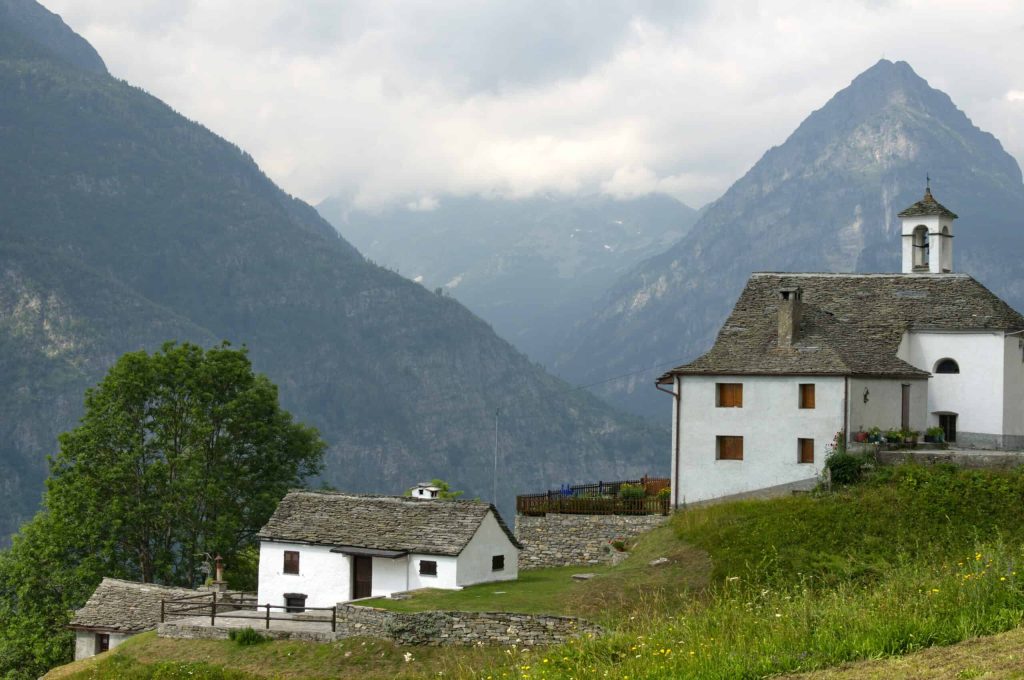
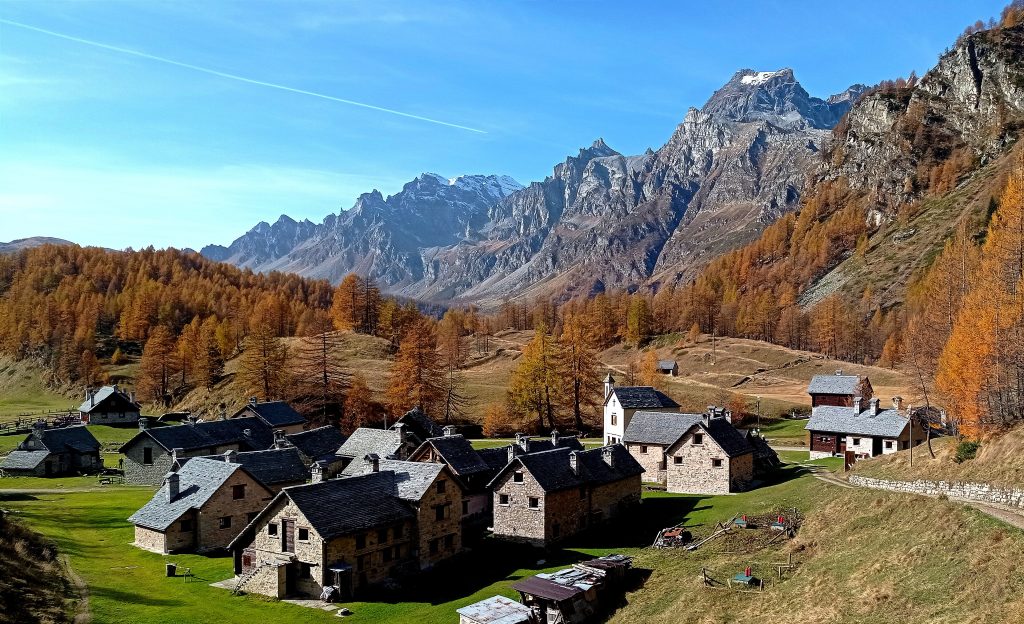
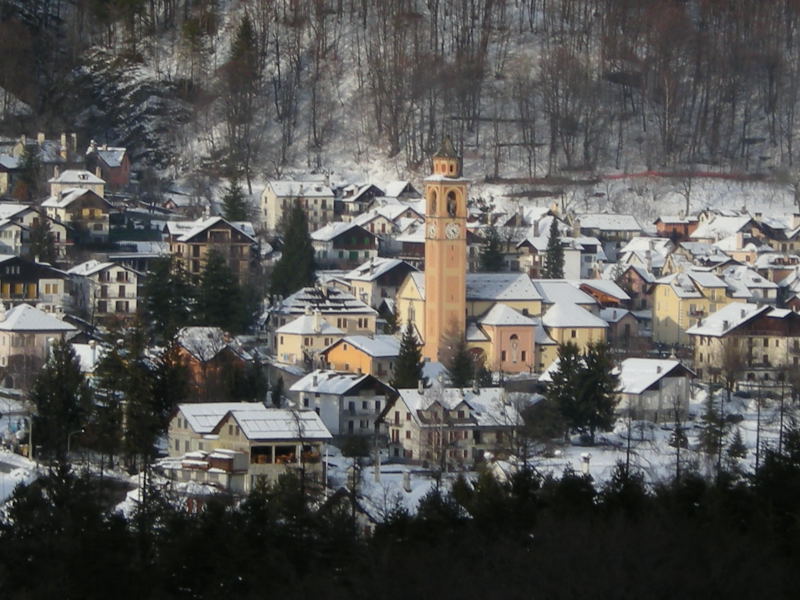
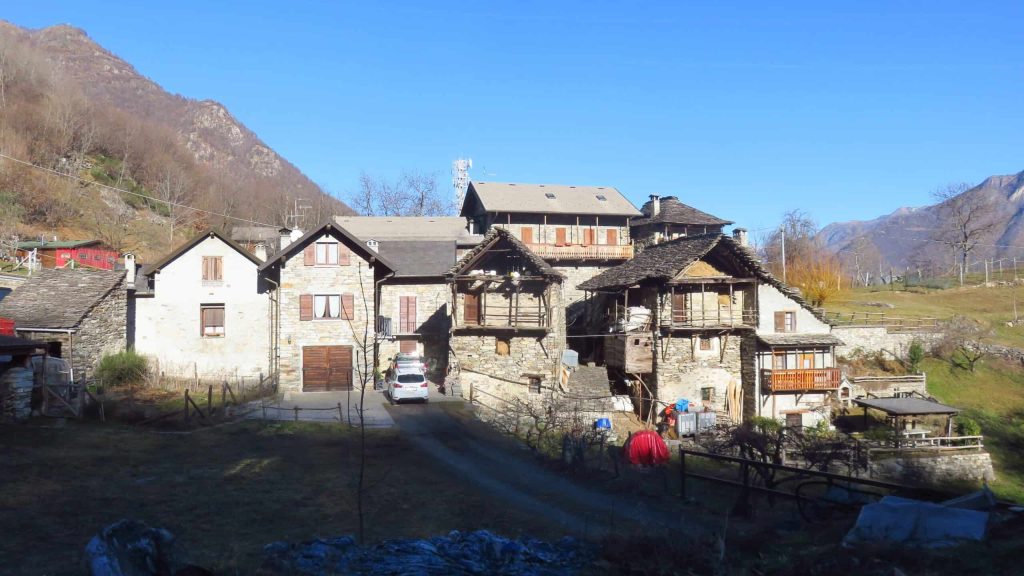
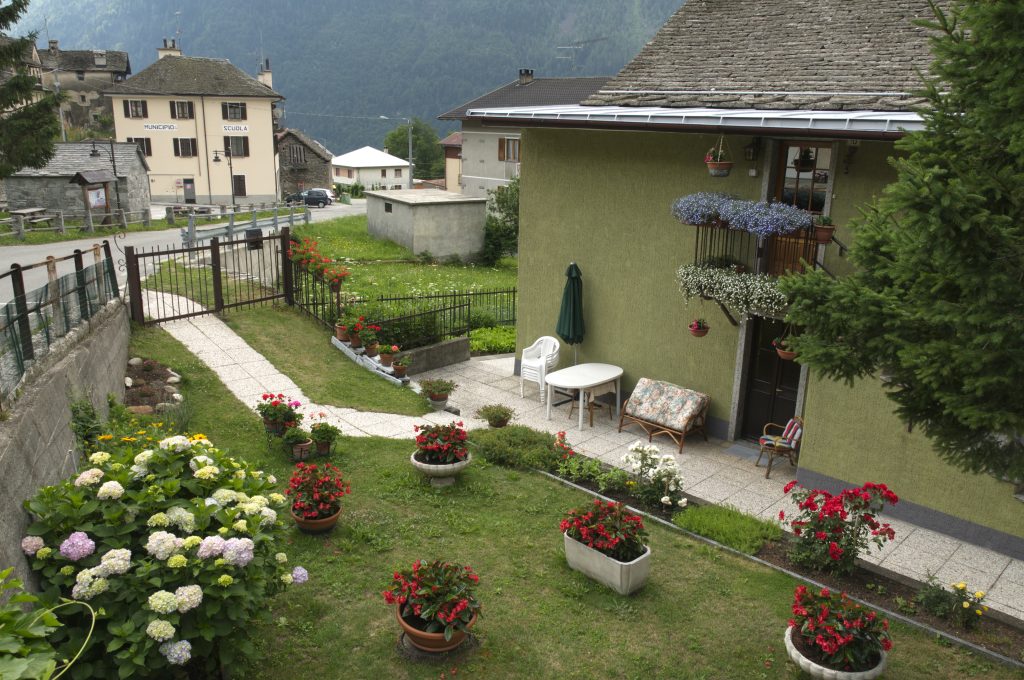
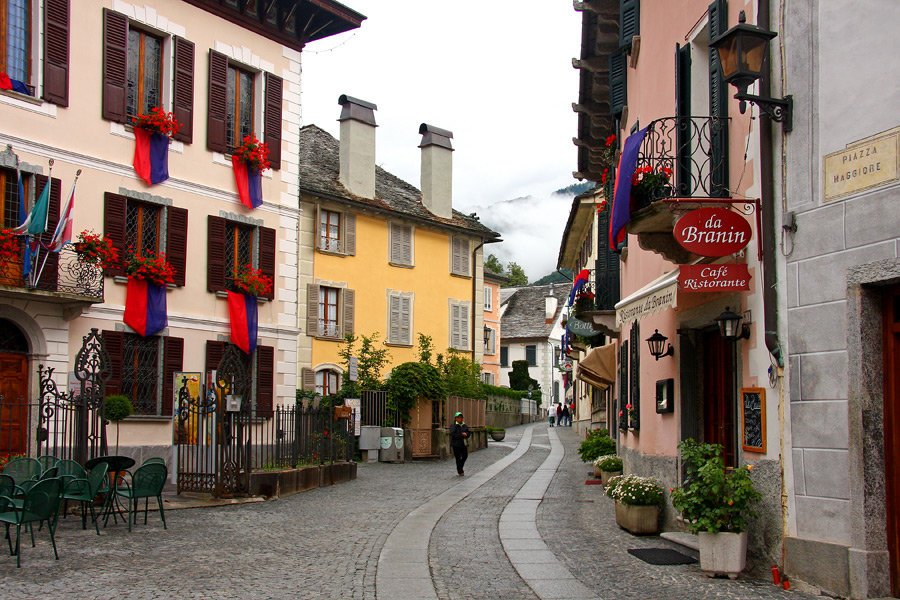
At the foot of Monte Rosa lies Macugnaga, an ancient settlement of the Walser people, a community of Germanic origin that colonised several Alpine valleys from the Middle Ages onwards. Its distinctive wooden and stone houses make it one of the valley’s most characteristic villages.
What to see in Anzasca Valley
- Monte Rosa’s east face, visible from various points in the valley
- The Walser village of Macugnaga, with its traditional houses
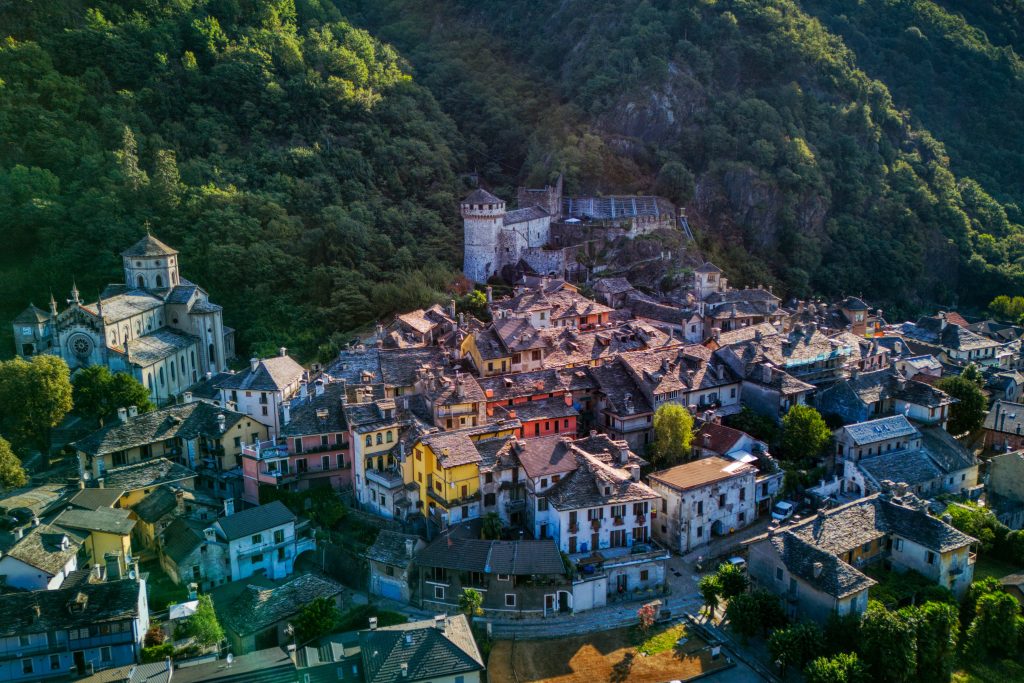
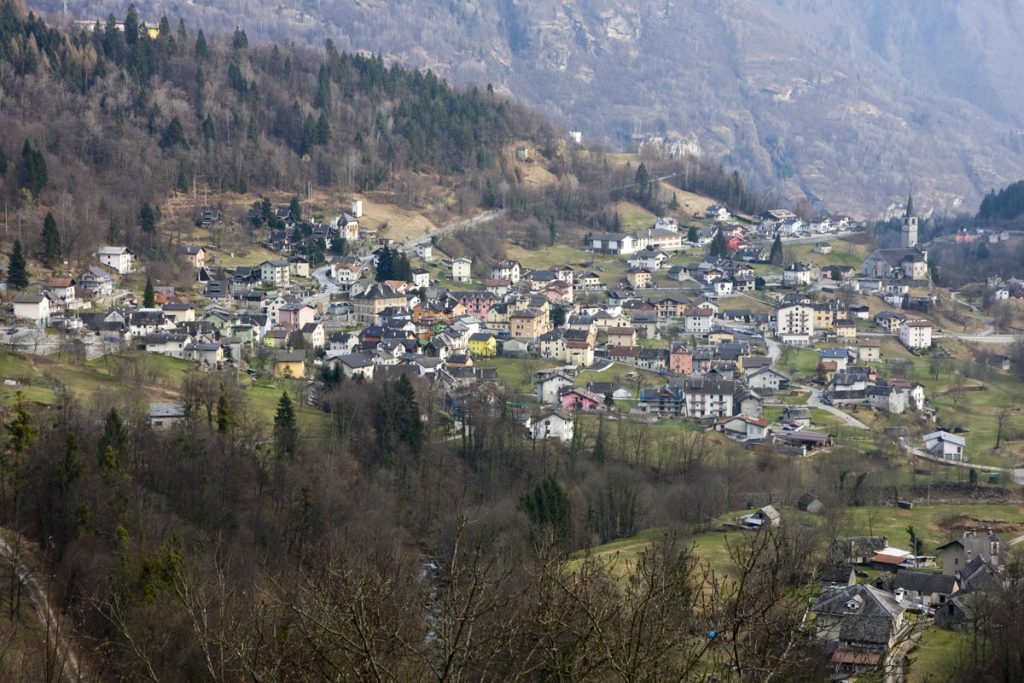
- The small villages and hamlets that mark the ascent through the valley
Anzasca Valley and the Ossola Valley
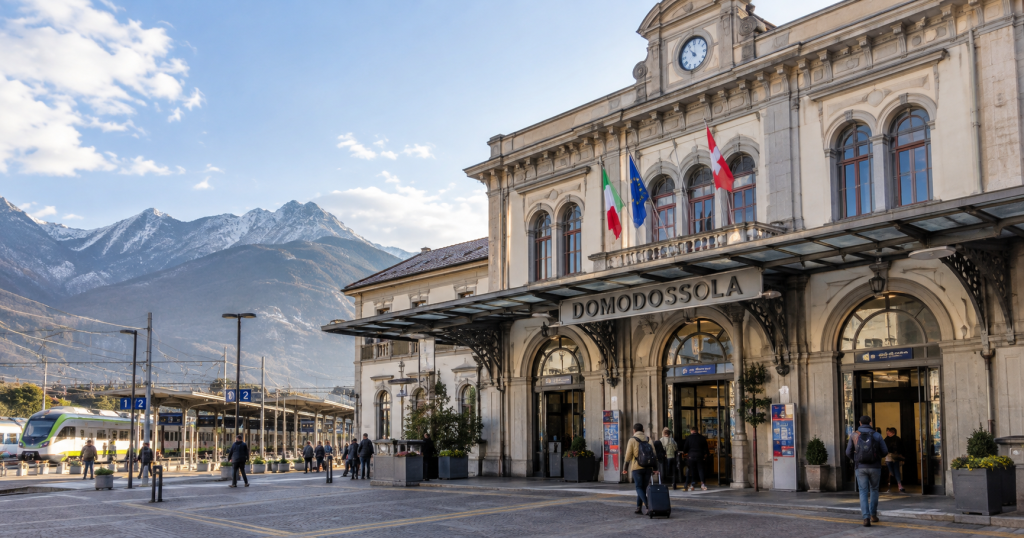
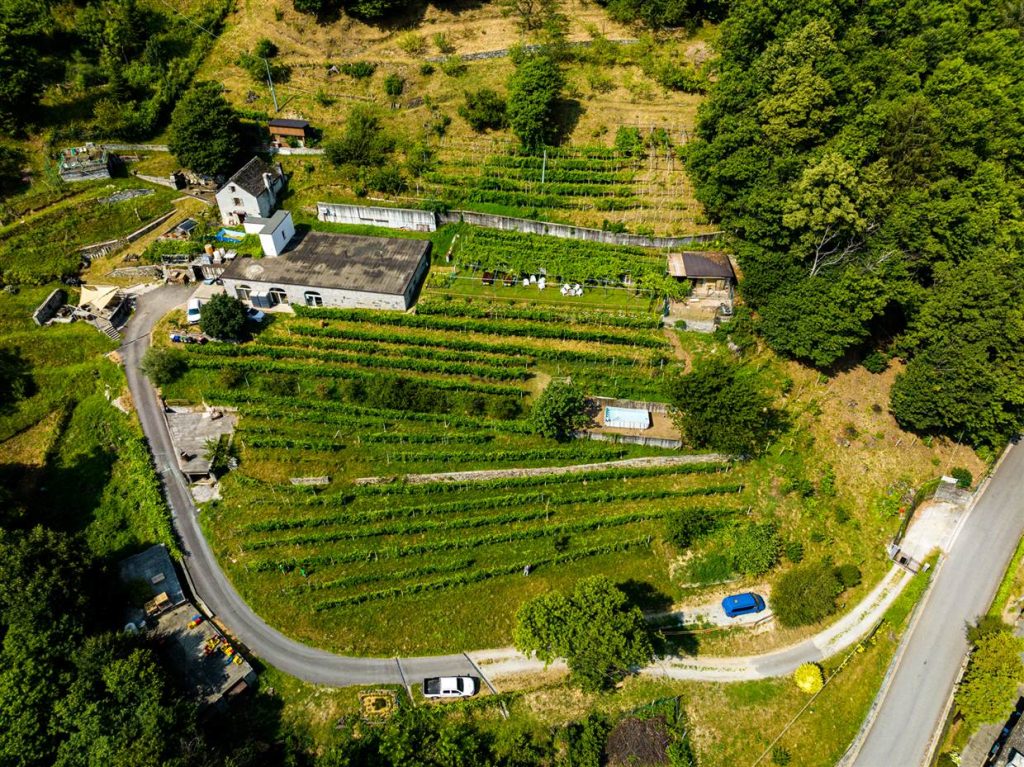
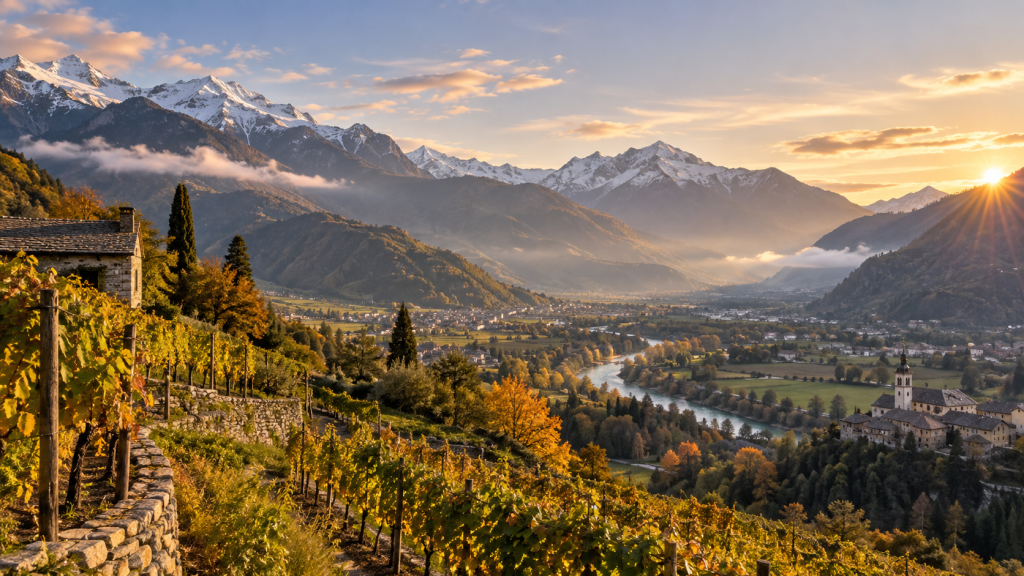
Those visiting Anzasca Valley can easily combine their trip with a stop in Domodossola, the gateway to the valley: an opportunity to discover the Ossola wine-growing area and its tastings and experiences among the vineyards.
Six municipalities along the Anza stream
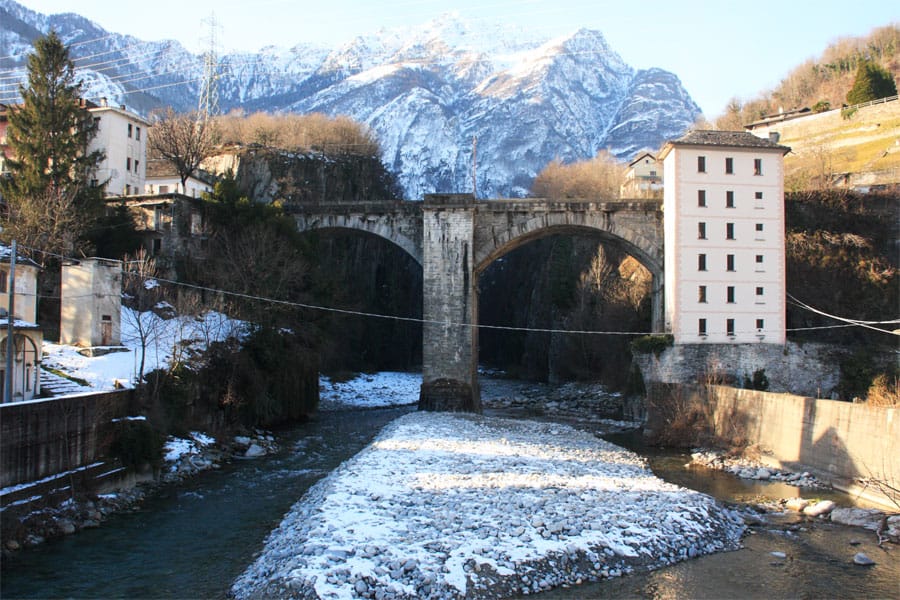
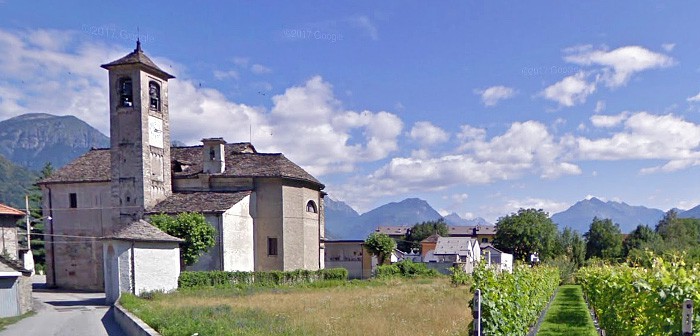
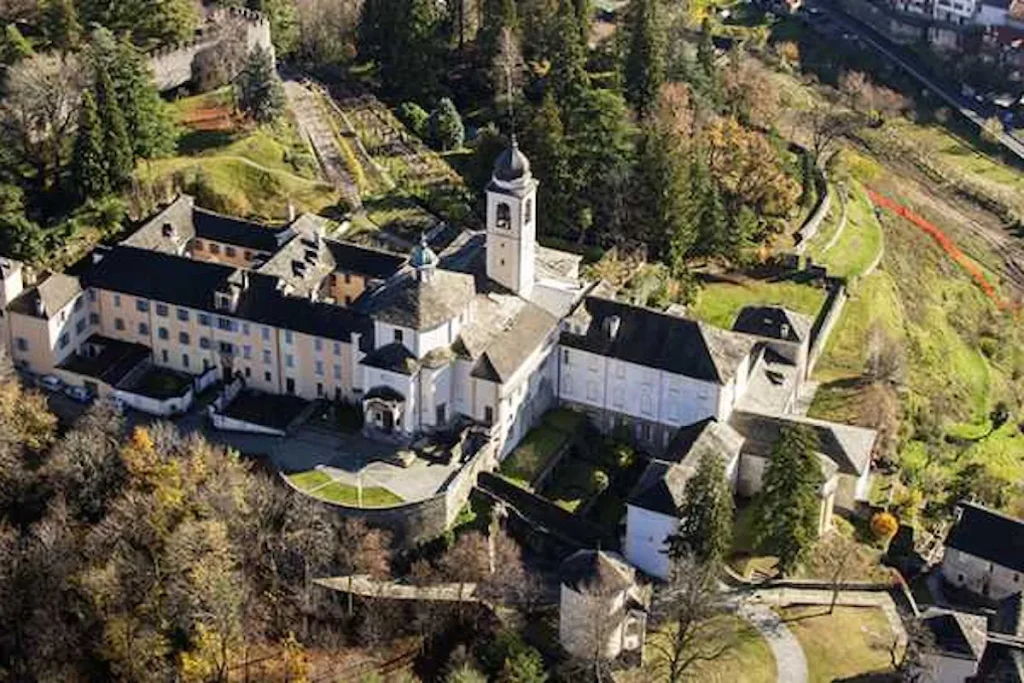
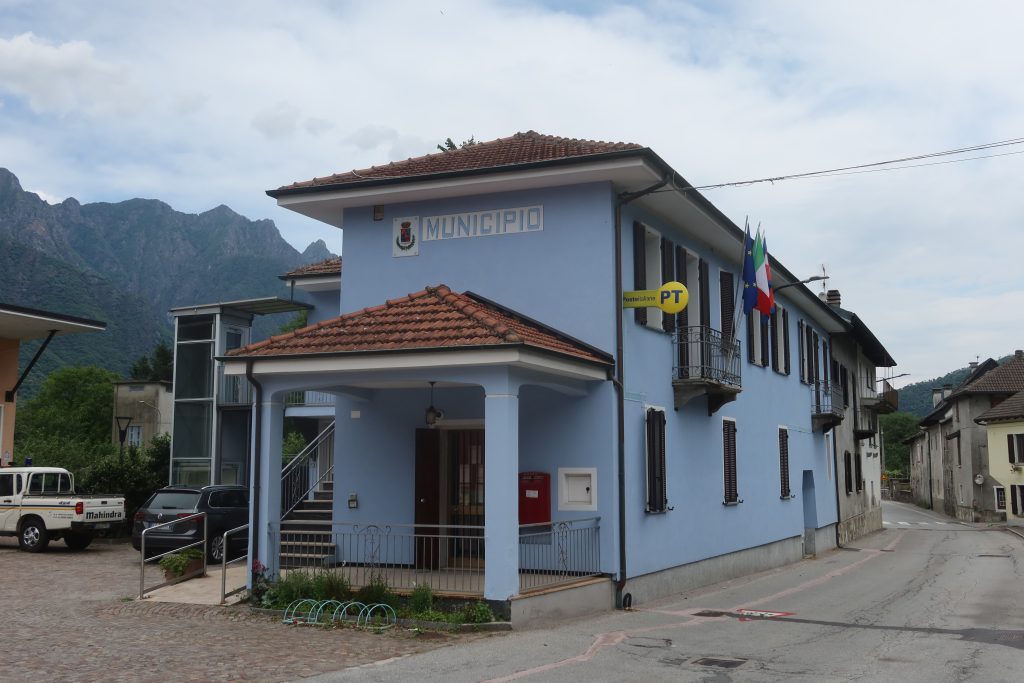
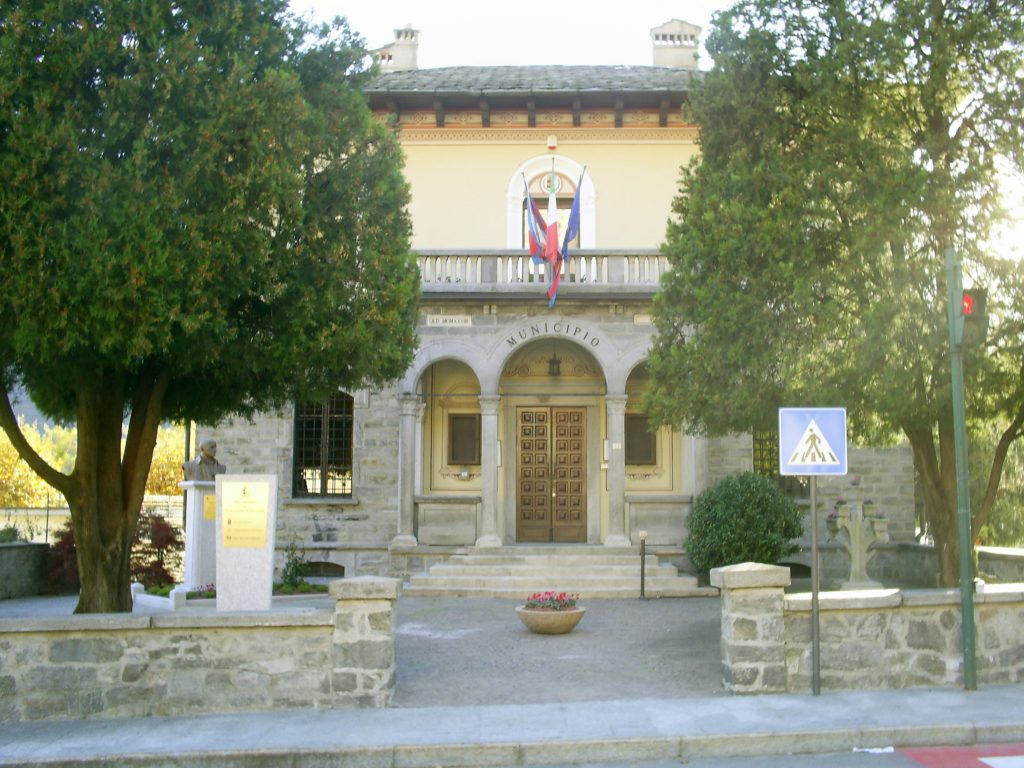
Anzasca Valley is crossed for around 35 km by the Anza stream, a right-bank tributary of the Toce, and is politically divided into six municipalities: Piedimulera, Calasca-Castiglione, Bannio Anzino, Vanzone con San Carlo, Ceppo Morelli and Macugnaga. Bannio, the valley’s thousand-year-old capital, joined Anzino only in 1929, while Calasca and Castiglione, overlooking a sunny natural terrace facing Monte Rosa, merged into a single municipality in 1928, while retaining the distinctive character of traditional mountain villages.
Skiing, mountaineering and tradition
Beyond the Walser charm of its villages, Anzasca Valley has always been a destination for mountaineers drawn by Monte Rosa’s east face, one of the most demanding and fascinating in the Alps: this mountaineering vocation coexists with more leisurely tourism, centred on walks through the villages and discovering local traditions, in a balance that makes the valley suitable for a wide range of visitors.
A shared heritage among the six municipalities
Despite their administrative differences, the six municipalities of Anzasca Valley share a strong sense of common identity, linked to Walser culture and the imposing presence of Monte Rosa: coordinated tourism and cultural initiatives among the various villages now make it possible to promote the entire valley as a single destination, rather than as a collection of isolated individual places.
One final note: the variety of landscapes and activities offered by Anzasca Valley, from extreme mountaineering to the leisurely discovery of its villages, makes it one of the most well-rounded valleys in the entire Ossola Valley.
One valley, a thousand shades of mountain life to discover.
Monte Rosa, Walser culture and nature: a valley to experience in every aspect.
Six municipalities, one Walser soul beneath Monte Rosa.
One final note on Anzasca Valley: the coexistence of extreme mountaineering and gentle tourism remains its most distinctive feature, appreciated by visitors.
Six municipalities, one great Walser soul.
Six municipalities, one great mountain soul.
Anzasca Valley remains one of Ossola’s most beloved Alpine destinations, offering in a single day views of Monte Rosa and the authentic atmosphere of Walser villages, in an altitudinal contrast that makes this corner of the mountains unique.