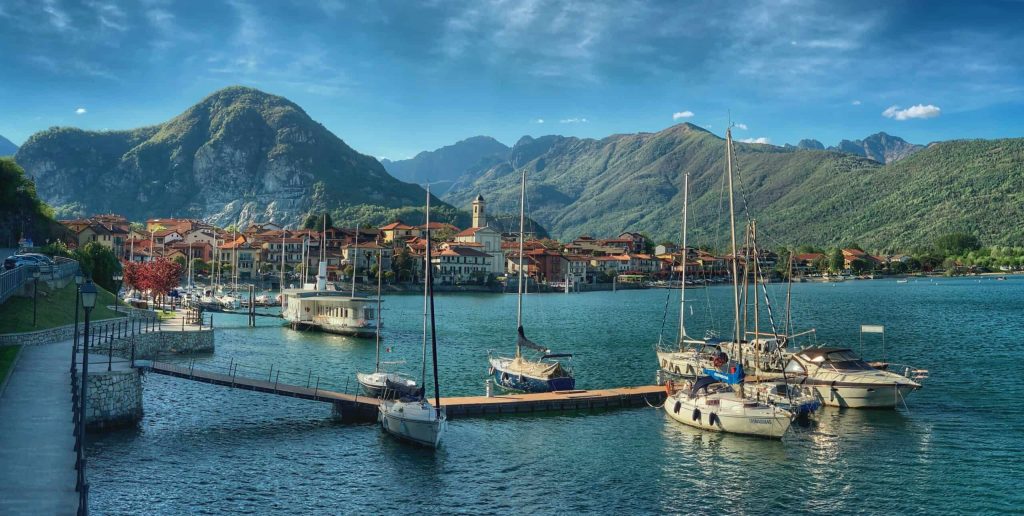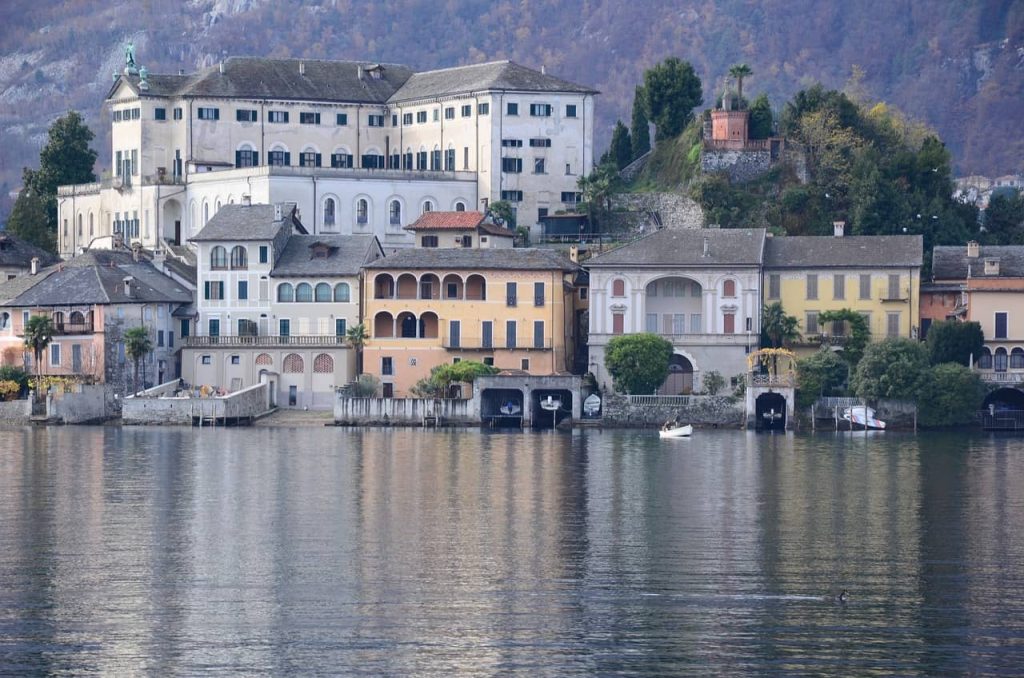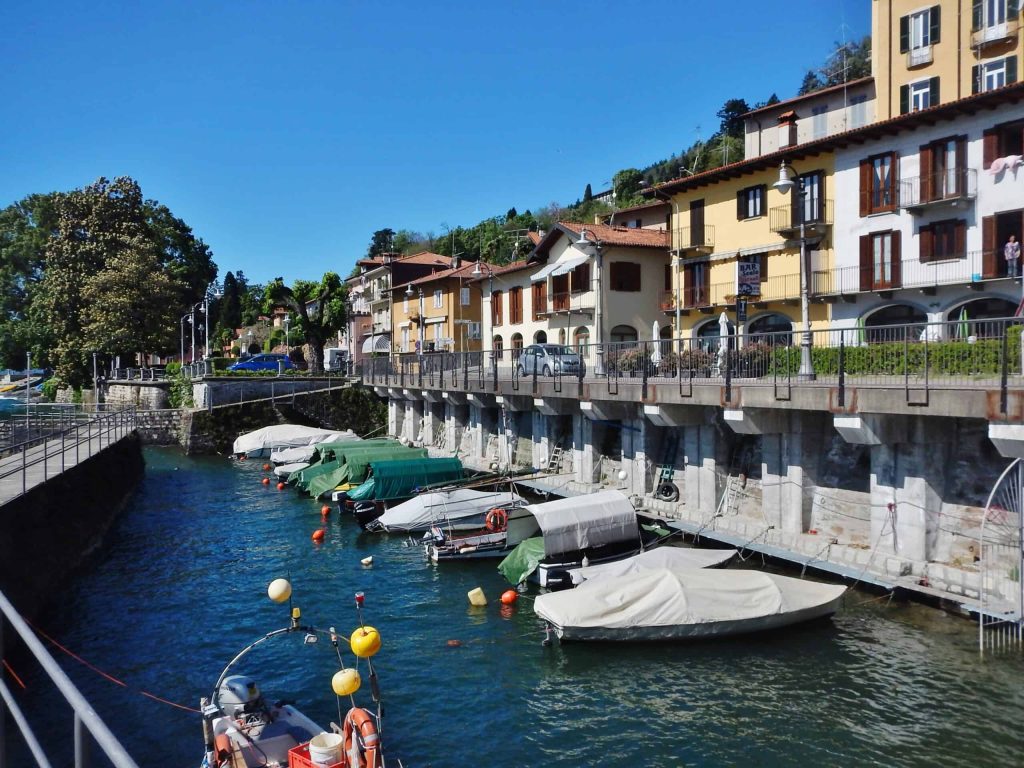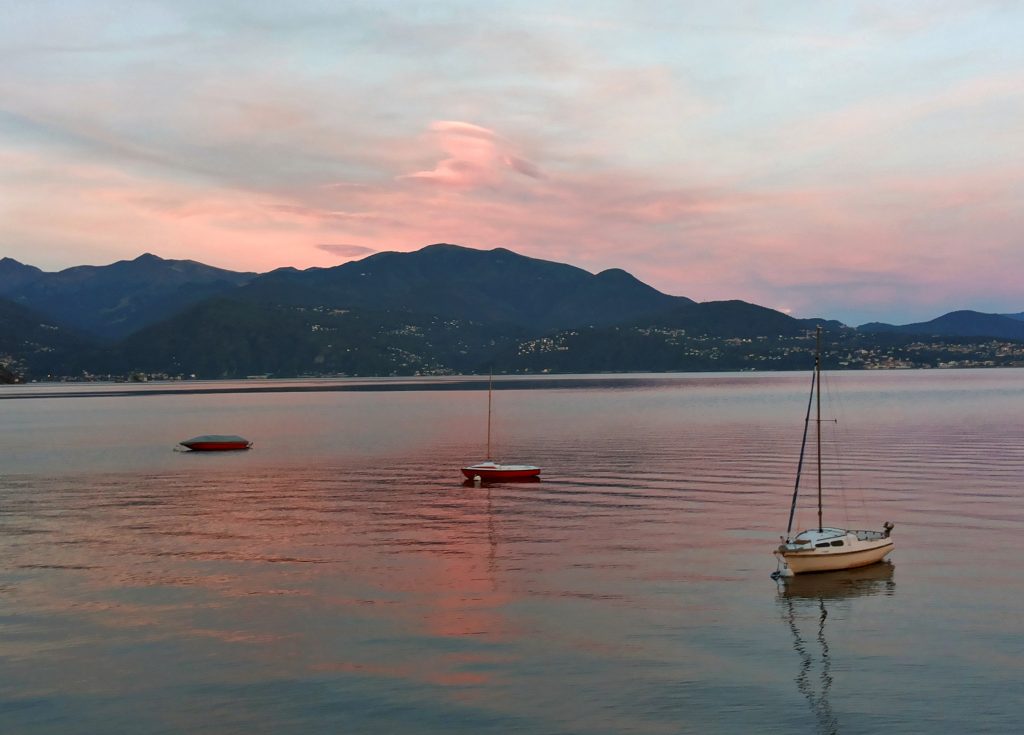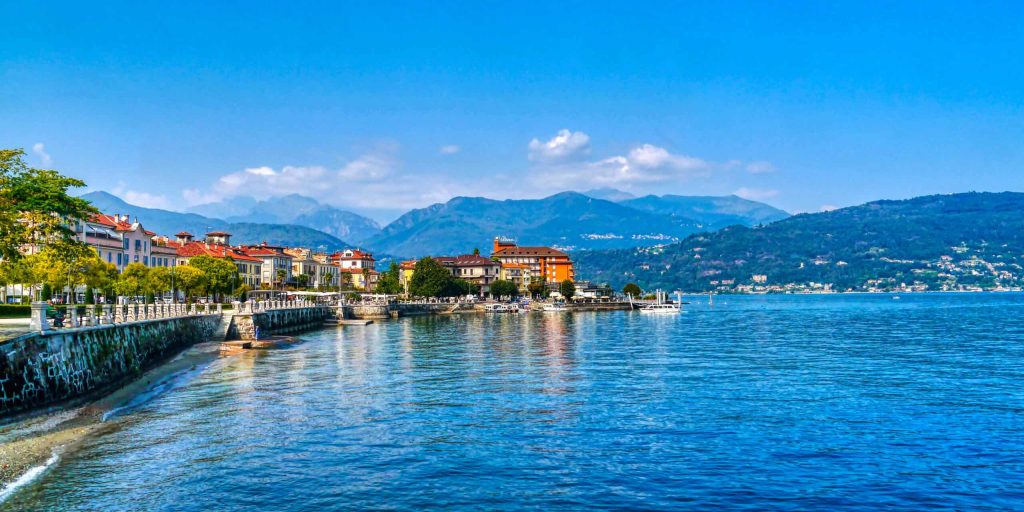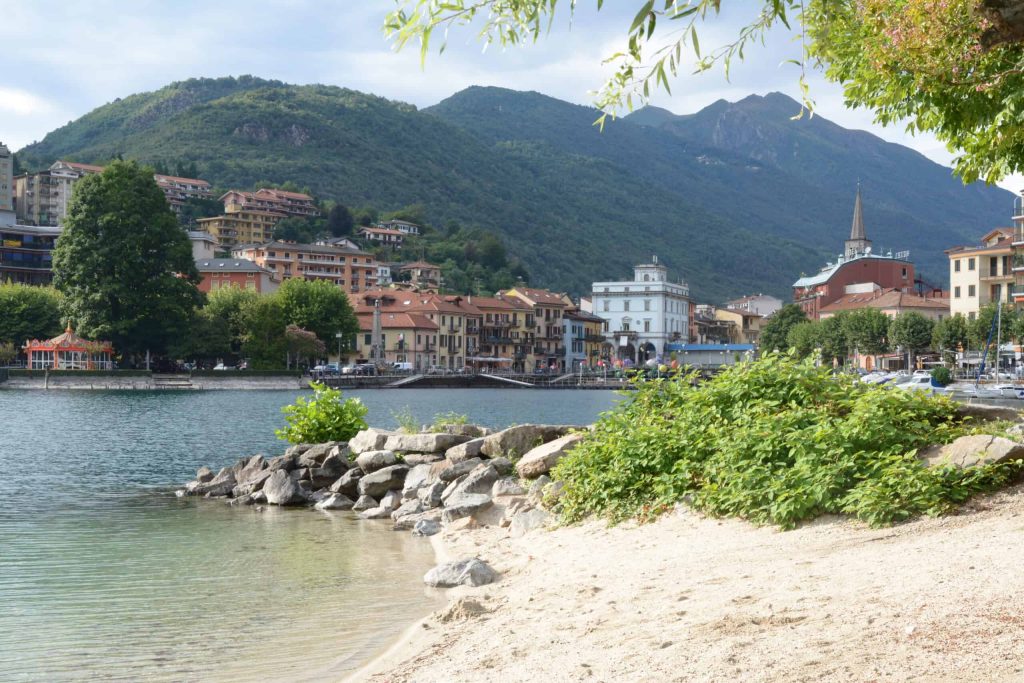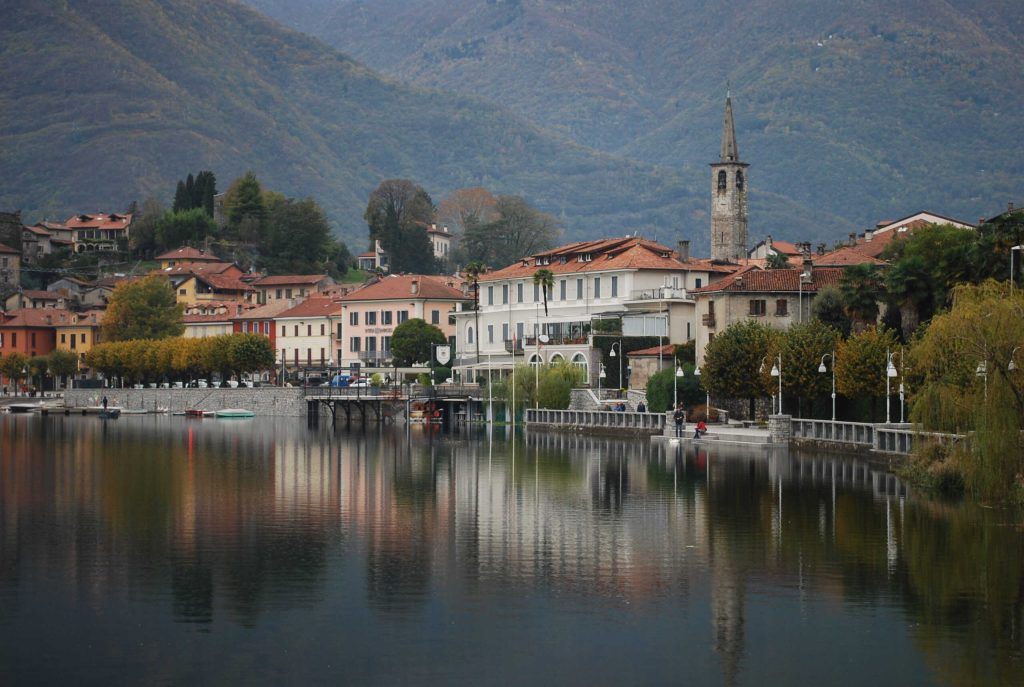
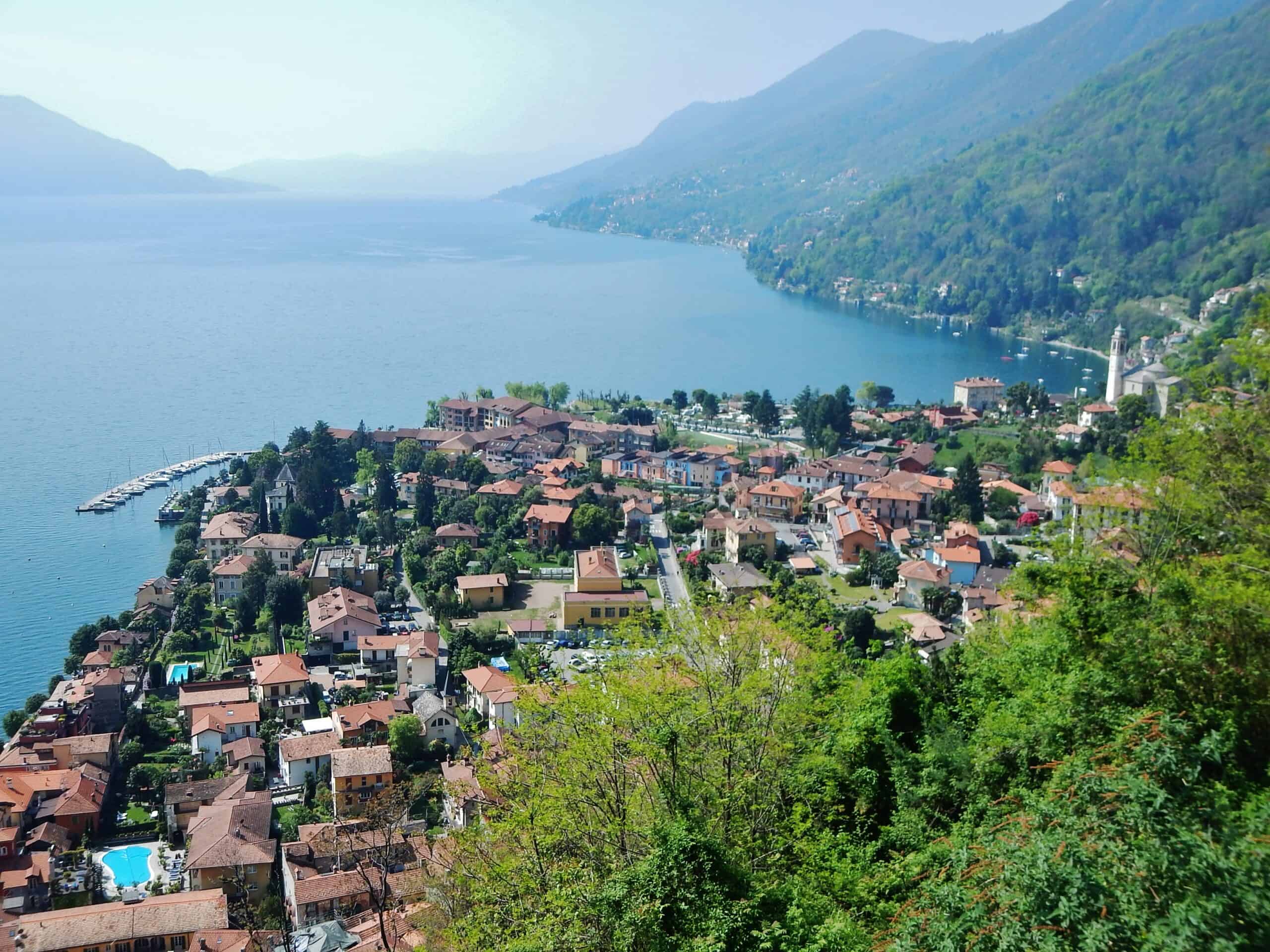
Cannero Riviera owes its very name to the Mediterranean climate that sets it apart: “Riviera” was officially added to the town’s name only in 1947, bearing witness to a microclimate capable of growing citrus fruits, palms, olive trees and the celebrated camellias.
A history documented since 985
Cannero first appears in a document transferring property dating back to 985, when the Bishop of Novara granted the canons of Novara Cathedral the small estate of Canore on Lake Maggiore. At the beginning of the 14th century, the town gained municipal autonomy and its own statute, before coming under the Duchy of Milan. In 1524, the Sforzas destroyed the settlement, guilty of having remained loyal to the Viscontis: an episode that profoundly marked the village’s history.
A name between water and reed beds
The origin of the name remains partly uncertain: it may derive from the Celtic “Cenn in ar”, meaning a point on the water, or from the Latin “Canore” or “Canerum”, referring to the reed beds that once characterised the shoreline.
A flower-filled balcony over the lake
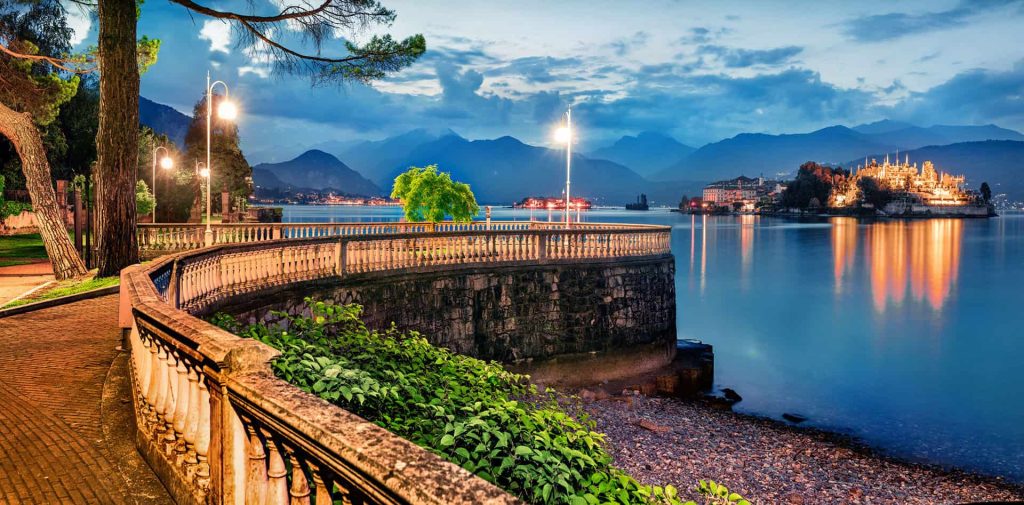
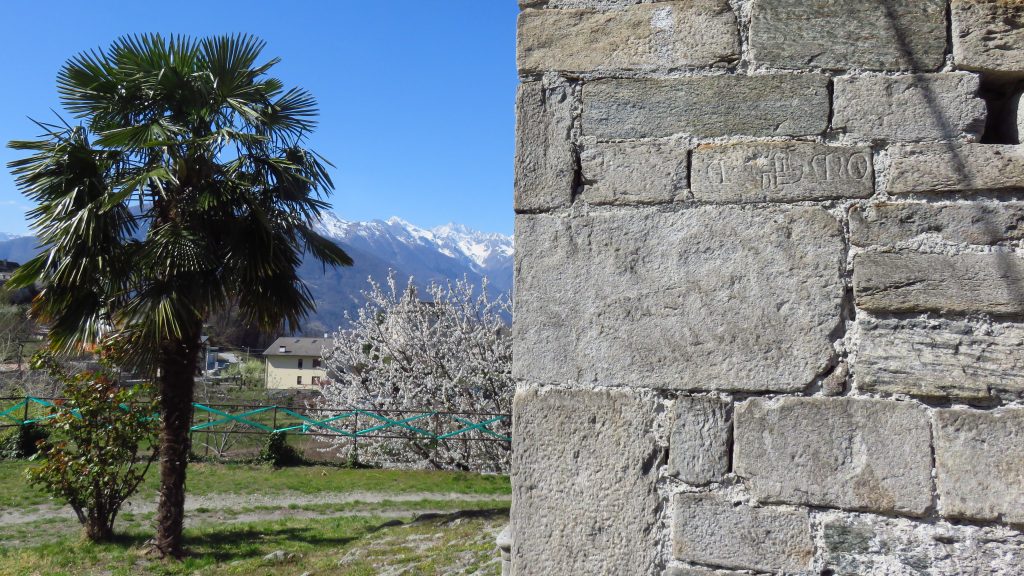
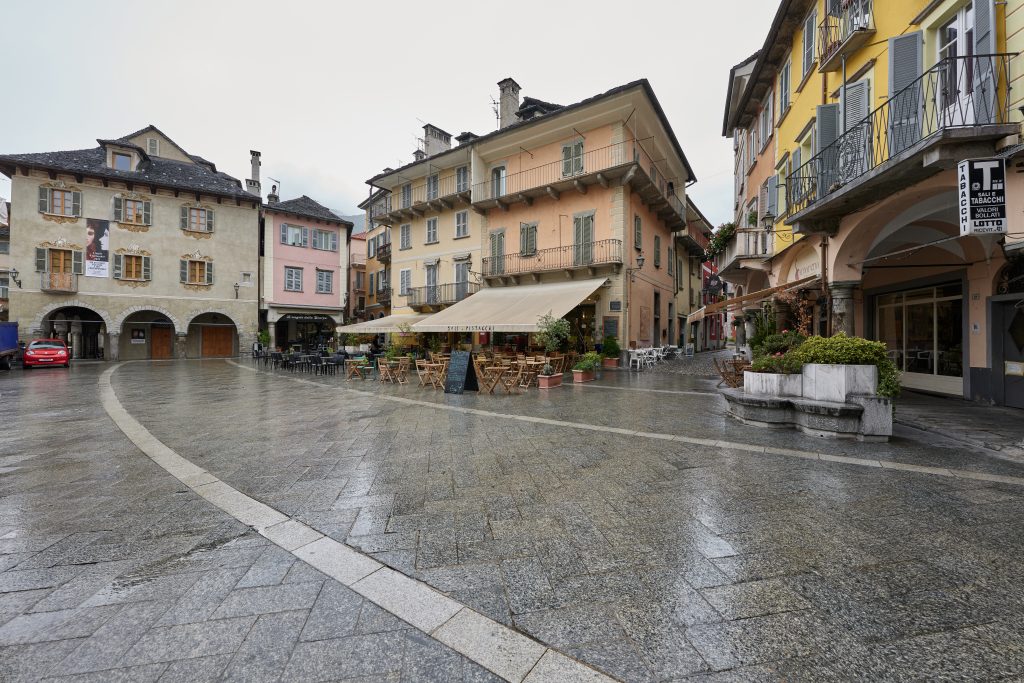
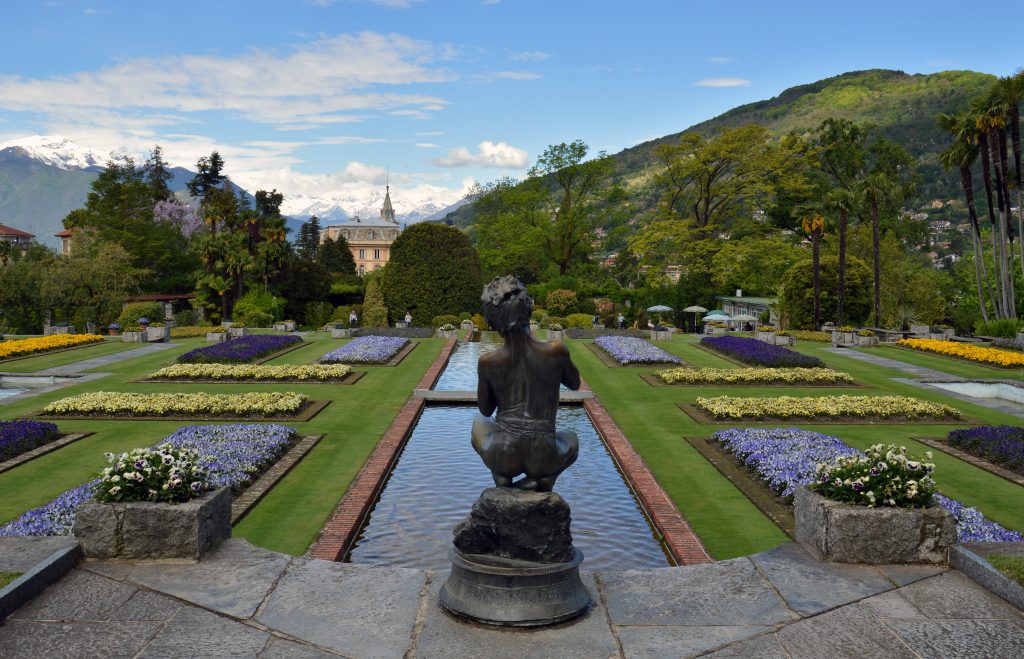
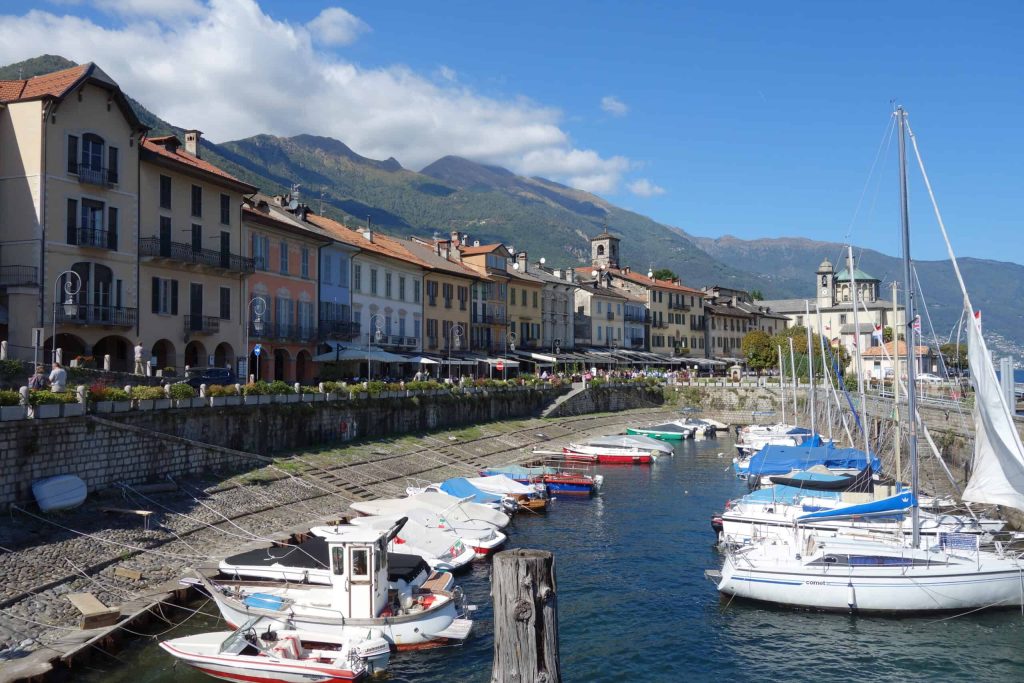
The particularly mild climate allows lush Mediterranean vegetation to thrive, bringing the early flowering of camellias each year and transforming the town into a true flower-filled balcony over Lake Maggiore. The stone alleyways of the historic centre, dotted with palms along the lakeside promenade, complete an atmosphere that recalls Liguria more than Piedmont.
The Church of San Giorgio
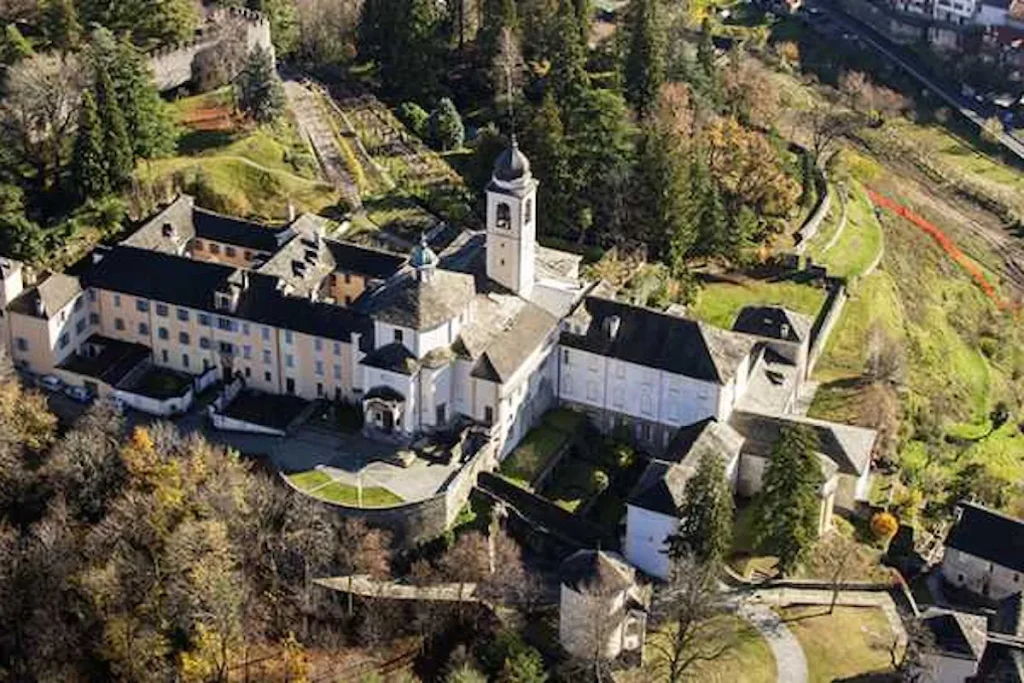
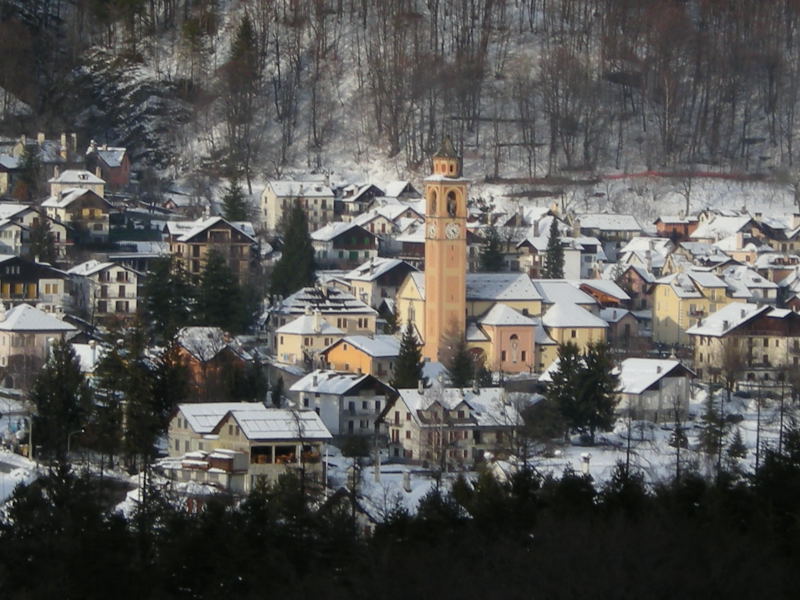
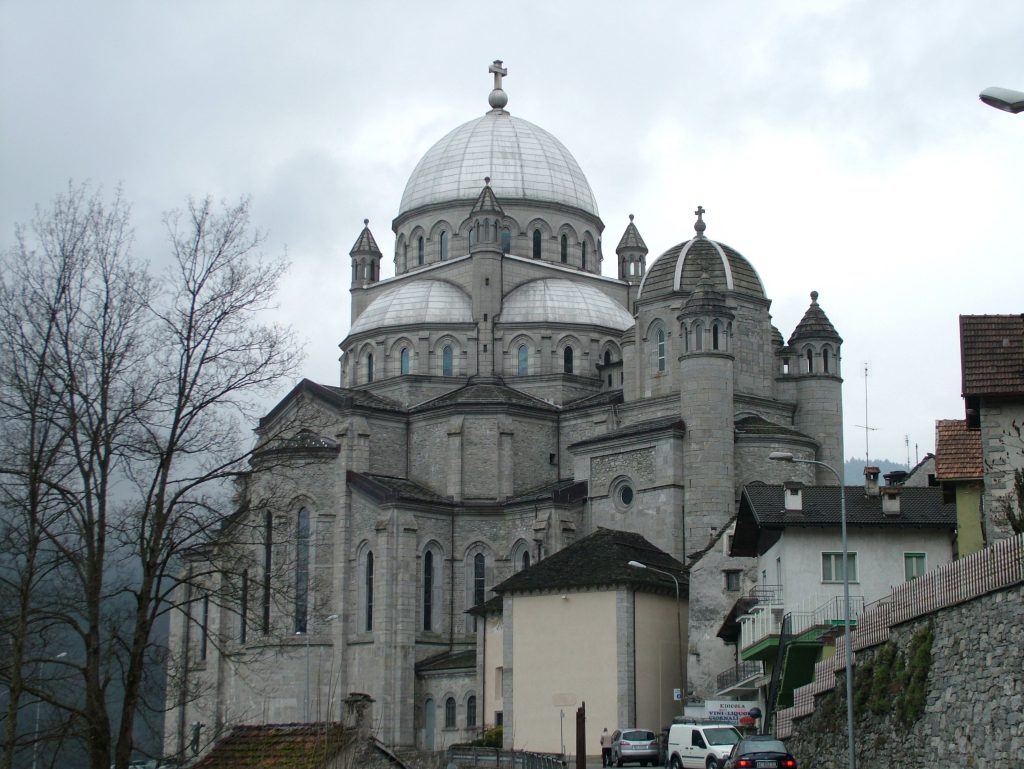
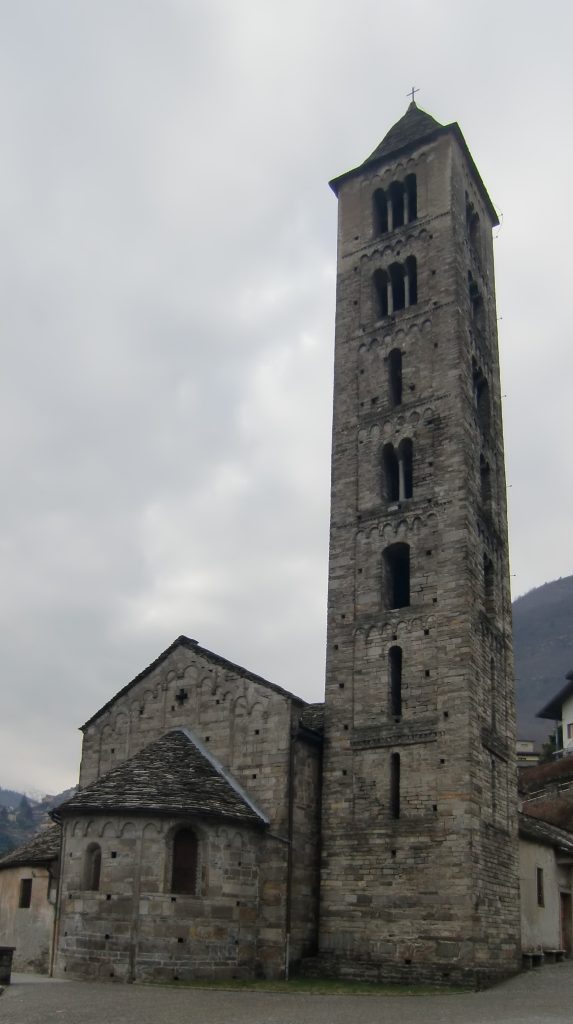
Cannero’s current parish church is dedicated to San Giorgio and was built in 1836 on the site of the previous church, which was destroyed by a flood on 14 September 1829. The building, with its circular plan and dome, features elegant forms and an intimate, finely decorated interior.
Cannero, facing its castles
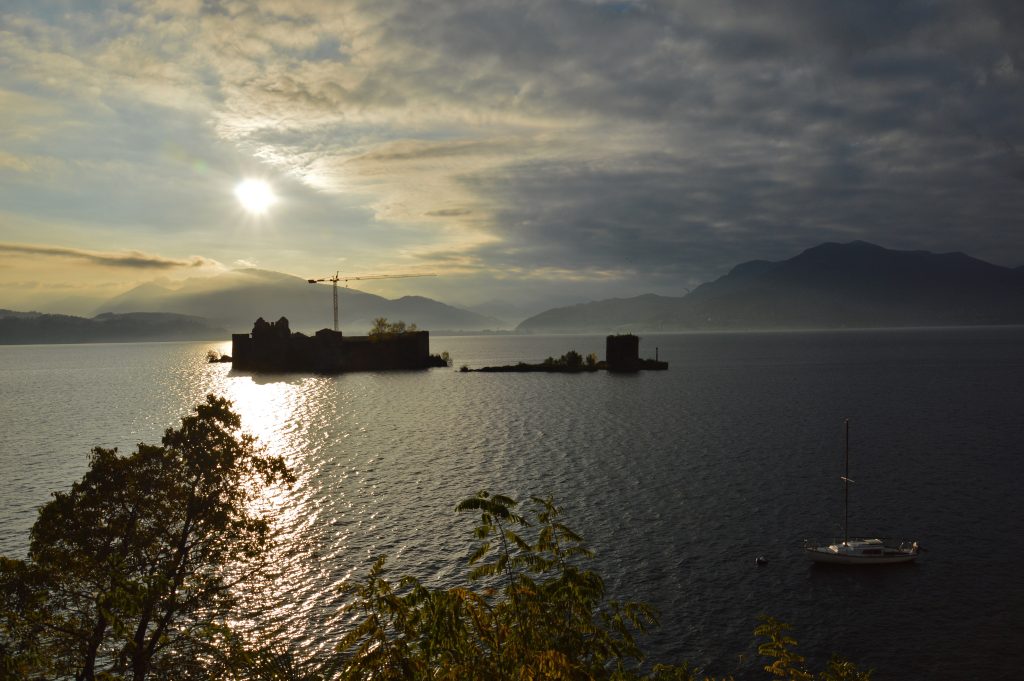
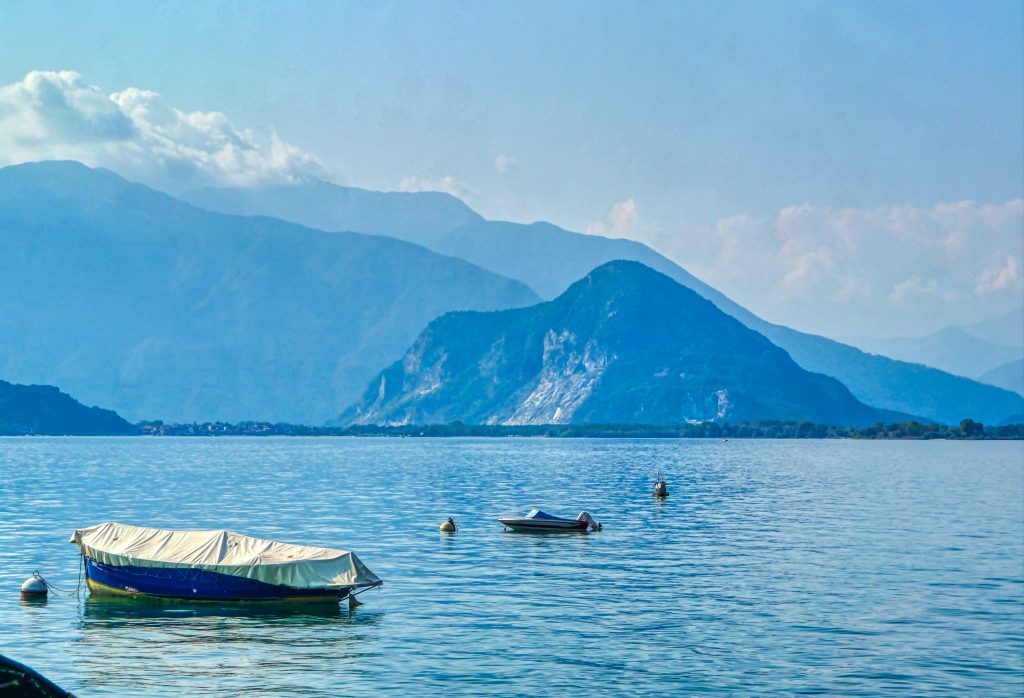
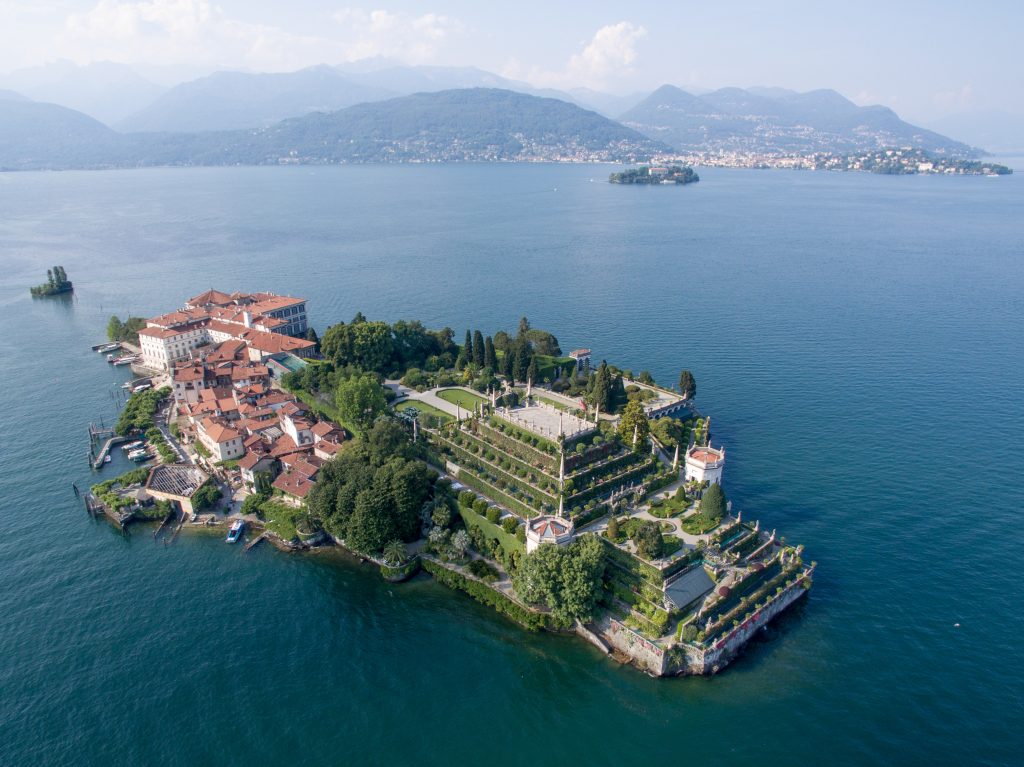
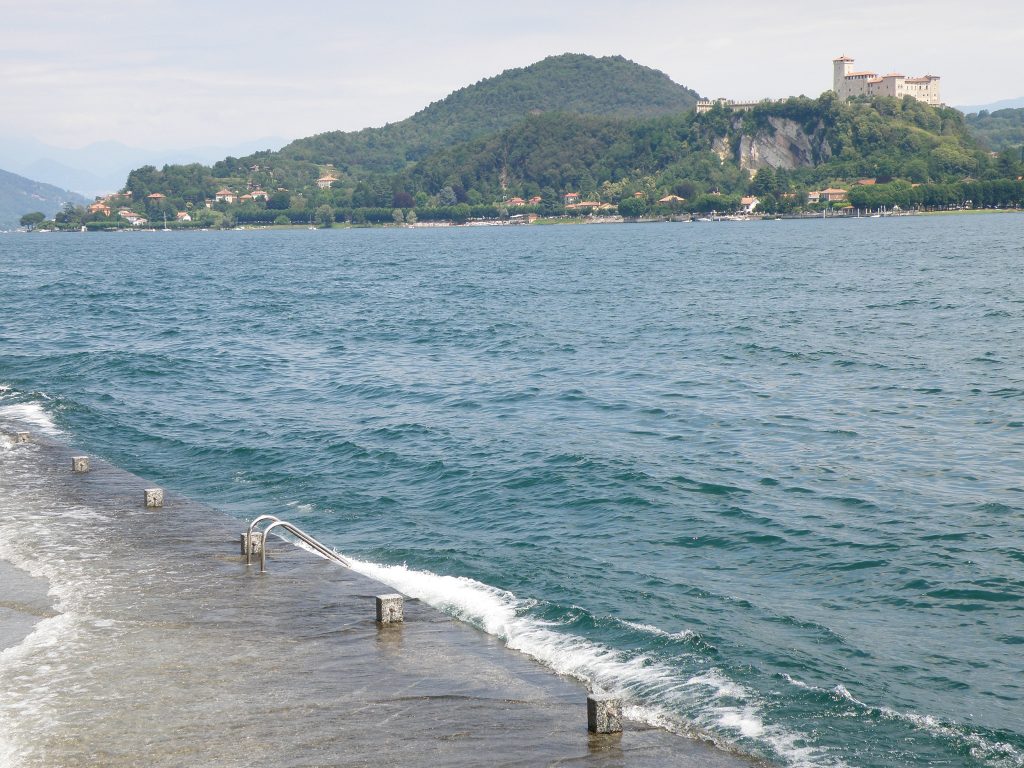
The town is the ideal vantage point from which to admire the evocative Castles of Cannero, ruins standing on a group of small islands off the coast.
Cannero Riviera on Lake Maggiore
Cannero is a short distance from Cannobio and Oggebbio. To discover more about the village’s history and curiosities, refer to the Cannero Riviera Tourist Office.
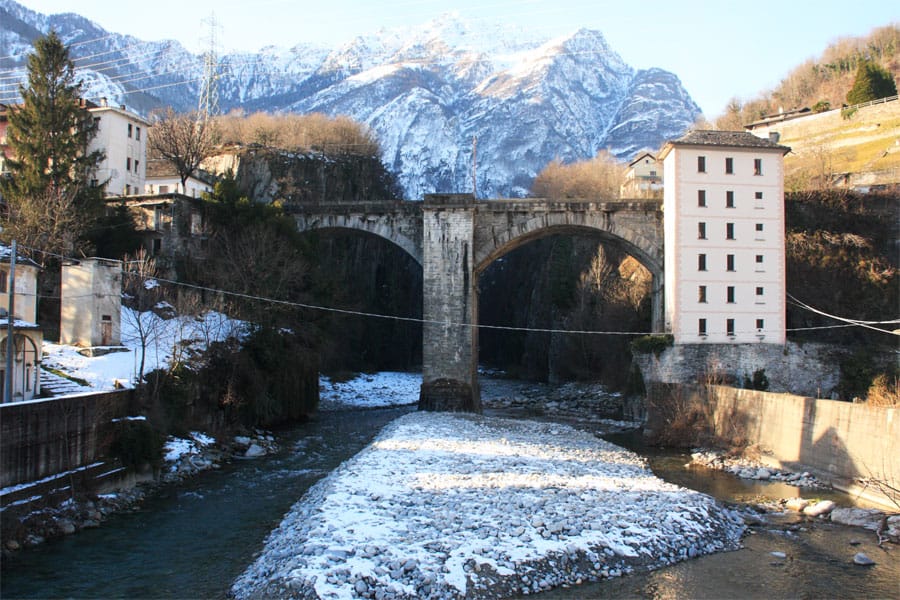
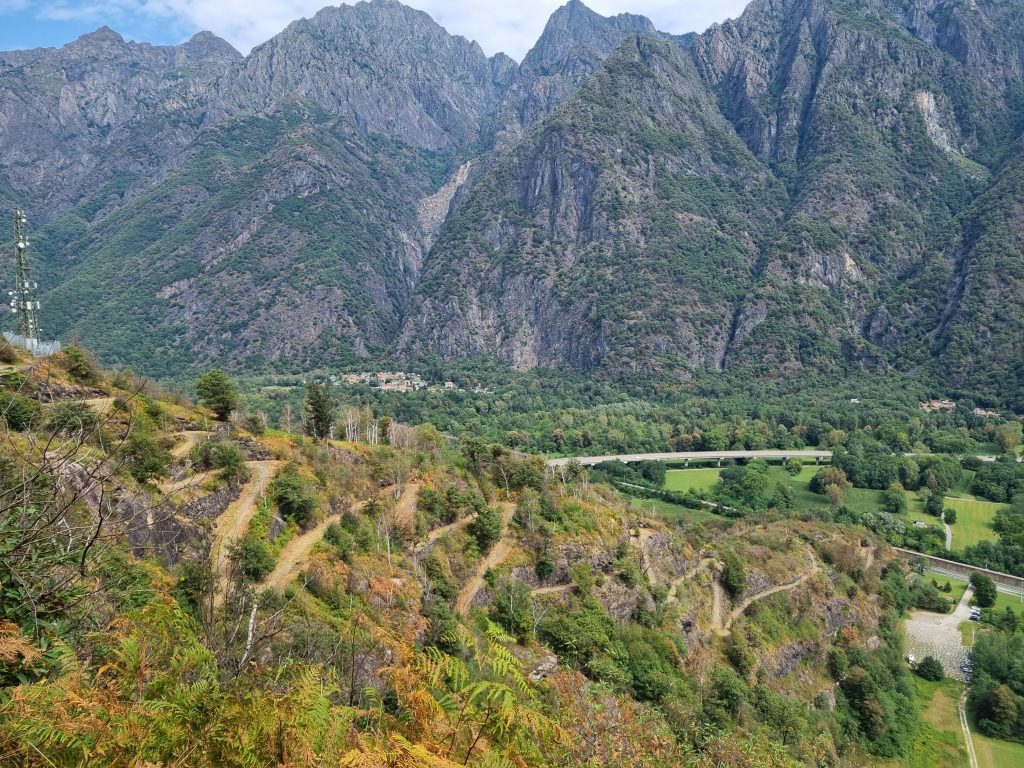
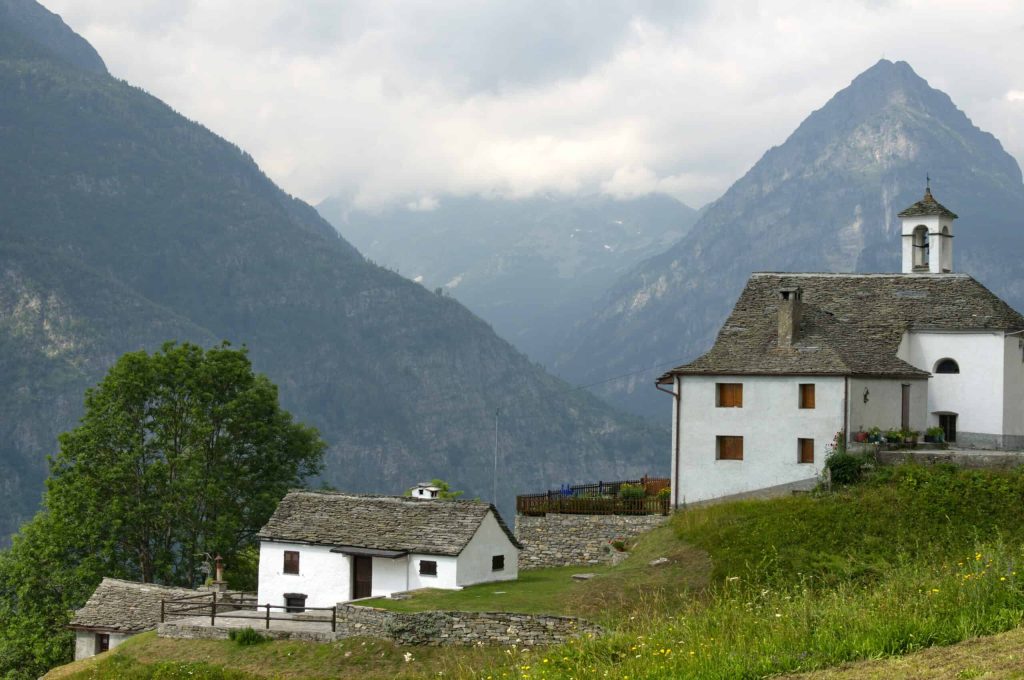
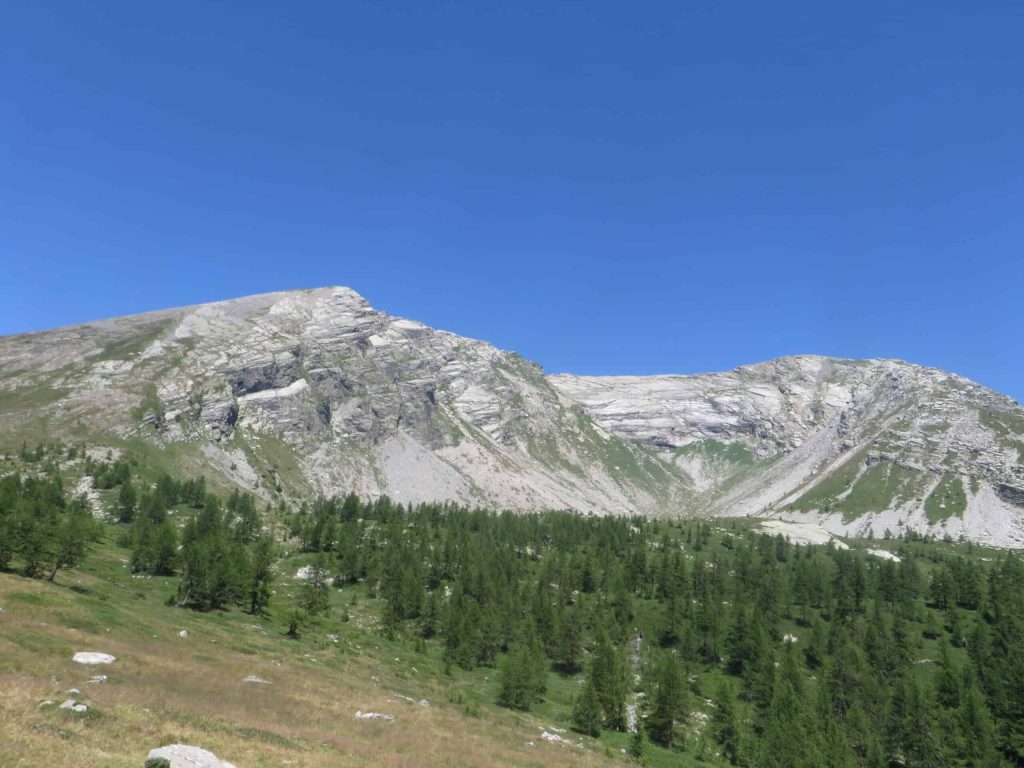
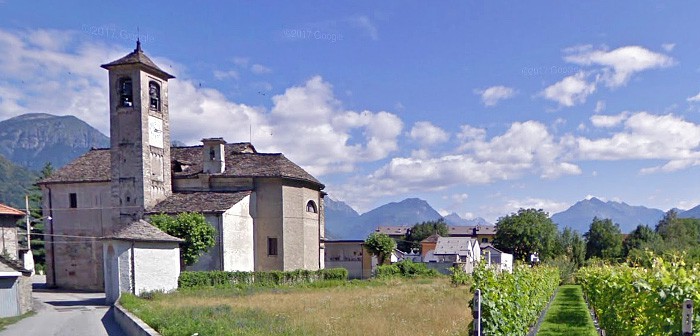
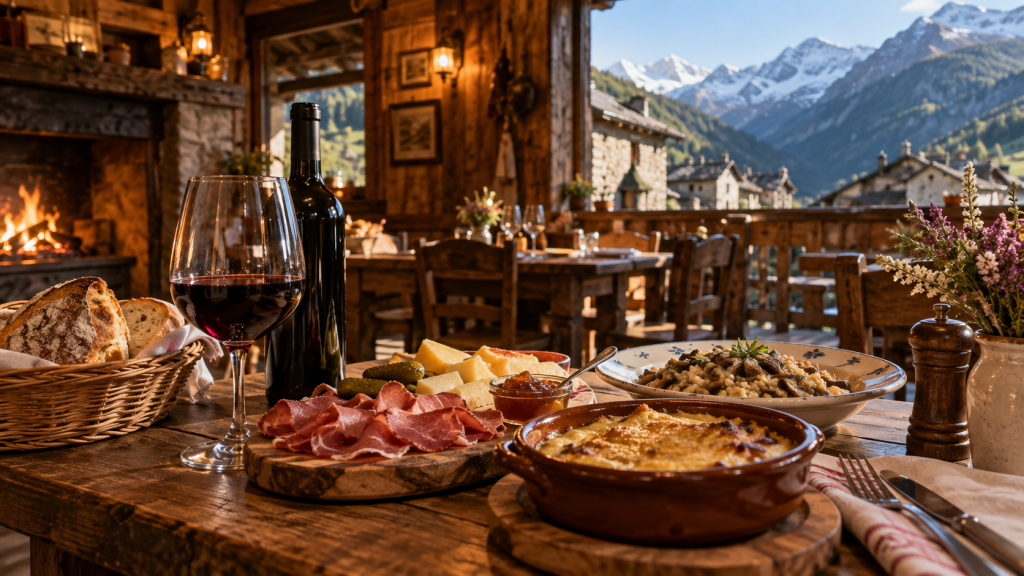
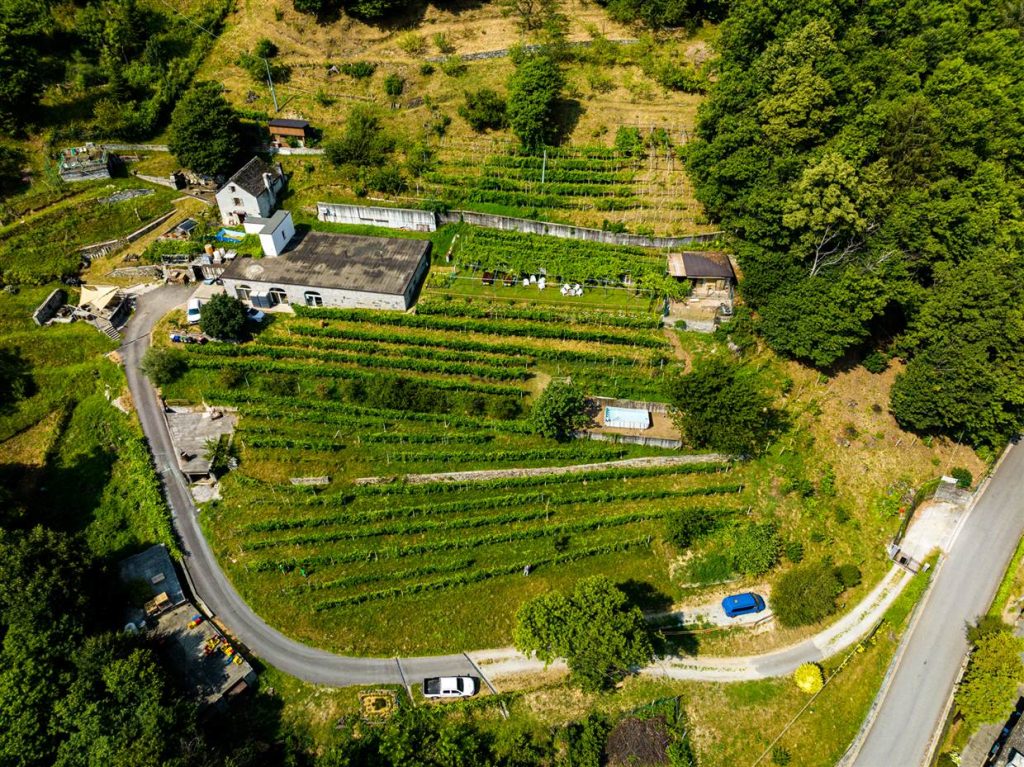
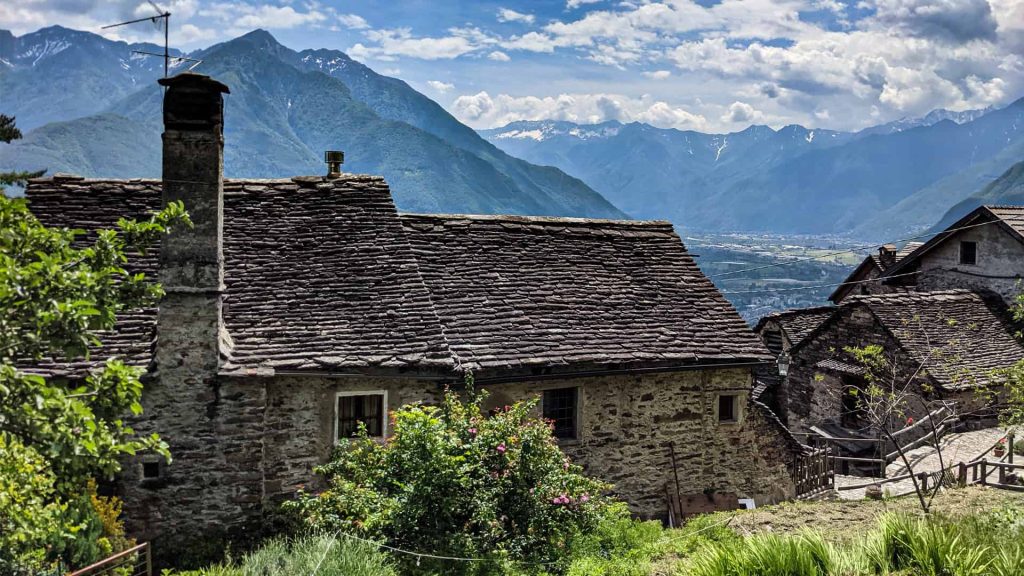
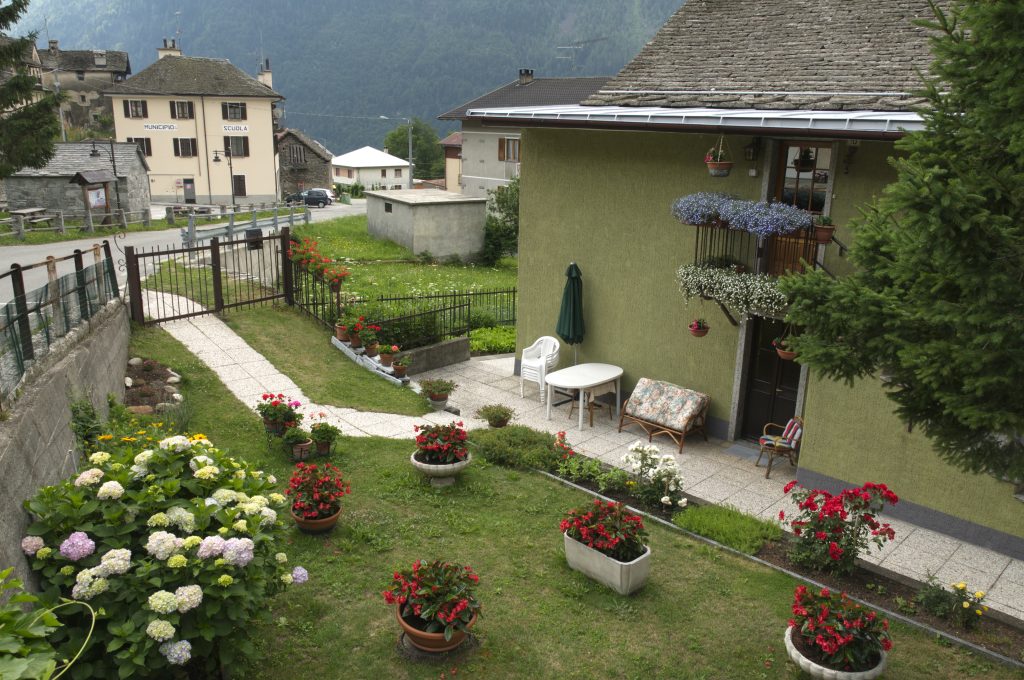
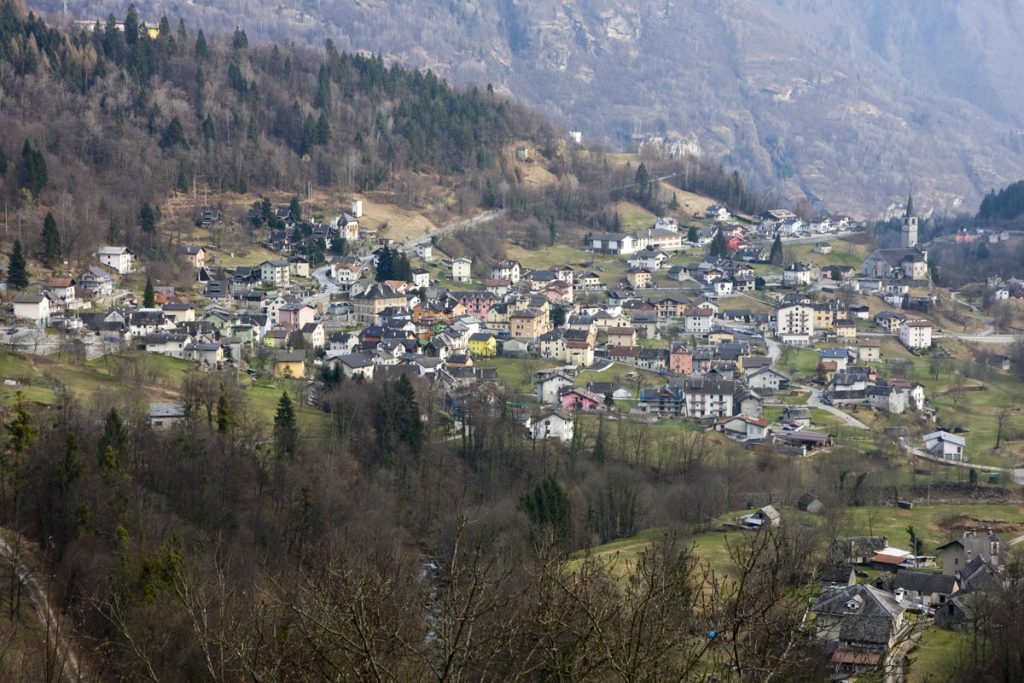
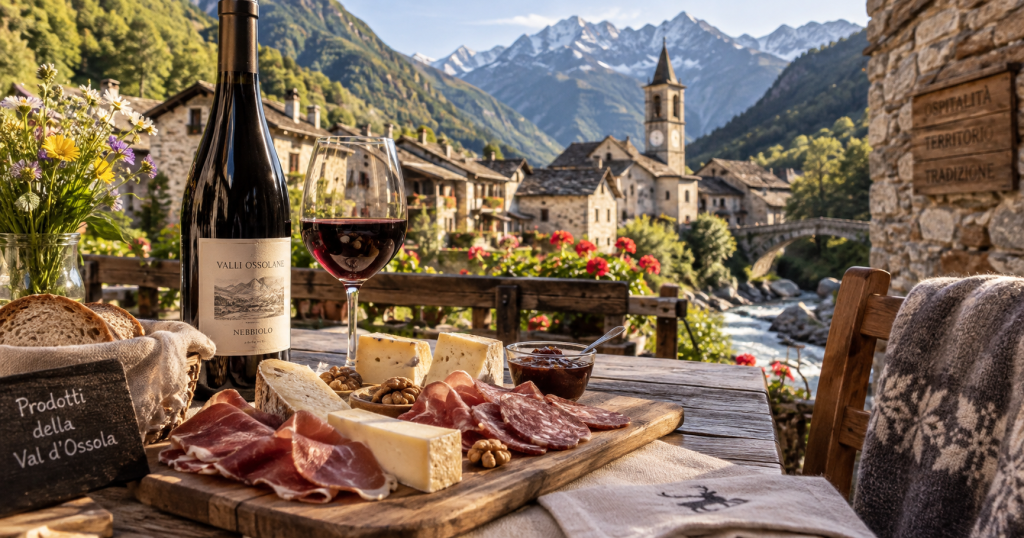
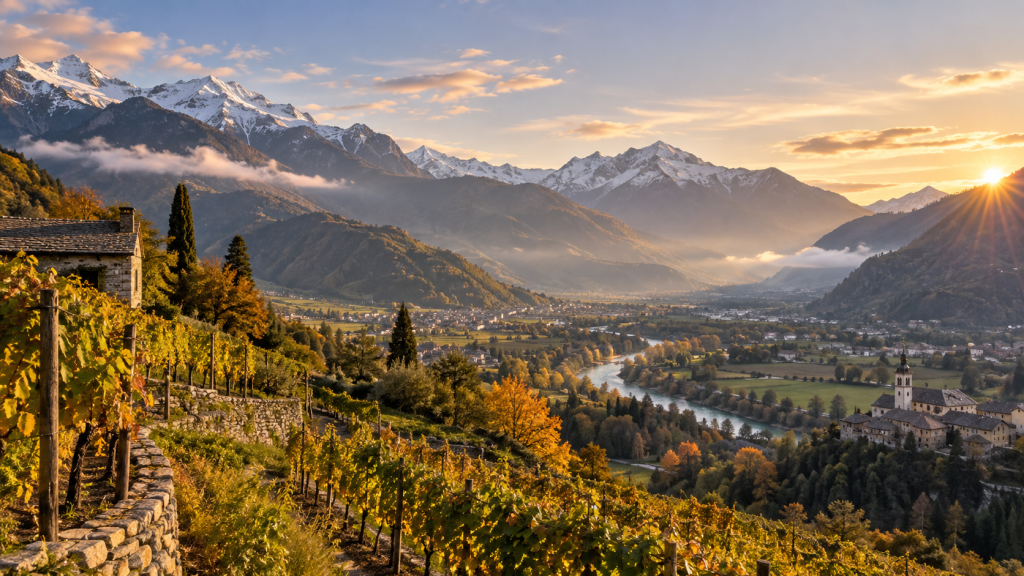
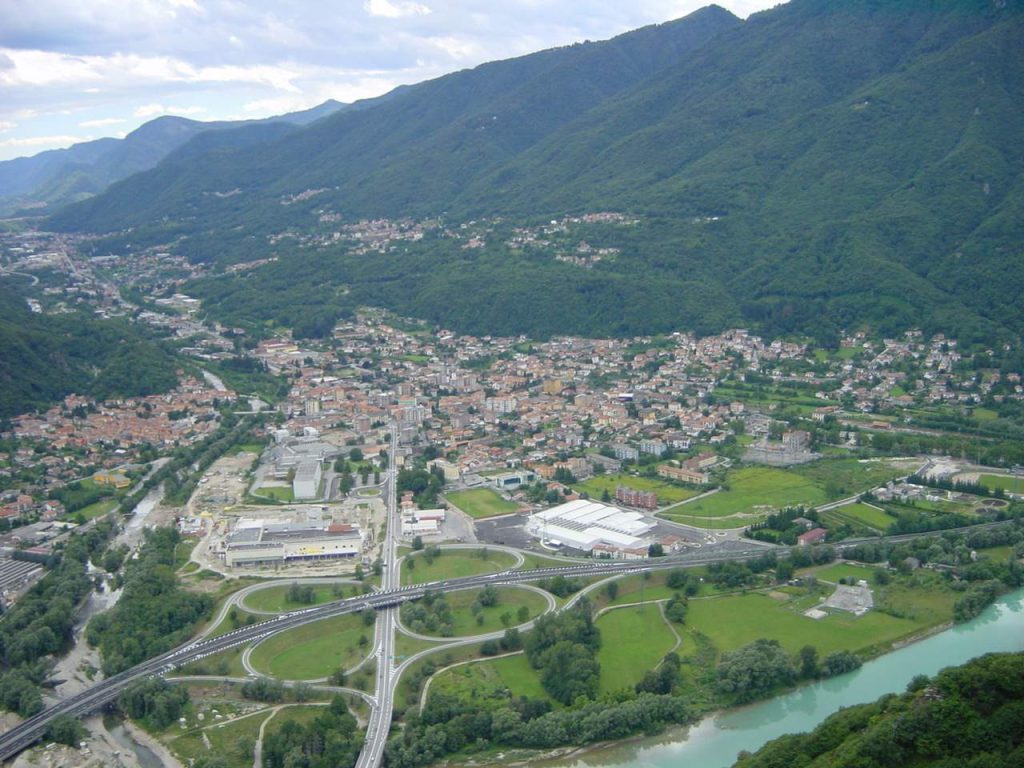
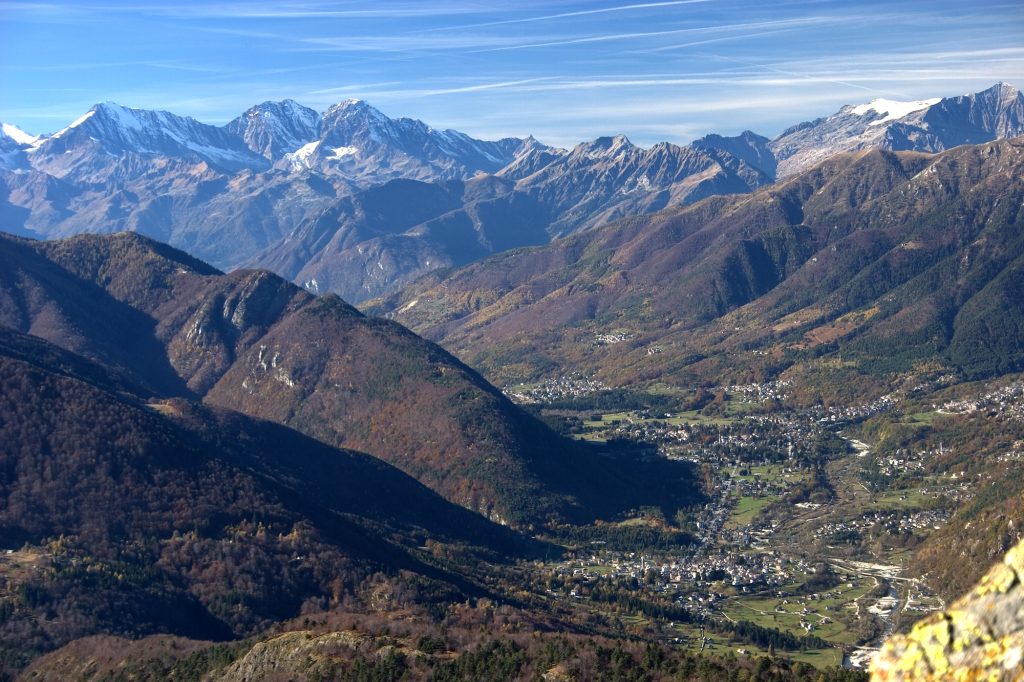
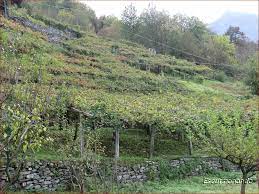
From Cannero, it is possible to head up towards the Ossola hinterland, with its vineyards: an opportunity for a tasting away from the lake.
The Camellia Festival
Every spring, between March and April, Cannero Riviera celebrates the flowering of its camellias with the traditional Camellia Festival: an exhibition dedicated to these flowers is held in the “Pietro Carmine” hall in the Lido area, accompanied by tea tastings, guided excursions to the camellia woods, craft workshops for children and a spring music concert. Every year, the event attracts enthusiasts and curious visitors, confirming the deep bond between the town and these flowers that have brought it tourism success.
A microclimate that lasts all year round
Cannero Riviera’s mild climate is not limited to the summer season: even in winter, temperatures generally remain mild compared to other areas of Piedmont, allowing Mediterranean vegetation to retain much of its charm even in the coldest months.
One final note: the proximity between the town’s Mediterranean charm and the mountain authenticity of the Ossola hinterland encompasses, within just a few dozen kilometres, two sides often perceived as very far apart.
A flower-filled balcony over Lake Maggiore, to be enjoyed in every season of the year.
Palms, camellias and legends: Cannero never ceases to surprise.
Camellias, castles and legends: welcome to Cannero.
One final note about Cannero: few other villages on Lake Maggiore manage to combine a Mediterranean climate, medieval history and folk legend so well in one small town.
A village scented with citrus fruits and history.
Palms, history and legend on Lake Maggiore.
Cannero Riviera is therefore an ideal stop for those who, after a day on Lake Maggiore, wish to head up towards the Ossola hinterland to discover the vineyards and wineries that characterise the hills behind it.