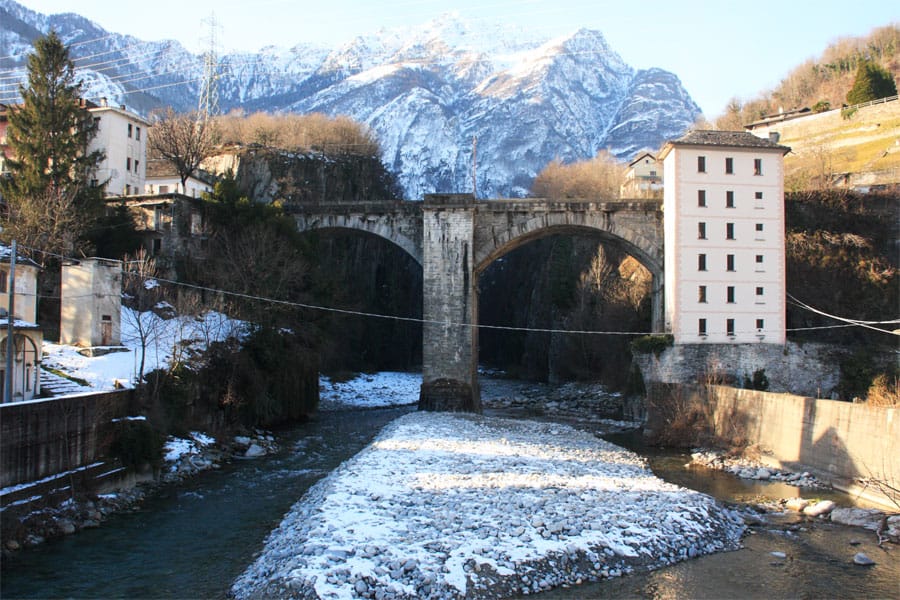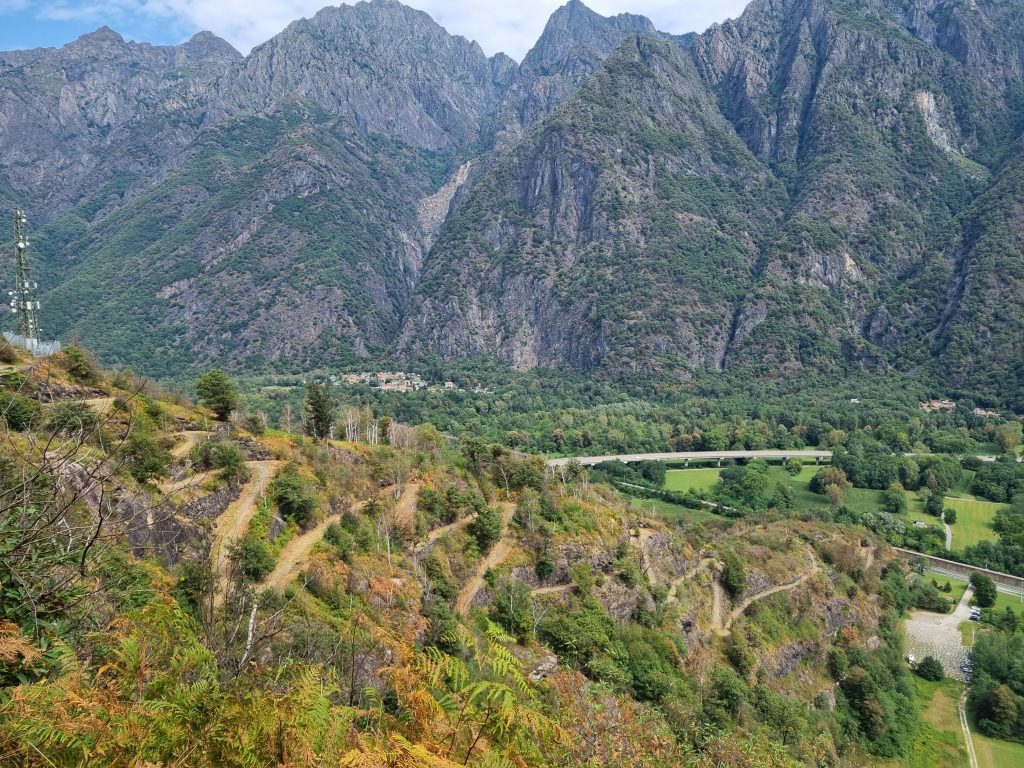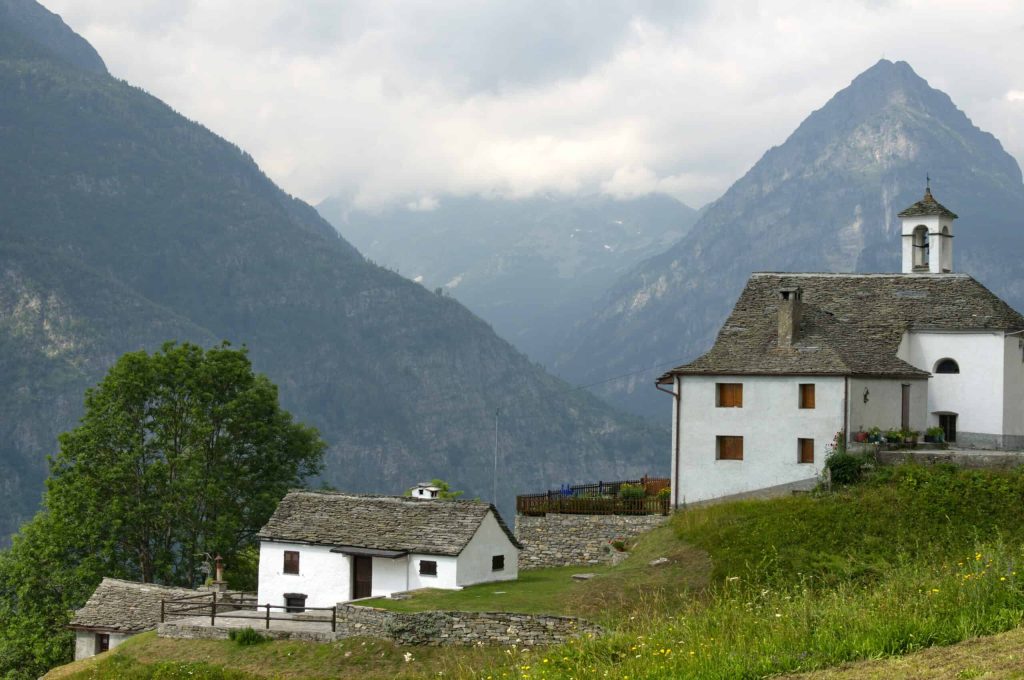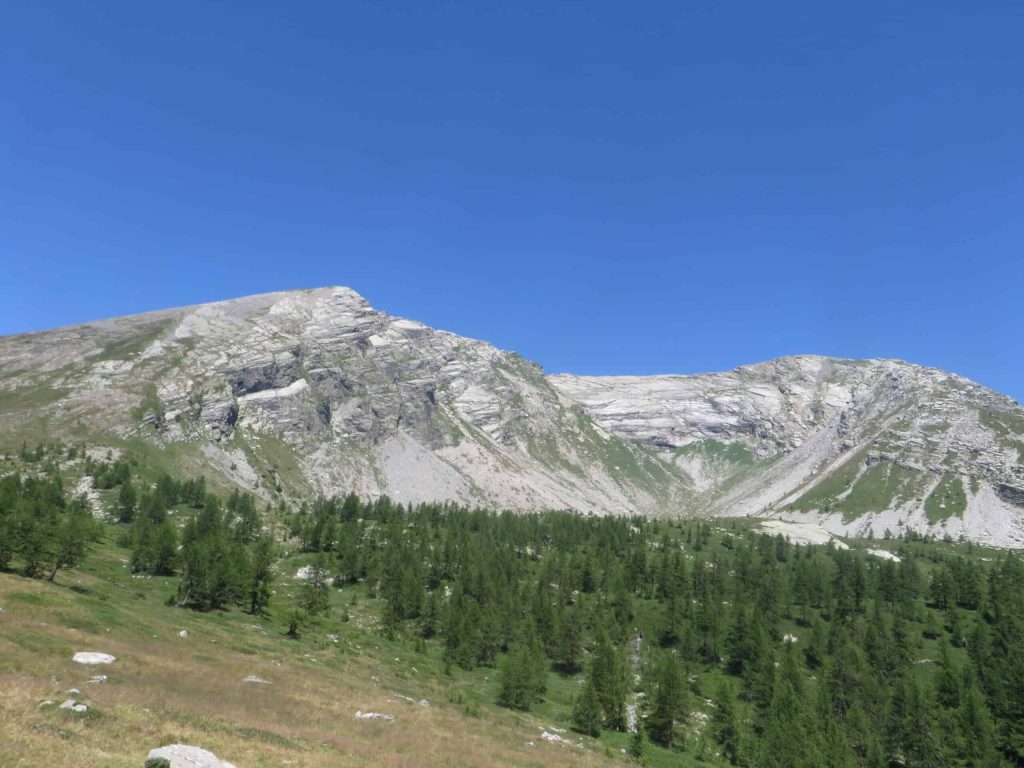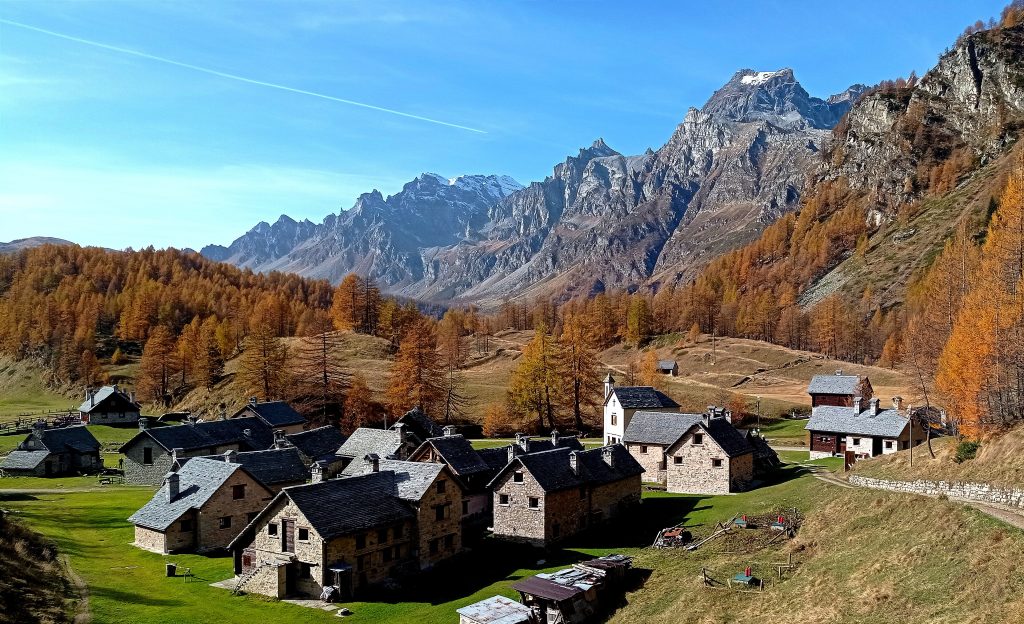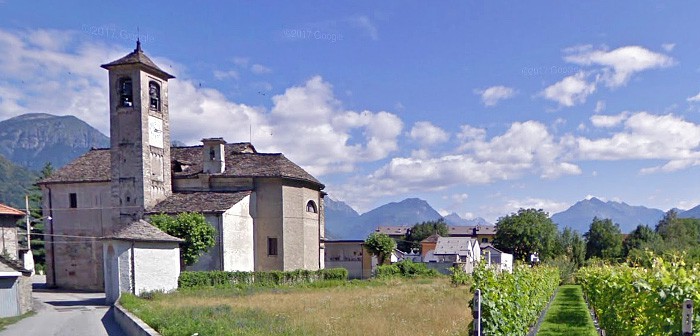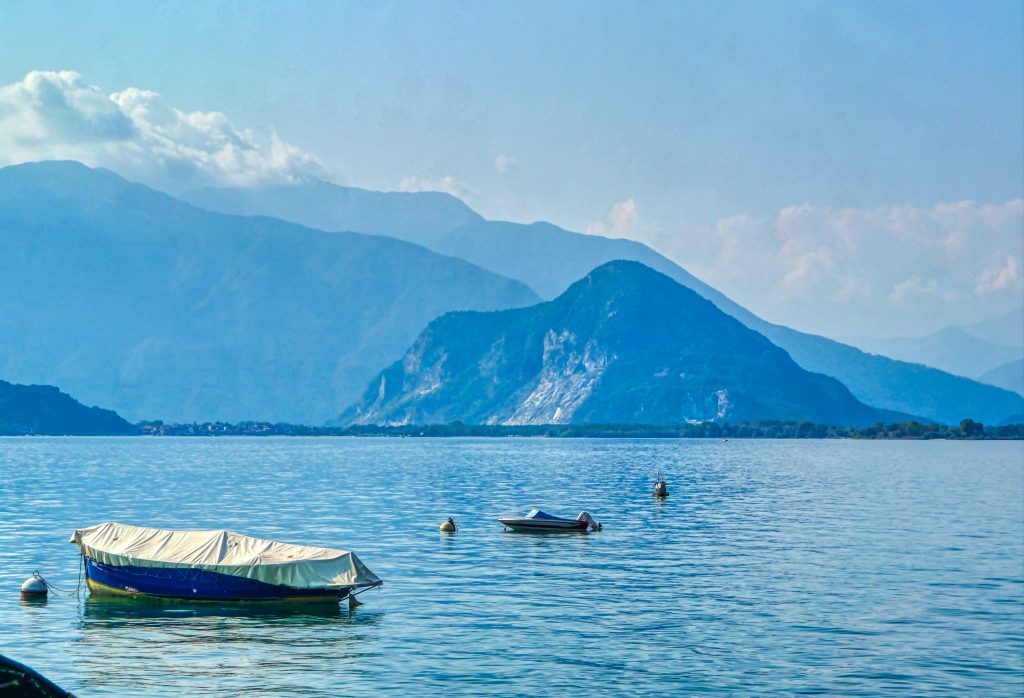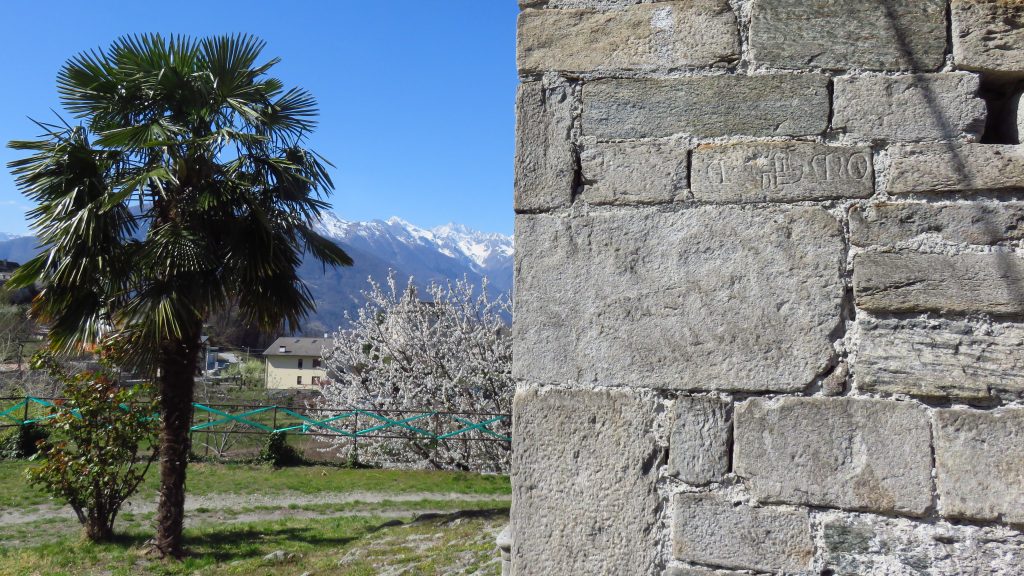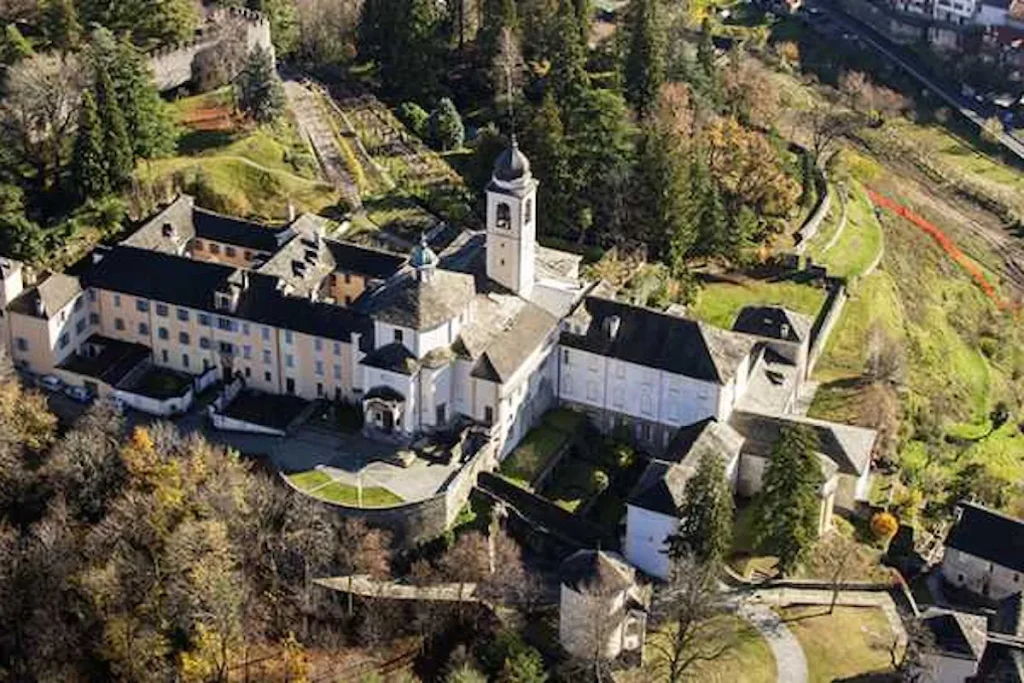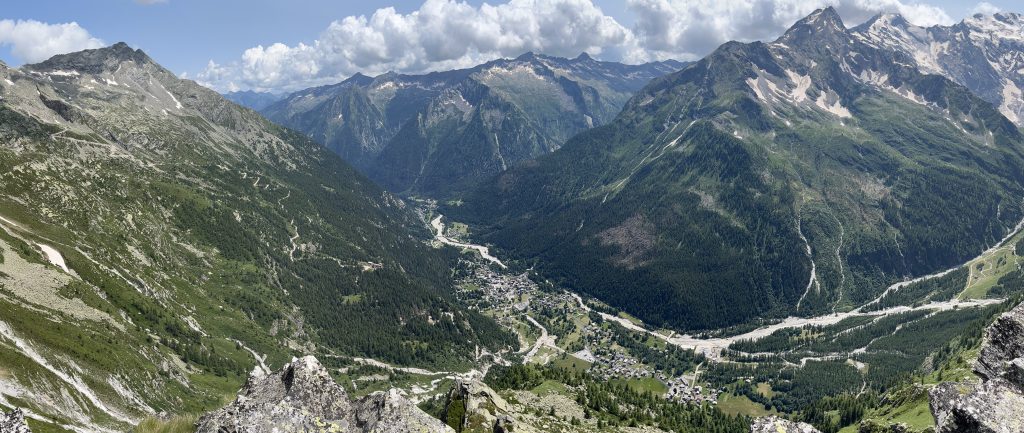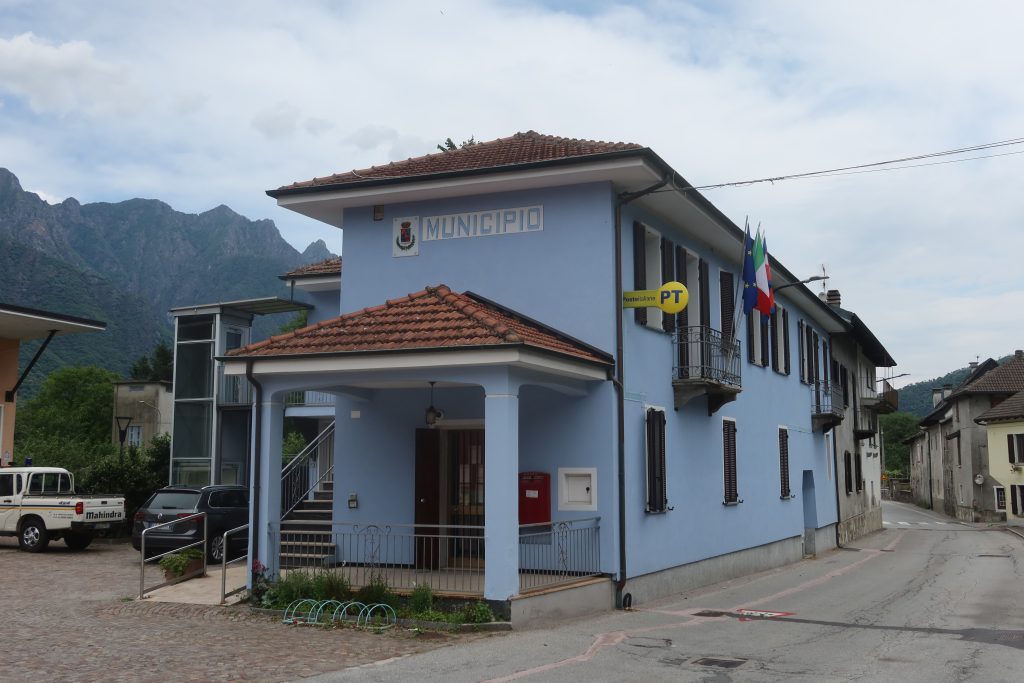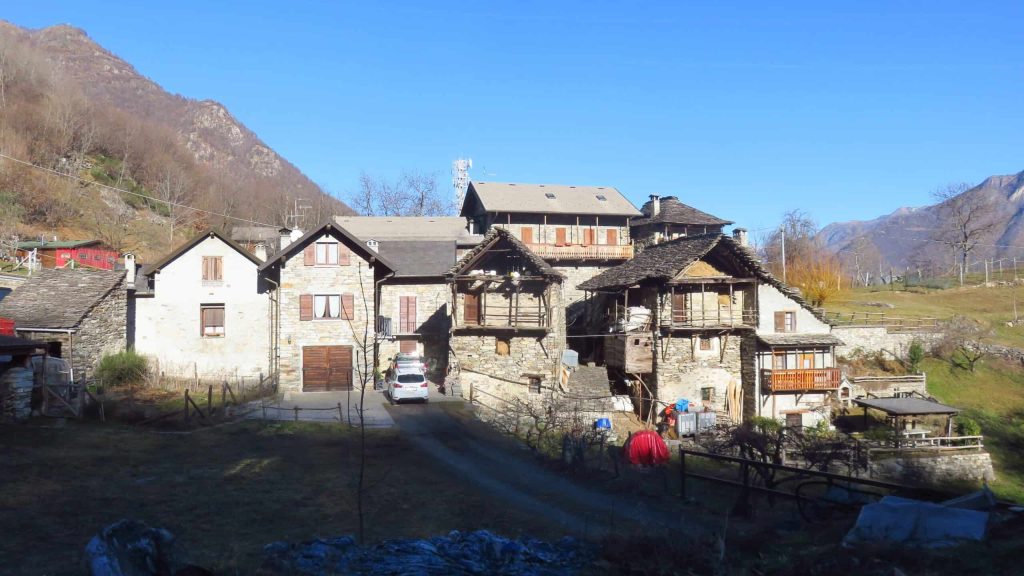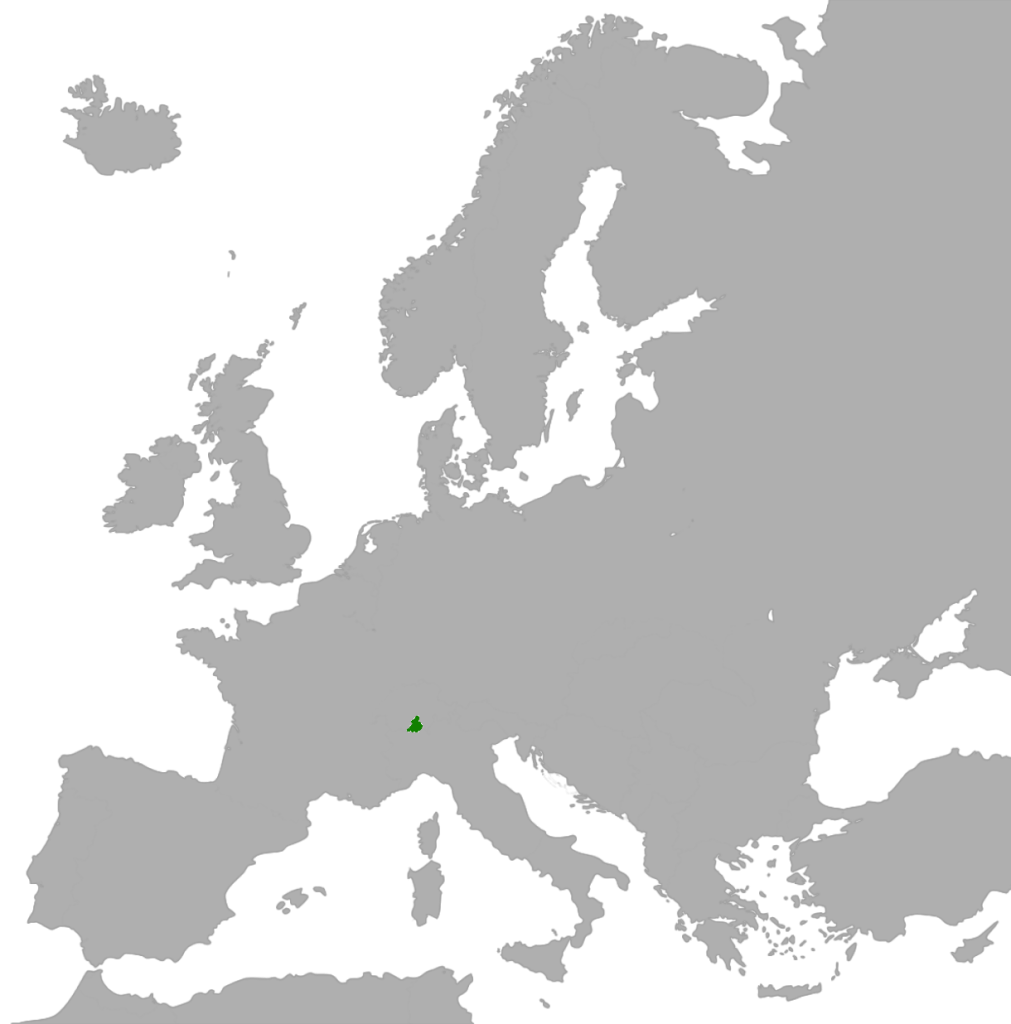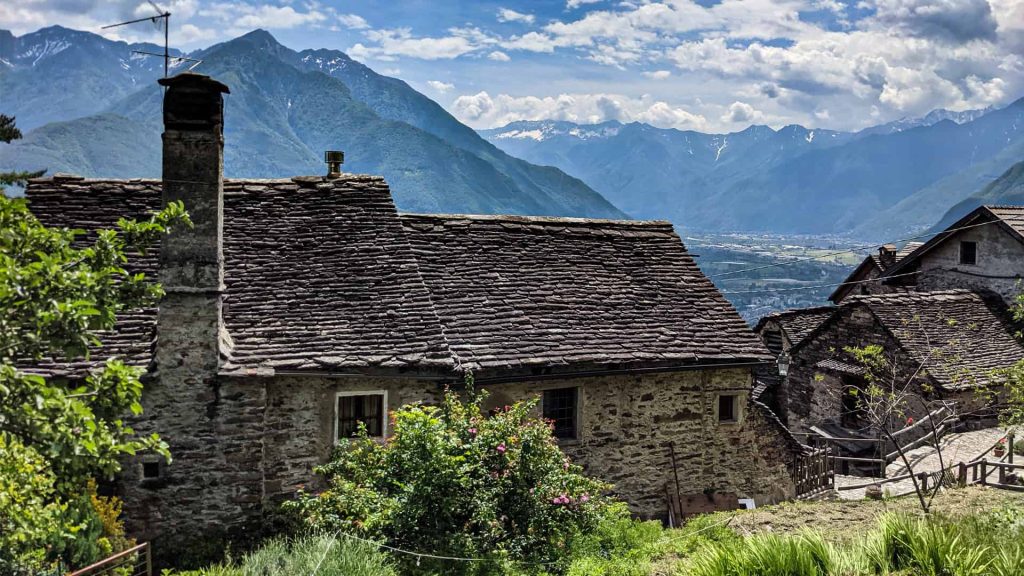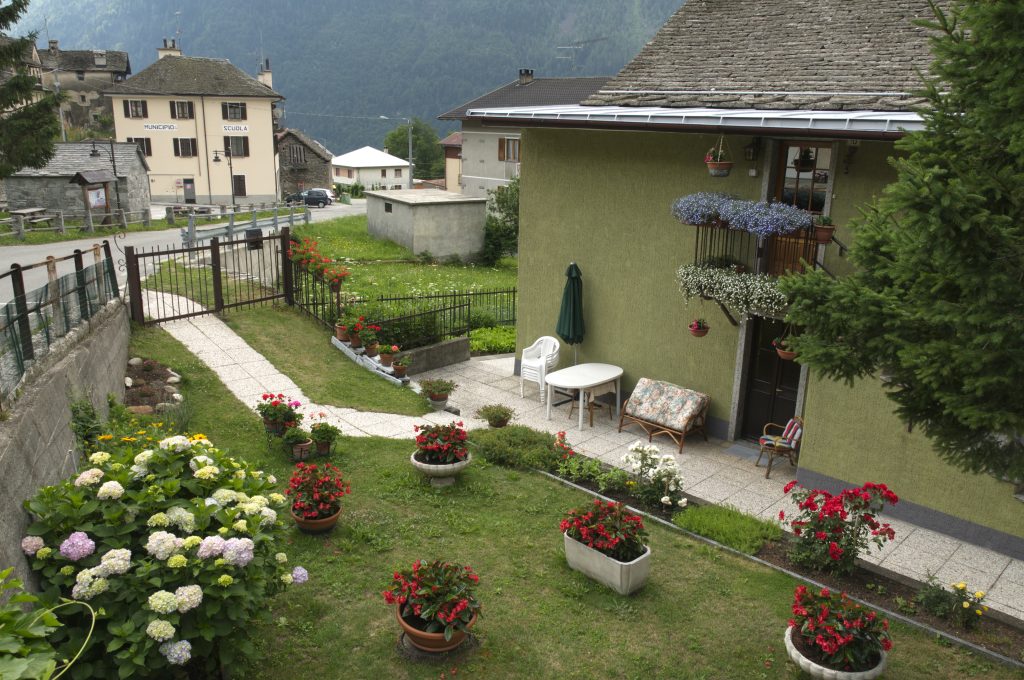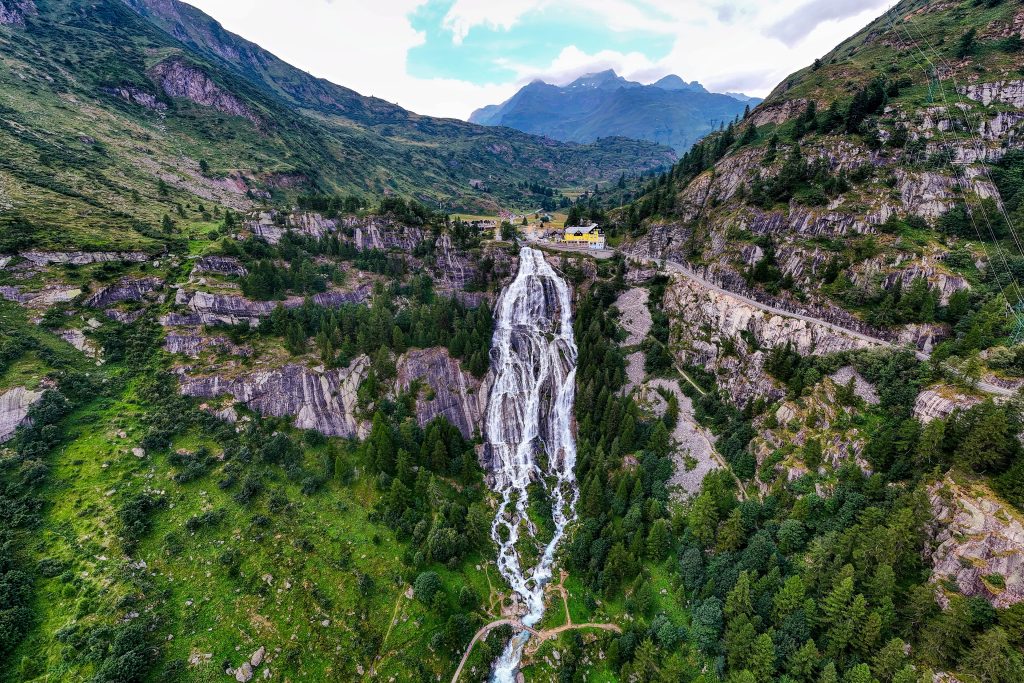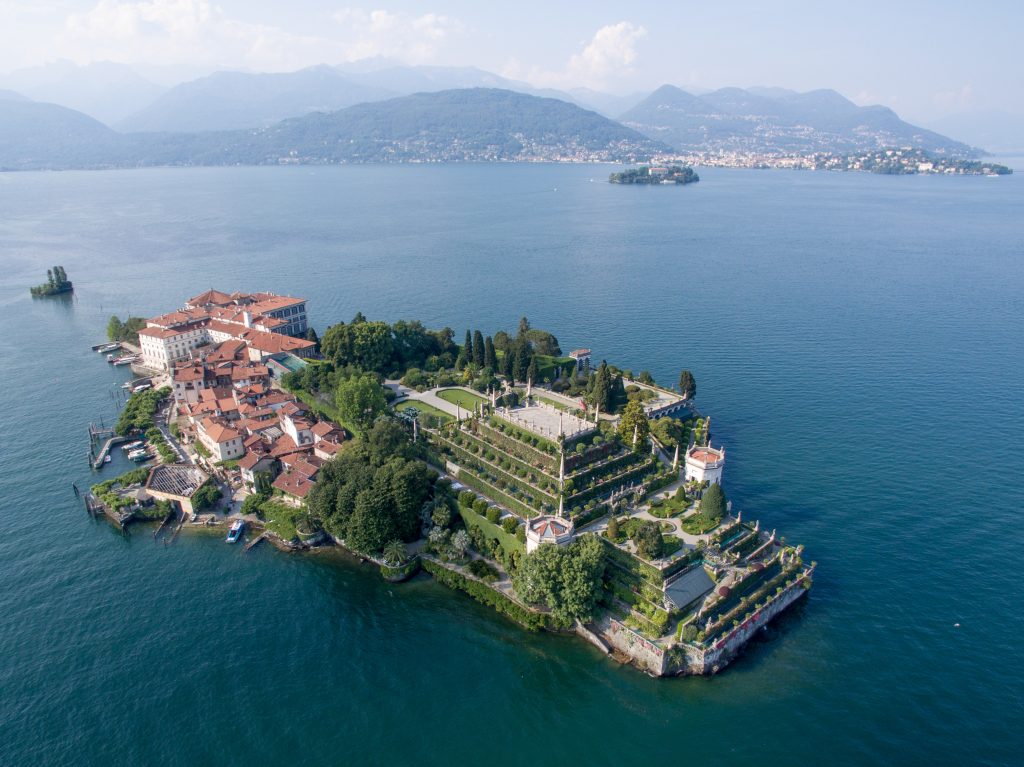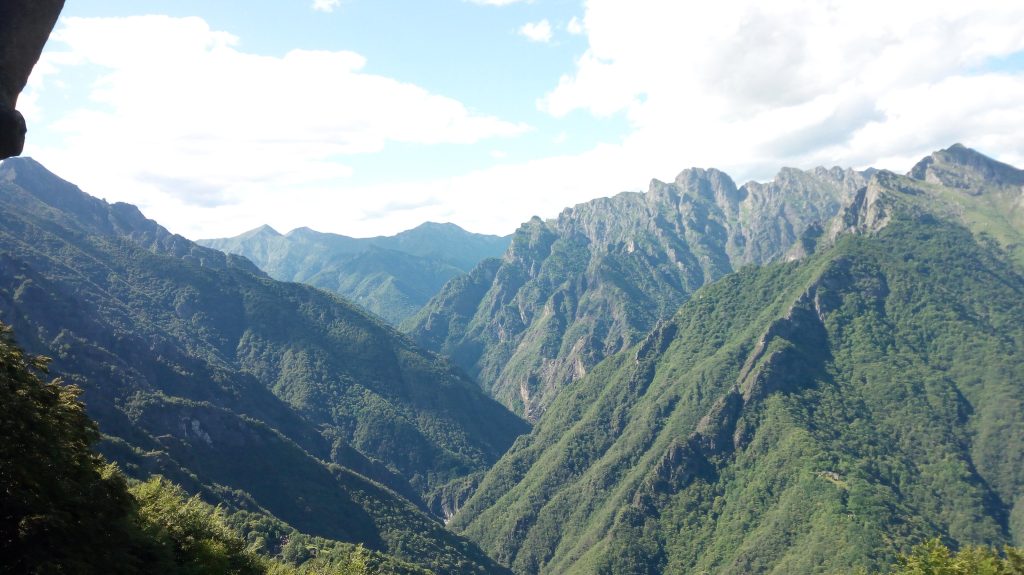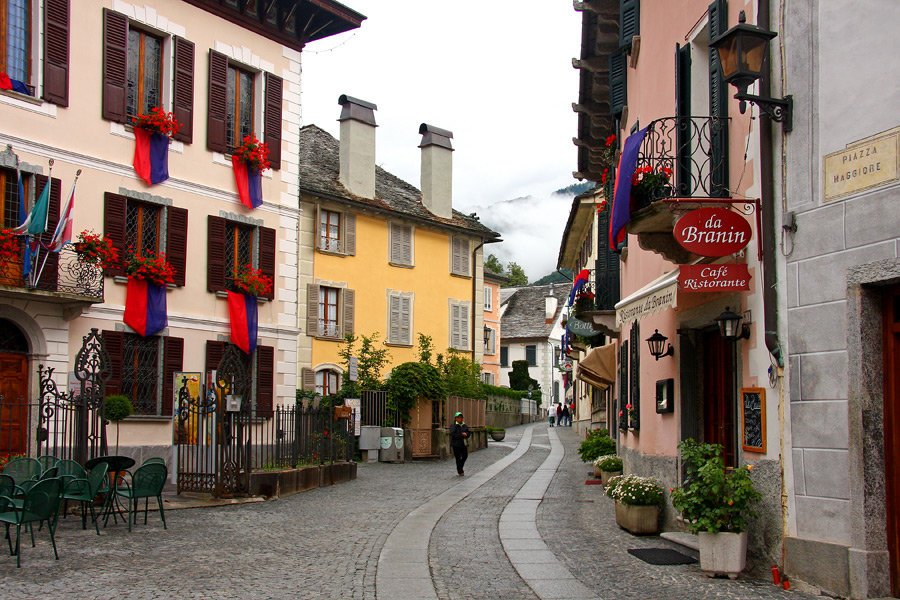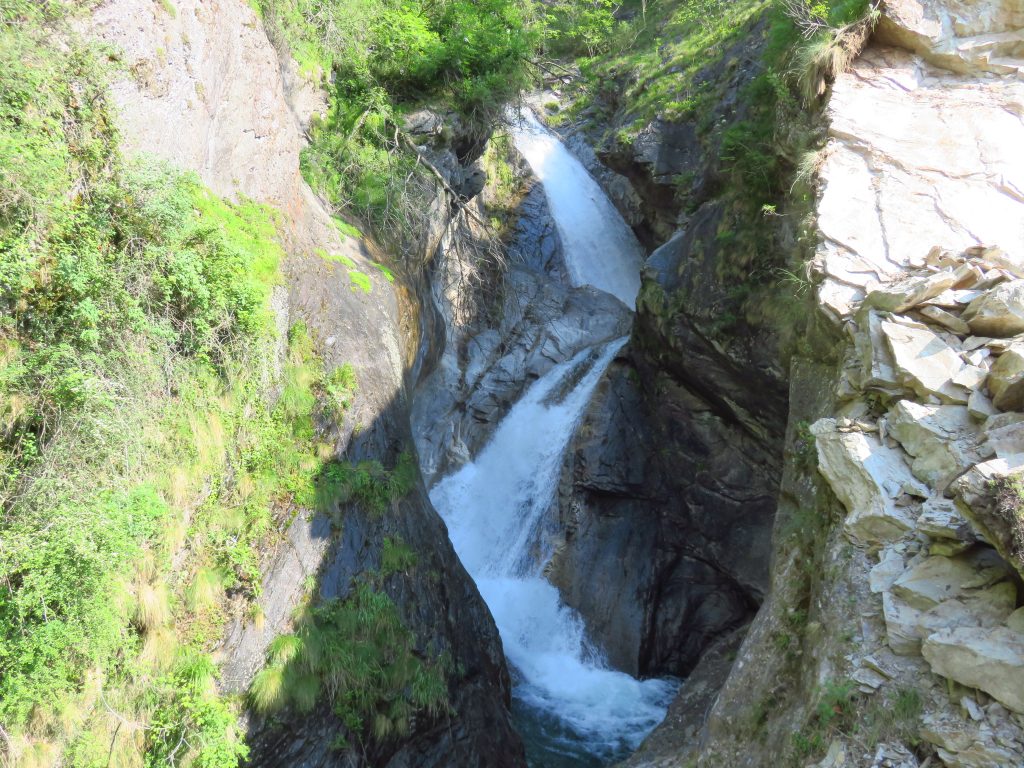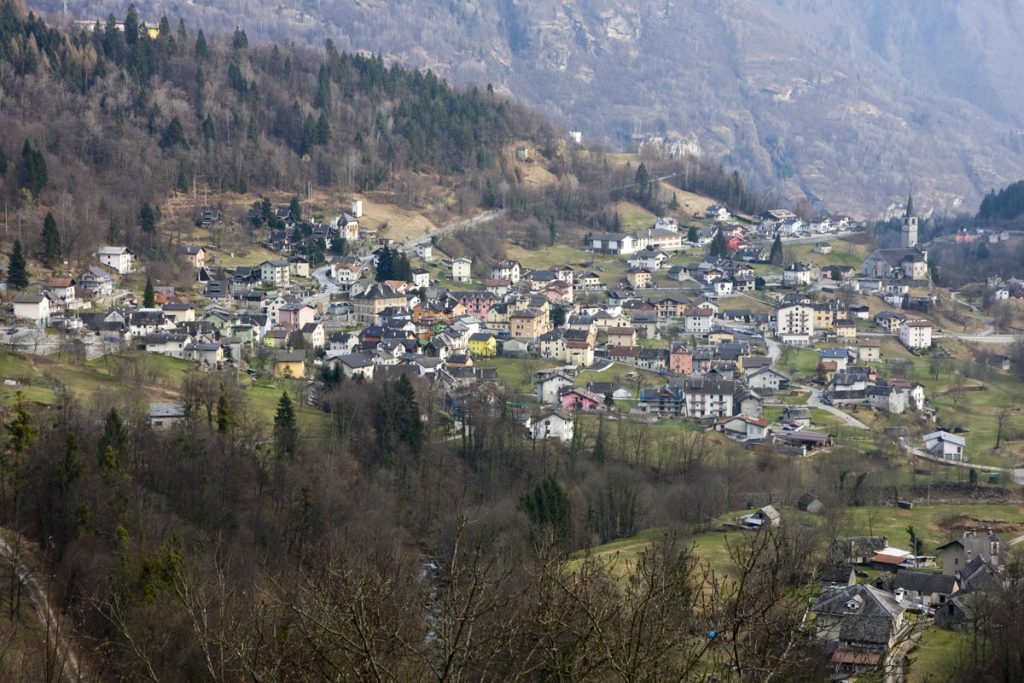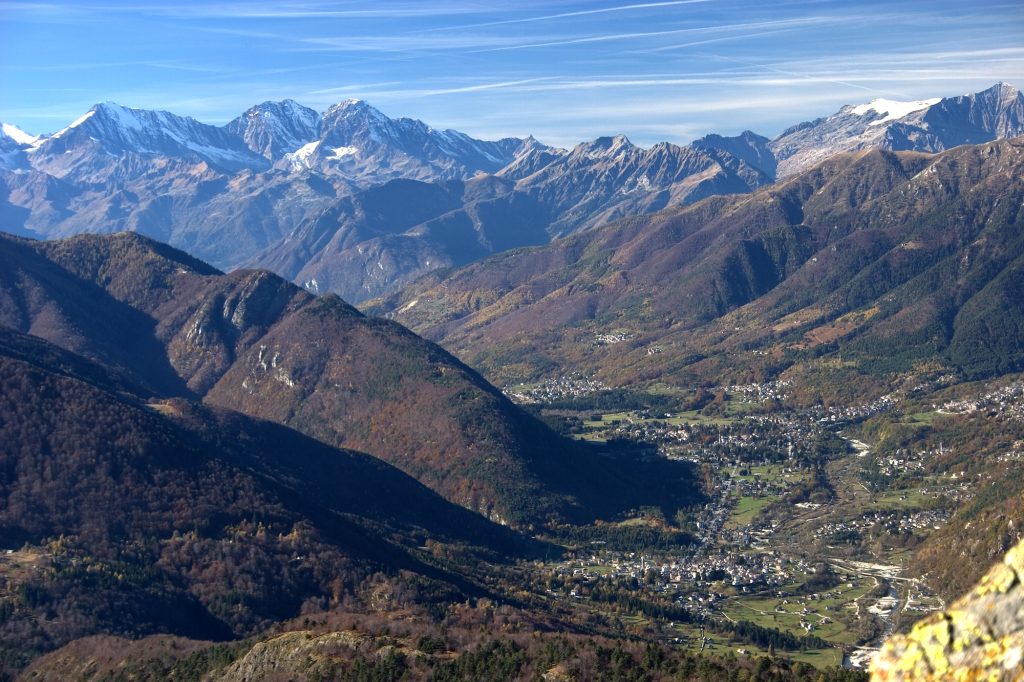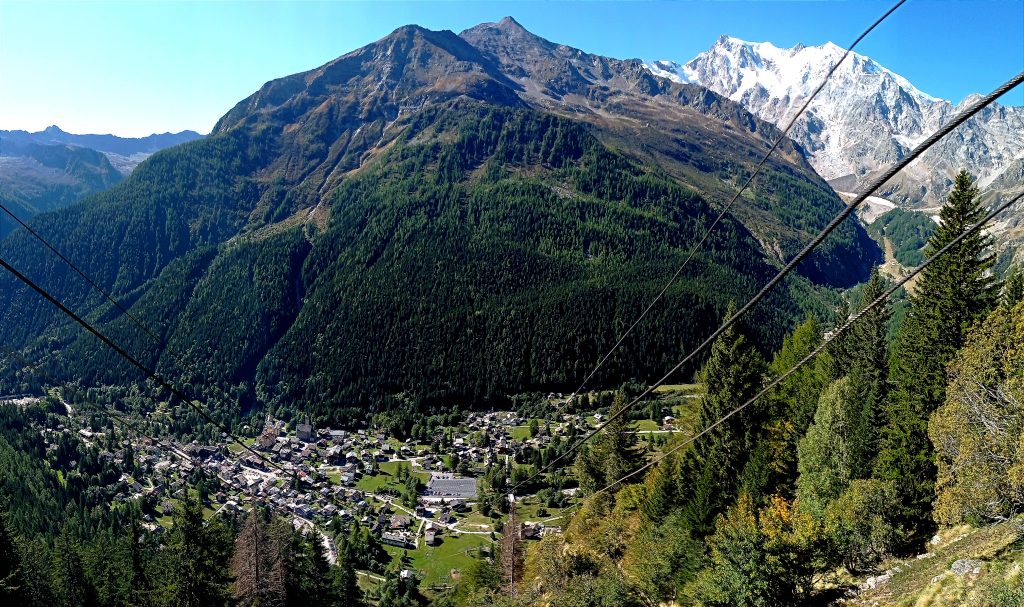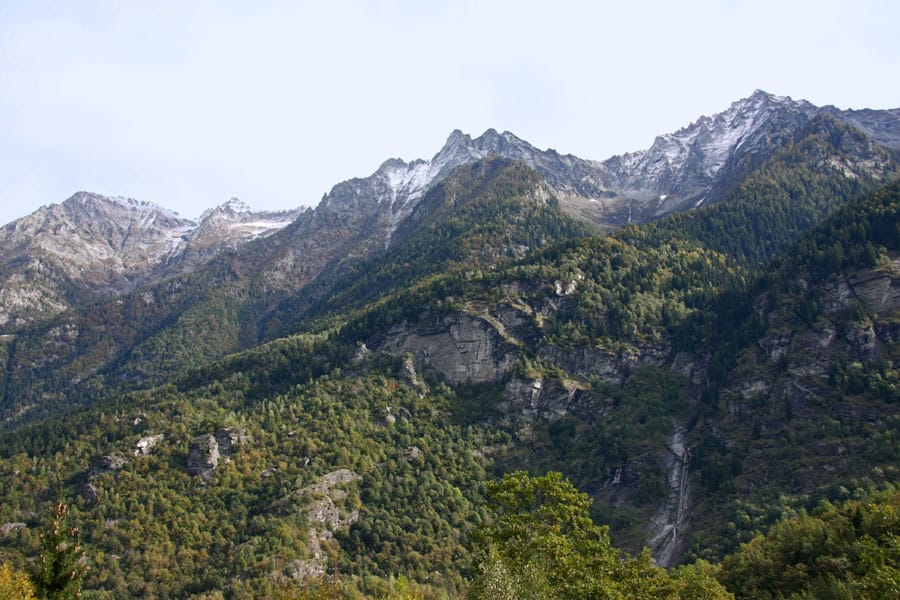
The Valle Antrona is described in Alpine literature with adjectives such as “remote”, “solitary” and “wild”: an area that has preserved an almost unspoilt natural environment, with more modest signs of human presence than in many other Alpine valleys.
A lake created by a landslide
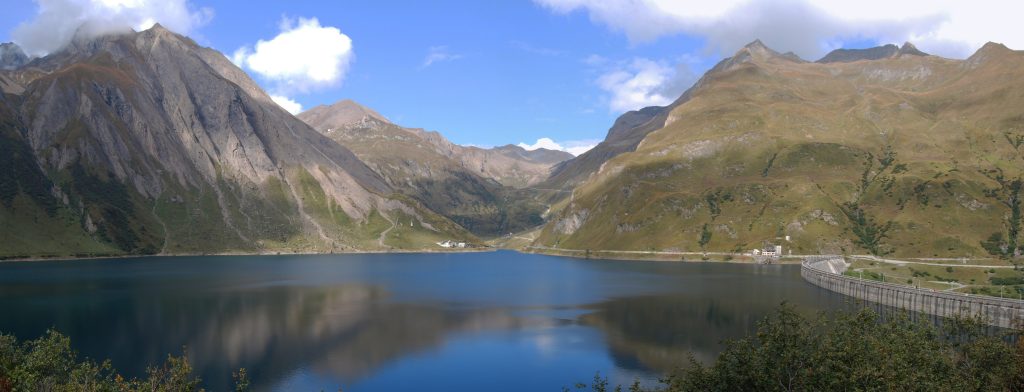
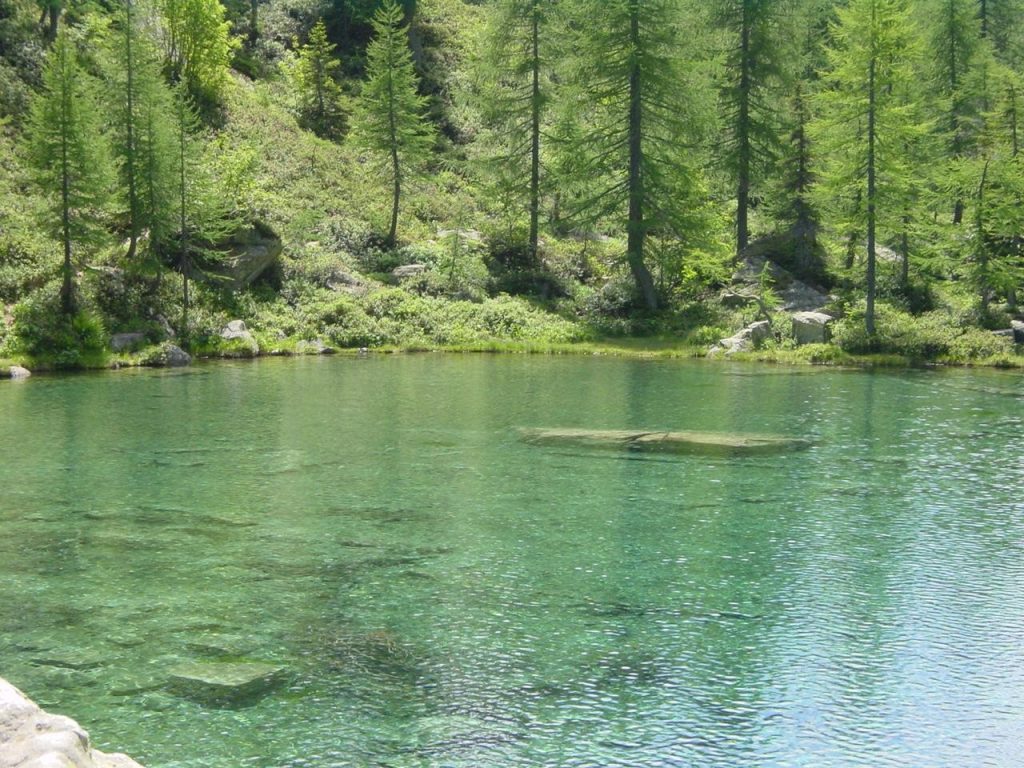
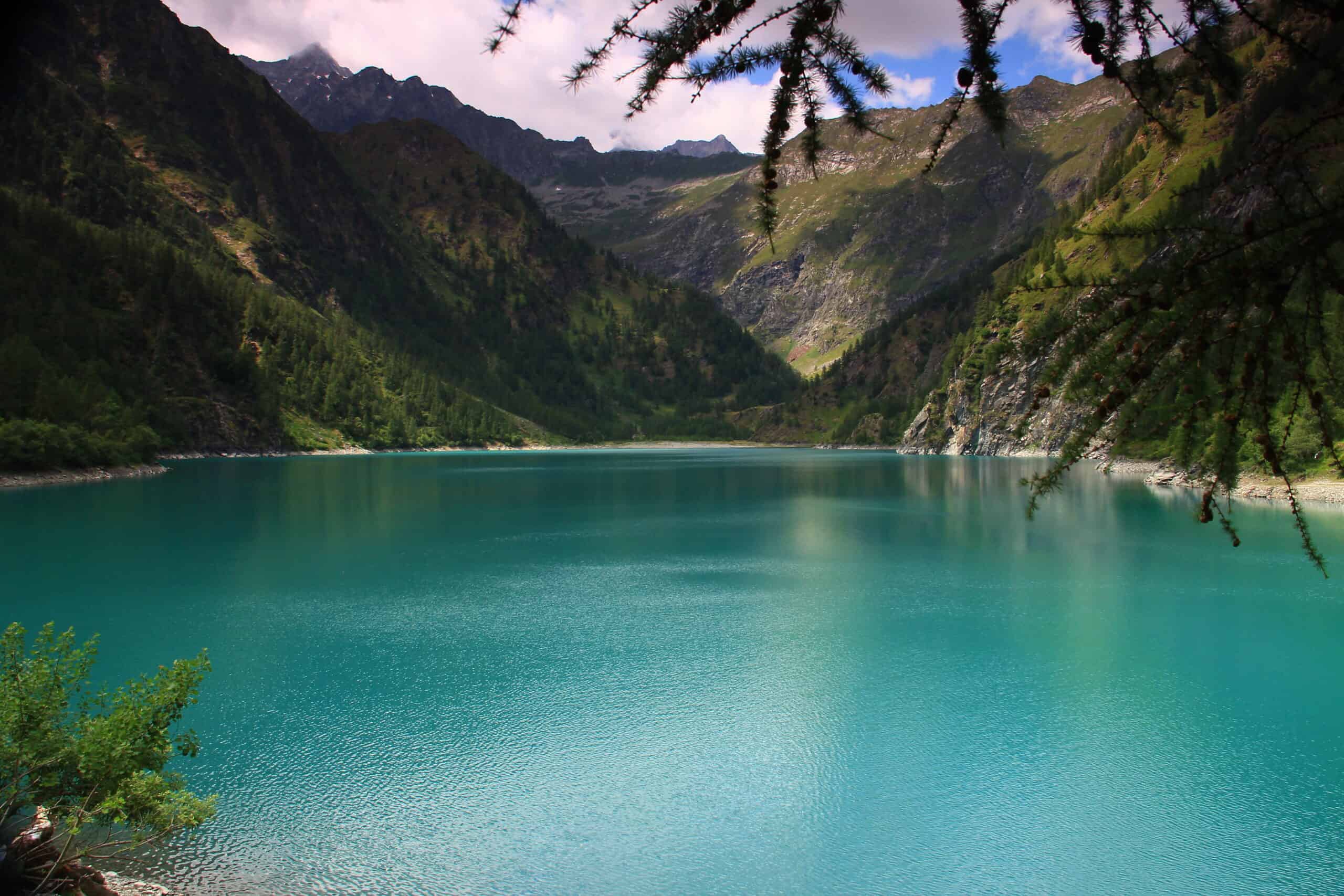
Lake Antrona, at around 1,070 metres above sea level, has a surprising origin: it was formed on 27 July 1642, when a massive landslide from Monte Pozzuoli blocked the course of the Troncone stream, creating the body of water that still enchants visitors today with its green and blue reflections, surrounded by steep mountains and a silence that changes tone with every step.
Gold, iron and the great 20th-century dams
Human presence in the valley became established over the centuries mainly thanks to intensive mining activity: gold in the upper valley and iron in Val Brevettola. In the first half of the 20th century, the valley underwent major hydroelectric development, with the construction of a network of five artificial lakes: Antrona, Campliccioli, Cingino, Camposecco and the Bacino dei Cavalli, along with their respective dams, which are still part of the landscape today.
A protected natural park
Much of the area is now protected by the Parco Naturale dell’Alta Valle Antrona, which safeguards its unspoilt nature and the trails winding among the high-altitude lakes.
Valle Antrona, next to Valle Vigezzo
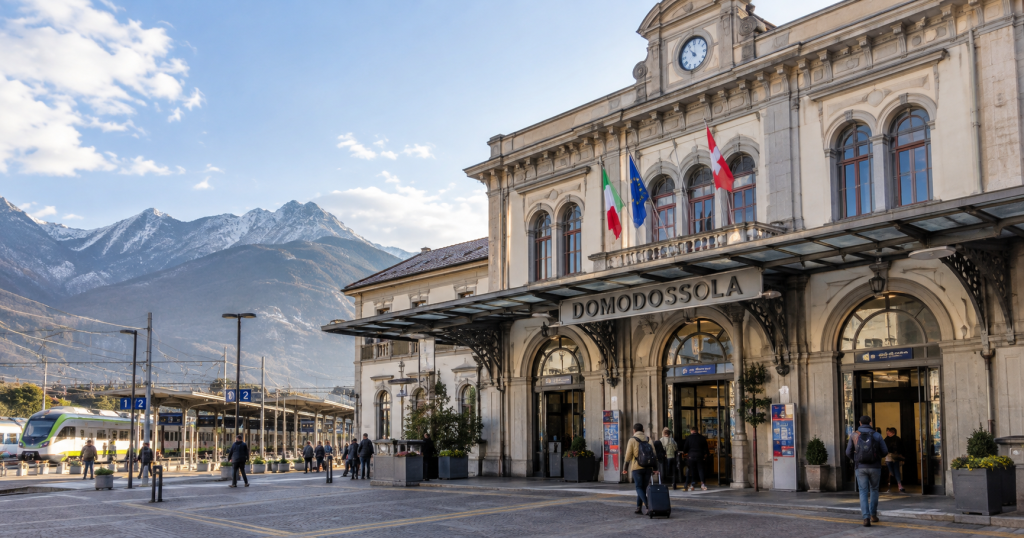
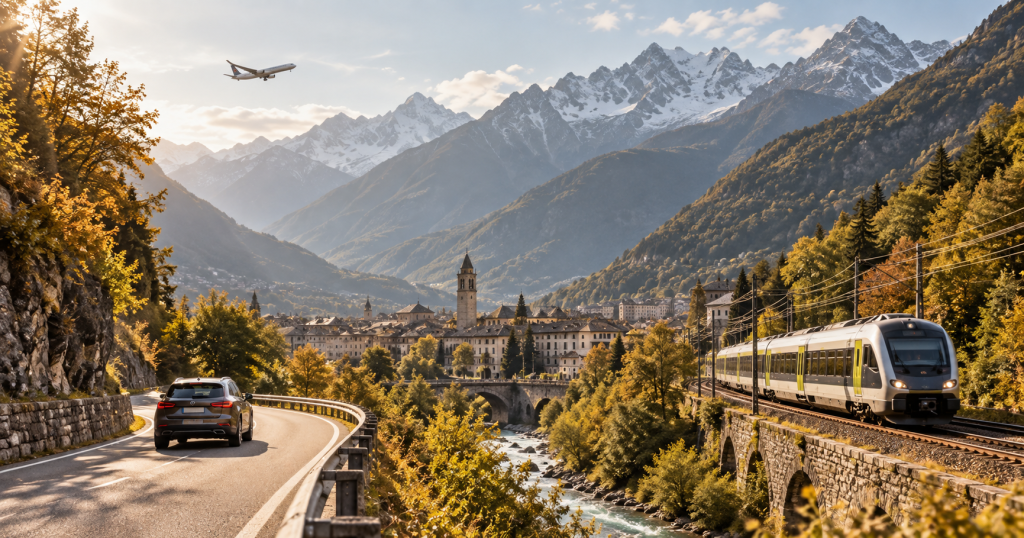
The valley lies not far from Valle Vigezzo and Val Bognanco, and is a starting point for Villadossola. For more information on routes and history, refer to the Parco Naturale dell’Alta Valle Antrona.
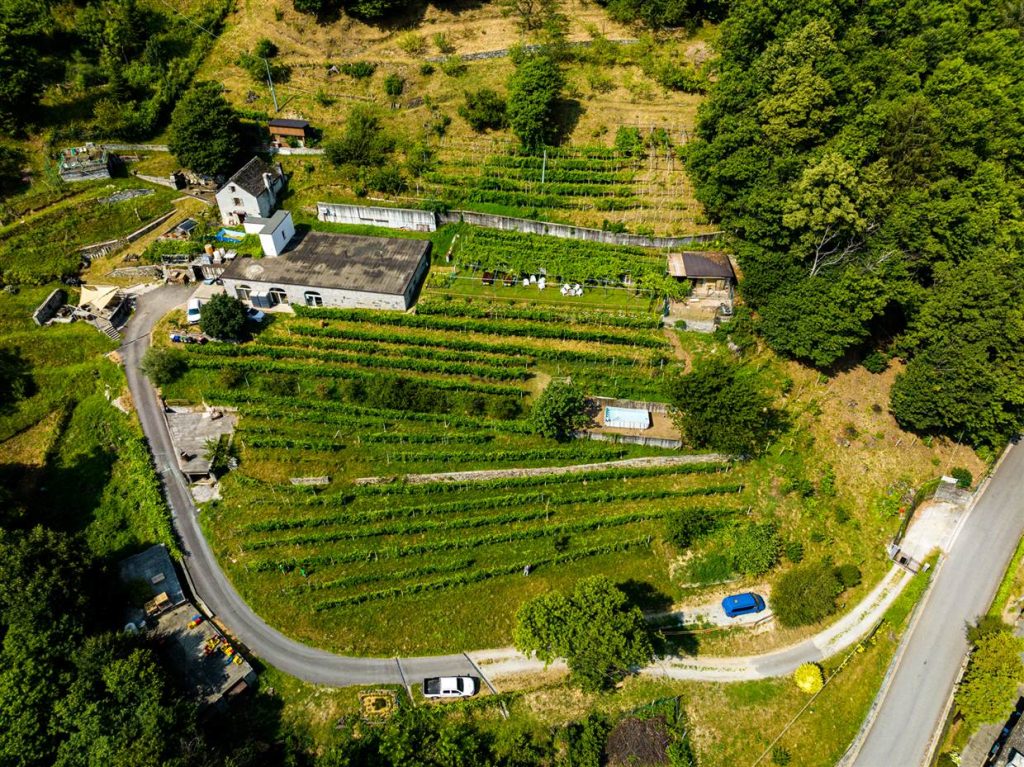
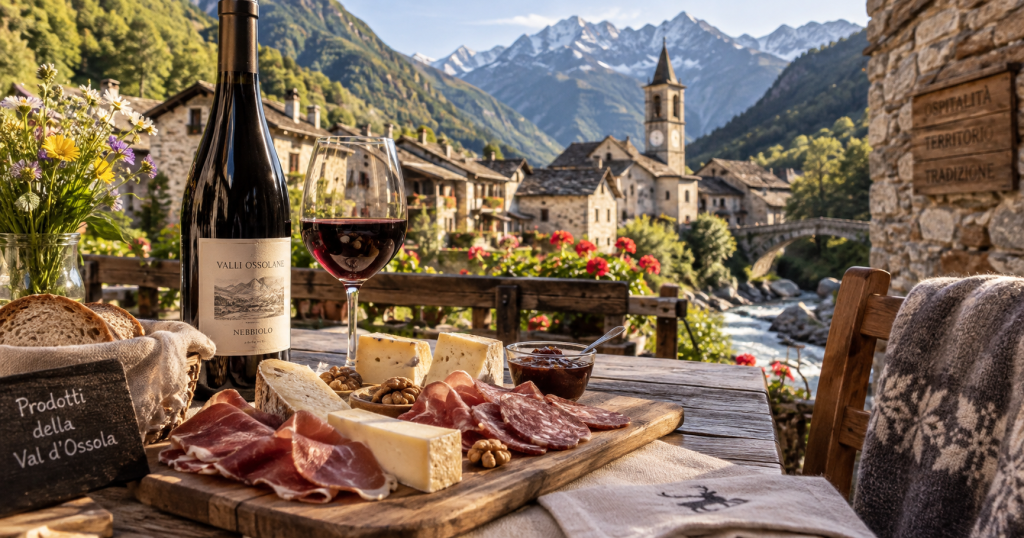
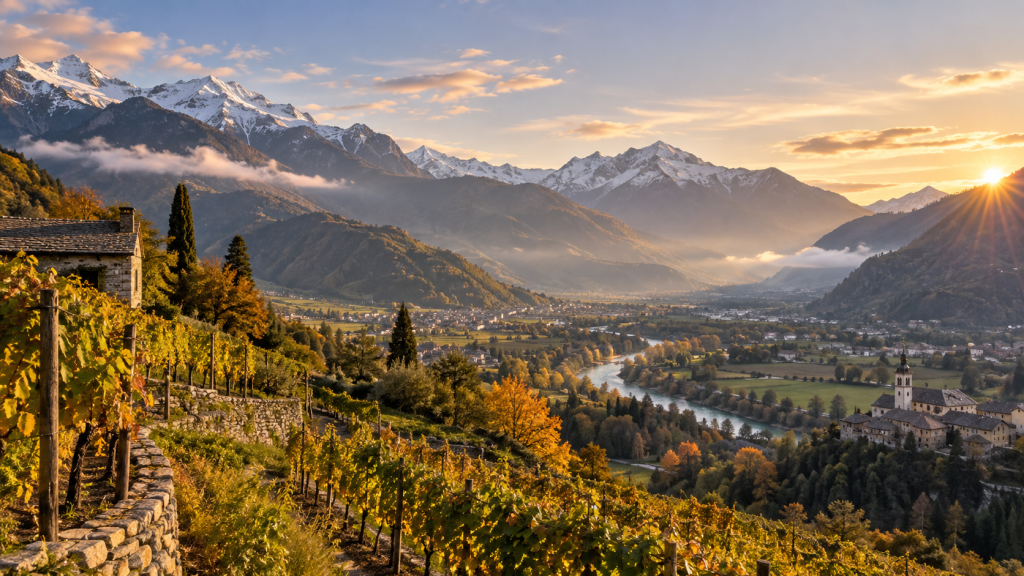
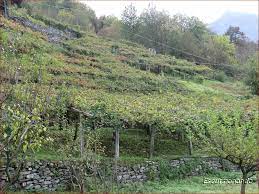
After a hike among the lakes, the vineyards of the Ossola valley floor offer a final stop with a tasting.
An experience for those seeking silence
Those who visit Valle Antrona in search of authentic Alpine solitude are rarely disappointed: the area’s limited human development, combined with the beauty of its artificial lakes, makes it one of the ideal destinations for anyone wishing to escape, even for just a few hours, from the busier tourism of Lake Maggiore, without giving up relatively easy access.
Dams as a modern attraction
Paradoxically, the great dams built in the 20th century for hydroelectric power generation have themselves become an attraction for hikers: the trails linking them together, passing by Lakes Cingino, Camposecco and Campliccioli, now offer trekking routes of great scenic appeal, combining industrial history and natural beauty.
A future between conservation and sustainable tourism
Local institutions are working to balance the conservation of Valle Antrona’s natural environment with sustainable tourism that enhances its distinctive features without compromising its fragility: a delicate balance requiring constant attention, but one that can ensure lasting benefits for both the environment and the local economy.
One final note: the lack of intrusive tourist infrastructure in Valle Antrona should not be seen as a limitation, but as a conscious choice to preserve an environment that is now rarely found intact elsewhere.
Wild and silent, just as it should remain.
Wild by choice, authentic by nature.
One final note on Valle Antrona: its still-wild nature represents a heritage that is increasingly rare to find just a few hours’ journey from the major urban centres of Northern Italy.
Wild by choice, authentic by nature, unique by good fortune.
Wild by choice, authentic by good fortune.
Valle Antrona retains a wild character that is rare to find in other Alpine areas, with its artificial lakes and trails leading through forests and mountain pastures that are still little visited. It is an ideal destination for those seeking an authentic mountain experience, far from the more touristy centres of Val d’Ossola.
The valley’s artificial lakes, in addition to their hydroelectric function, offer panoramic views that more than reward the effort of reaching them on foot.