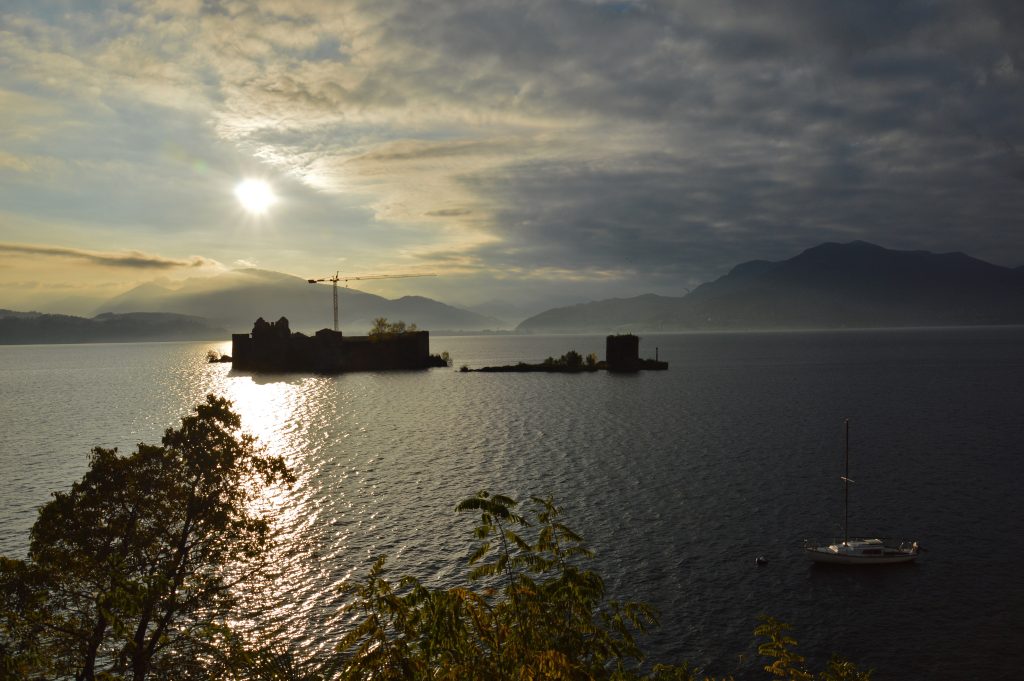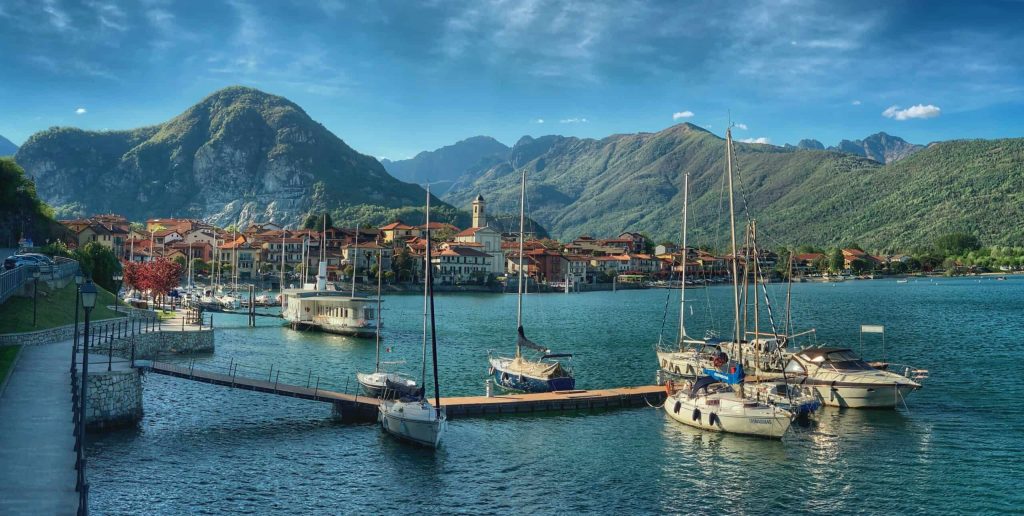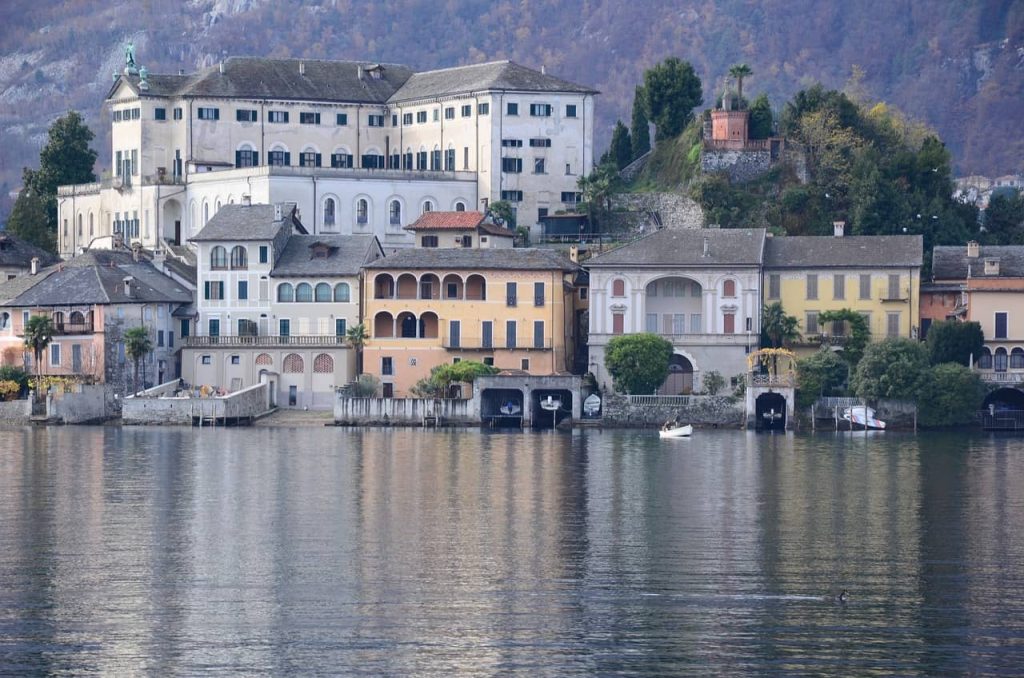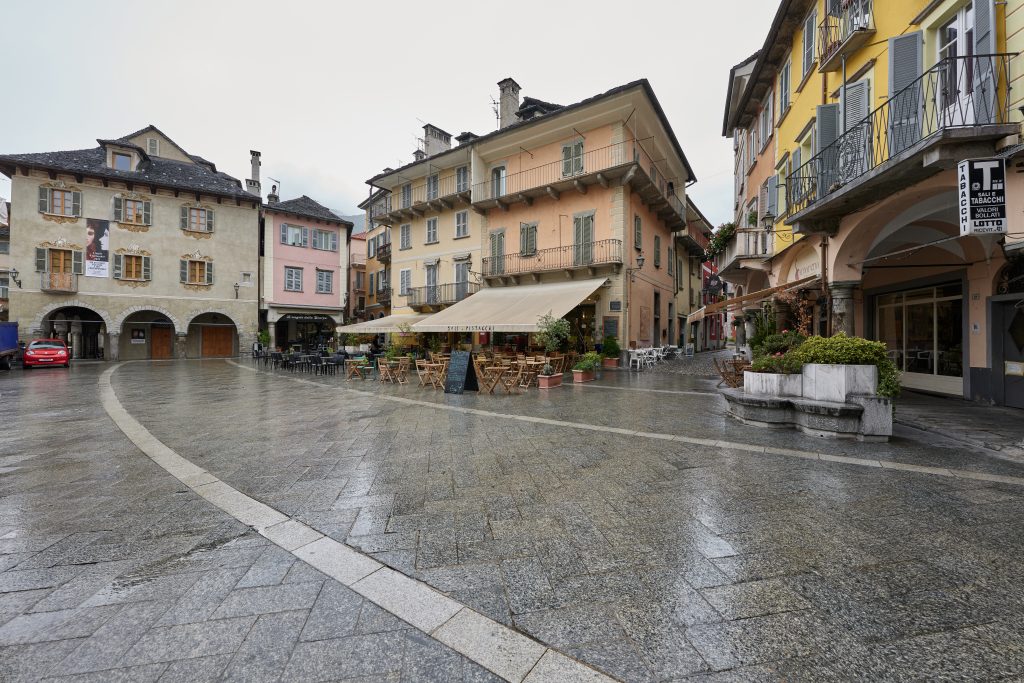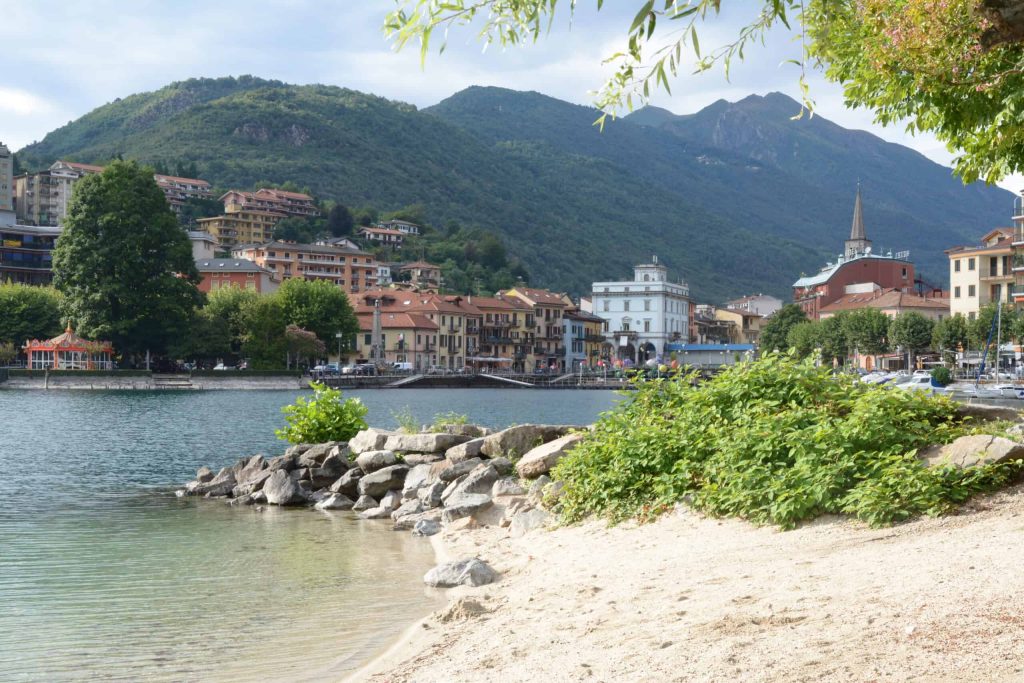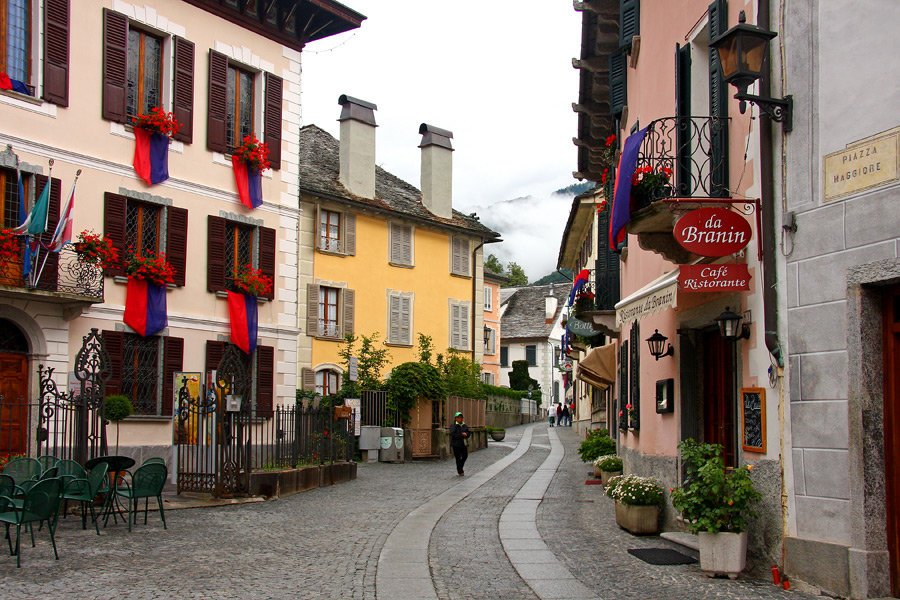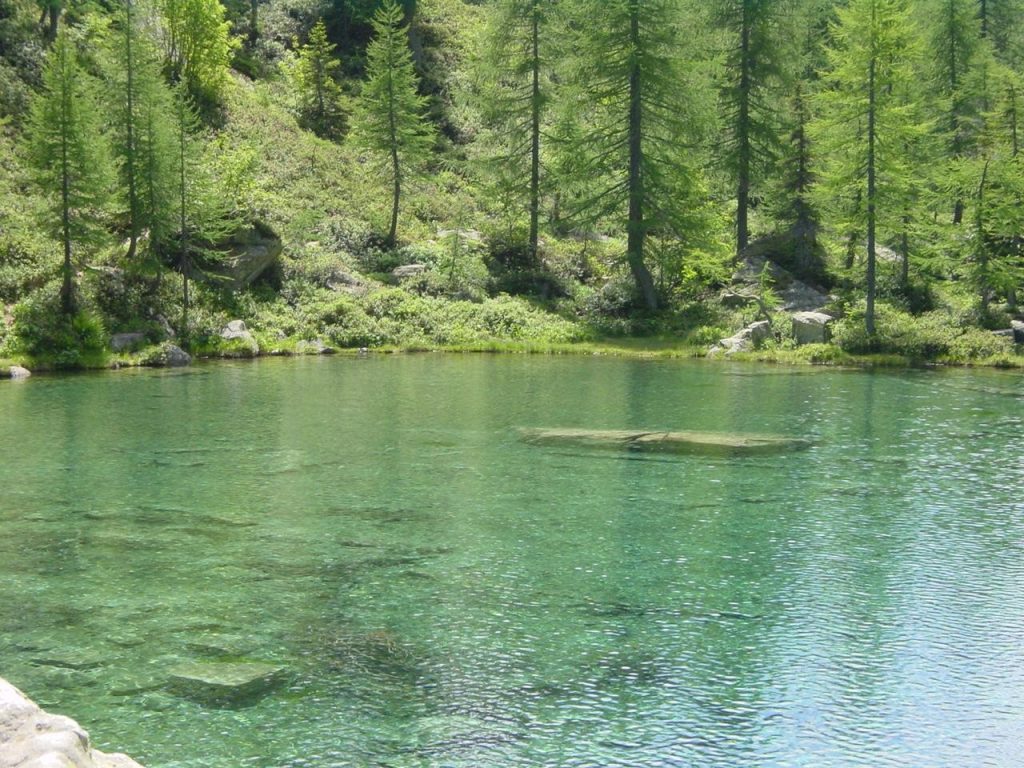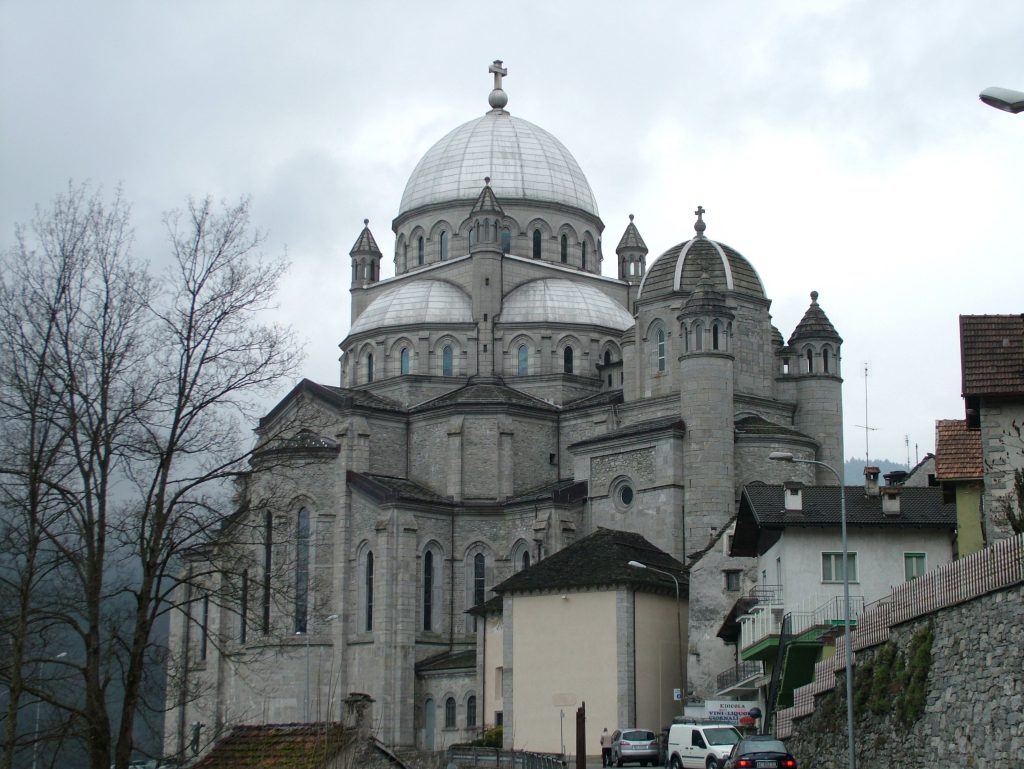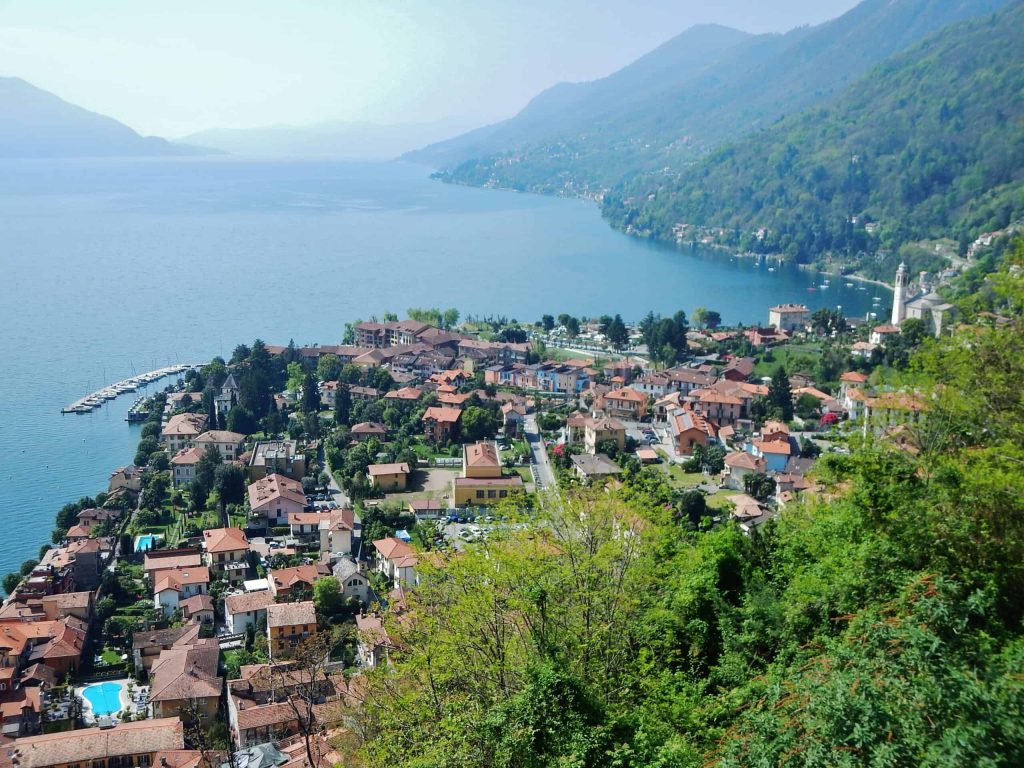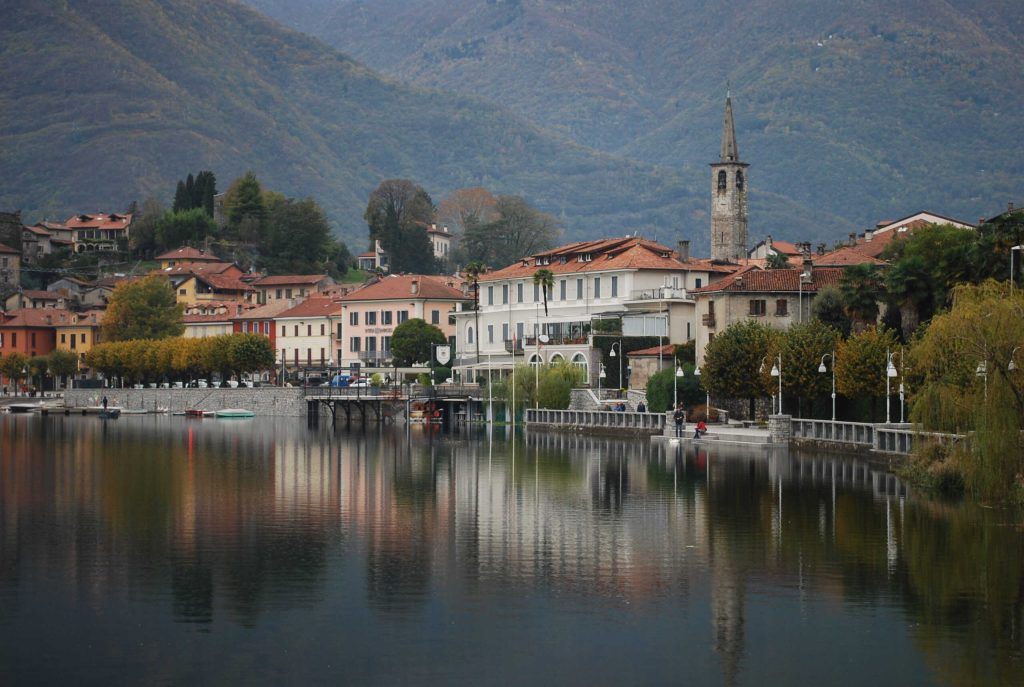
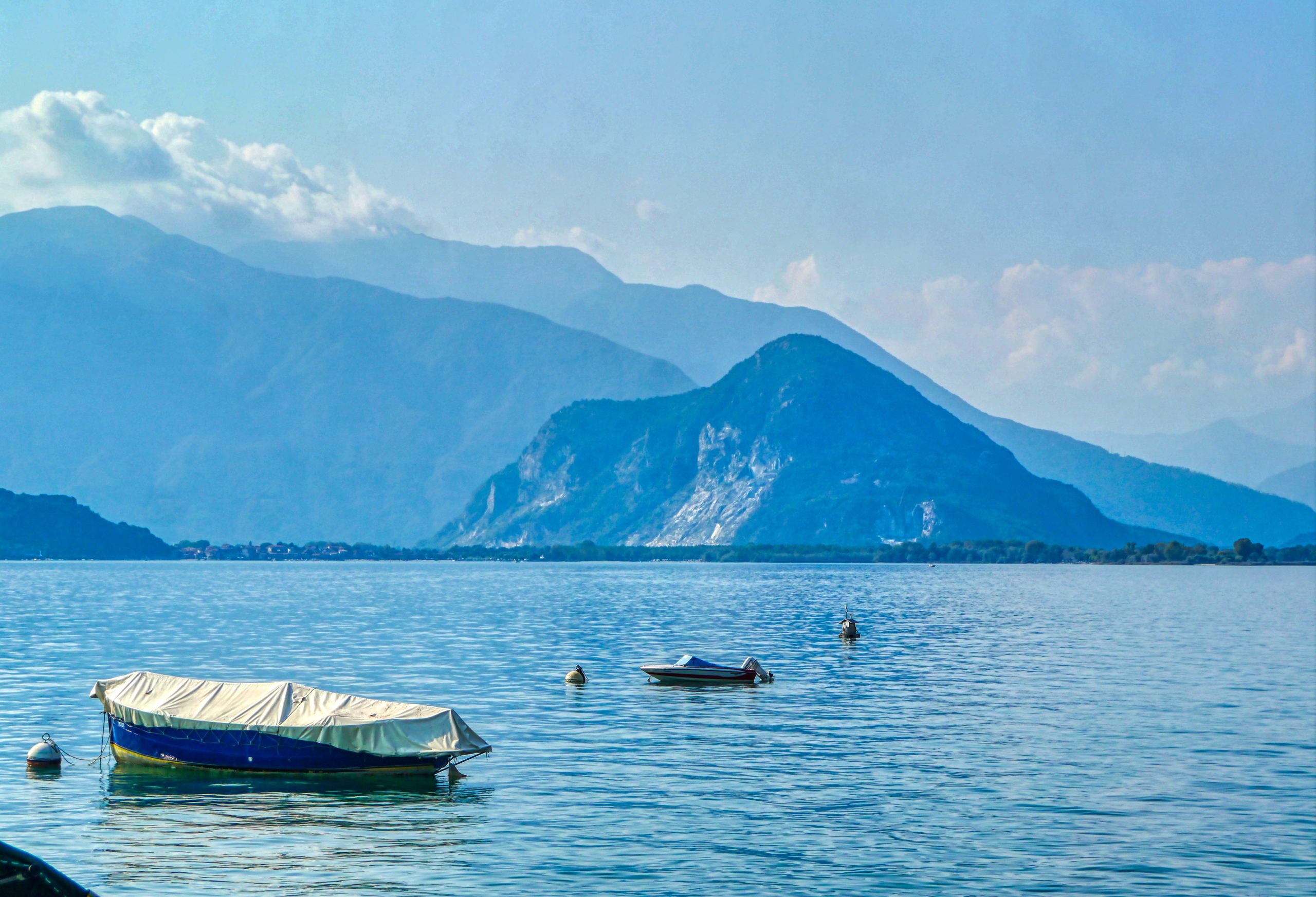
Verbania is the most important city on the Piedmontese side of Lake Maggiore and, since 1992, the capital of the Verbano-Cusio-Ossola province. Founded in the 1930s, it brings together four distinct identities: Pallanza, Intra, Suna and Fondotoce.
Pallanza, the elegant soul of the lake
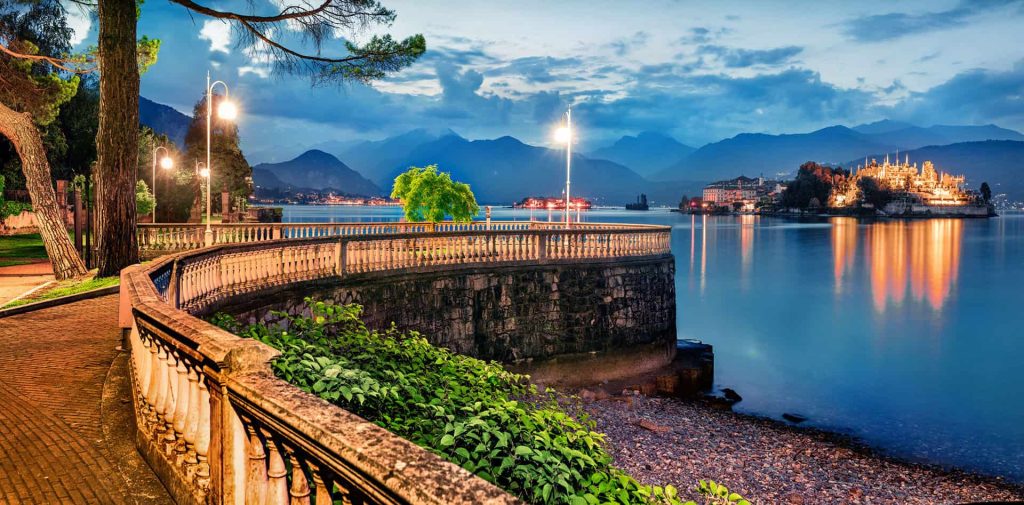
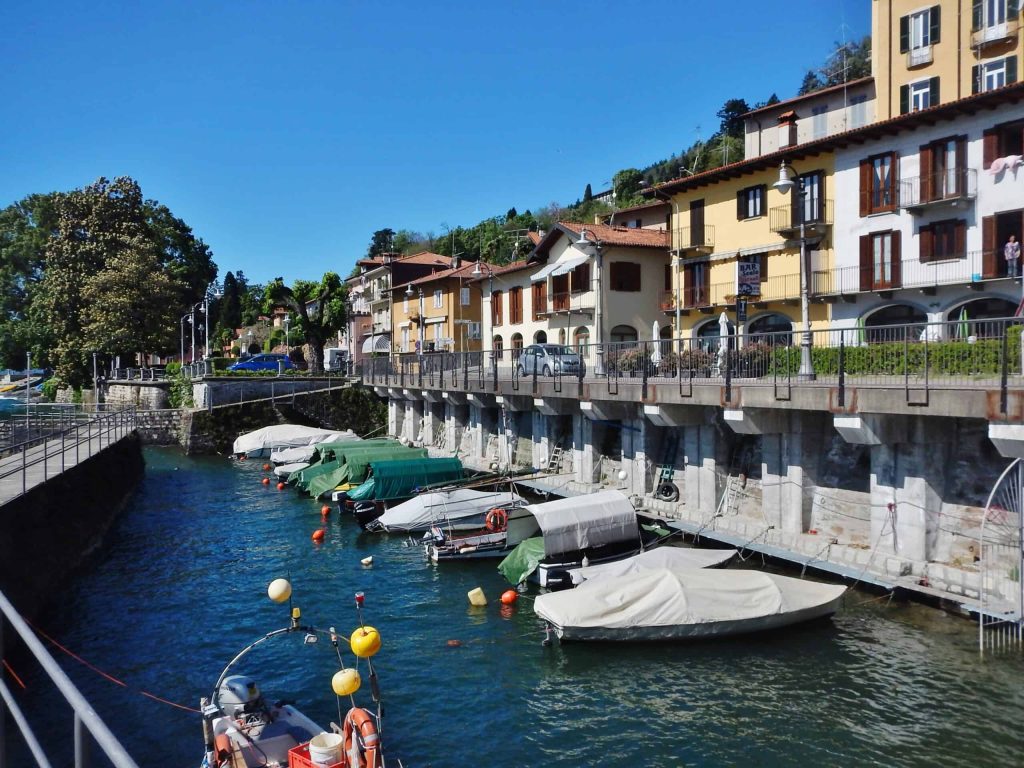
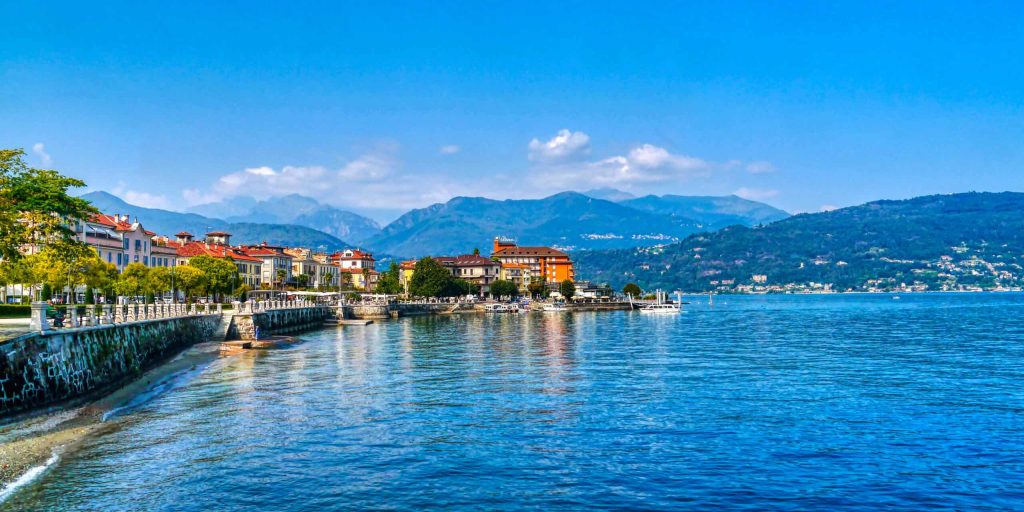
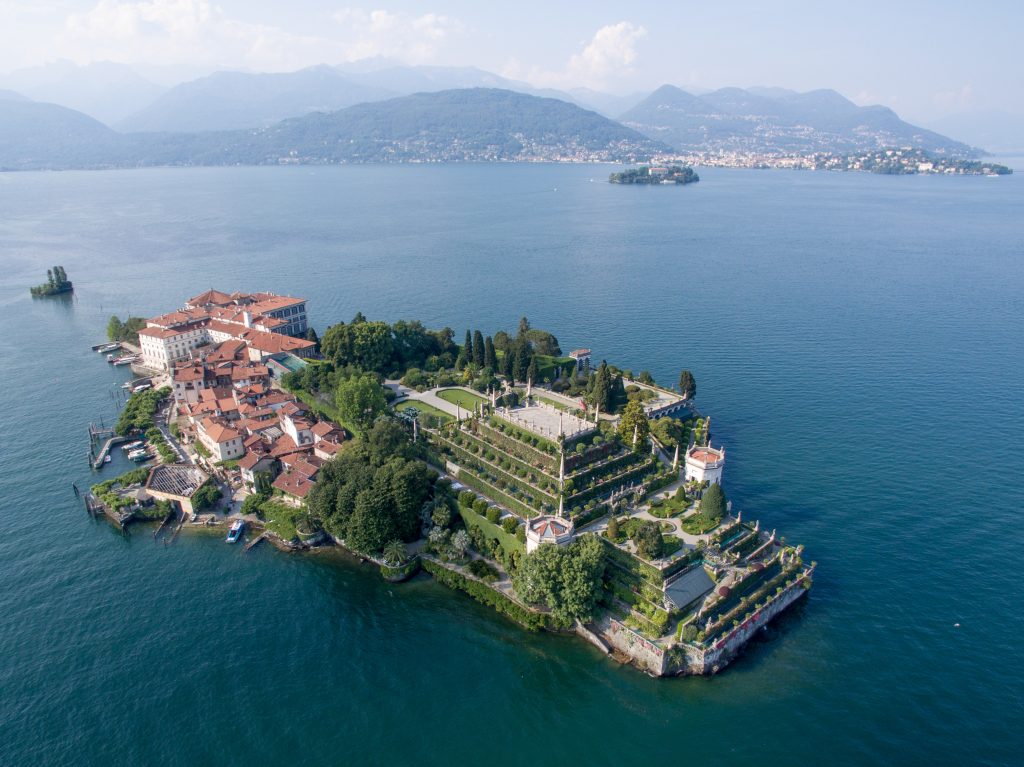
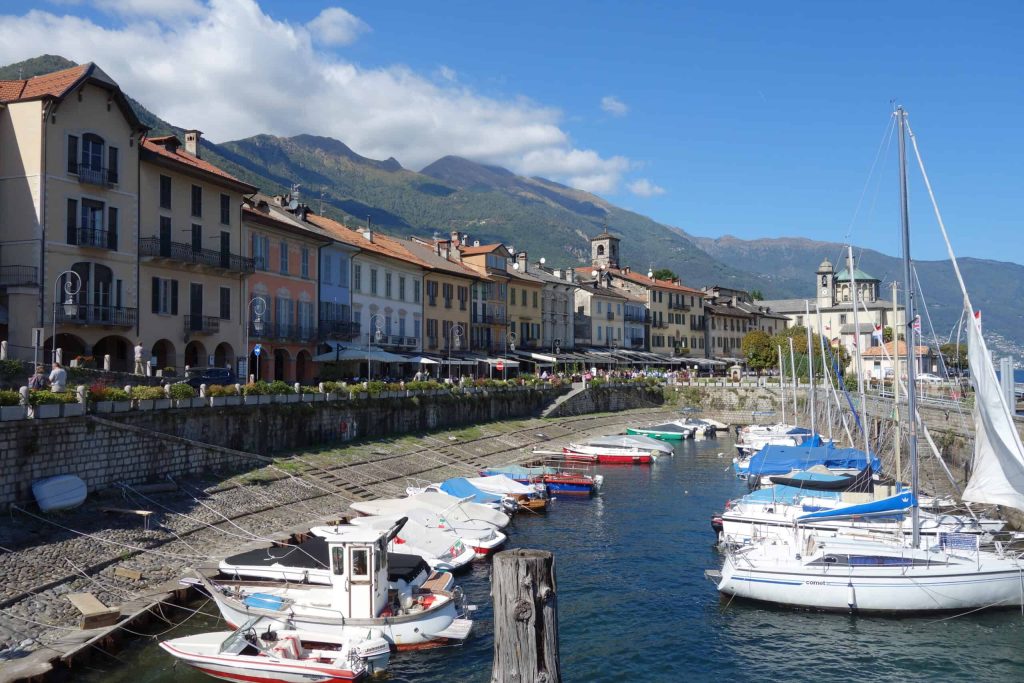
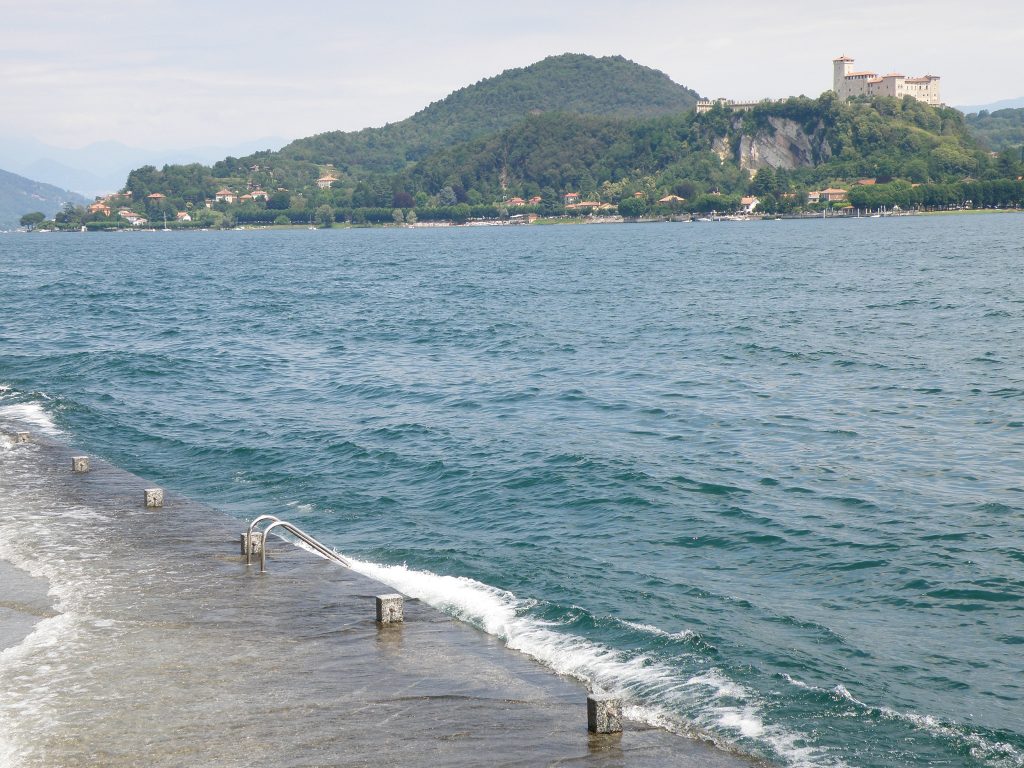
Pallanza is an ancient village of Roman origin, as evidenced by a 1st-century AD marble votive stele preserved in the Church of Santo Stefano. Over the centuries, it was owned by Novara, the Counts of Biandrate and the Visconti, before coming under Spanish rule in 1535 and finally passing to the House of Savoy in 1743. Today, its lakeside promenade, one of the most beautiful on Lake Maggiore, offers a walk among colourful façades, arcades and cafés, overlooking the Borromean Islands archipelago. Also worth seeing is the 16th-century Collegiate Church of San Leonardo, with its 65-metre-high bell tower and fine 17th-century wooden sculptures inside.
Intra, the most authentic face
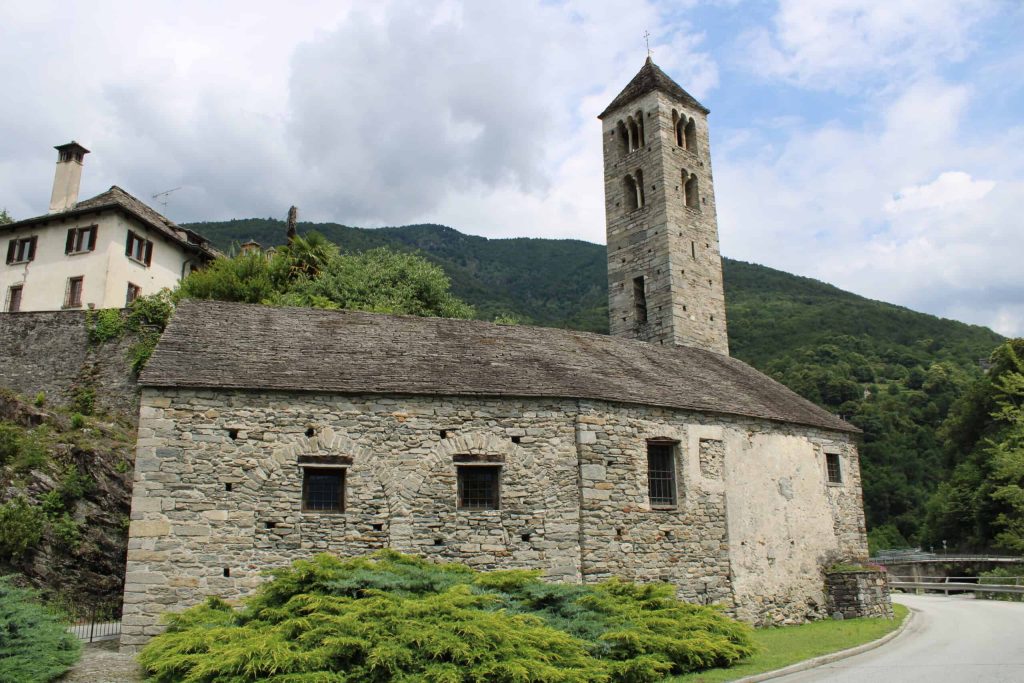
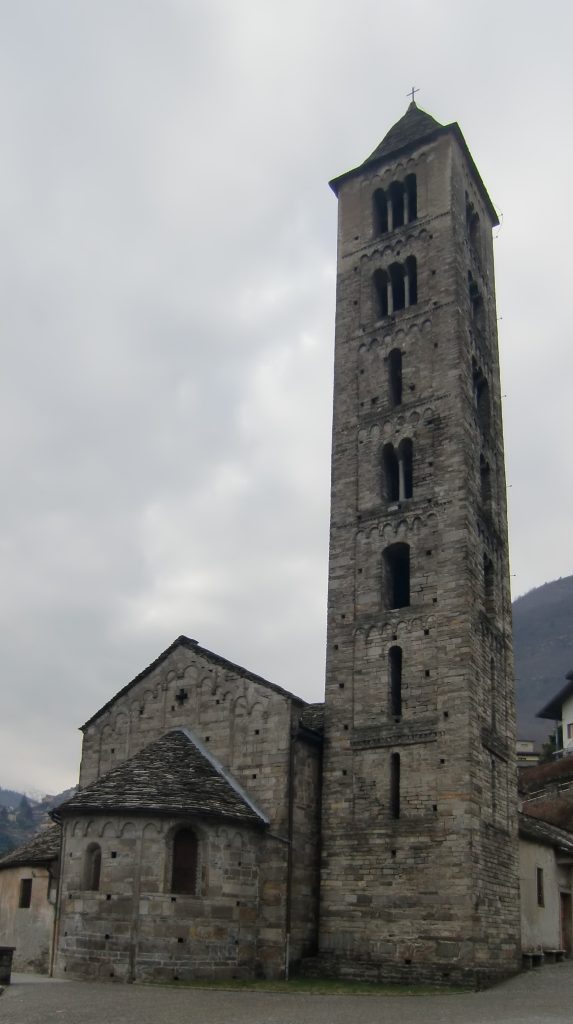
Intra, historically always linked to the Borromeo family, is home to the Basilica of San Vittore, an 18th-century national monument built on an area previously occupied by a building of probable early Christian origin. Not far away is the Oratory of San Remigio, a 12th-century medieval landmark with remains of contemporary frescoes and 15th-century paintings.
A city of over 30,000 inhabitants
With over 30,000 inhabitants, Verbania is the largest industrial and commercial centre on Lake Maggiore. Its economy is closely linked to tourism, thanks to its lakeside location and the many gardens, historic villas and natural landscapes that attract visitors from all over the world, but also to a strong artisan tradition, with local ceramics and textiles, and niche agriculture focused mainly on chestnuts and honey. The temperate, mild climate, thanks to the protection of the mountains and the presence of the lake, has made Verbania a tourist destination since the second half of the 19th century, earning it the title of one of Italy’s most flower-filled cities.
Historic villas and gardens
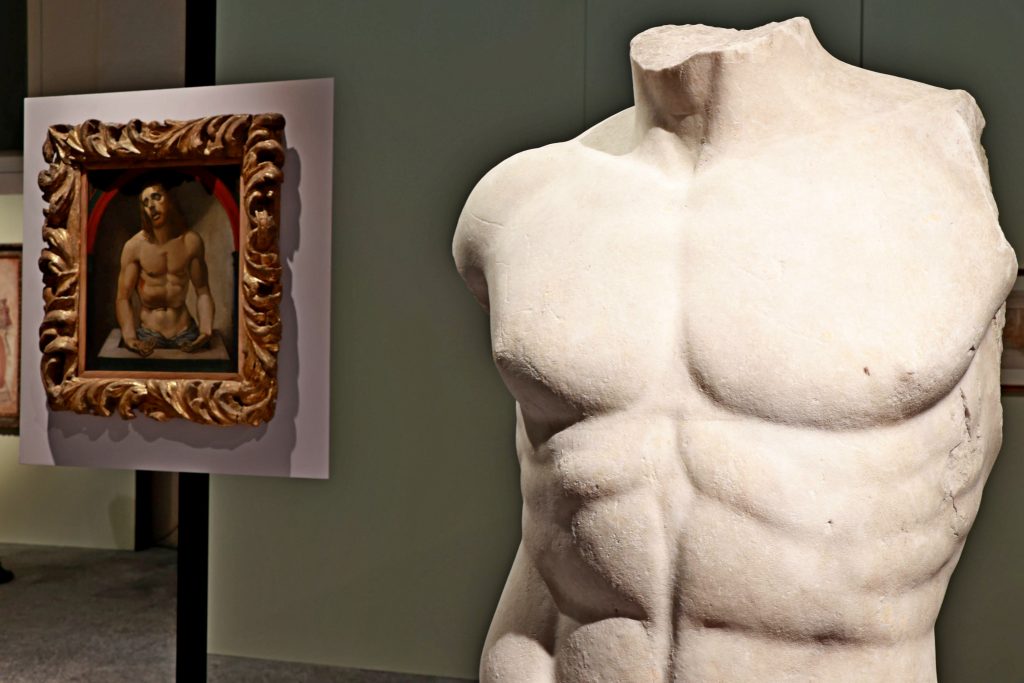
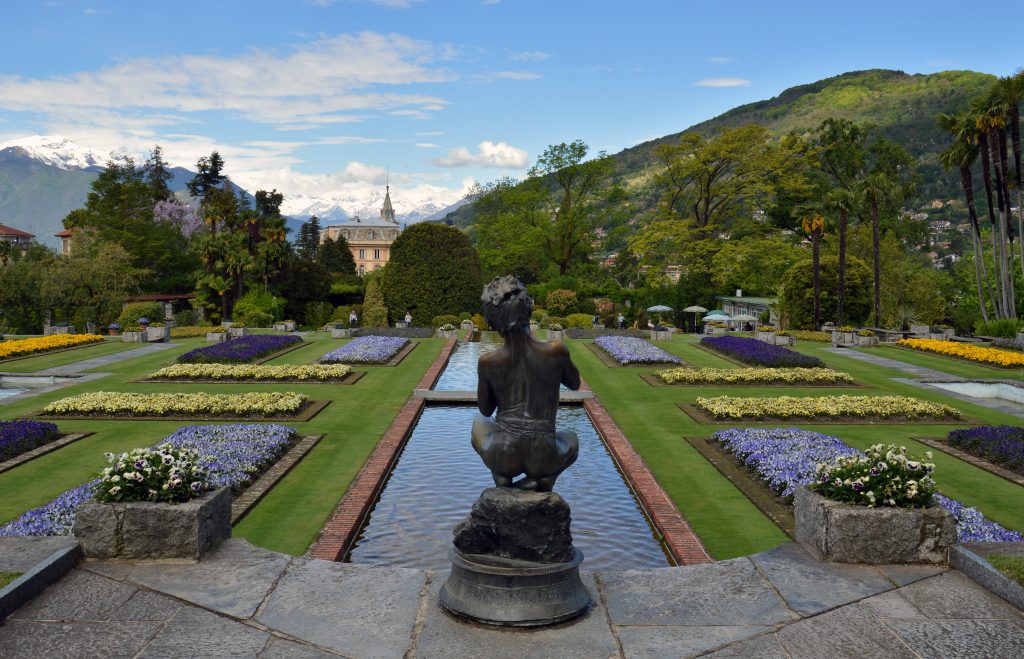
In addition to the famous Villa Taranto Botanical Gardens, the city has other charming 19th-century residences, such as Villa San Remigio and Villa Giulia, with gardens among the most visited in Europe. The city is also home to the Museo del Paesaggio, housed in Palazzo Dugnani, with works from the Lombard and Piedmontese schools.
Verbania and the Ossola hinterland
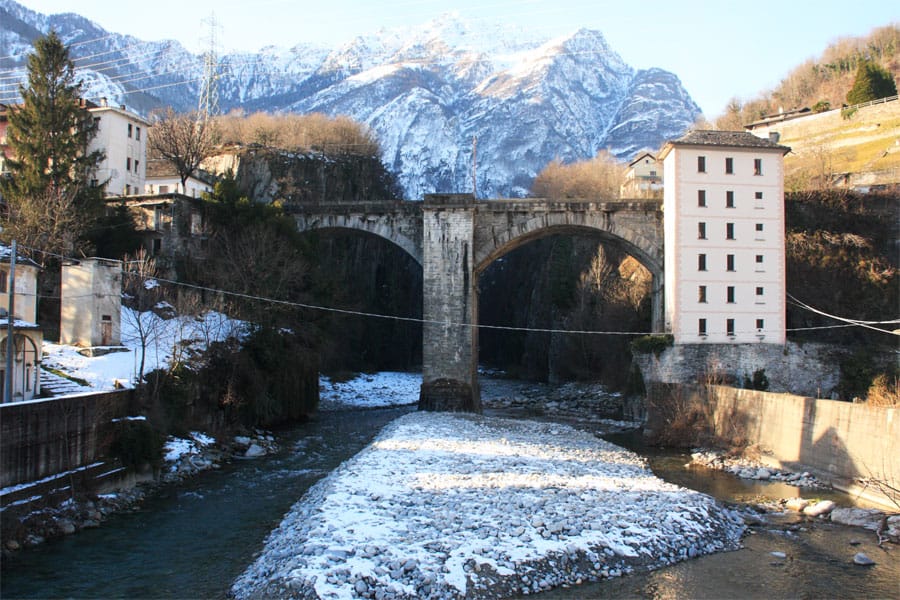
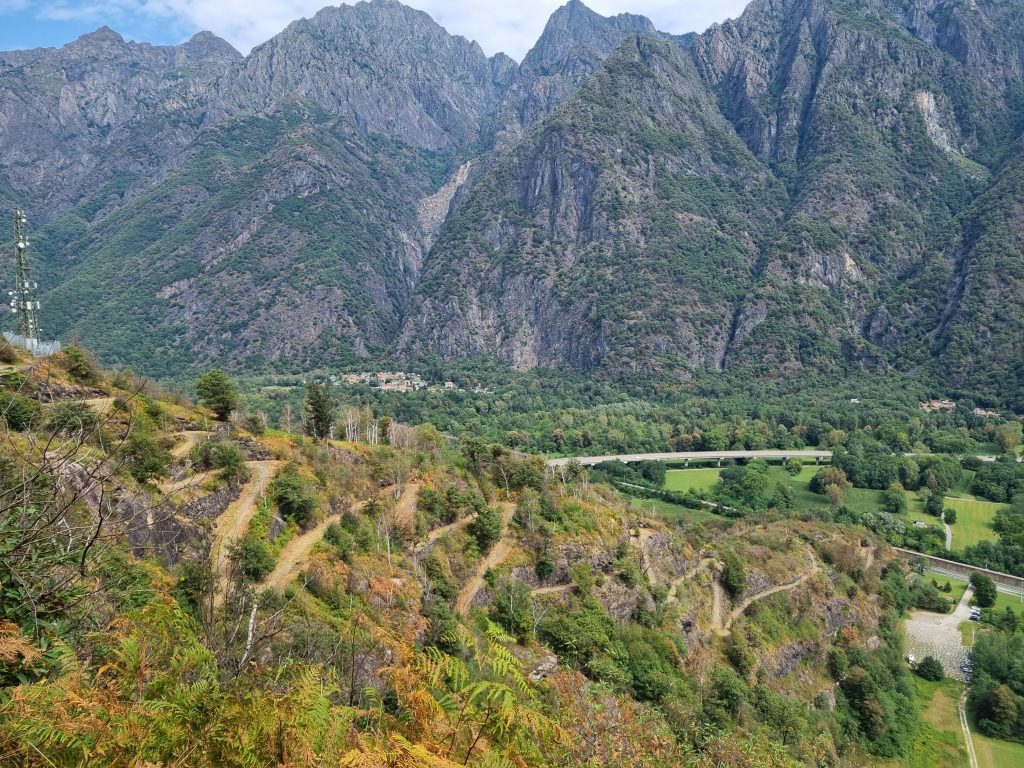
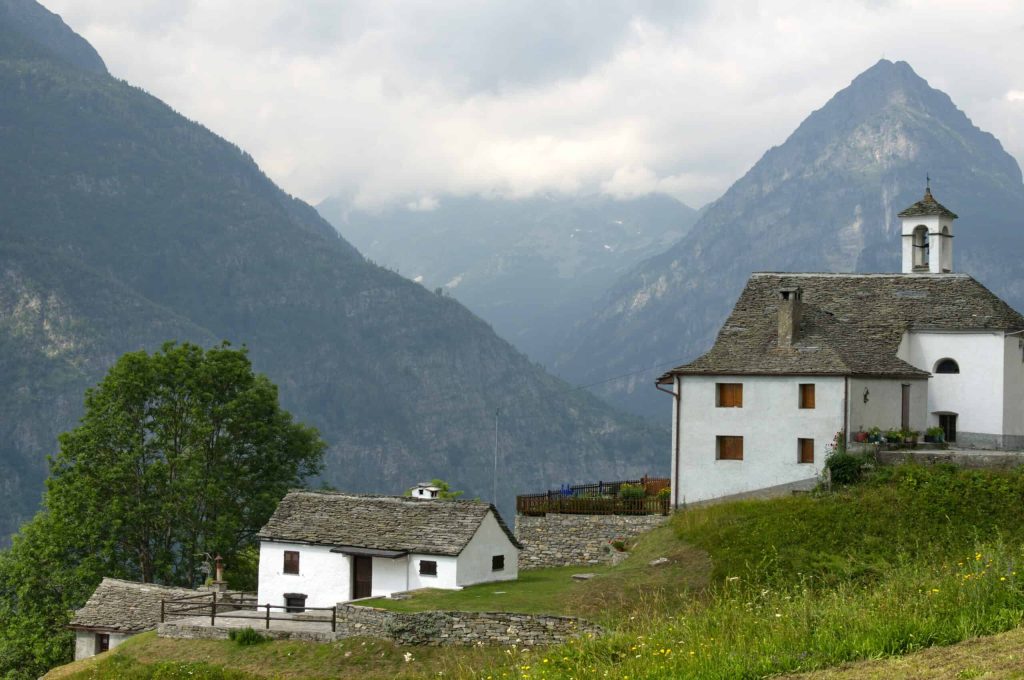
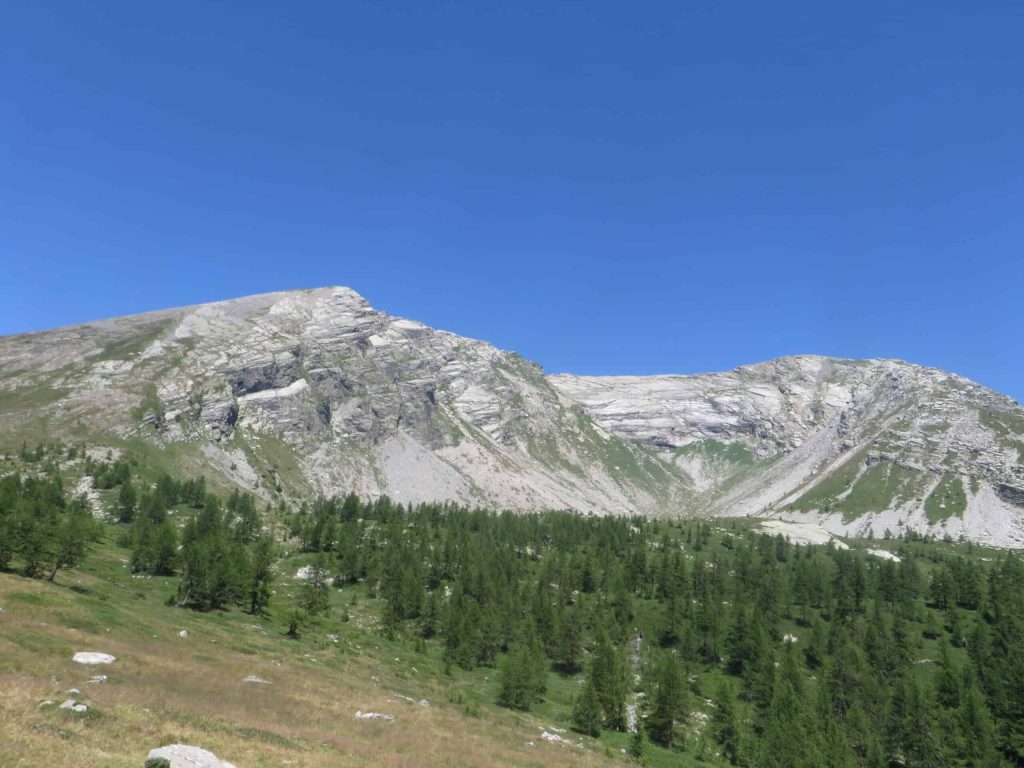
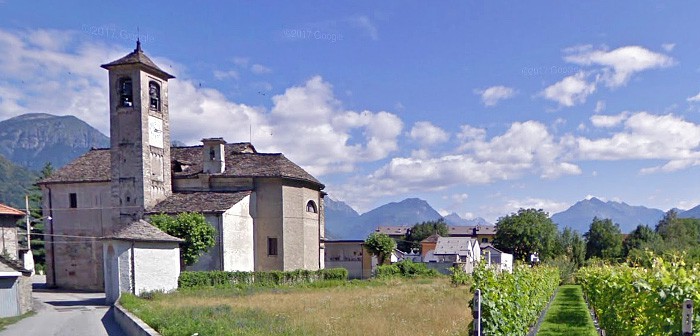
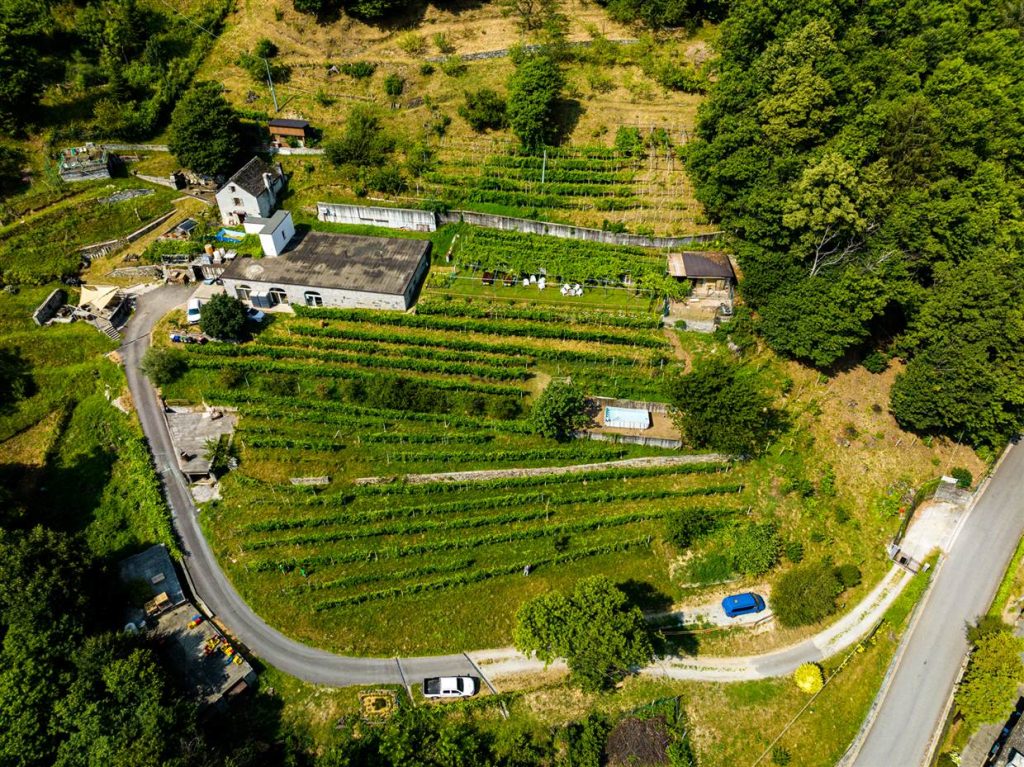
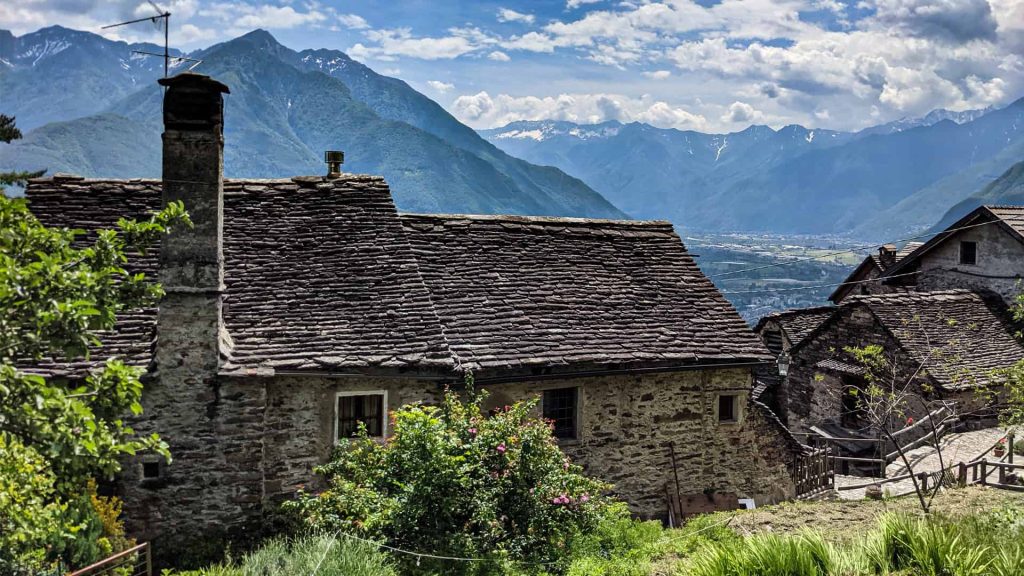
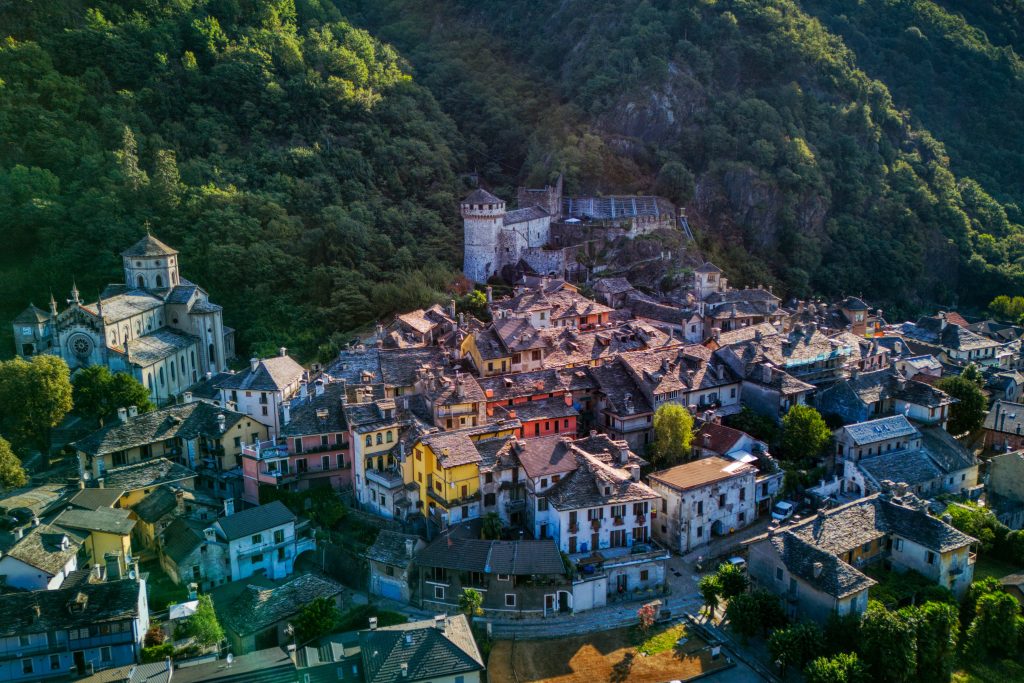
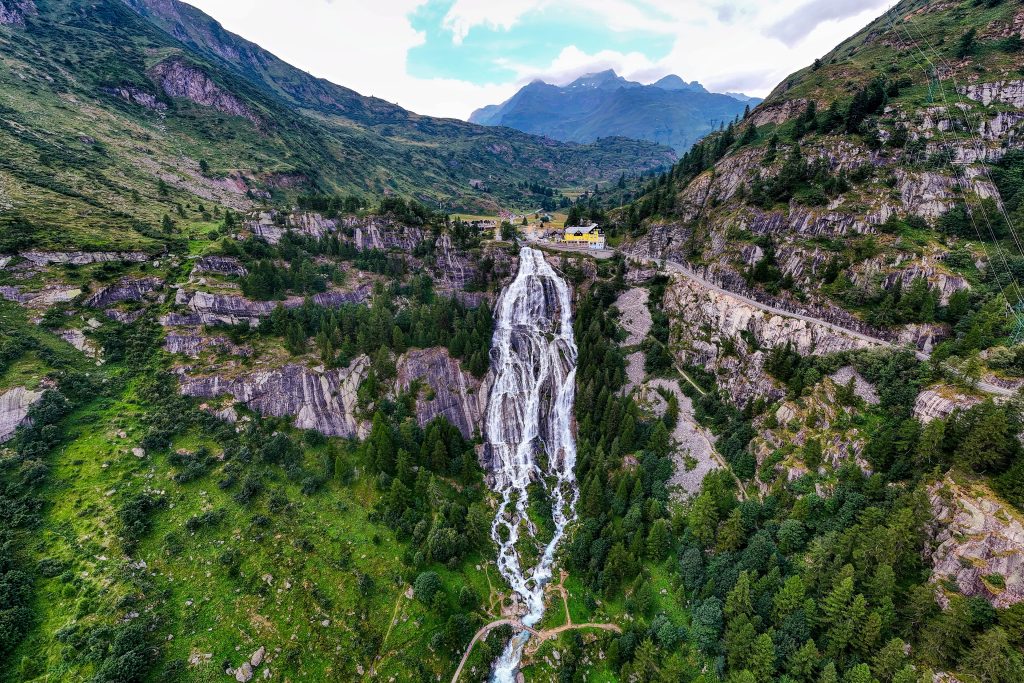
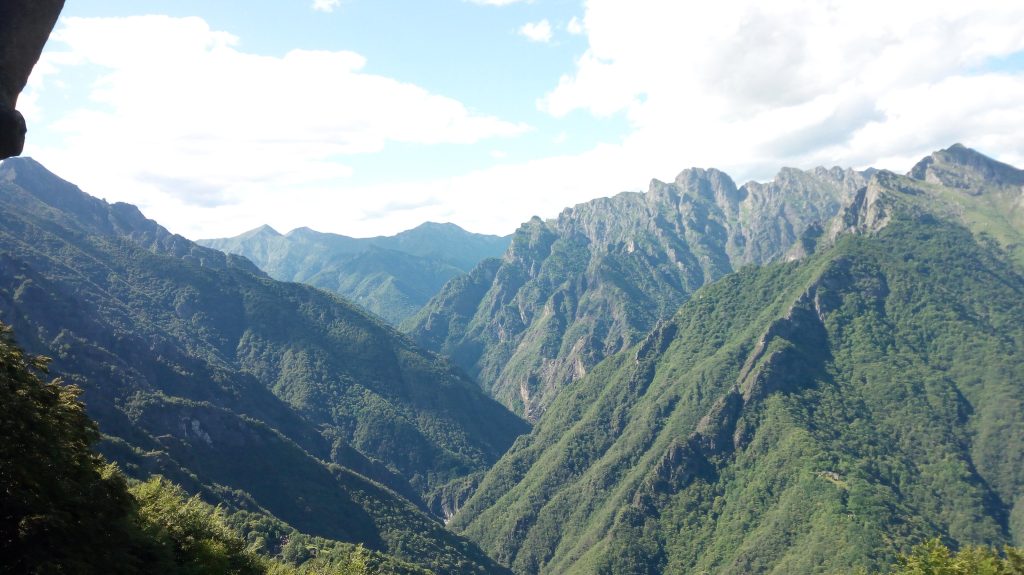
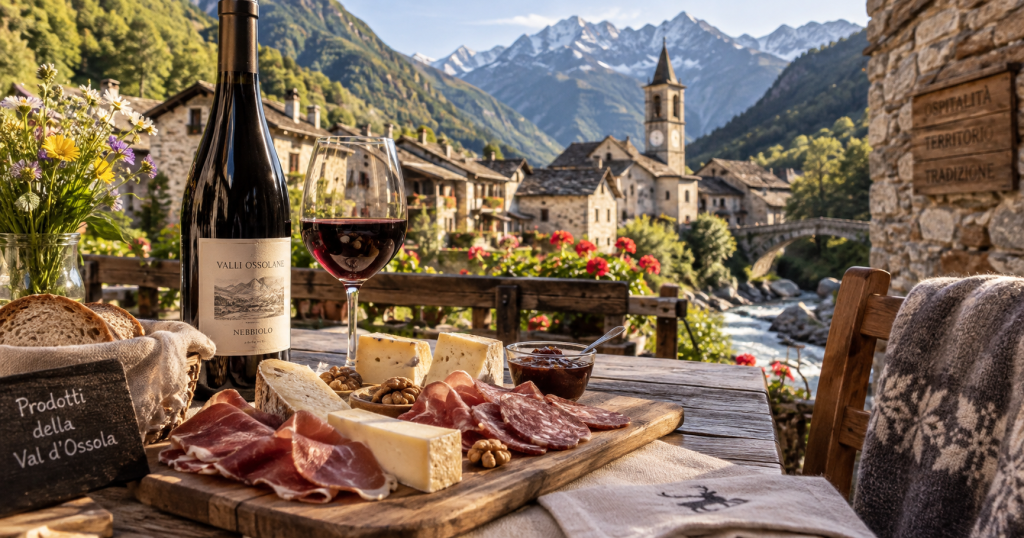
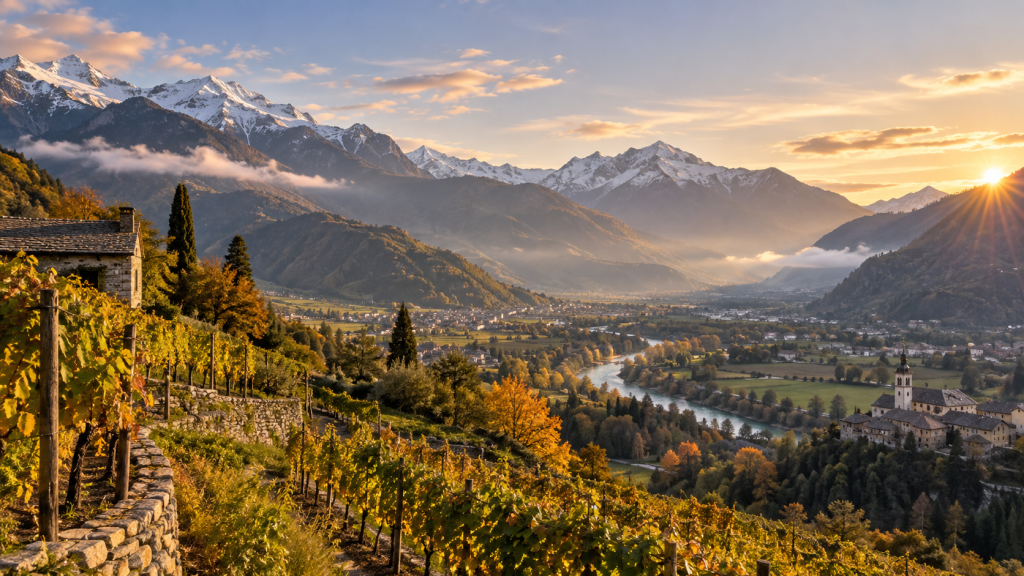
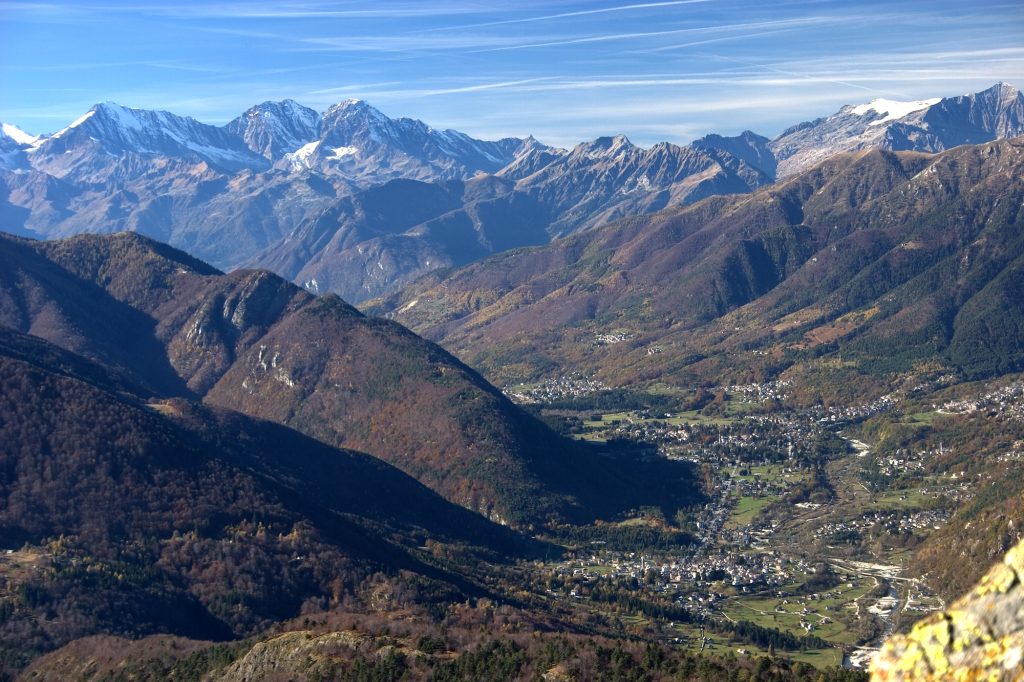
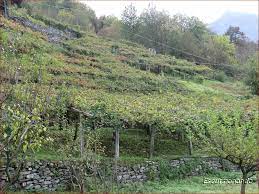
From Verbania, the hinterland of the Ossola Valley, with its mountain villages and terraced vineyards, can be reached in a short time: a tasting at a winery is a different way to complete your discovery of the area after a day on the lakeside promenade.
How to reach Verbania
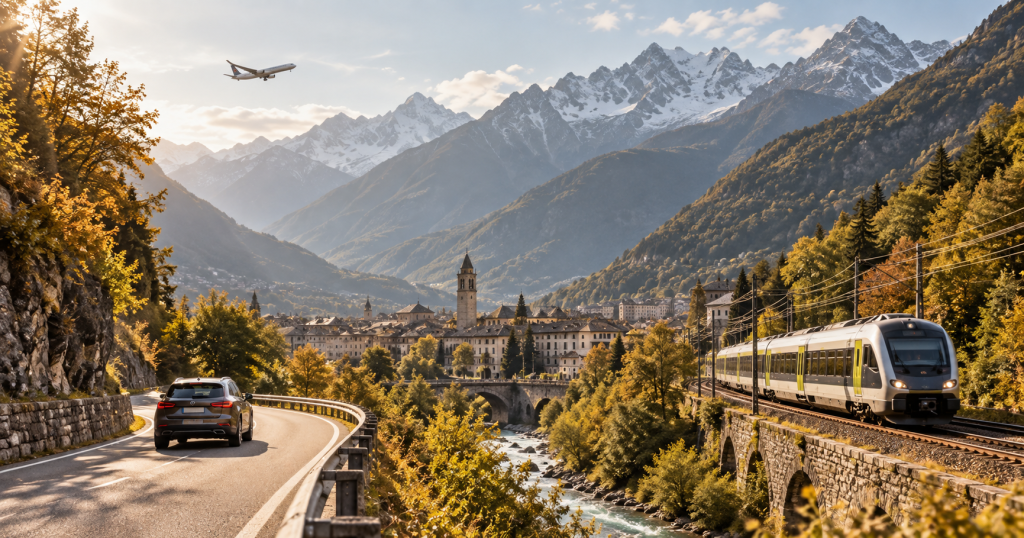
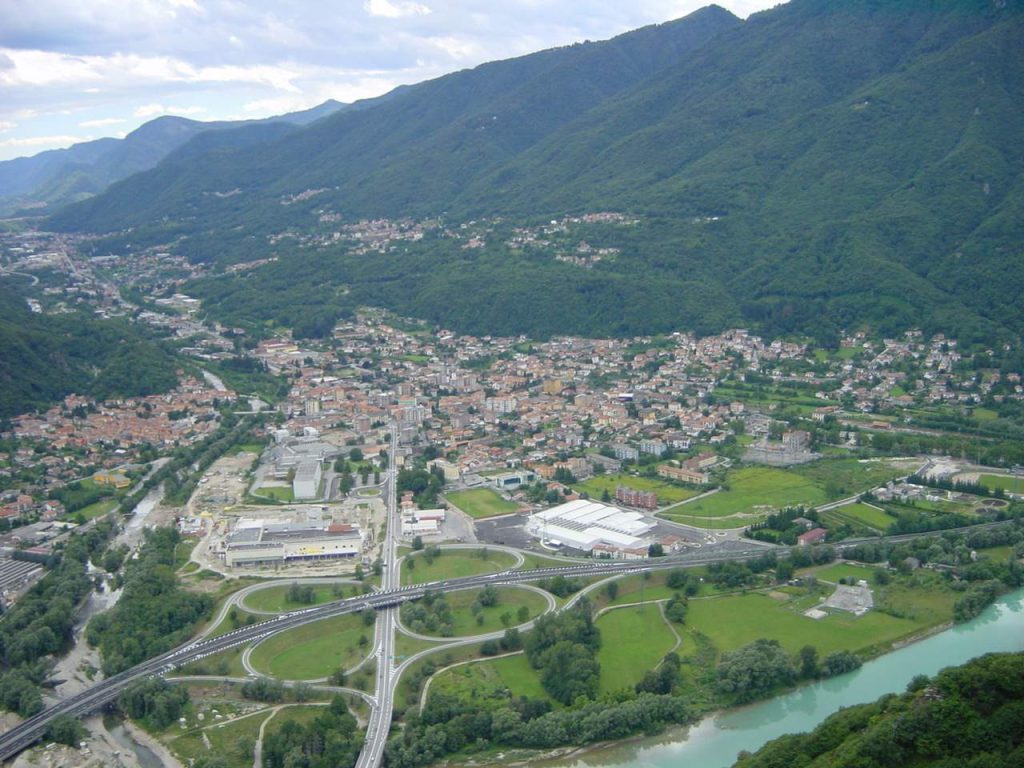
Verbania is connected to the rest of Piedmont and Lombardy via the Simplon state road and rail links running along the lakeshore, as well as by Navigazione Laghi boats connecting it to Stresa, the Borromean Islands and other lakeside towns. This location, together with its wealth of villas, gardens and museums, makes it one of the ideal bases for those wishing to explore both Lake Maggiore and the Ossola hinterland in a single stay.
Fondotoce and the memory of the Resistance
Fondotoce, the fourth identity of Verbania alongside Pallanza, Intra and Suna, is also a symbolic place of 20th-century historical memory. On 20 June 1944, forty-three partisans arrested in the preceding days during round-ups in Val Grande were executed by firing squad in this very location, where the “Parco della Memoria e della Pace” Memorial Shrine and the Casa della Resistenza now stand. Only one prisoner, Carlo Suzzi, survived the execution and later returned to fight in the partisan formations of the Ossola Valley. Every year, the city commemorates this episode with public ceremonies, bearing witness to how the memory of the Resistance remains an integral part of Verbania’s identity.