Beura-Cardezza is home to one of the best-preserved sections of Roman road in the entire Alps: an engineering work that tells the history of connections between Ossola and the plains since ancient times.
A road built to last
After the Roman conquest of Ossola, towards the end of the 1st century BC, the Romans began extensive work to create mule tracks along the mountainsides of the Toce valley and its side valleys, favouring mid-slope routes to avoid the dangerous streambeds prone to frequent flooding. The Roman-era mule tracks of Ossola have no equal anywhere else in the Alps: large beola stone slabs, readily available locally, were laid crosswise to form paving across the entire width of the route.
A unique technical detail
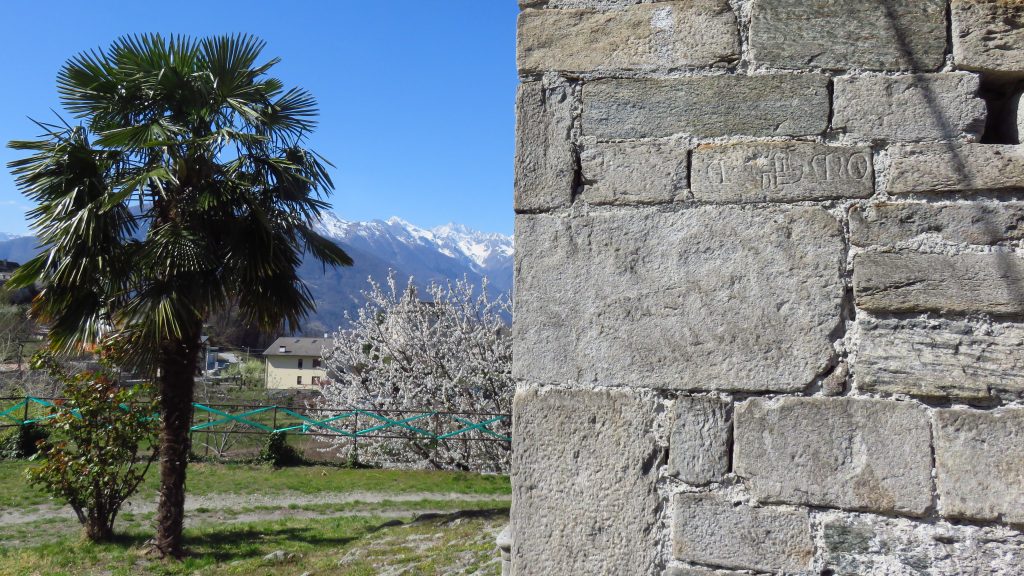
The Beura-Cardezza section has a distinctive feature: given the shape of the terrain, the beola stone slabs project by around ten centimetres beyond the retaining wall below, a measure designed to limit damage caused by torrential rain.
A route towards Domodossola dating back to AD 196
The road probably connected Mergozzo with Cuzzago, Premosello and Vogogna, then continued through Cuzzego, Cardezza and Beura towards Domodossola and the territories further north. Near Vogogna, a Latin inscription carved into the rock and dated to AD 196 is still visible, confirming the extraordinary endurance of this work over time.
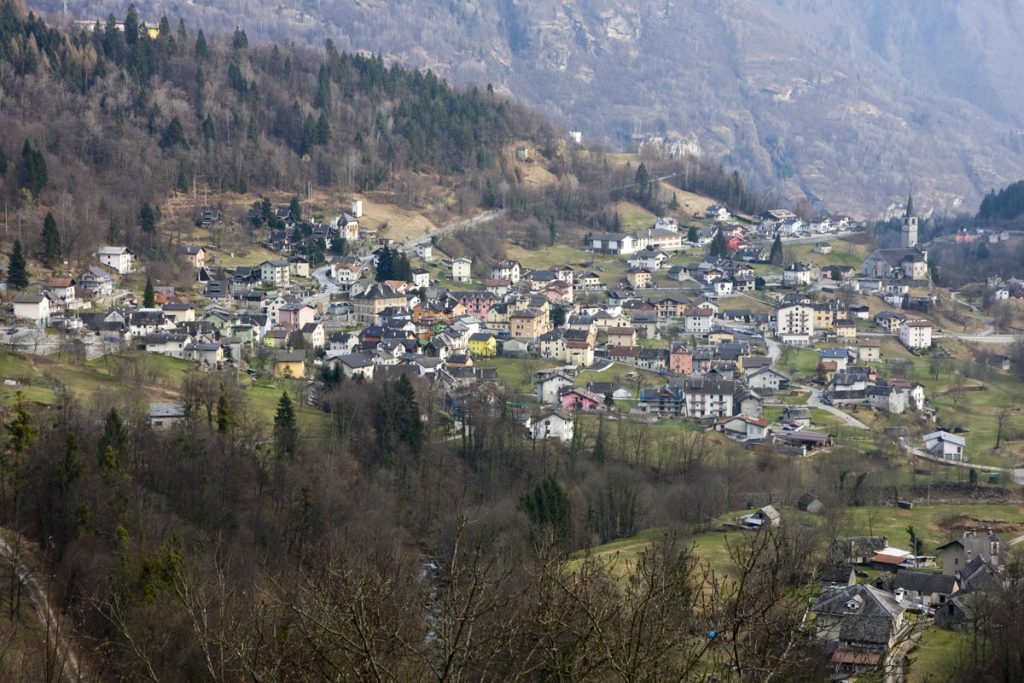
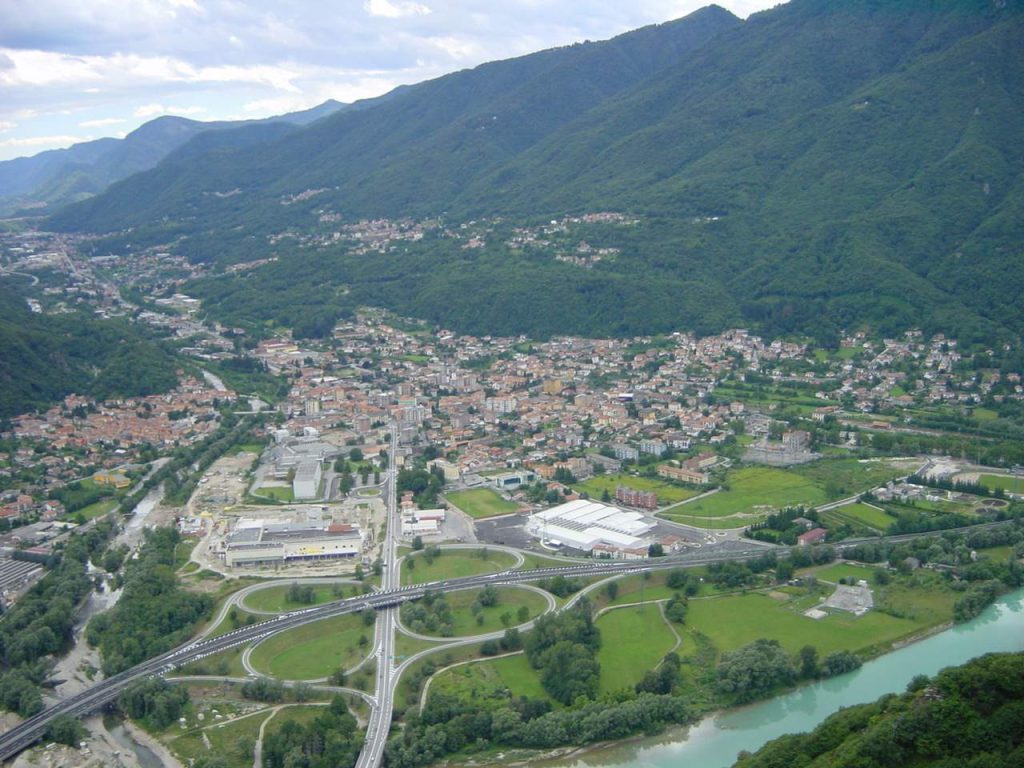
Beura-Cardezza on the valley floor
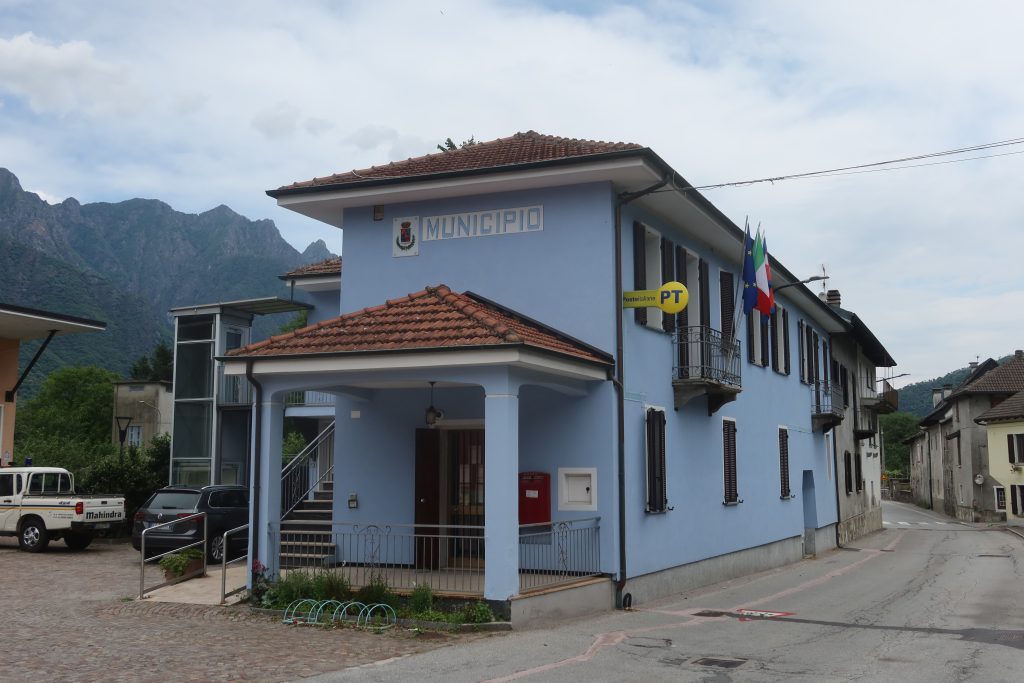
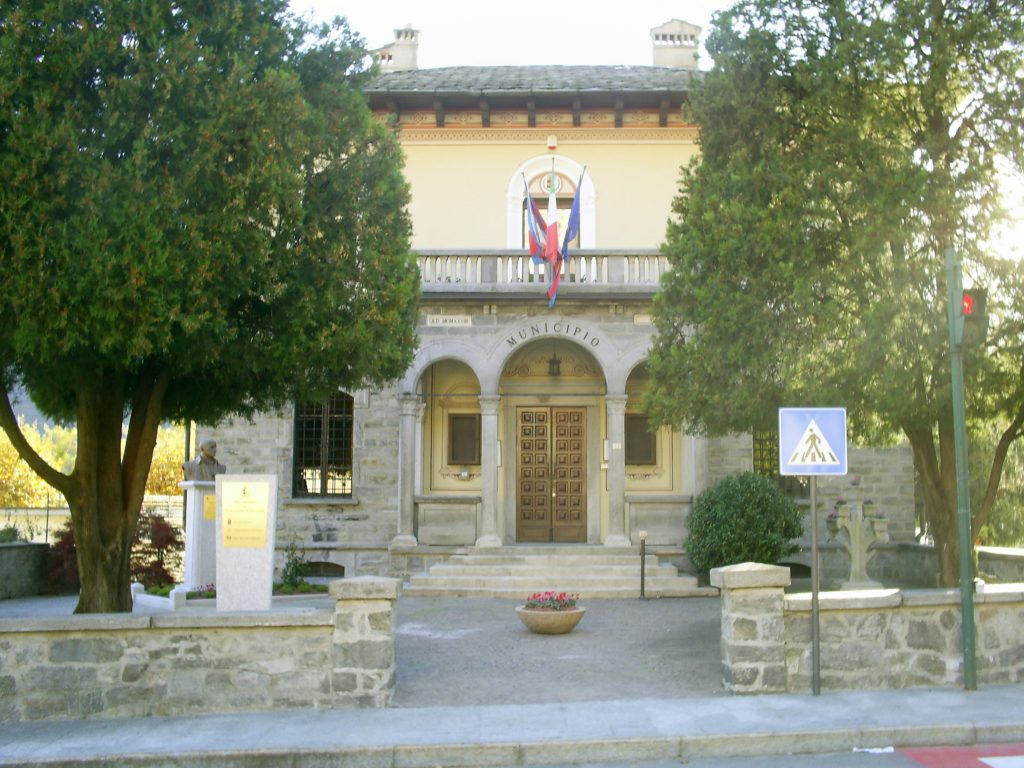
The municipality lies not far from Montecrestese and Crevoladossola. To learn more about the history and itineraries along the Roman road, see the visitOssola page.
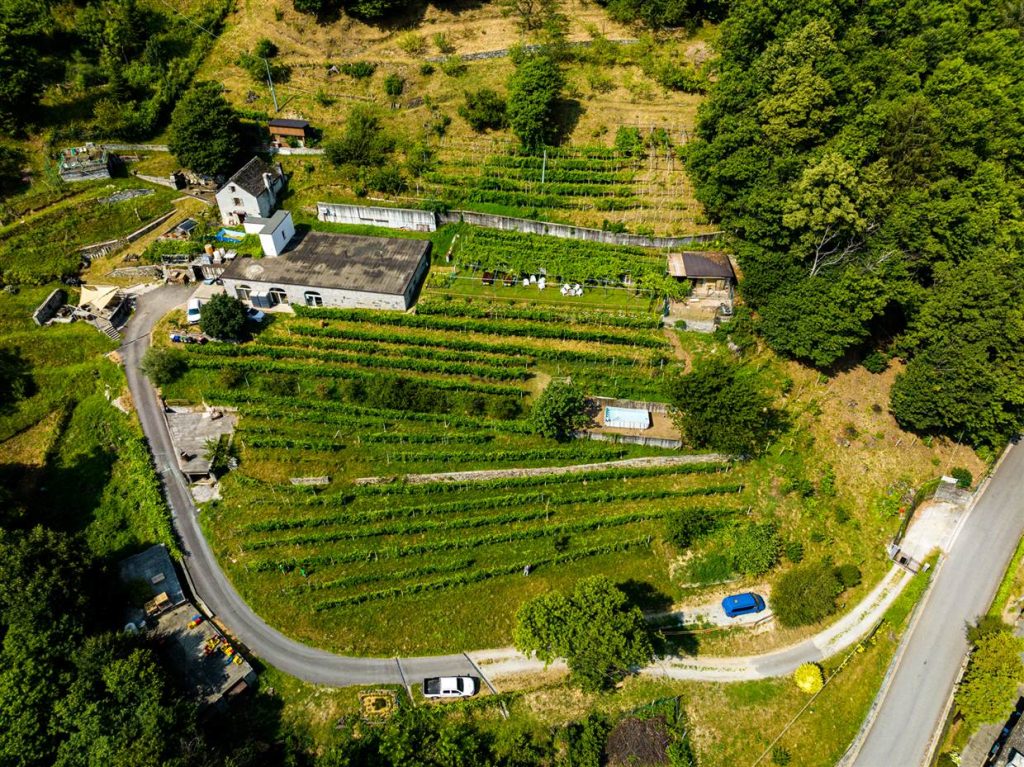
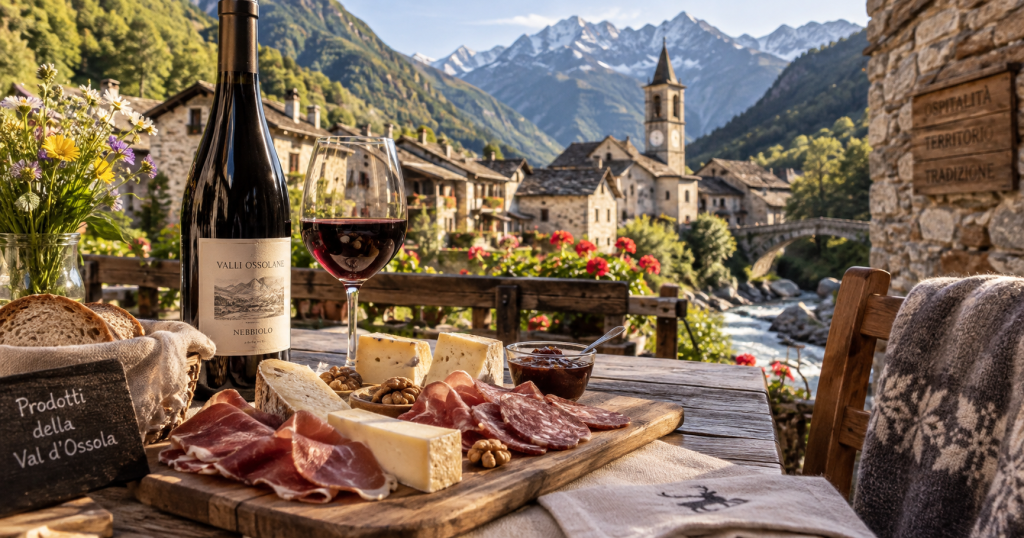
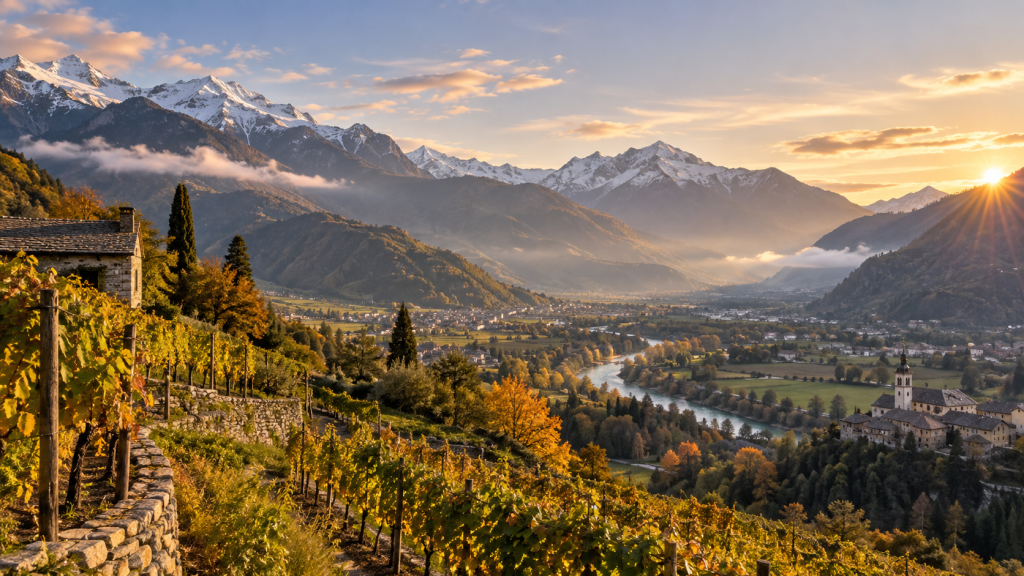
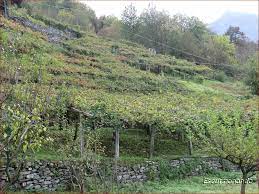
After a walk along the Roman road, the vineyards of Val d’Ossola are only a short distance away: an opportunity for a wine tasting.
A walk through Ossola’s Roman history
Walking the Roman road of Beura-Cardezza makes it possible to vividly imagine the passage of legionaries, merchants and travellers two thousand years ago: an experience that makes tangible the historical depth of an area often known only for its more recent natural beauty.
A widespread archaeological heritage
Beyond the main section, smaller traces of Roman roads have also been identified in other parts of the Beura-Cardezza area, confirming how dense the network of connections crossing Ossola was in ancient times, long before modern roads partly followed their routes.
A legacy that continues to amaze
The discovery and enhancement of Beura-Cardezza’s Roman road continue to be a source of pride for the local community, which over the years has promoted educational initiatives and guided tours to introduce this heritage to younger generations as well, ensuring that the memory of this ancient route of communication is not lost.
A model for enhancing the area
Beura-Cardezza’s experience in restoring and enhancing its Roman road provides a replicable model for other municipalities in Val d’Ossola that preserve similar but lesser-known historical evidence: an approach combining historical research, local community involvement and sustainable tourism promotion, capable of generating economic value without compromising the authenticity of the heritage.
One final thought: walking on a road built two thousand years ago, still perfectly recognisable, offers a rare perspective on the long course of history—an experience that few other destinations in Val d’Ossola can offer with the same immediacy.
Two thousand years of history, beneath the feet of those who walk.
Two thousand years of walking, still beneath our feet.
Beneath every step, two thousand years of walking.
One final note on Beura-Cardezza: few places allow you to literally touch a piece of Roman history so well preserved and still accessible on foot.
An ancient walk, still today to be explored with wonder.
An age-old walk, still beneath our steps.
A good starting point for those wishing to continue towards the terraced vineyards of Lower Ossola, exploring on foot or by car an area where Roman history still coexists with mountain farming today.