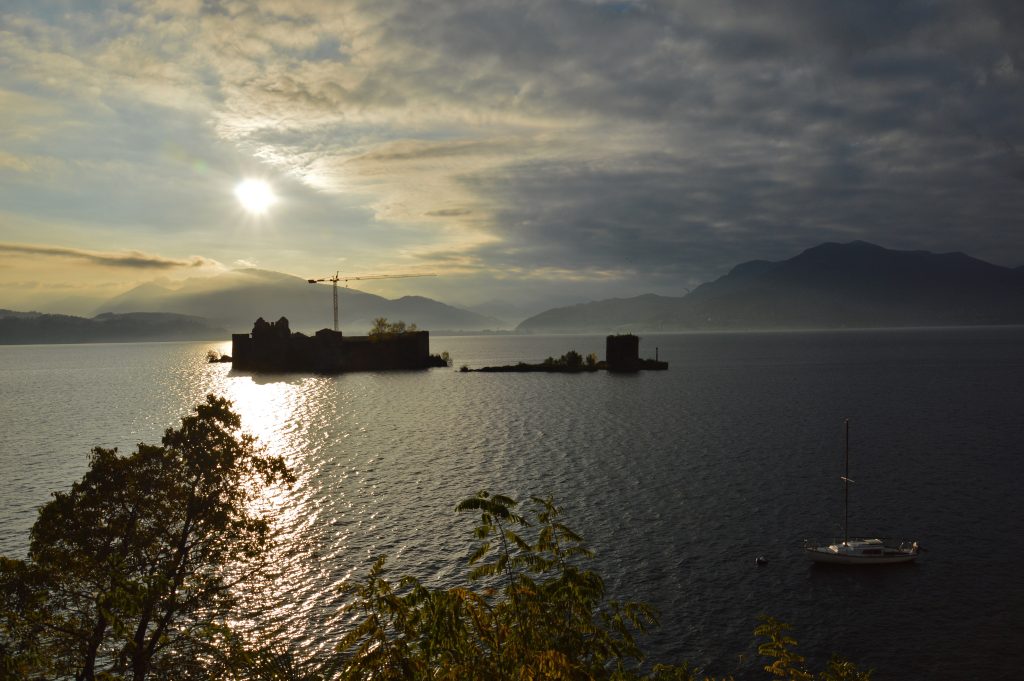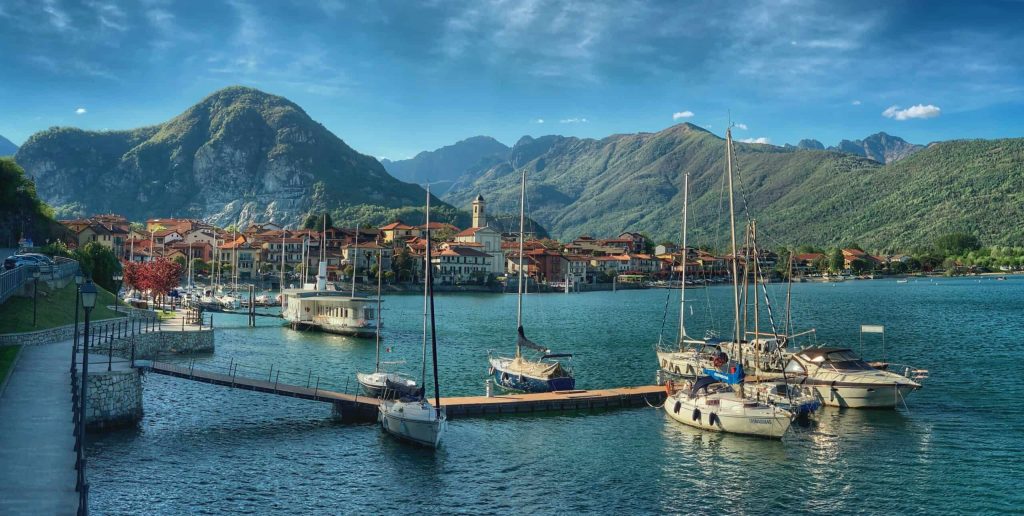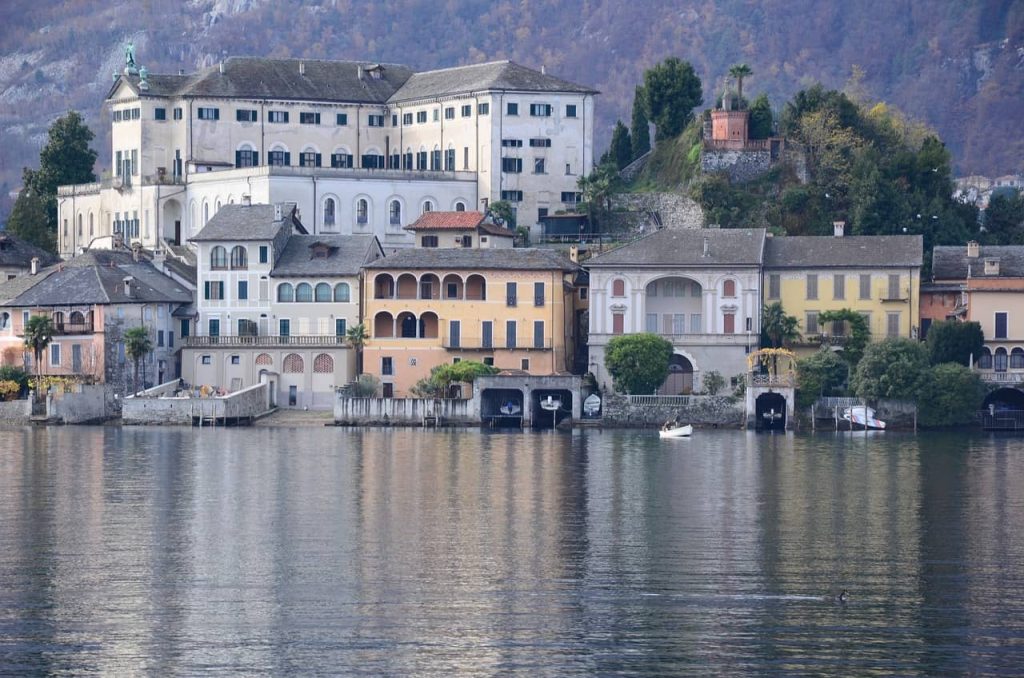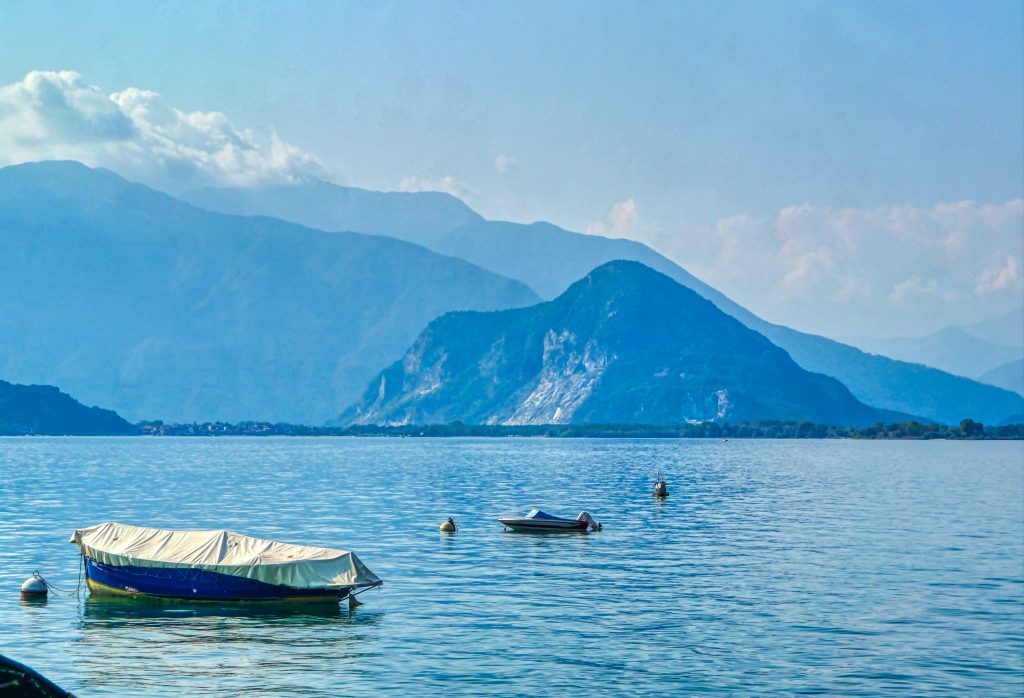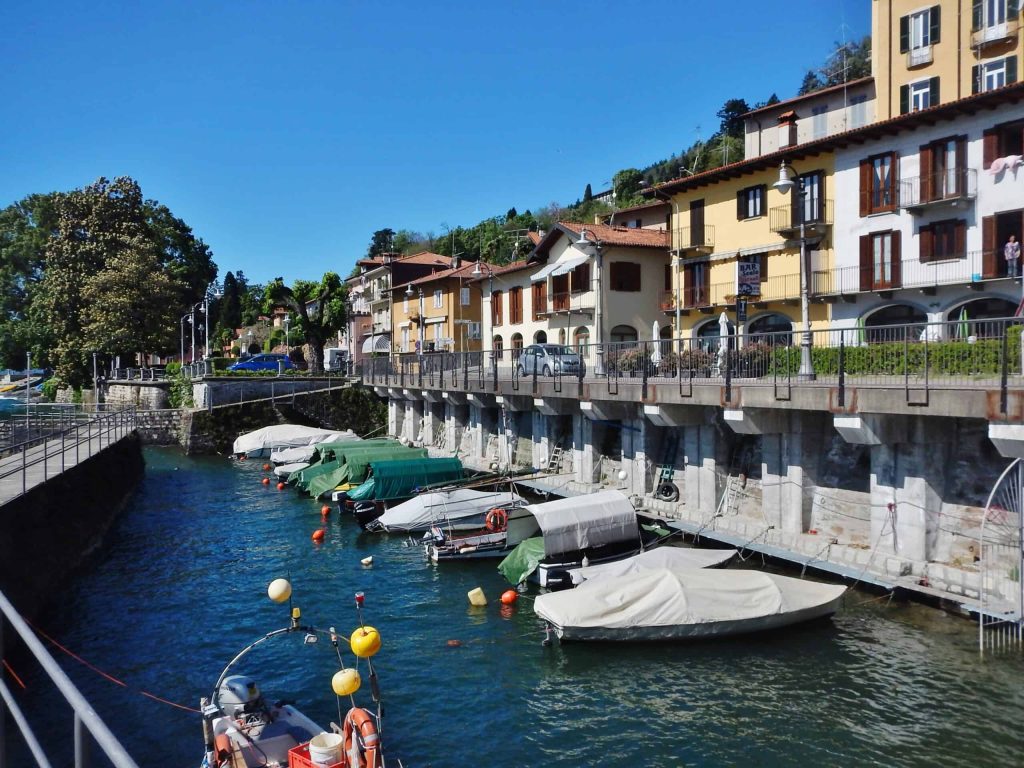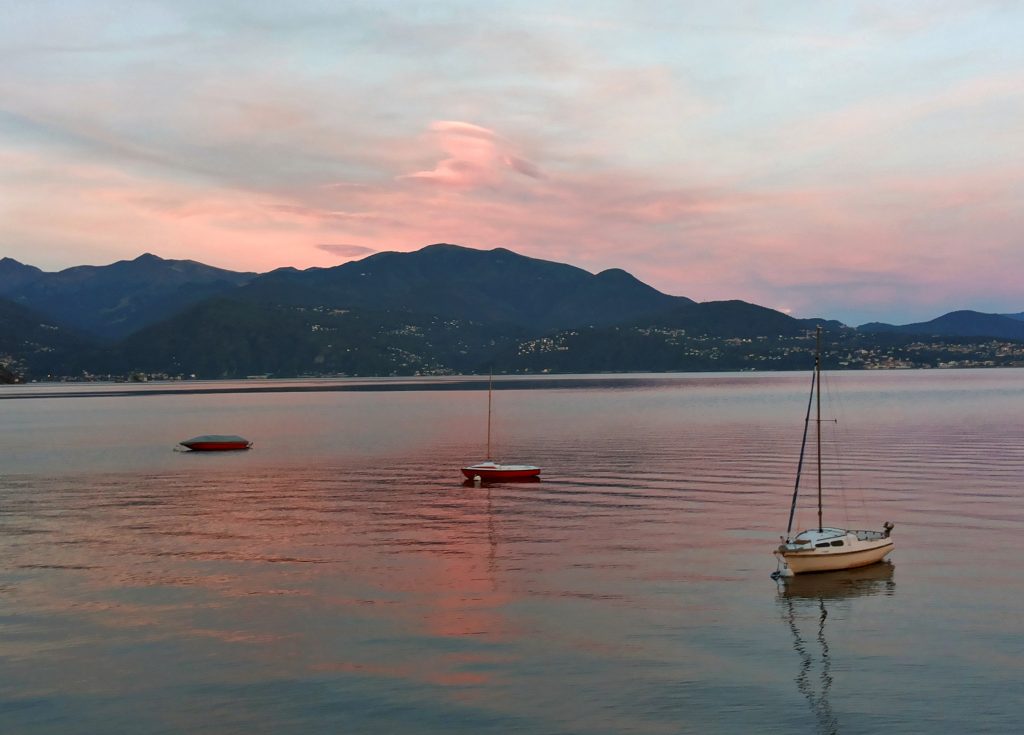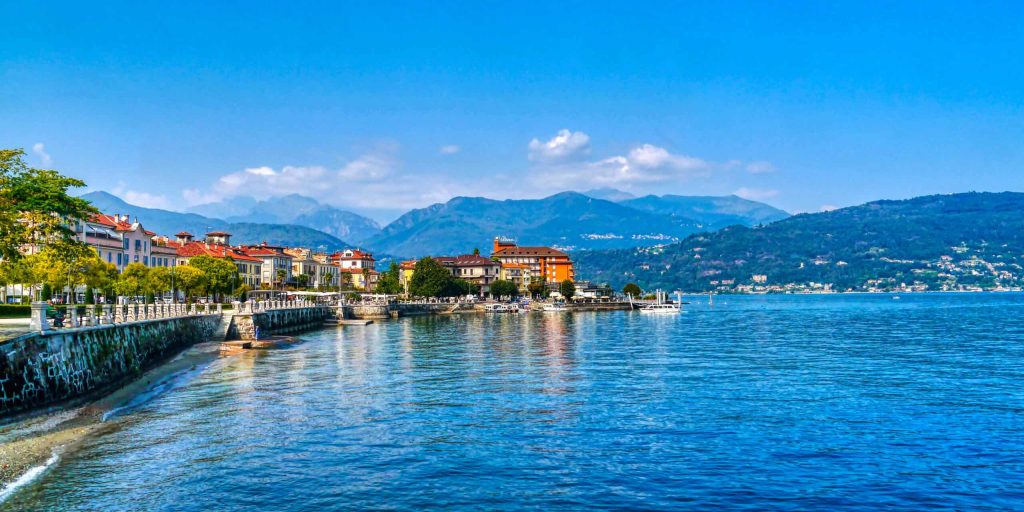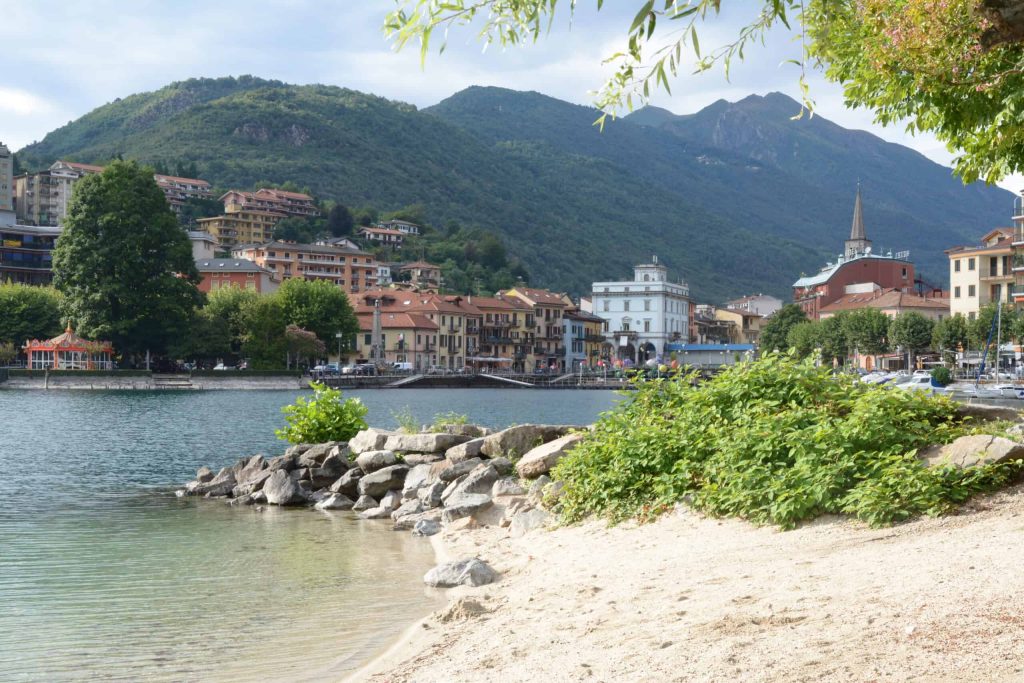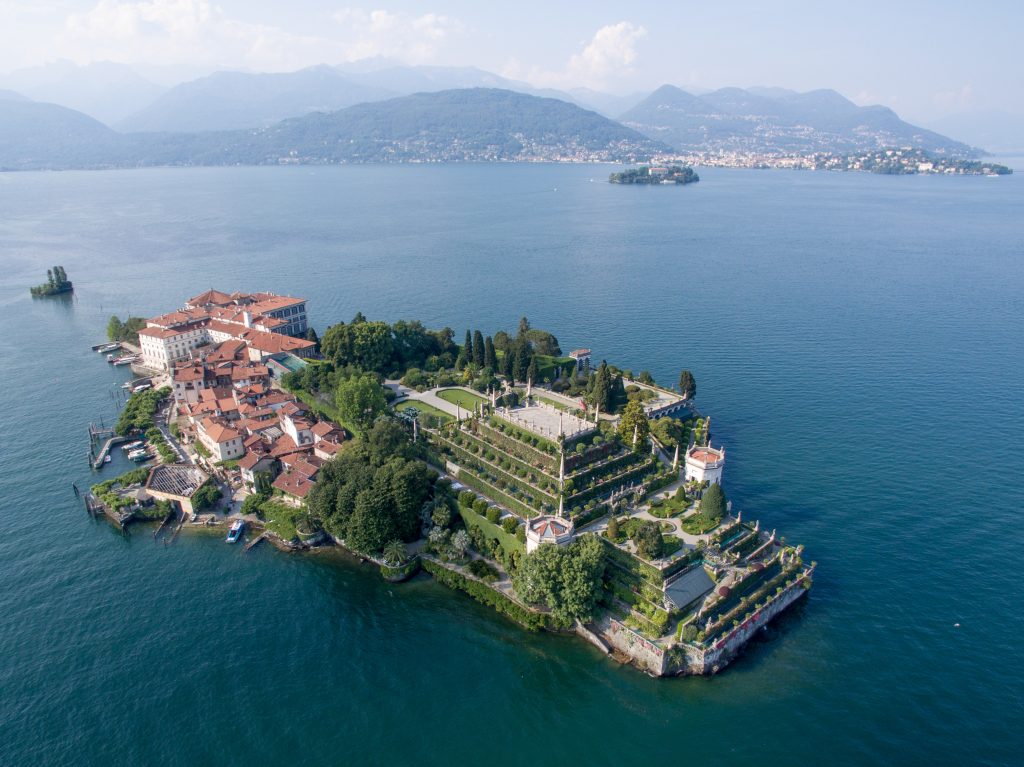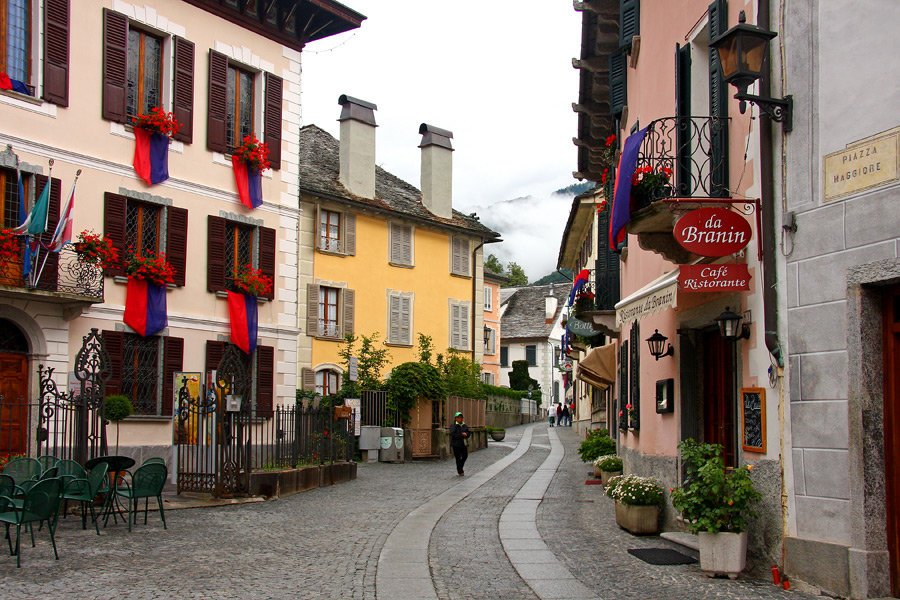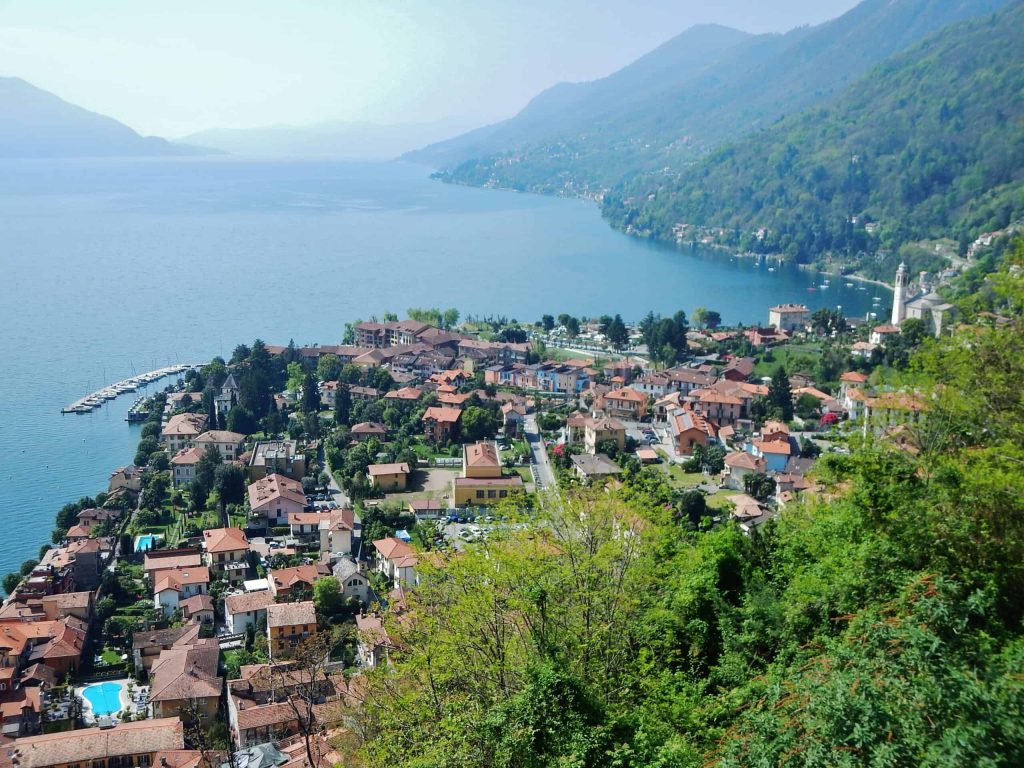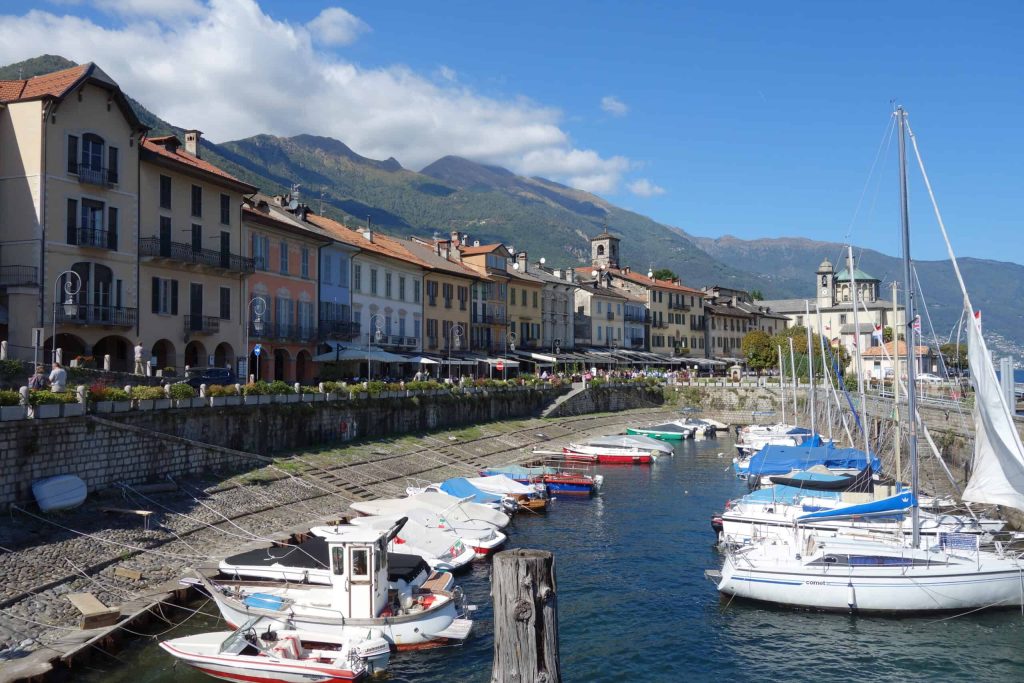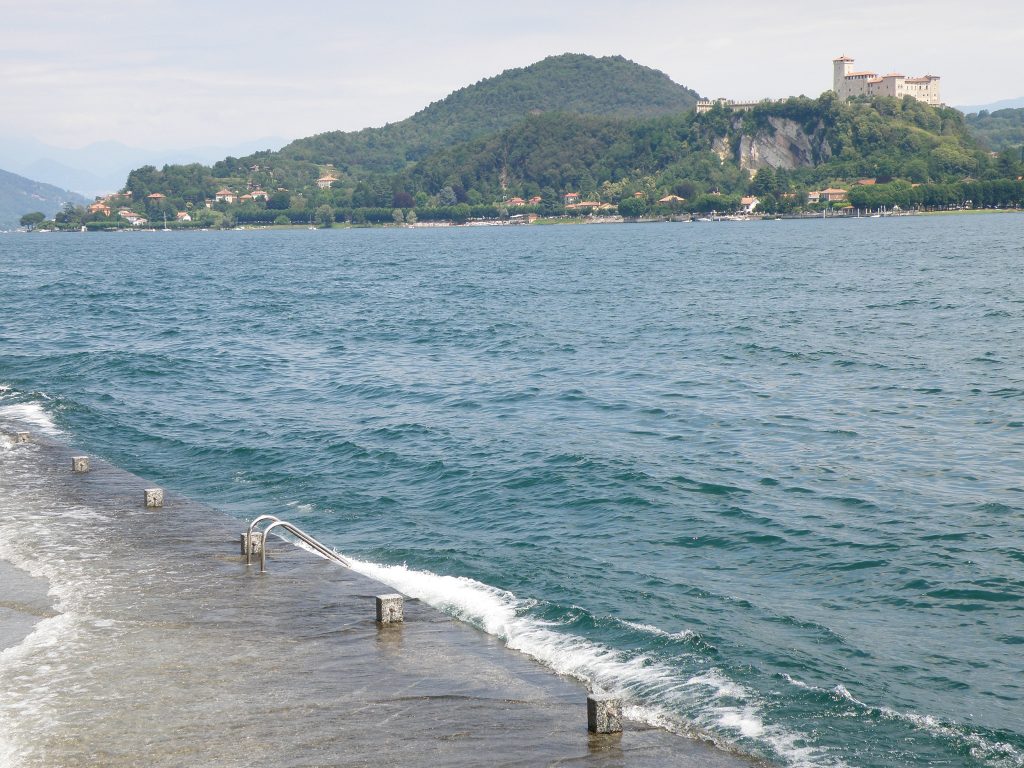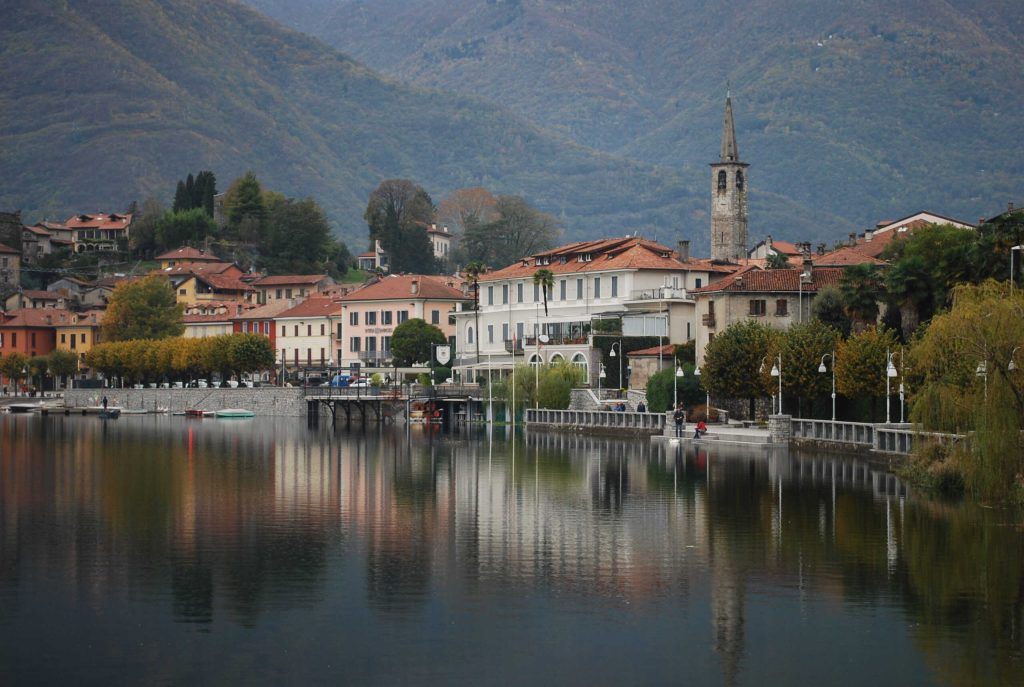
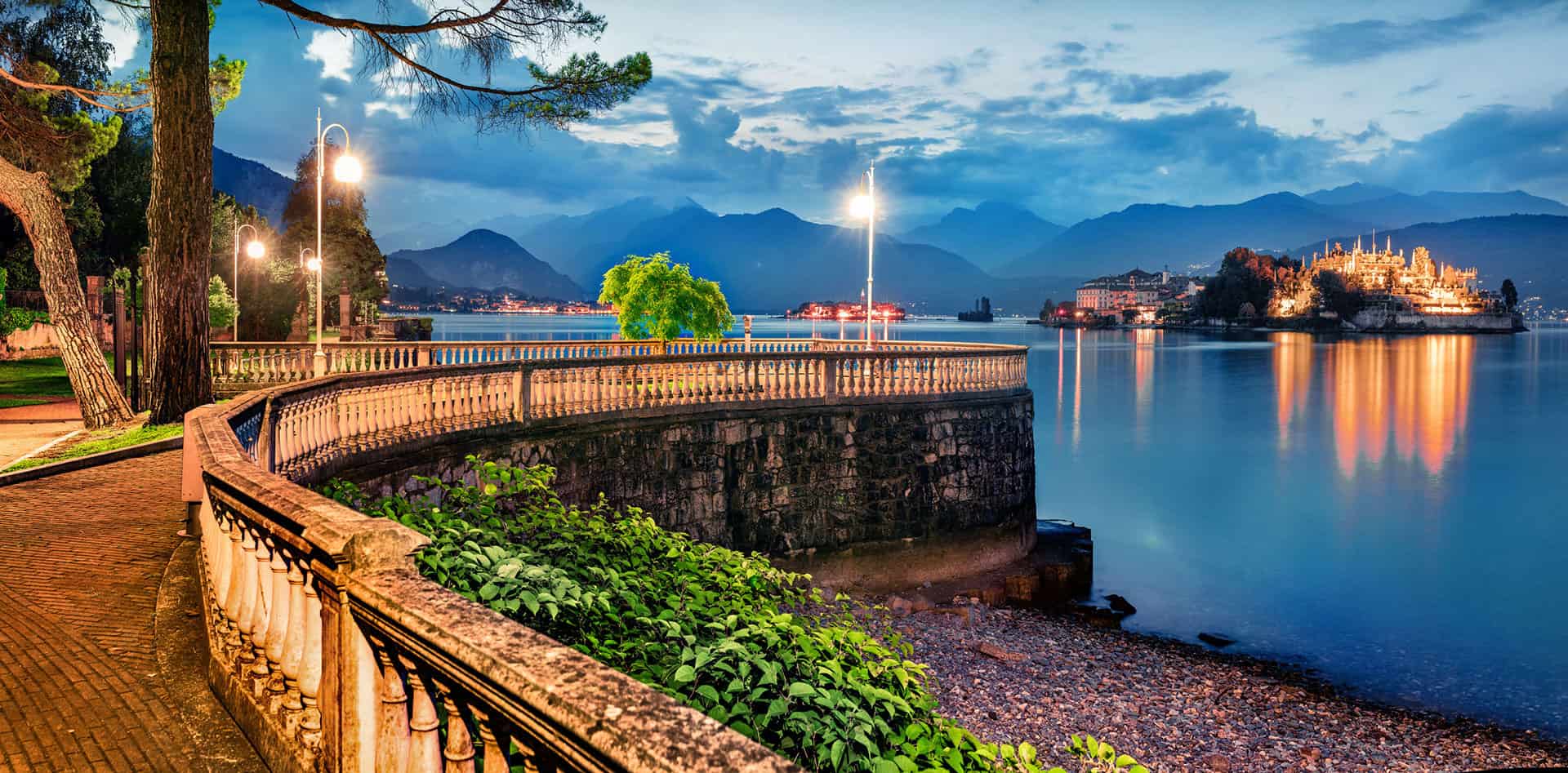
Stresa is known as the “pearl of Lake Maggiore”, thanks to its elegant lakeside promenade and its proximity to the celebrated Borromean Islands. Yet its charm also stems from historic residences such as Villa Ducale.
Villa Ducale, from the Bolongaro family to Rosmini
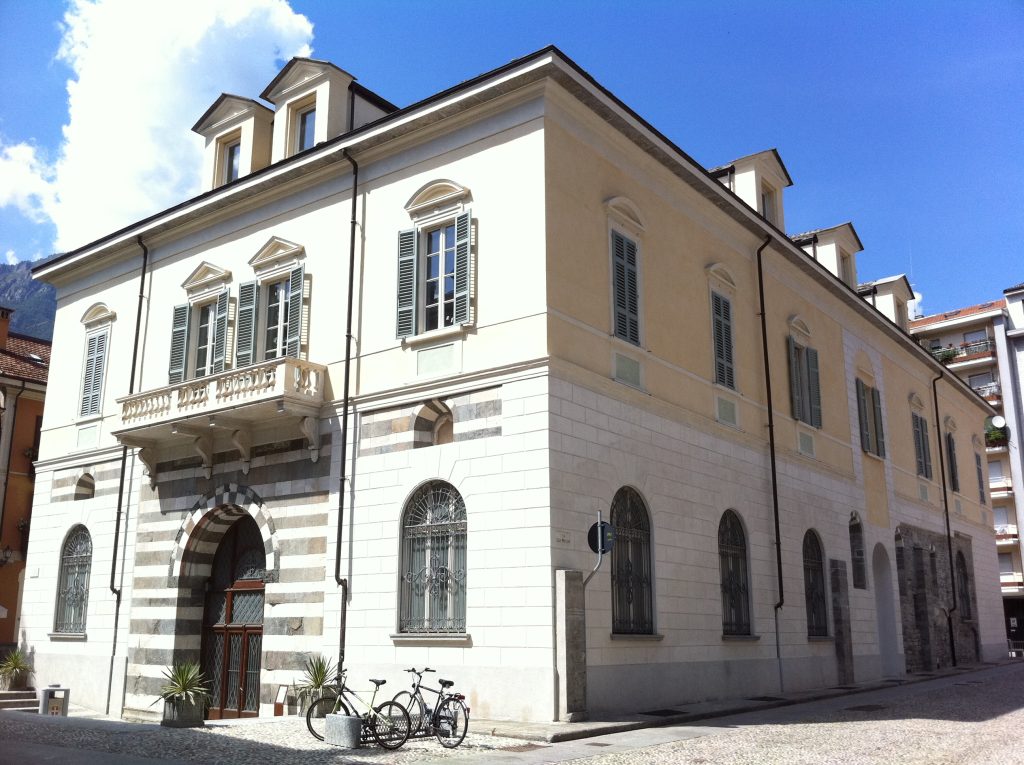
Villa Ducale is Stresa’s oldest residence, already documented in 1771: it was commissioned by the Bolongaro family, but became especially famous in 1848, when it was inherited by the philosopher and theologian Antonio Rosmini, who spent the final years of his life here. Rosmini’s great friend, Alessandro Manzoni, who loved staying in Stresa, was also hosted in these very rooms. A few years later, the villa became the summer residence of Elisabeth of Saxony.
Frescoes, gardens and the Rosmini Study Centre
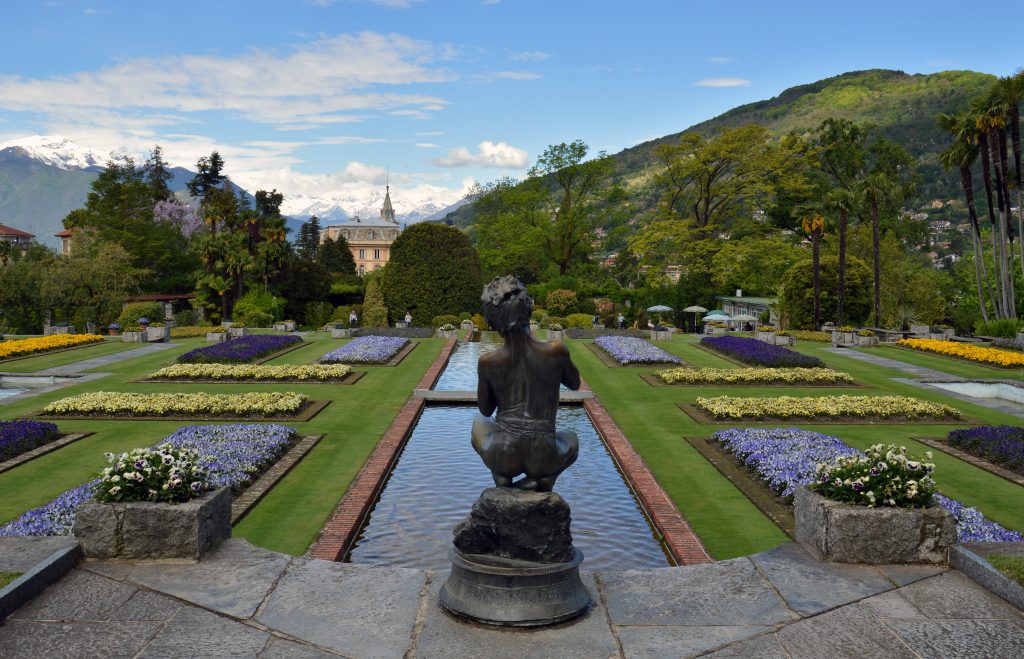
Inside the villa, visitors can admire mythological frescoes, painted floral decorations, and inlaid and mosaic floors. The gardens, originally designed in the Italian style, have been enriched over time with exotic plants, including a magnolia grandiflora and an imposing cedar of Lebanon. Today, the building houses the International Rosmini Study Centre, which oversees its opening to the public: it is possible to visit the room where Rosmini lived, the museum dedicated to him and the garden.
The lakeside promenade and historic centre
Stresa’s historic centre and its lakeside promenade remain at the heart of the experience: a succession of views over the Borromean Islands, perfect for a romantic stroll in every season.
Stresa and the surrounding area
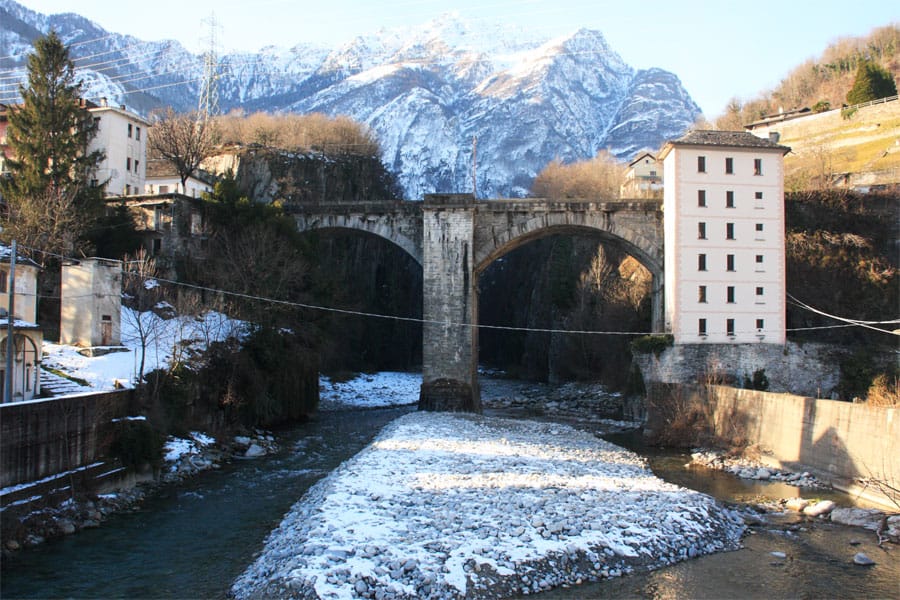
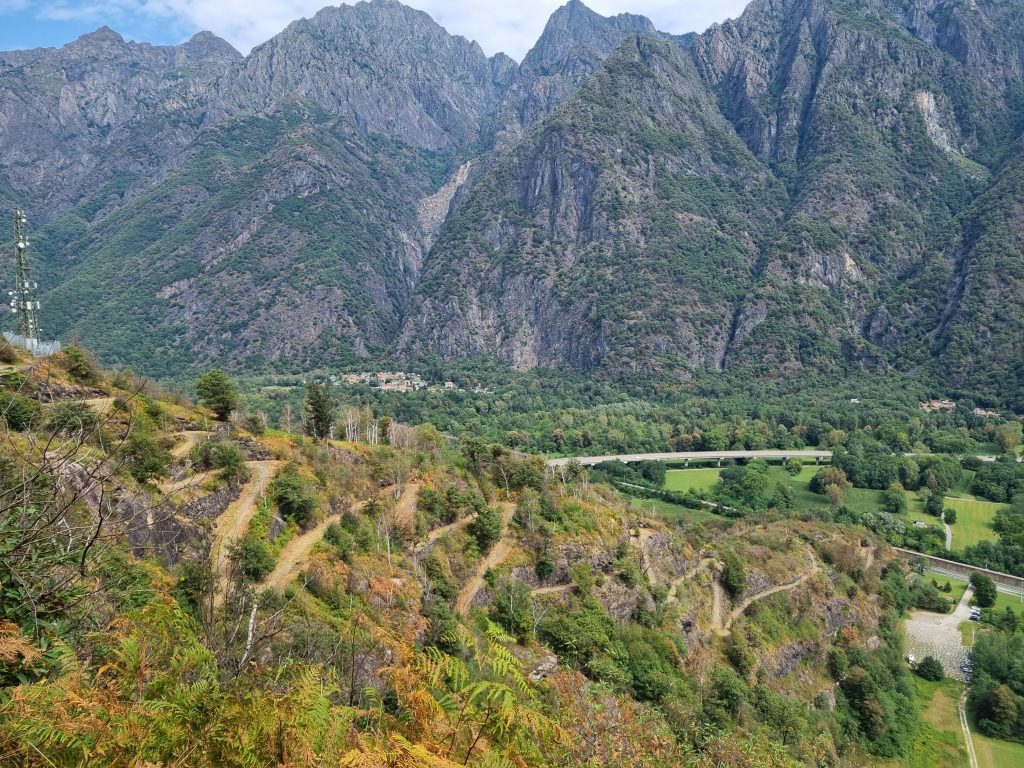
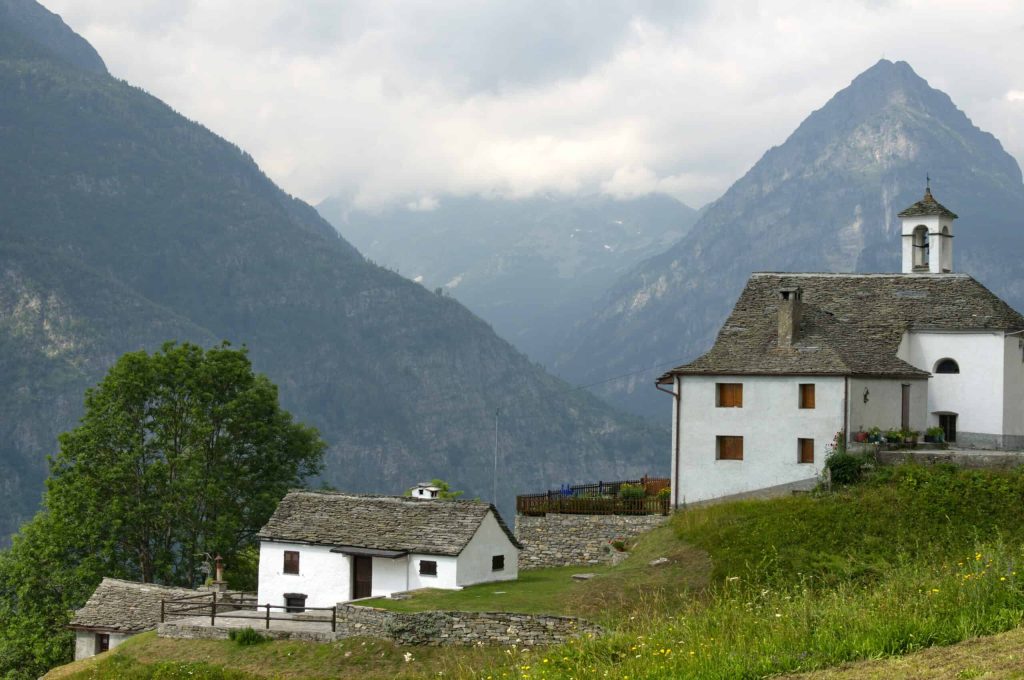
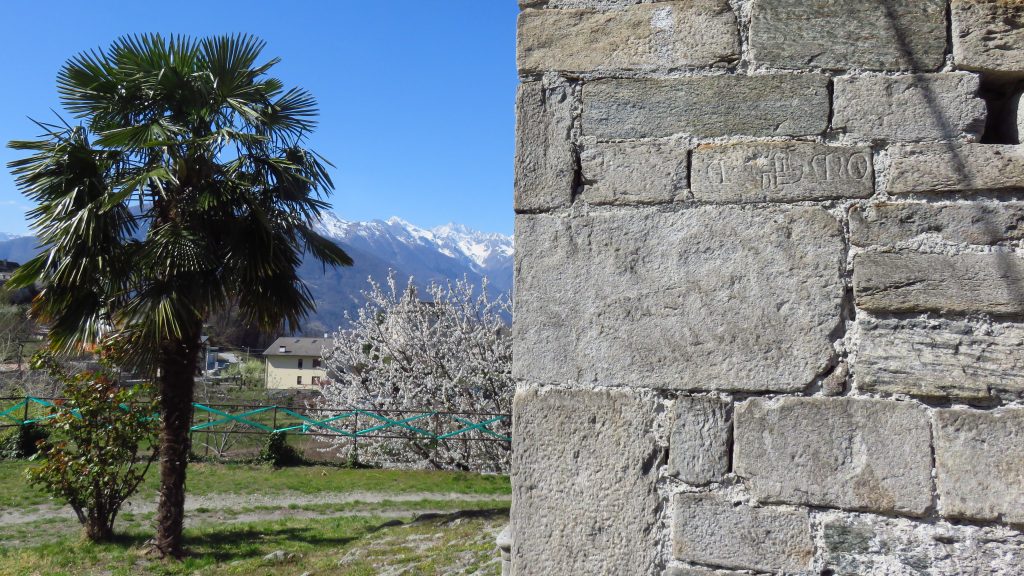
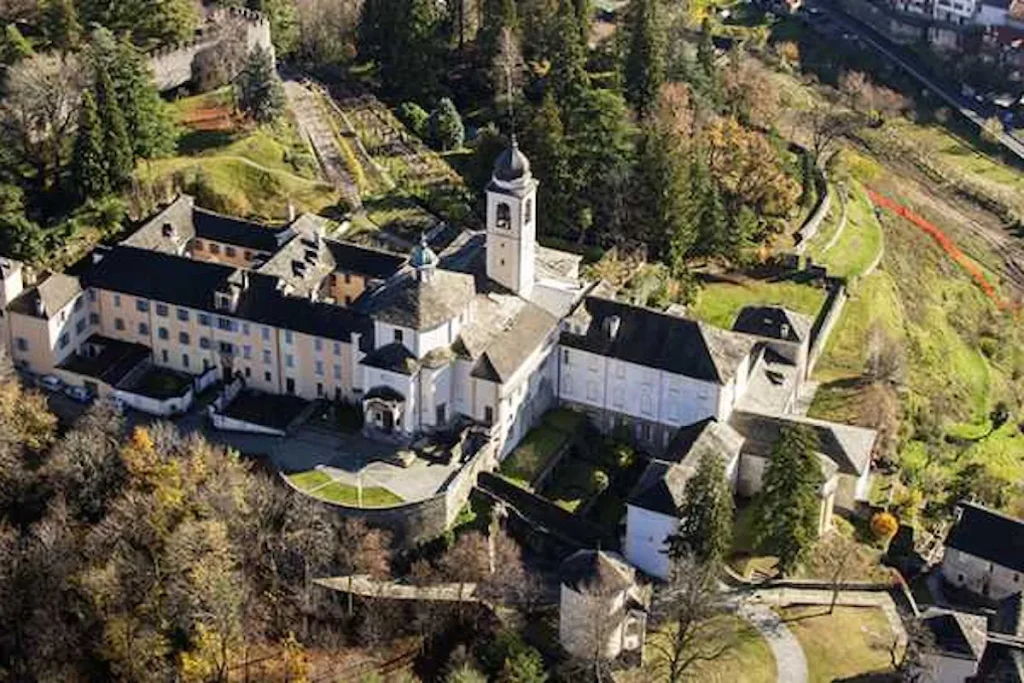
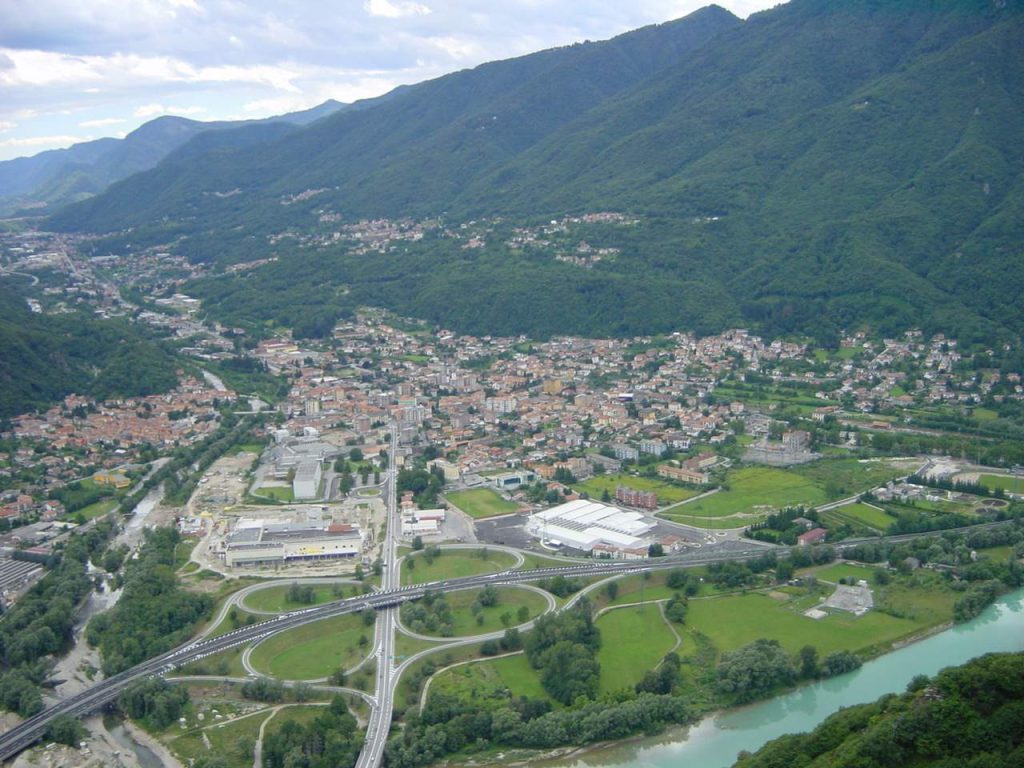
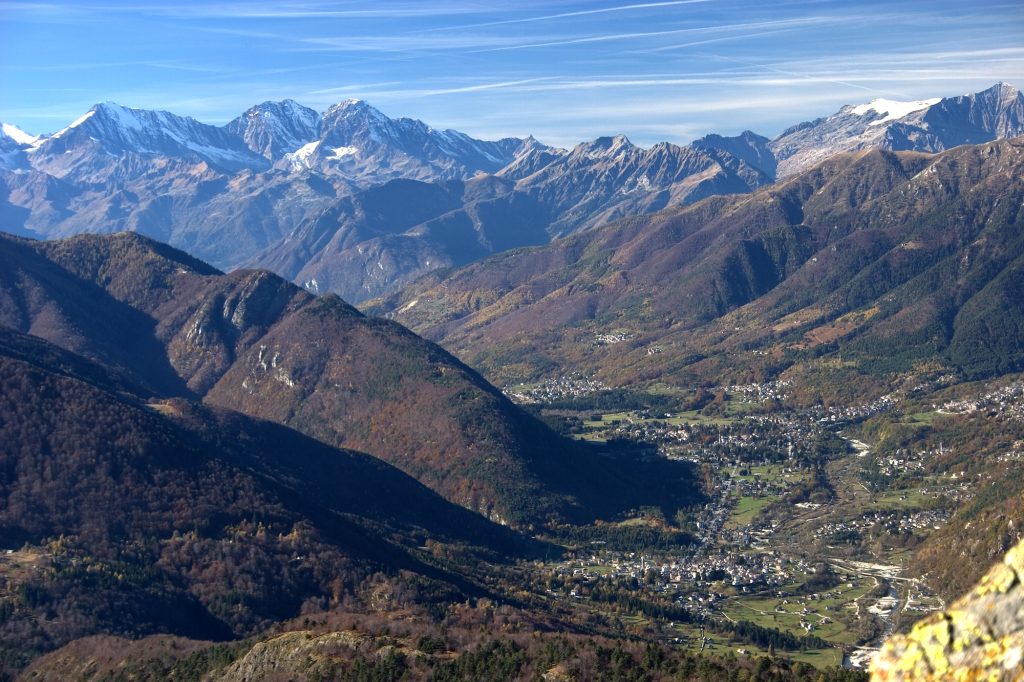
From Stresa, Baveno and the Ossola hinterland are easily reached. For further information on the history and visiting hours of Villa Ducale, refer to the website of the Rosmini Study Centre.
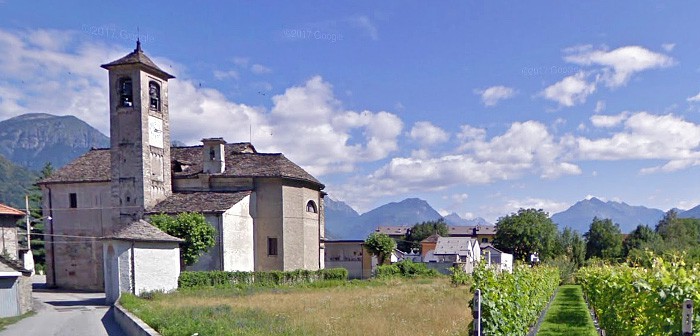
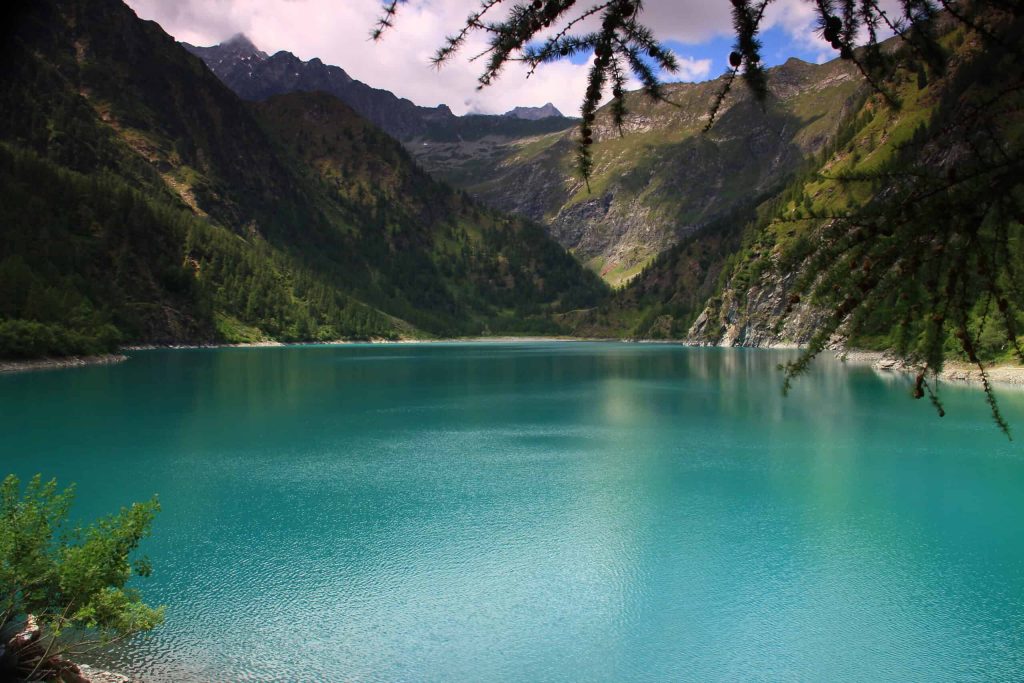
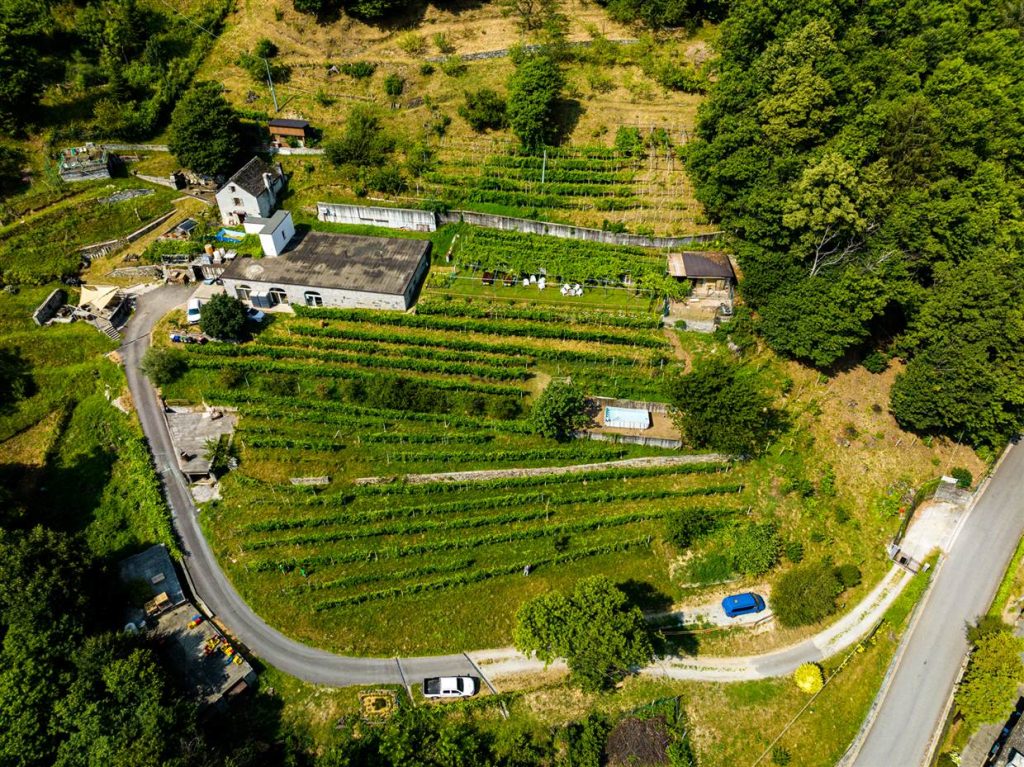
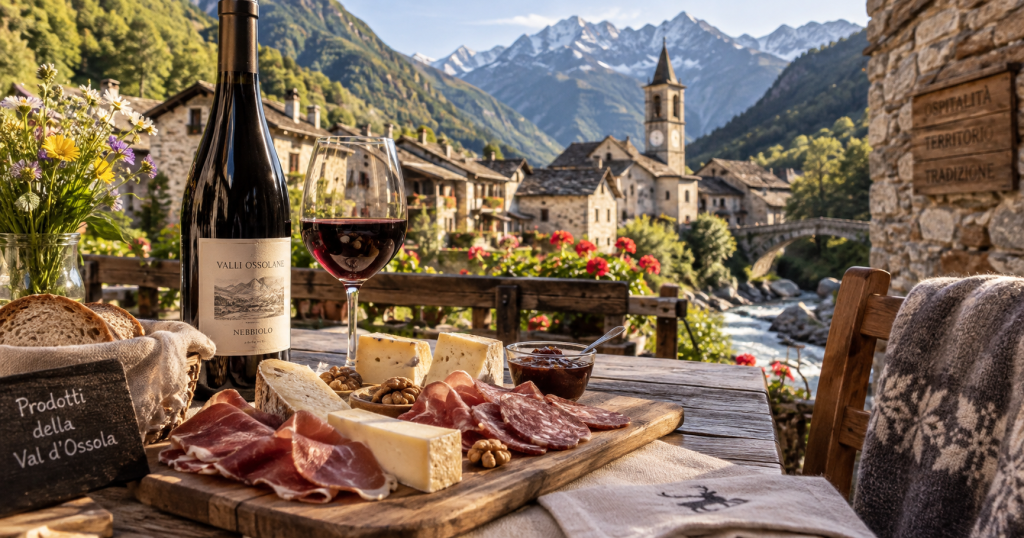
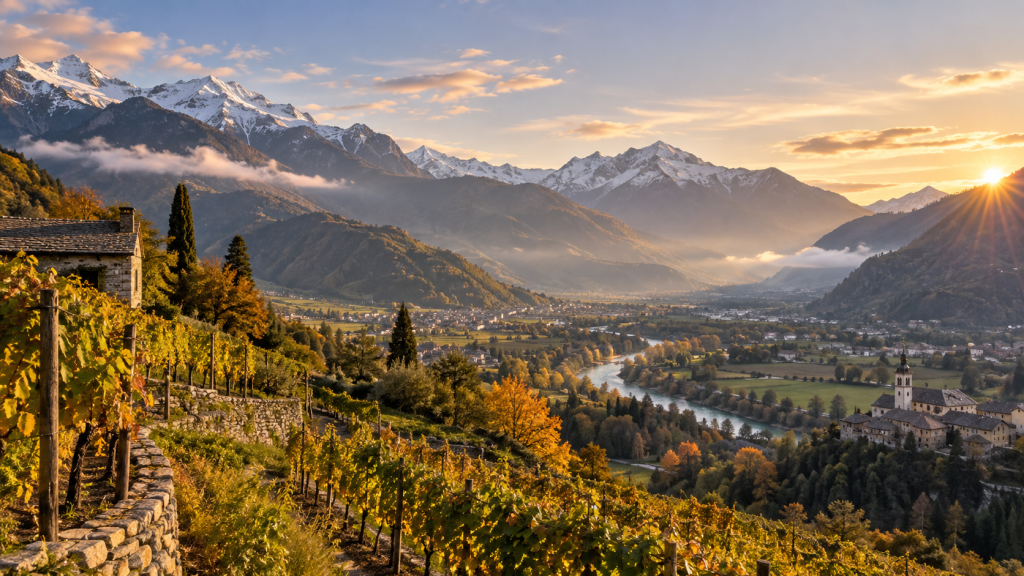
Those staying in Stresa can easily combine a visit to the lake with a tasting among the vineyards of Val d’Ossola.
Stresa and Mottarone
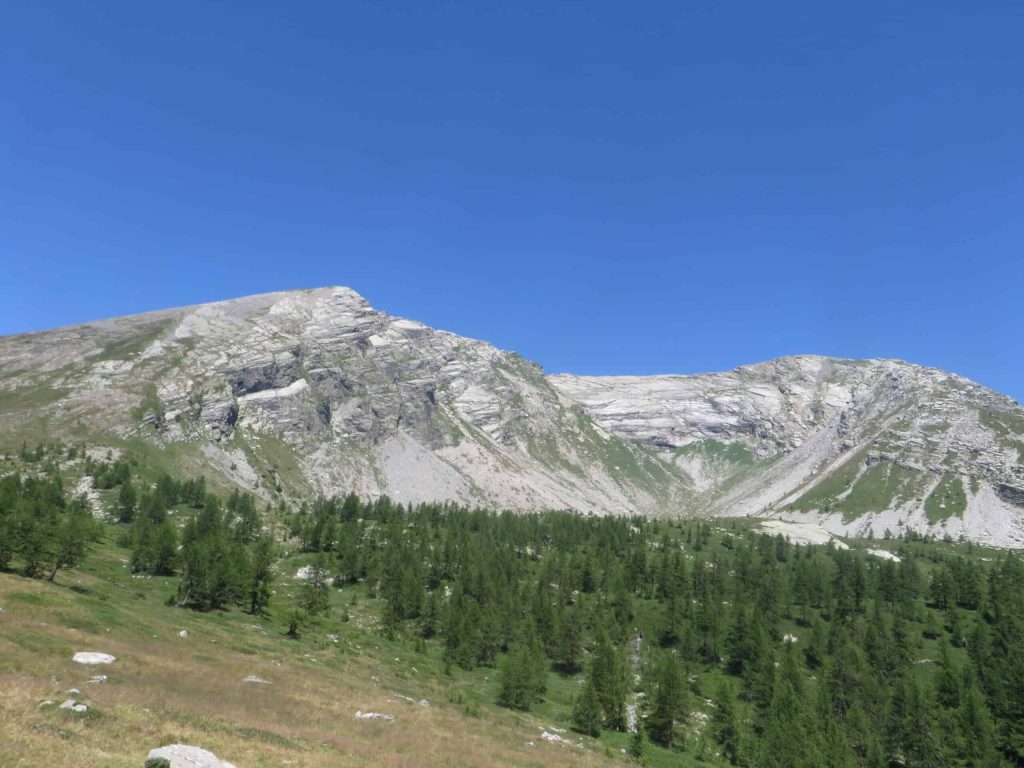
The cable car to Mottarone also departs from Stresa. This mountain overlooks Lake Maggiore and Lake Orta, offering views stretching as far as the Alps and, on the clearest days, the Po Valley. This combination of lake and mountain makes Stresa an ideal base for those wishing to experience both sides of the area in a single stay.
Simplon and the birth of international tourism
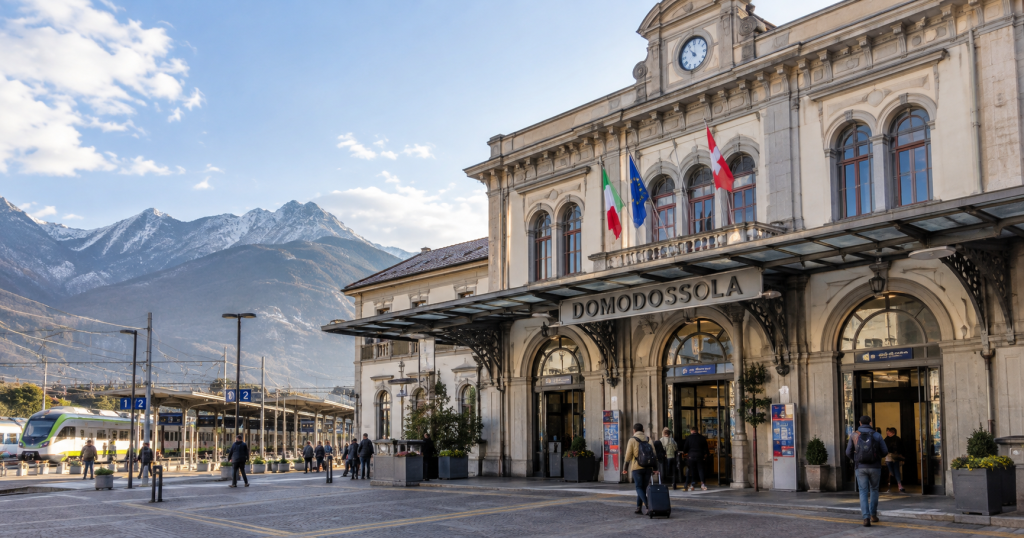
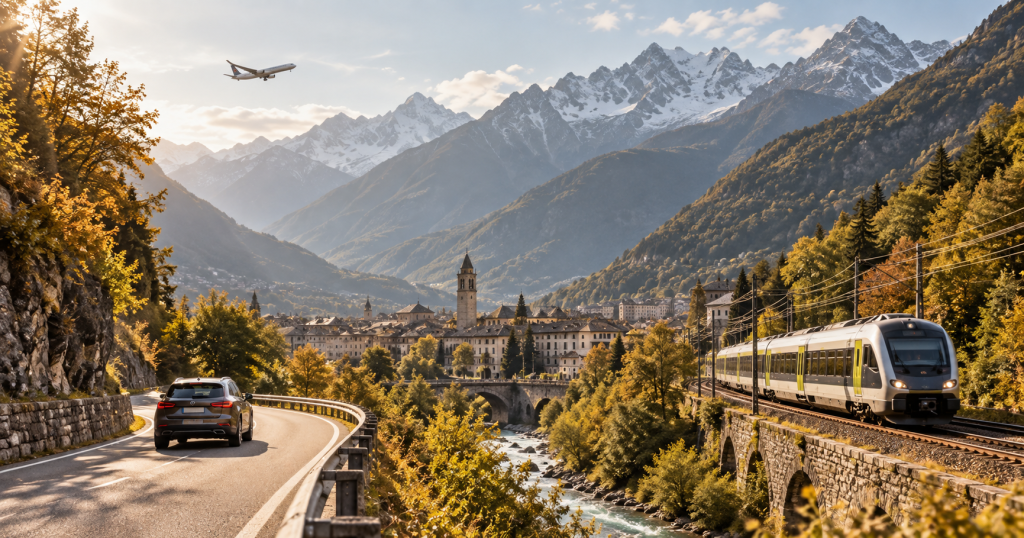
The construction of the Simplon railway line, inaugurated in 1906, was the crucial historical event that boosted tourism in Stresa: from that moment onwards, all international trains bound for Northern Europe stopped here. It was during those very years that the Omarini family, historic hoteliers of Isola Bella, promoted the construction of the Grand Hotel des Iles Borromées, designed to offer unparalleled views of the islands and accommodate a growing number of visitors.
The Music Weeks and Hemingway as a guest
Every year, especially in September, the prestigious Stresa and Lake Maggiore Music Weeks attract soloists, orchestras and ensembles from around the world, in a festival that holds a prominent place among European classical music festivals. Among the town’s most famous guests was the writer Ernest Hemingway, who arrived in Stresa in September 1918, aged just nineteen, while recovering from a war wound: he later set part of the novel “A Farewell to Arms” at the Grand Hotel des Iles Borromées, whose room 106 still bears his name today.
Even today, Stresa retains this dual character, between the cosmopolitan charm inherited from the Belle Époque and the authenticity of an area that continues to thrive on its lake, mountains and holidaymaking, drawing visitors who seek both the elegance and the natural beauty of this corner of Piedmont.
It is no surprise that Stresa continues to attract visitors seeking precisely that unique combination of landscape, history and cultural life that has made this destination famous since the Belle Époque.