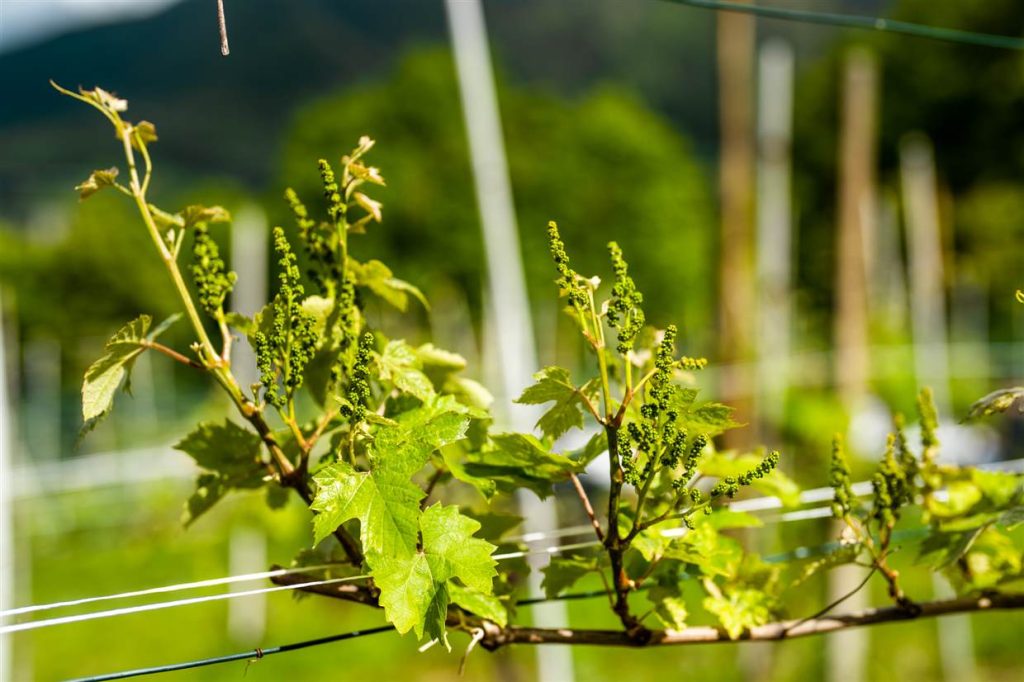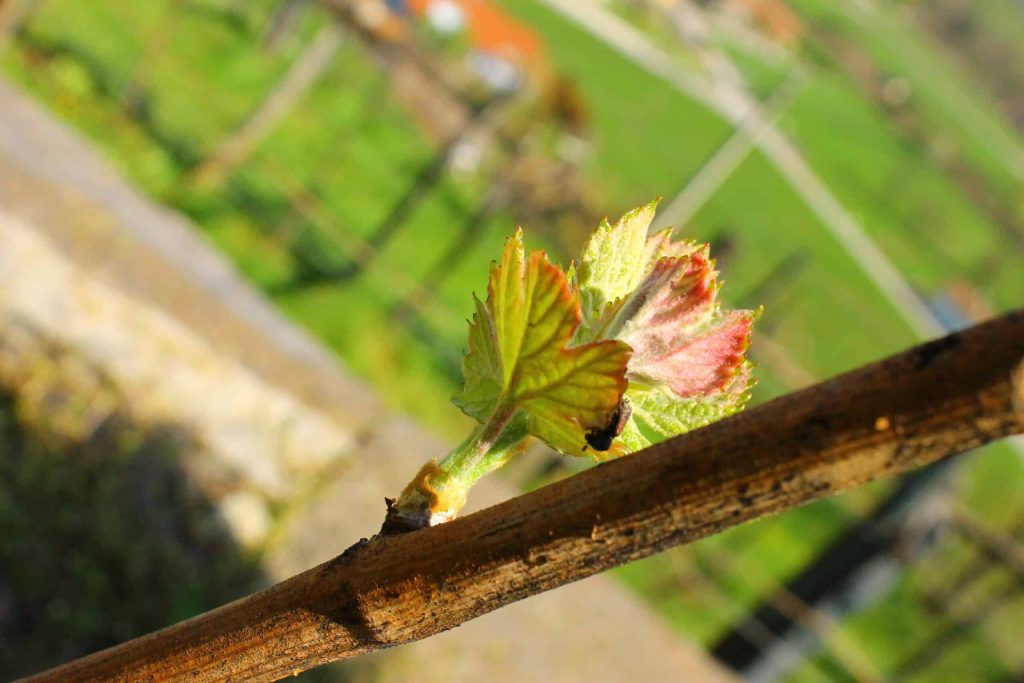

It is called crying, but it is a positive phenomenon linked to vine pruning and to the period when the plant awakens with the arrival of warmer weather, when budbreak begins. After all, is it not with crying that life begins?
What is vine “crying”, when and why does the vine cry
After the growing season and harvest have been completed, the days begin to grow colder, the leaves fall and the vines enter the dormant phase. In the absence of foliage, throughout the winter, the sap is largely retained in the roots.
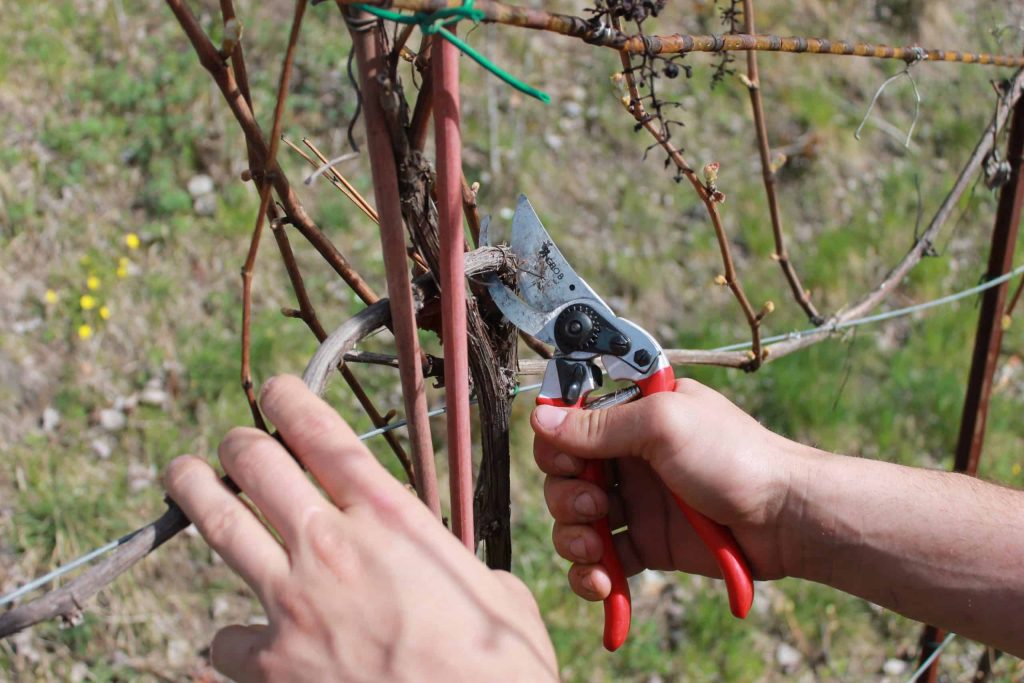
Towards the end of winter, with variations depending on the area and grape-growing practices, dry pruning, or winter pruning, takes place, removing the older branches to encourage subsequent fruiting on the more vigorous ones.
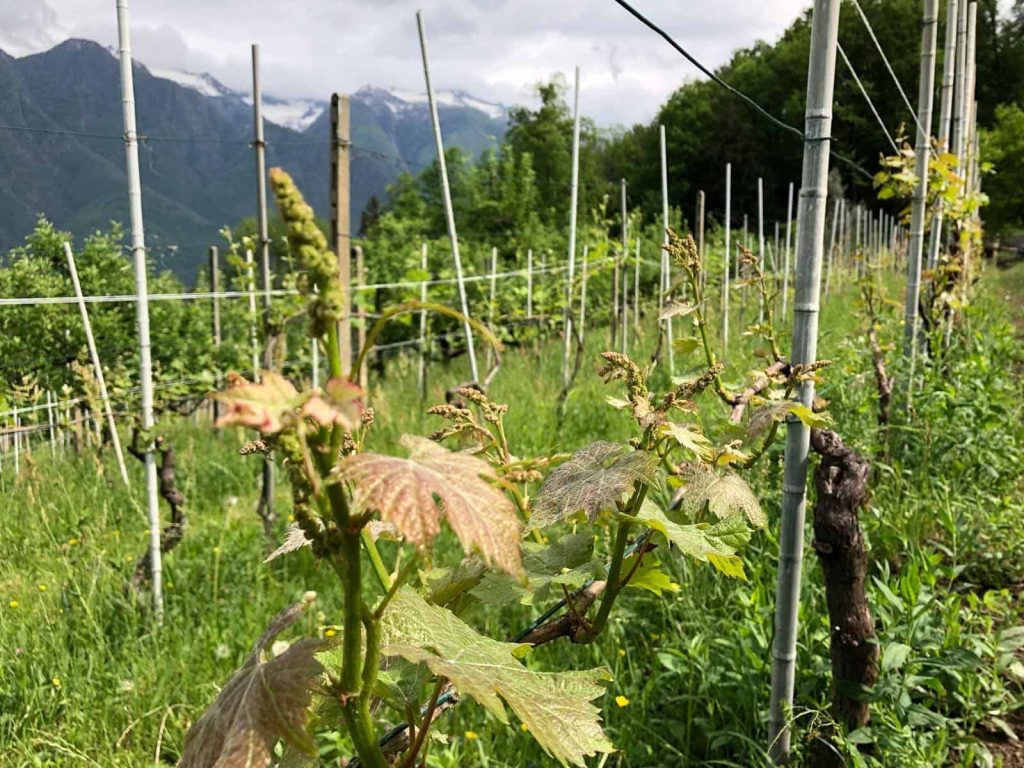
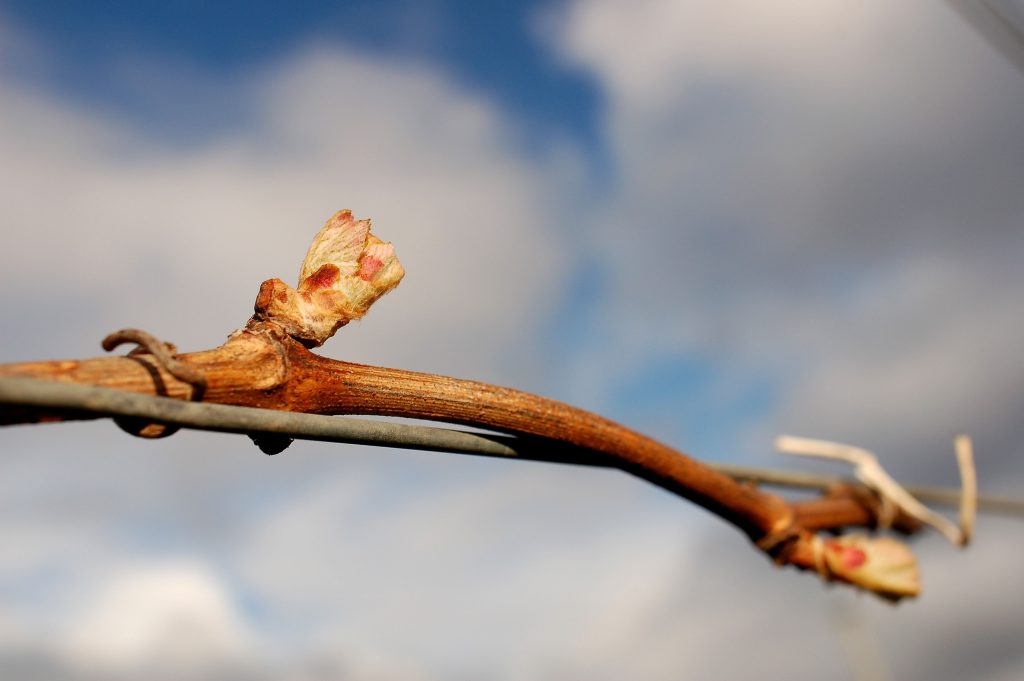
When the soil begins to warm up, with the ambient temperature rising to around 10°, the sap circulates through the plant again and rises from the roots along the trunk to the branches and canes, then flowing out through the wounds left by winter pruning.
It is then said that the vine cries, because of the drops of sap that gush from the plant, signalling to us winegrowers the resumption of the vegetative cycle.
How does it work?
To understand how vine crying works, we can begin with a comparison between human and plant anatomy. Let us imagine that the sap flowing through the vine is blood: the channels of what is called the phloem are the arteries, carrying sap rich in substances derived from photosynthesis from the leaves to the stems and roots.
Just as our arterial circulatory system has a corresponding venous system, in the vine the phloem corresponds to the xylem, which carries mineral-rich water in the opposite direction, from the roots to the stems and leaves.
When temperatures begin to rise again in spring and awaken the vines, the roots absorb nutrients and water from the soil, and the xylem and phloem reactivate to allow sap and nutrients to flow along the stems. In this way the sap reaches the tips of the canes, passing through the trunk and main branches, and the vine begins to “cry” from the pruning scars.
Depending on the variety and age of the plant, the climate and how it has been pruned, a vine may release several litres of sap before the sap itself seals the pruning cuts.
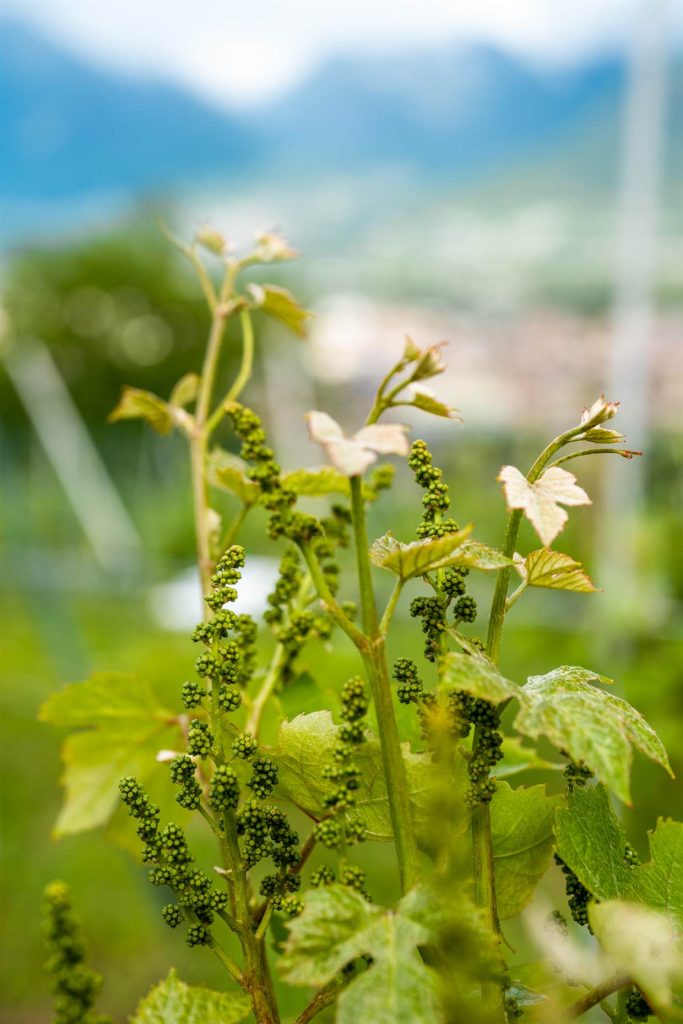
The sap contains cytokinins and gibberellins, hormones essential for the development of the young parts of the plant, which nourish the buds; on the other hand, precisely because through crying the vine begins the actual phase of budbreak, it is a very delicate time.
A frost after vine crying can prove fatal, both because the rest of the plant is deprived of the right amount of liquids and carbohydrates to withstand the cold, and because the dense, transparent “tear” running along the canes could freeze around the buds themselves, causing their death.
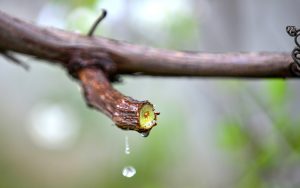
The Calabrian legend of vine crying
An evocative natural event and as recurrent as sap flowing from pruning cuts could not fail to inspire a folk tale dedicated to it: in Calabria, it is said that, at an unspecified time, as befits every legend, the vine was only capable of producing leaves of a beautiful, bright green, whose shade, however, prevented the useful plants sown nearby from developing properly.
A farmer who had a vine on his land therefore decided to prune it drastically, reducing it to a trunk and a few short, knobbly branches.
Seeing itself in such a state, the vine began to cry, moving a nightingale that had once been accustomed to taking refuge among its lush foliage.
The bird began to sing, to console it and move the stars to pity, so that they would restore its beauty and, after ten nights of singing, it achieved its aim: the stars caused buds to sprout, then leaves and tendrils, and finally juicy bunches of grapes. The vine became fruitful, earning the farmer’s respect, with berries as sweet as the nightingale’s song, intense and as powerful as the stars, a fruit that brings joy like summer nights.
The cosmetic benefits of vine “tears”
It seems that in the past, people working in vineyards collected vine sap to massage their hands and faces, having noticed that it reduced blemishes and generally protected against the elements. Even today, vine sap, rich in natural antioxidants, is used in some cosmetic products: moisturising creams, toners and serums, for the care and nourishment of skin and hair.

Visit the vineyards in March and come and see the crying of the vine