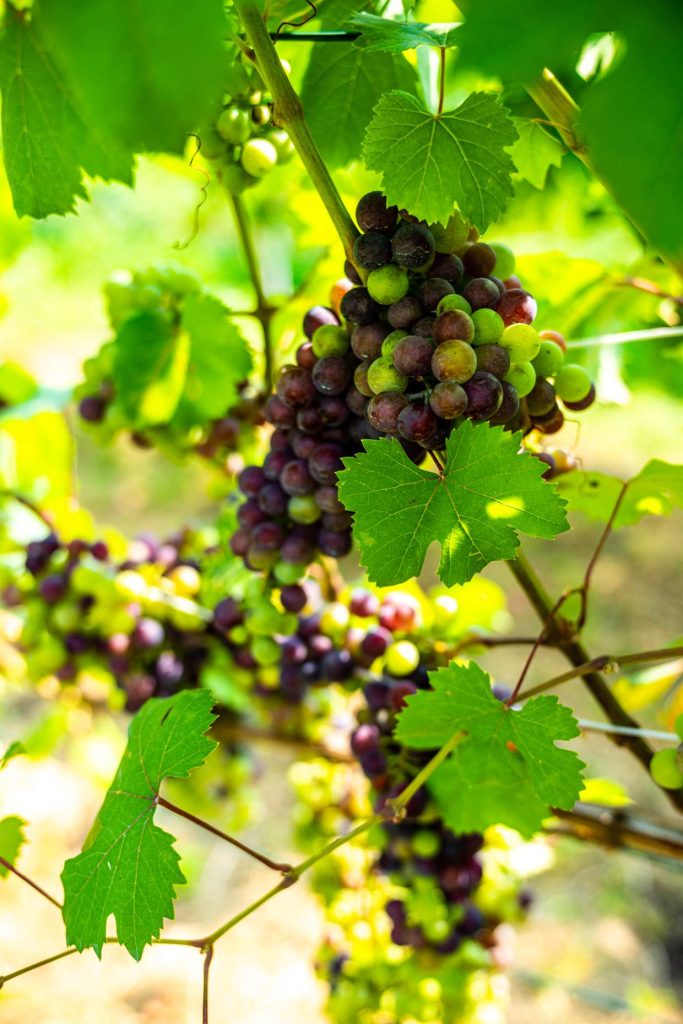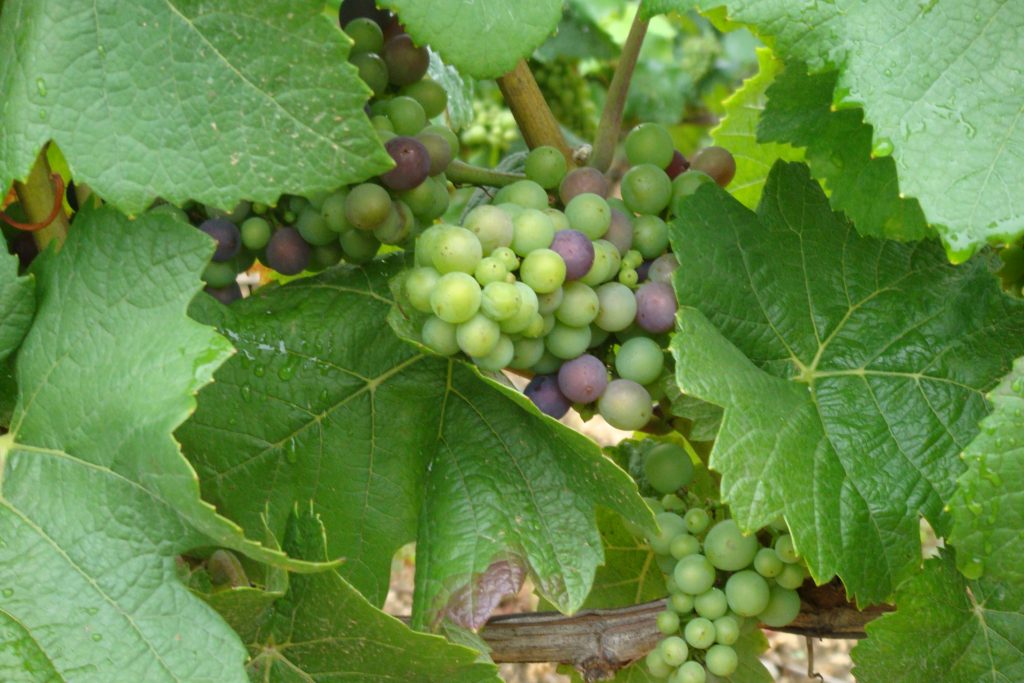
The harvesting of ripe grapes in the vineyards is a crucial stage in winemaking. The quality of the harvested grapes has a direct influence on the taste and aroma of the wine produced. The grape harvest is generally carried out in late summer or early autumn, when the grapes have reached optimal ripeness according to the winemaker’s expectations. The sugar content of the berries is important for fermentation and for the final alcohol content.
Grapes harvested at an optimal stage of ripeness offer more complex flavours and aromas, contributing to the creation of high-quality wines. Winegrowers and winemakers pay particular attention to determining the precise timing of the grape harvest. To ensure exceptional harvests and wines, the distinctive characteristics of the individual grape variety, the production area, the climatic conditions and the type of wine to be produced must be taken into account.
Harvesting techniques
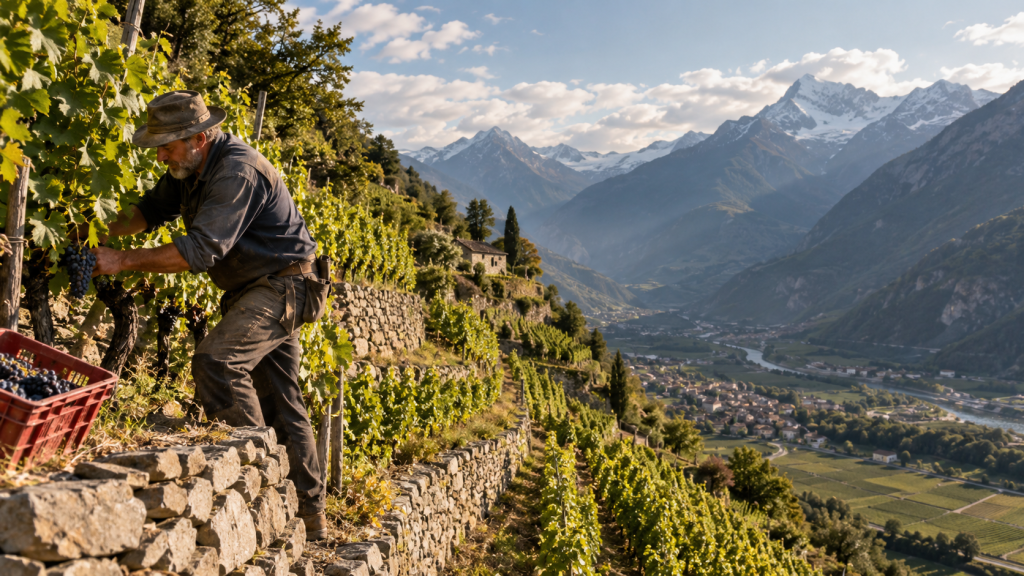
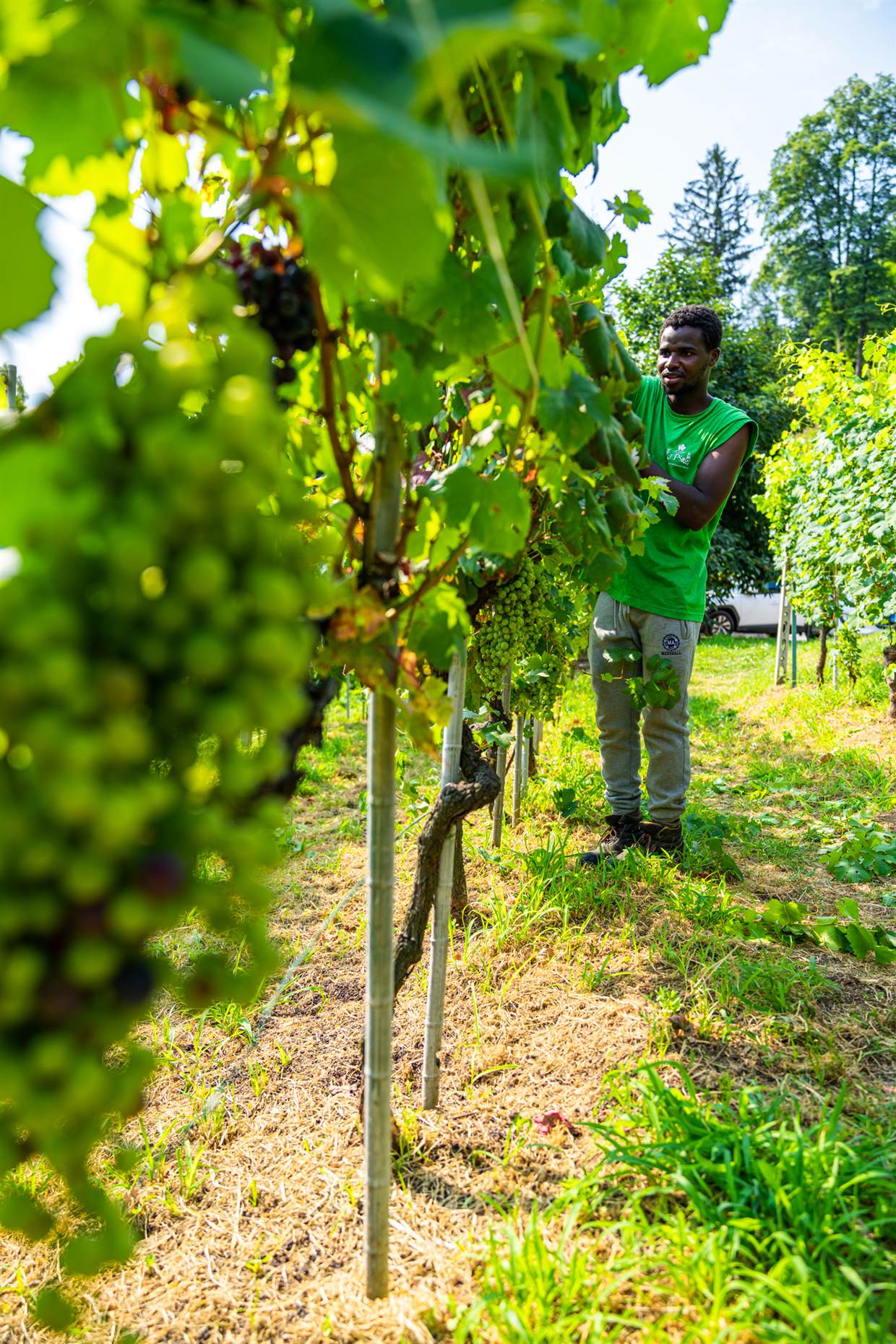
Over the centuries, harvesting techniques have evolved, also thanks to technology, to meet the needs of the wine industry. Originally, grape harvesting was carried out exclusively by hand, with pickers taking individual bunches of grapes; with the emergence of new methods and tools, mechanical harvesting has become increasingly common, improving productivity and optimising the efficiency of the production process. However, even today, many winegrowers prefer hand harvesting: picking bunches by hand enables them to have greater control over quality, even tasting the grapes to ensure the right balance between acidity and sugar content. Hand harvesting and the selective choice of bunches are, for example, essential in the production of sparkling wines, which require more acidic grapes that will give the alcoholic beverage the right freshness.
For mechanical harvesting, assisted harvesting machines and grape harvesters are currently used, combined with a tractor, to shake the plants so that the bunches detach and fall. To maintain better quality in wine produced from grapes harvested mechanically, selection of the grapes before crushing is nevertheless required.
Grape harvests: staggered, selective and late
August–September, September–October and October–November are the three grape-harvesting periods. The criterion for deciding the right time for the grape harvest is that the berries, skins, pulp and seeds have reached the right balance between sugar level and acidity, but the aroma must also meet the criteria set by the winemaker.
Staggered harvesting
In some cases, to get the best from the grapes in a given vineyard, staggered harvesting is necessary. This involves choosing different times to pick the bunches, assessing their degree of ripeness selectively. Only what is ripe is harvested, while the other bunches are left on the vine so that they too can reach the ideal degree of ripeness. Staggered harvesting aims to produce fine wines.
Selective grape harvesting
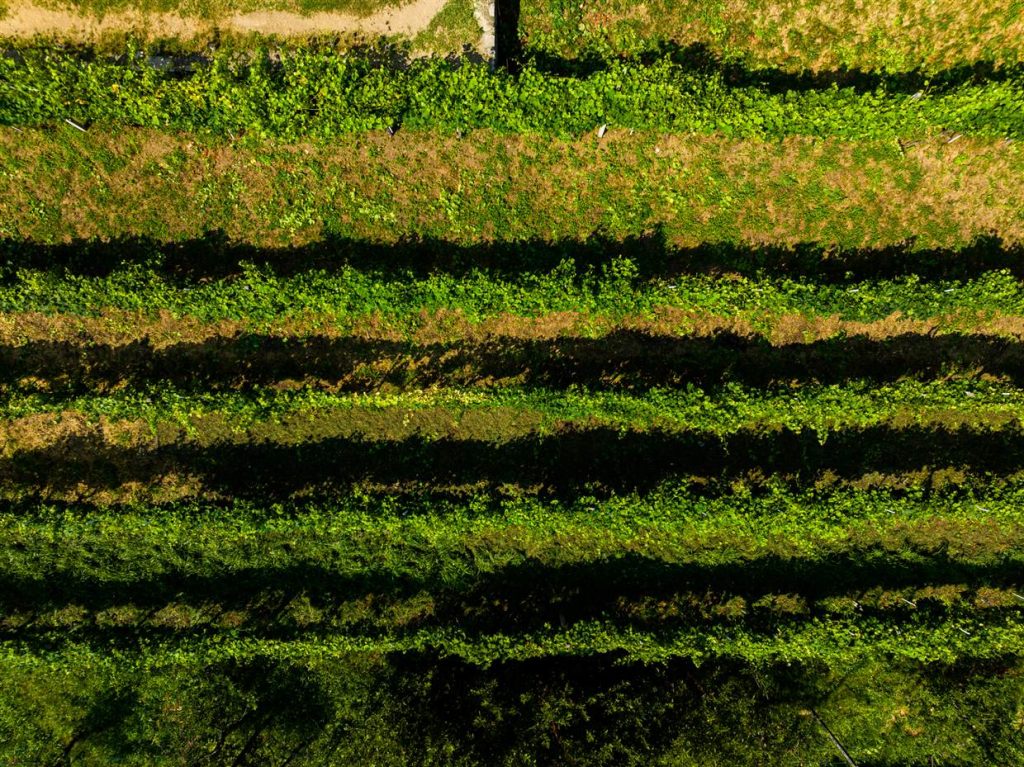
Selective harvesting is also aimed at producing wines of particular quality. In this case, the right time for harvesting is assessed by taking into consideration the level of productivity of an entire vineyard and of the different grape varieties found in an area. Just as there are methods for monitoring vineyard conditions that make it possible to apply differentiated fertilisation and irrigation in order to standardise development, grape ripening and, consequently, harvest timing, there are currently sophisticated technical methods for selectively assessing the right time for harvesting in the various vineyards and geographical areas. In these cases, surveys carried out using multispectral cameras and drones, capable of detecting the amount of light reflected by the foliage, are used alongside software that processes the collected data. These procedures are certainly not within the reach of every winery.
Late harvesting
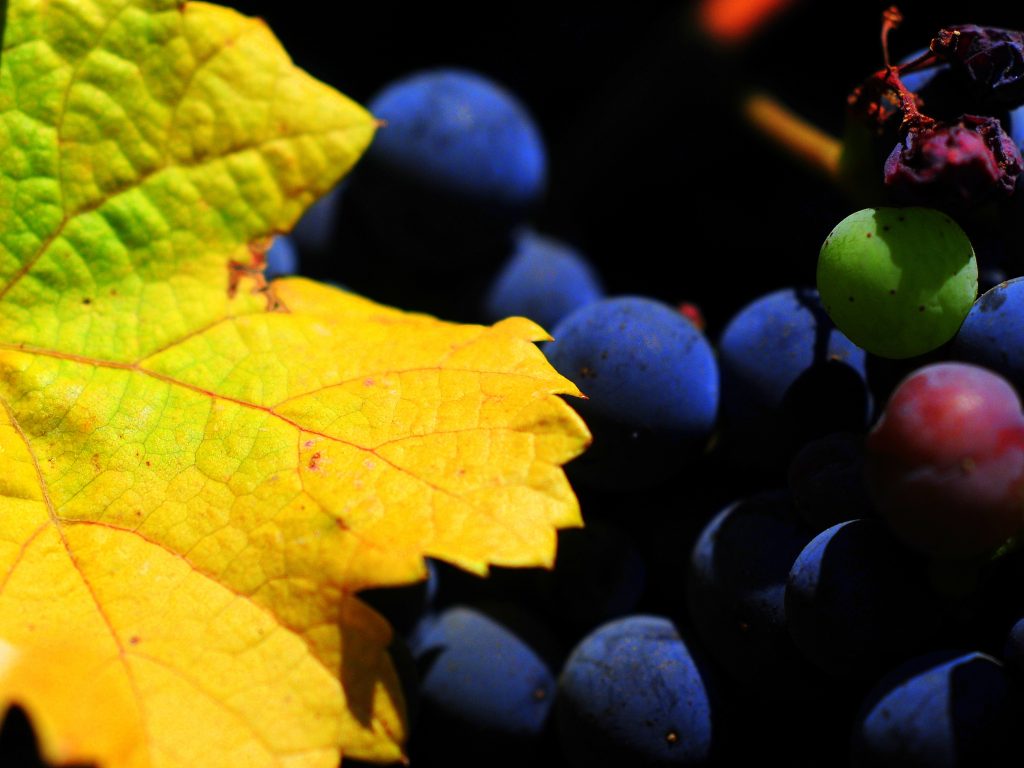
Late harvesting refers to the picking of grapes that takes place after complete ripening and withering on the vine. Their high sugar content is suitable for the production of raisin wines. It is not part of the Italian winemaking tradition, in which grapes intended for particular wines are dried after being removed from the vine.
Regardless of the harvest period and the method used to harvest grapes, whether manual or mechanical, some rules are essential. The bunches must be dry, free from moisture caused by rain or dew, which could affect the quality of the must. The hottest hours of the day must be avoided to prevent unwanted fermentation from starting. The harvested bunches should be placed in containers that are not too large or deep, to avoid crushing. Finally, the grapes must be transported to the winemaking facility as quickly as possible, to prevent unwanted fermentation from beginning in this case as well.
Find out more
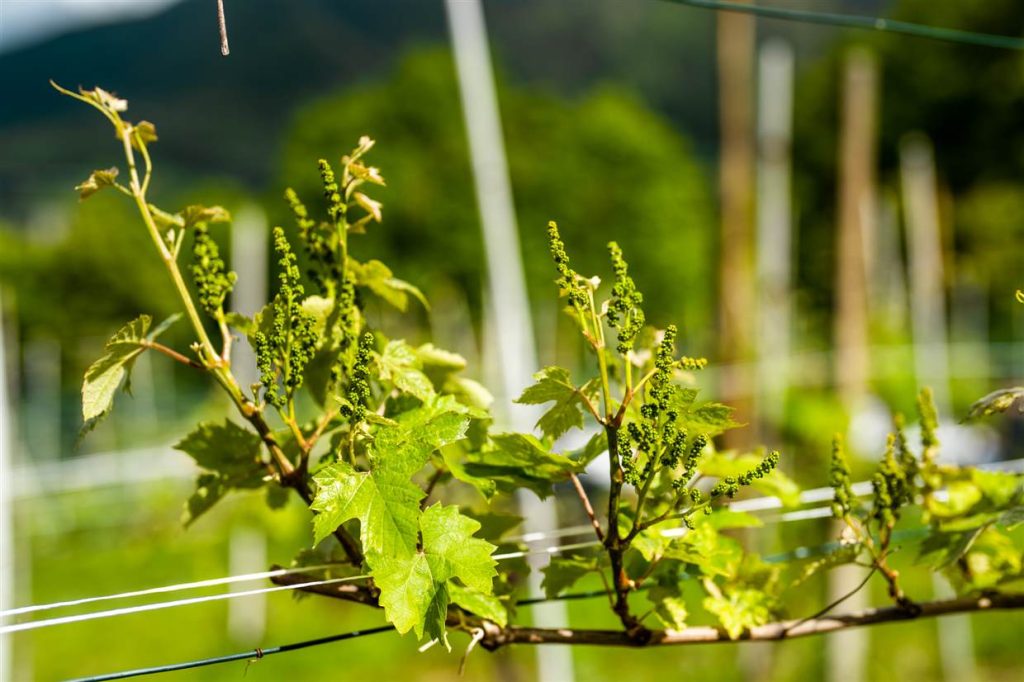
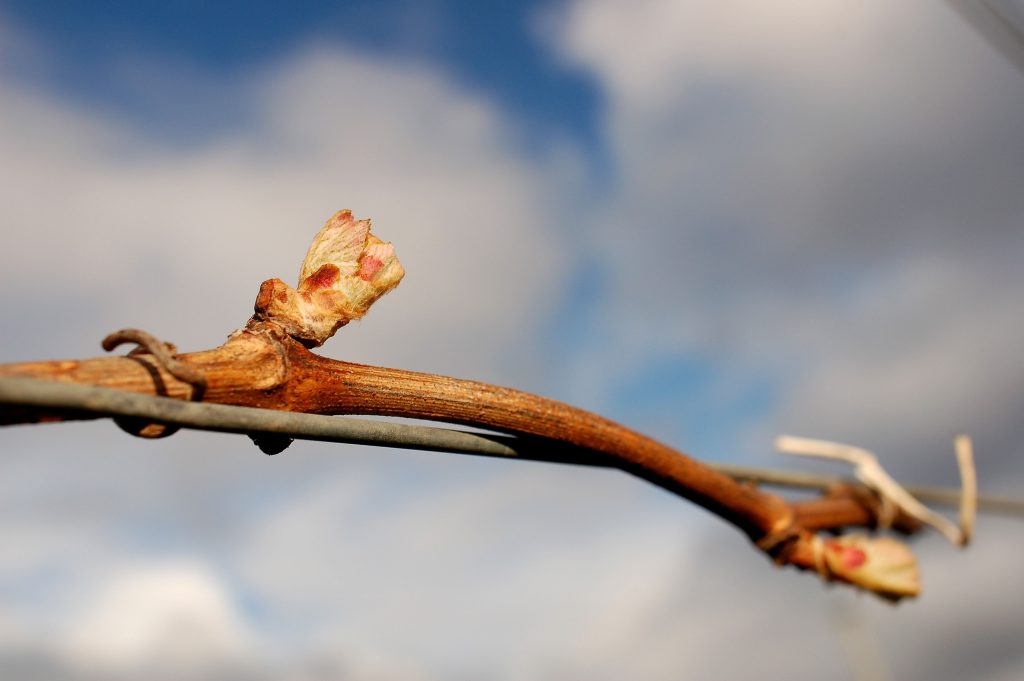
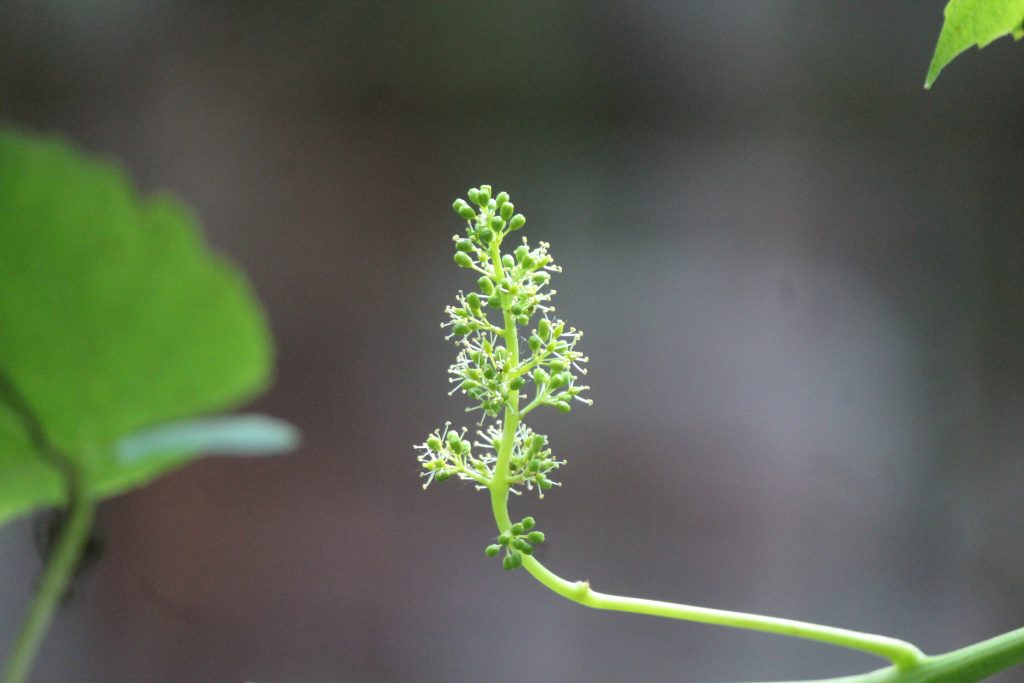
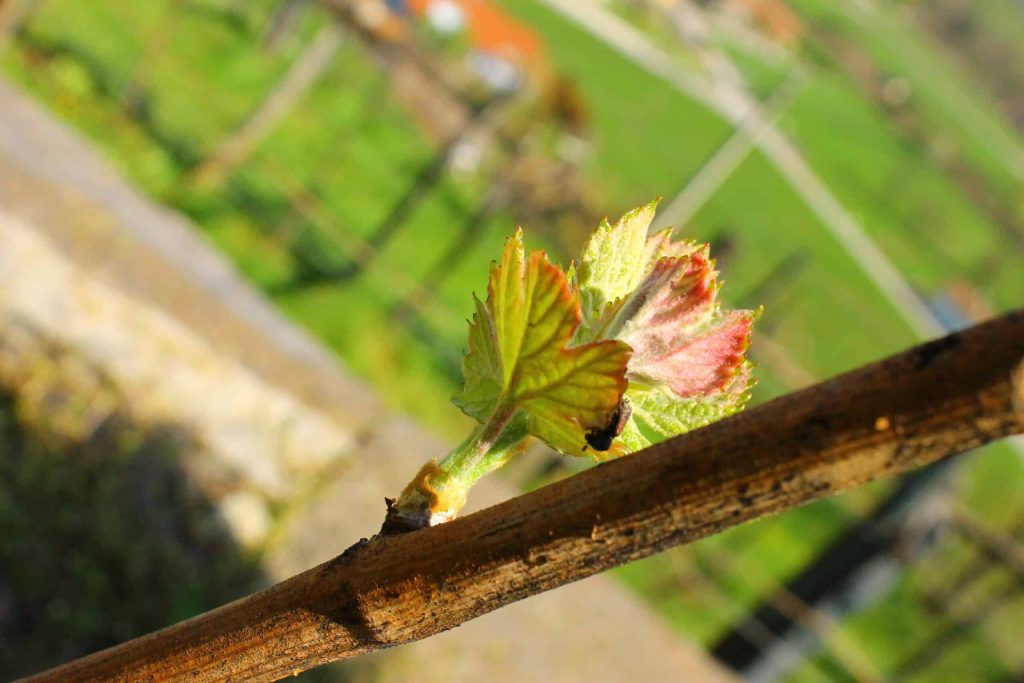
To understand the stages before and after harvesting: grape ripening, bottling, vine budbreak.