Climate change and biodiversity loss represent two of the greatest challenges humanity has ever had to face. Rising global average temperatures are disrupting the climate, leading to a range of negative effects that are set to worsen unless addressed promptly.
Global warming
The global average temperature has been rising since the second half of the 19th century due to human activities, particularly CO2 emissions caused by the use of fossil fuels: this is why it is also referred to as “anthropogenic climate change”. Humans have caused the temperature to rise by around 1°C, with projections indicating a possible increase of up to 1.5°C, with potentially serious consequences for the entire planet.
The causes: the greenhouse effect
Life on Earth is possible thanks to a natural process called the “greenhouse effect”. Some solar radiation is reflected back into space, while other radiation reaches our atmosphere and warms the surface. The planet’s heat is then radiated outwards and partly absorbed by gases in the atmosphere, called “greenhouse gases” because they prevent heat from dissipating back into space, keeping the average temperature at around +15°C, just as a greenhouse would.
Over the last century, humans have released ever greater quantities of greenhouse gases into the atmosphere, thereby increasing their natural effect. These gases mainly come from the fossil fuels used by factories, transport and agriculture: carbon dioxide, methane, nitrous oxide, CFCs, HCFCs and methyl bromide. The problem has been further exacerbated by the loss of forests and wetlands, natural environments where trees absorb large quantities of CO2.
The consequences
In addition to the environment, climate change can also affect our health. The most significant effects include: melting glaciers and rising sea levels; increased intensity and frequency of extreme weather events; water scarcity in some areas, desertification and reduced crop yields; less reliable and predictable seasons; the destruction of coral reefs, ocean acidification and reduced yields in the fishing industry; biodiversity loss; changes in the geographic range of animal and plant species; and an increase in certain diseases.
What can be done
Even small everyday choices can help counter this phenomenon. Here are some practical suggestions: choose reusable materials whenever possible; recycle waste correctly; use public transport instead of a private car; buy environmentally sustainable products; favour organic and local food; improve your energy efficiency at home and at work.
An issue that also concerns the Val d’Ossola
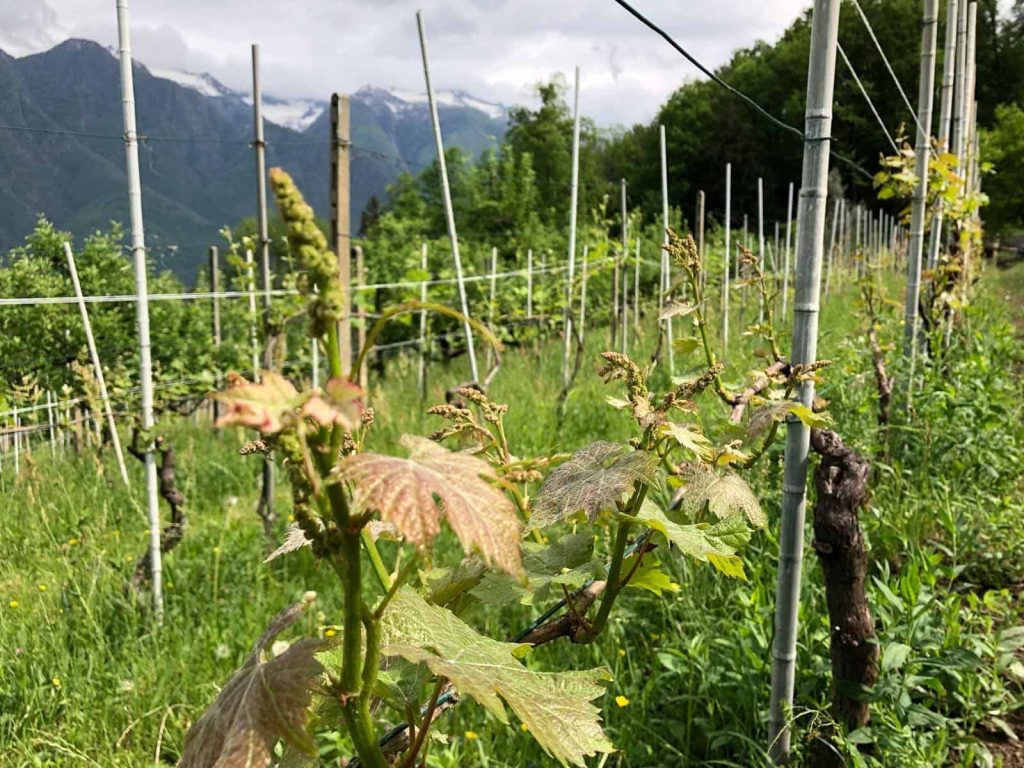
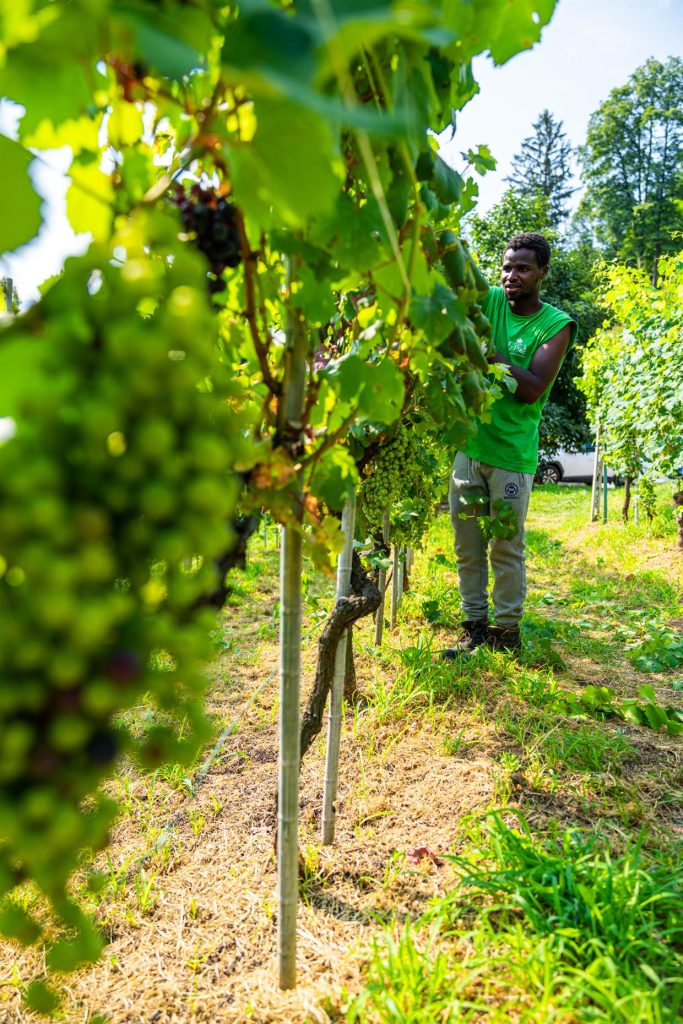
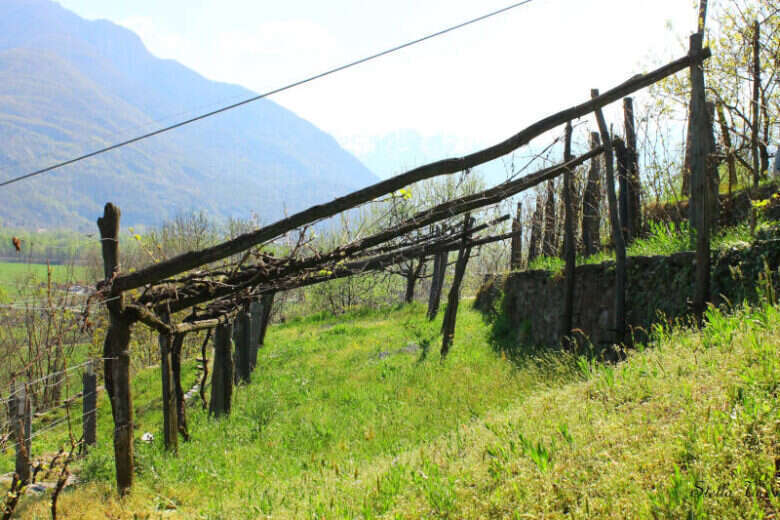
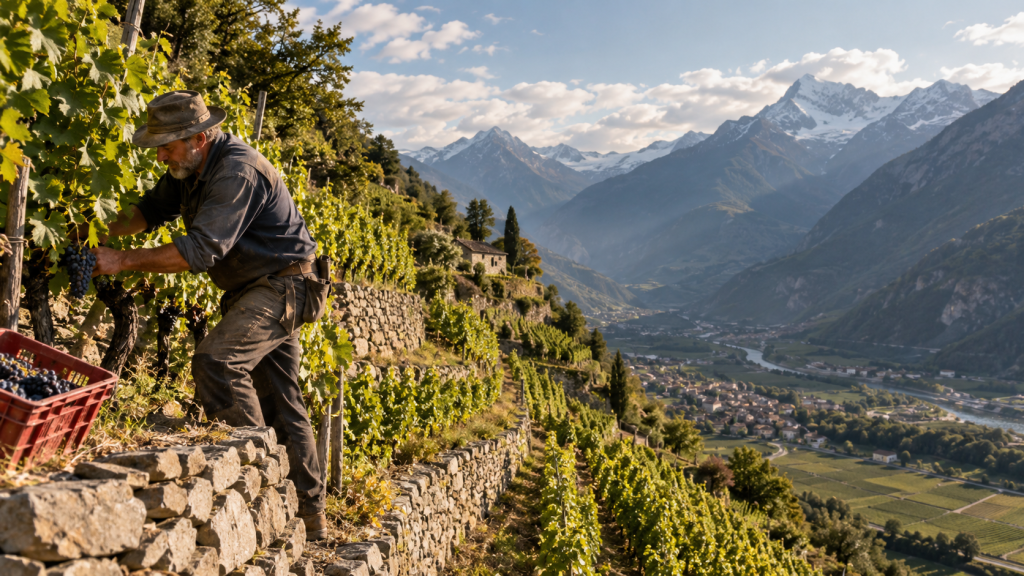
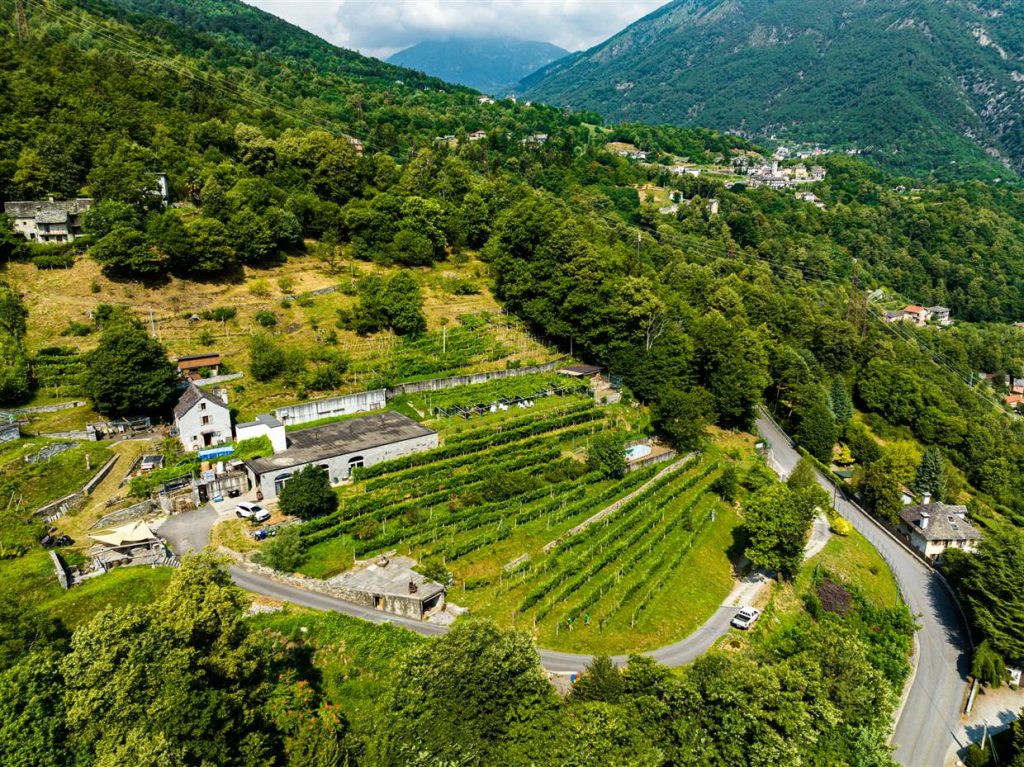
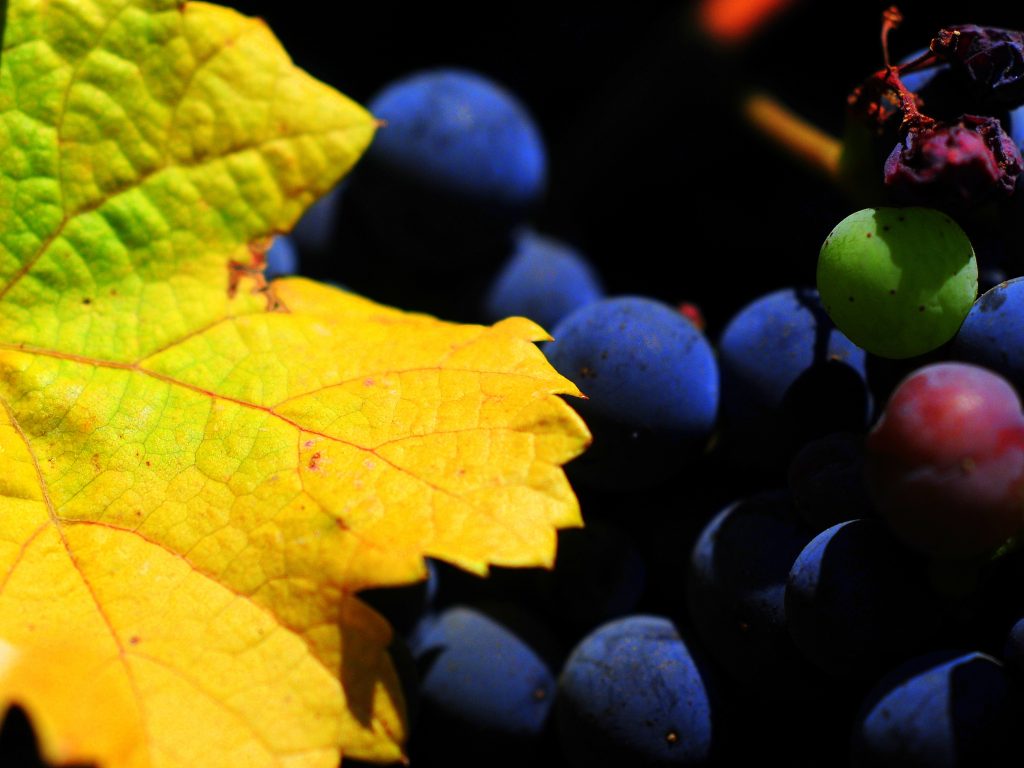
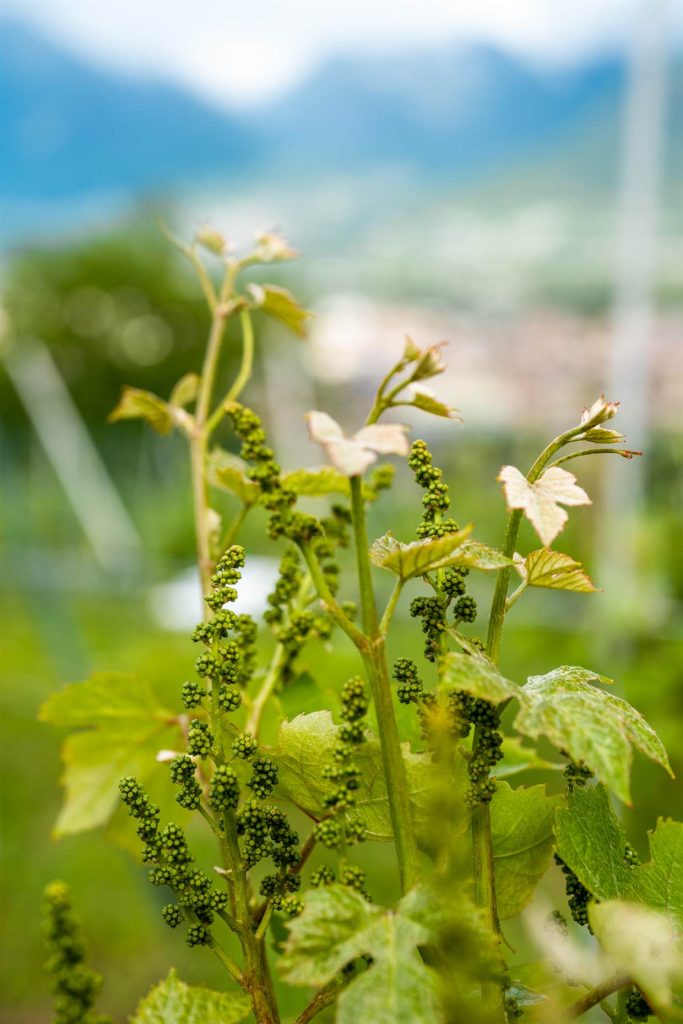
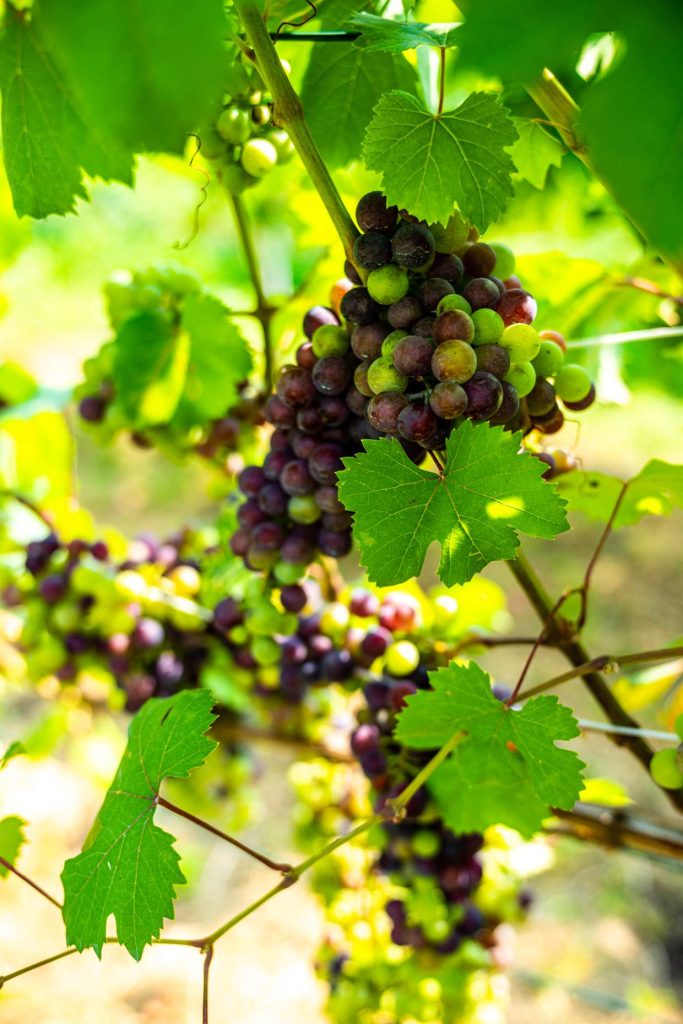
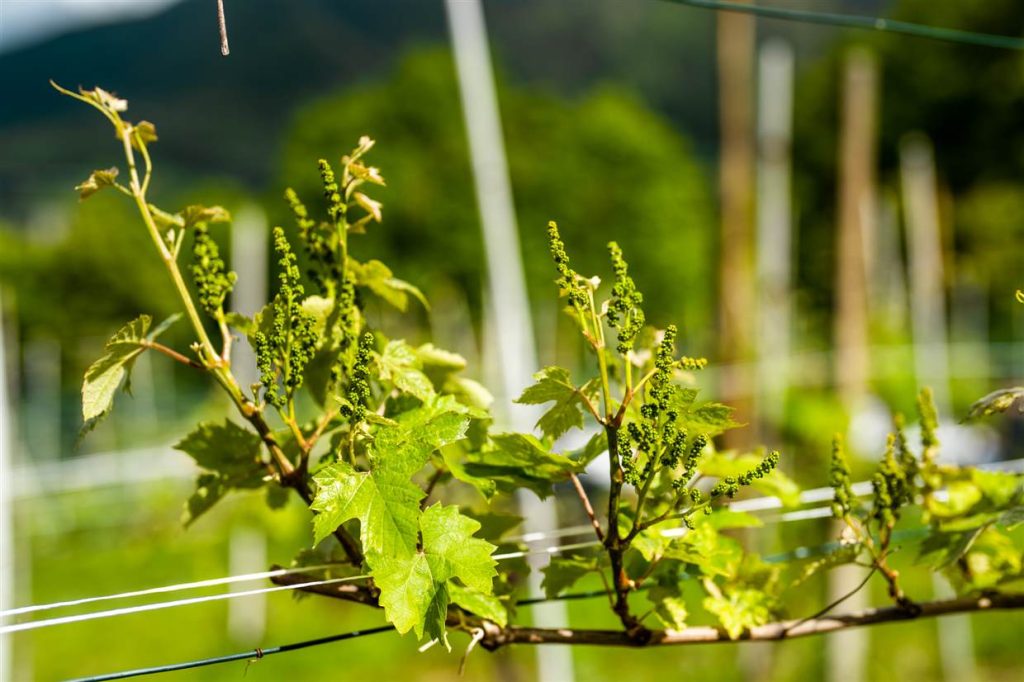
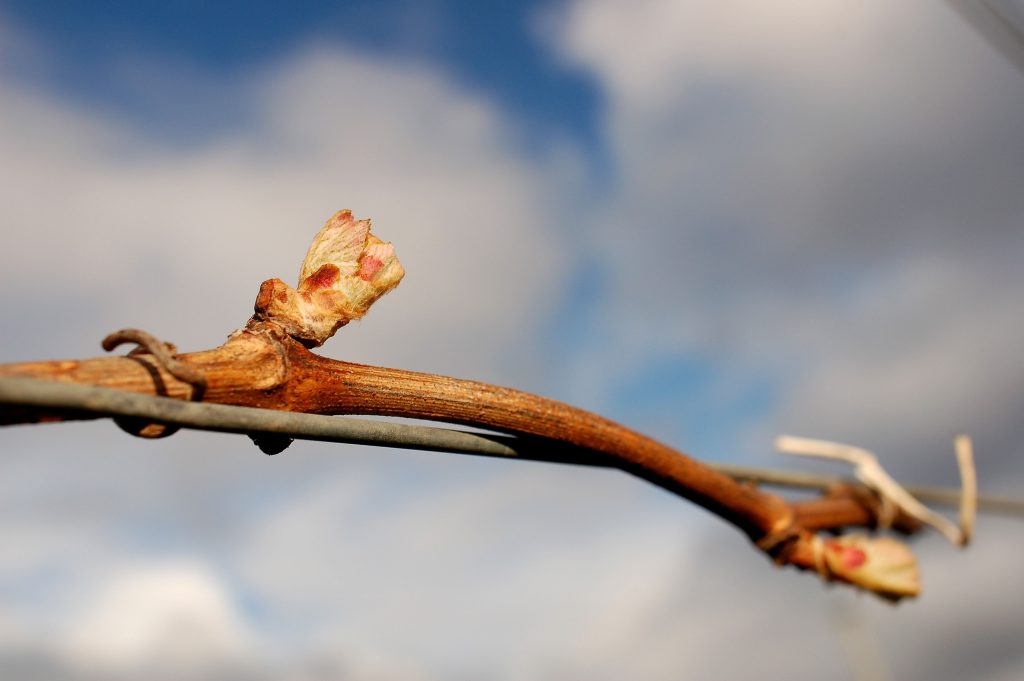
Climate change is not a distant problem: it also directly affects areas such as the Val d’Ossola, where agriculture and viticulture must adapt to increasingly unpredictable seasons. Choosing local products, such as the wine from our tastings, is also a small practical gesture to support local, short-supply-chain agriculture, which is more sustainable than products that travel thousands of kilometres.
A commitment that concerns everyone
Addressing climate change requires a commitment that goes far beyond individual choices, involving institutions, businesses and local communities in a shared path: only through coordinated action at multiple levels will it be possible to limit the most serious effects of a phenomenon that affects the entire planet, including areas such as the Val d’Ossola.
Small everyday actions that, when combined, can truly make a difference for the future of the planet.
A commitment that starts with small local realities
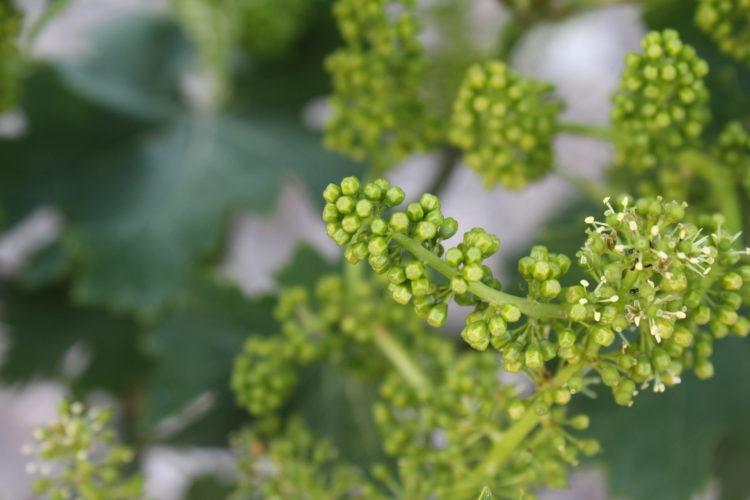
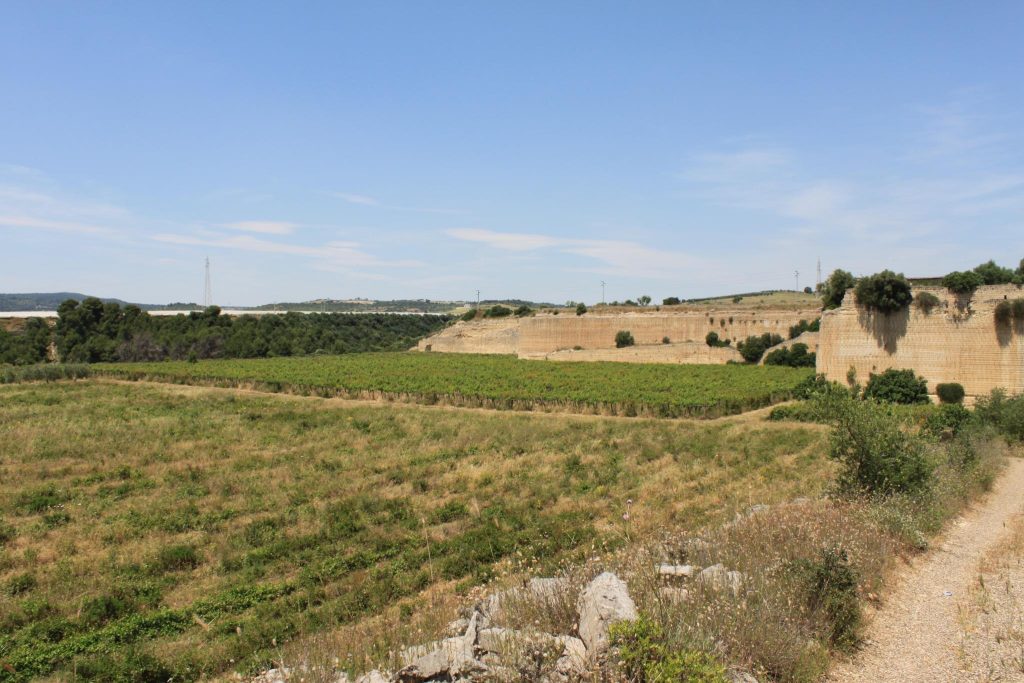
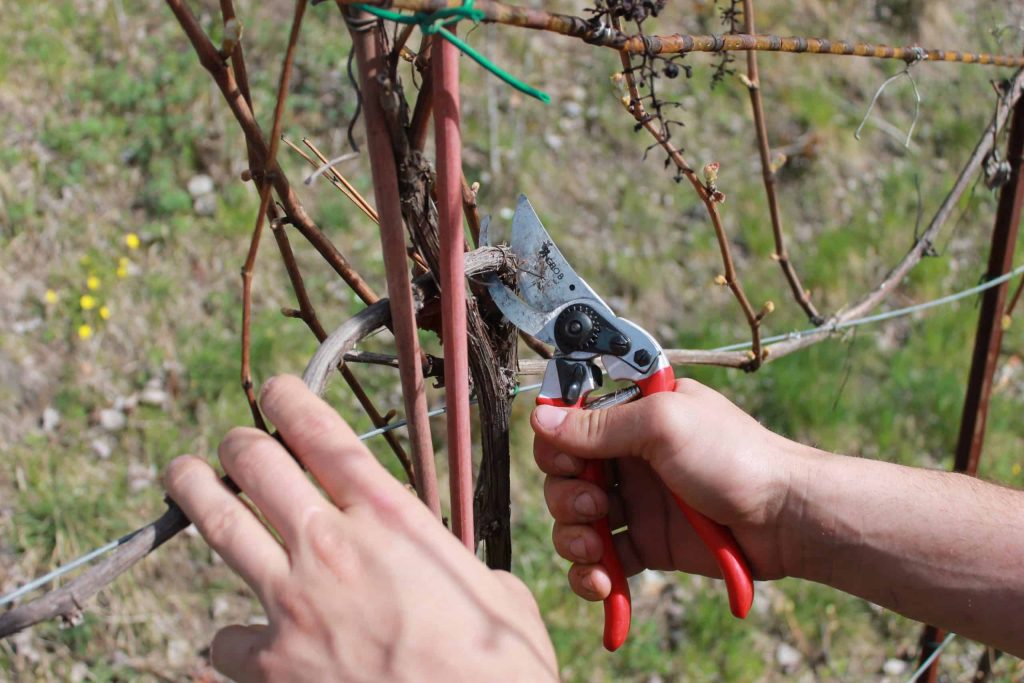
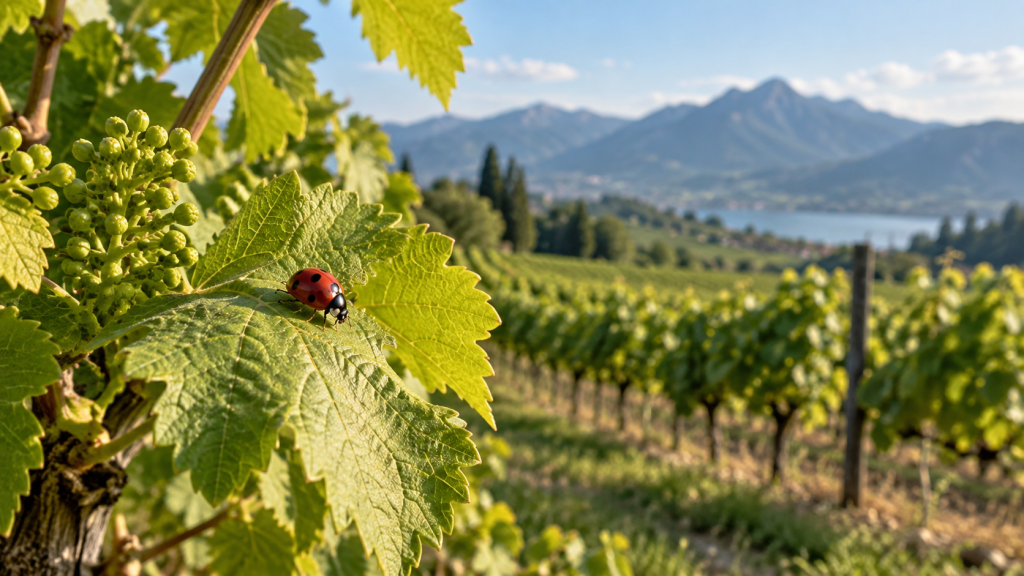
Small local agricultural businesses too, such as the wineries of the Val d’Ossola, can make a practical contribution to the fight against climate change through sustainable cultivation practices, reduced water waste and attention to the biodiversity of their land: choices which, when combined at a local level, contribute to a global goal shared by farmers around the world.
To find out more
Topics related to sustainability in the vineyard: nature awakening in the vineyard, biodiversity in the vineyard, the figures behind Ossola wine.