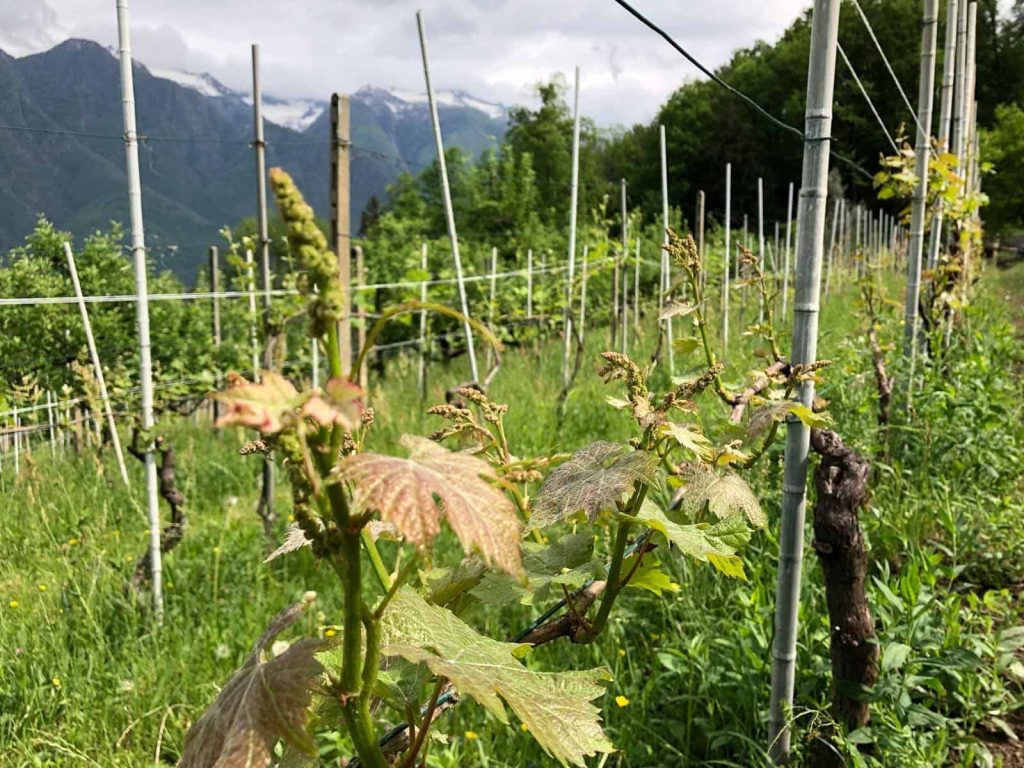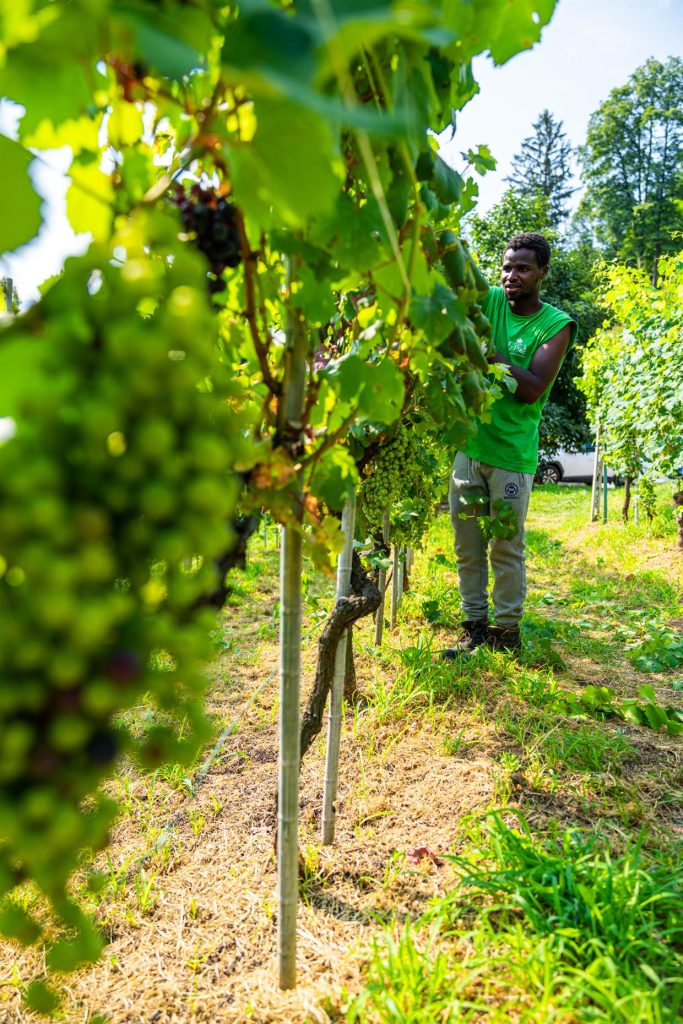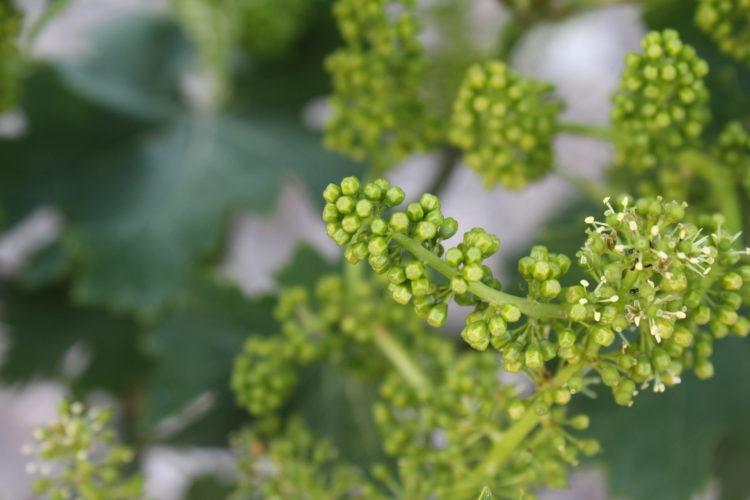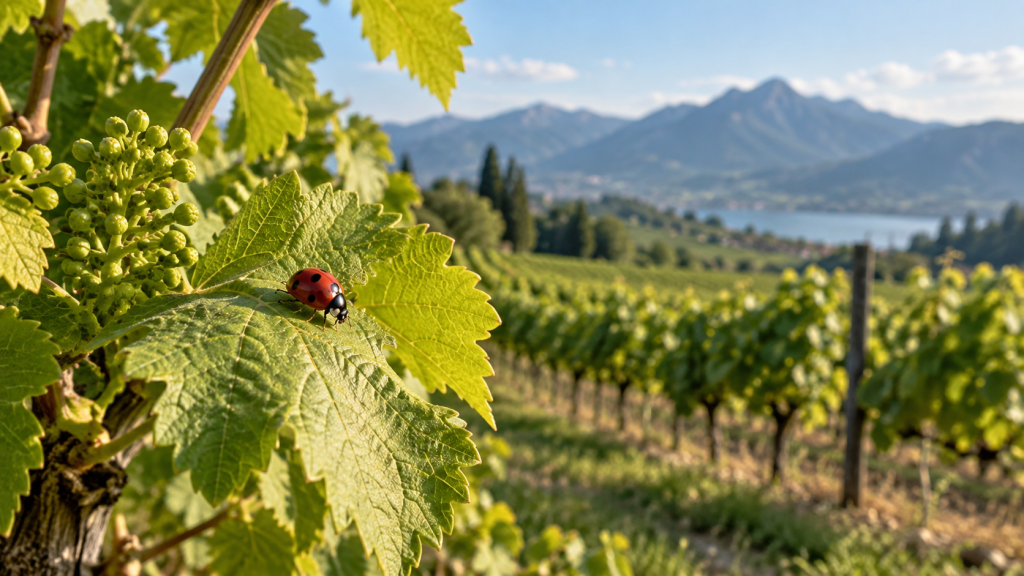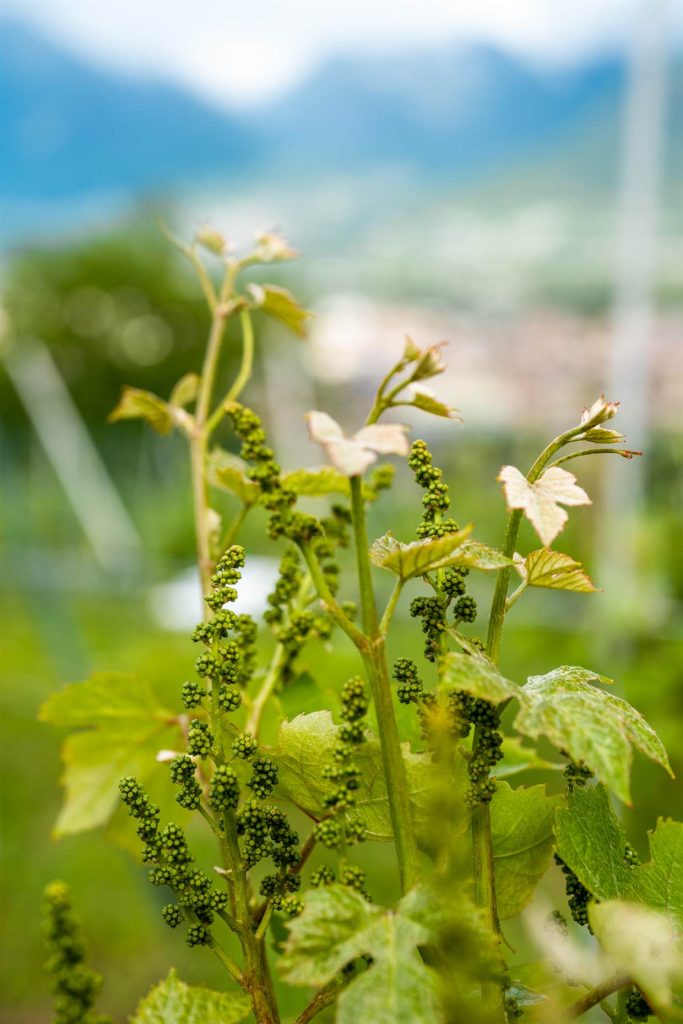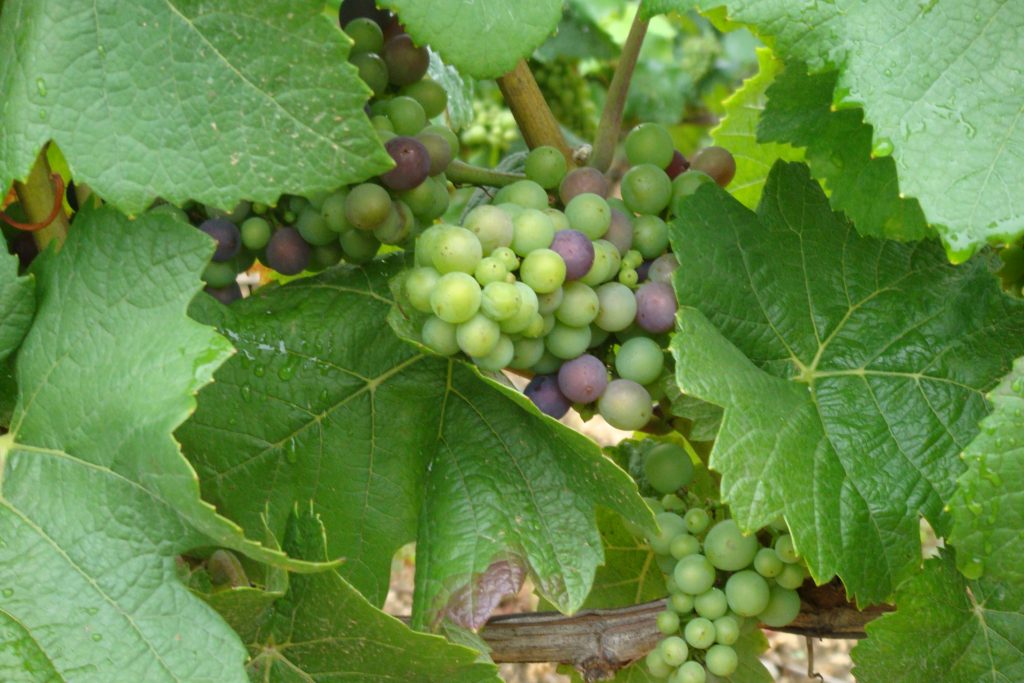
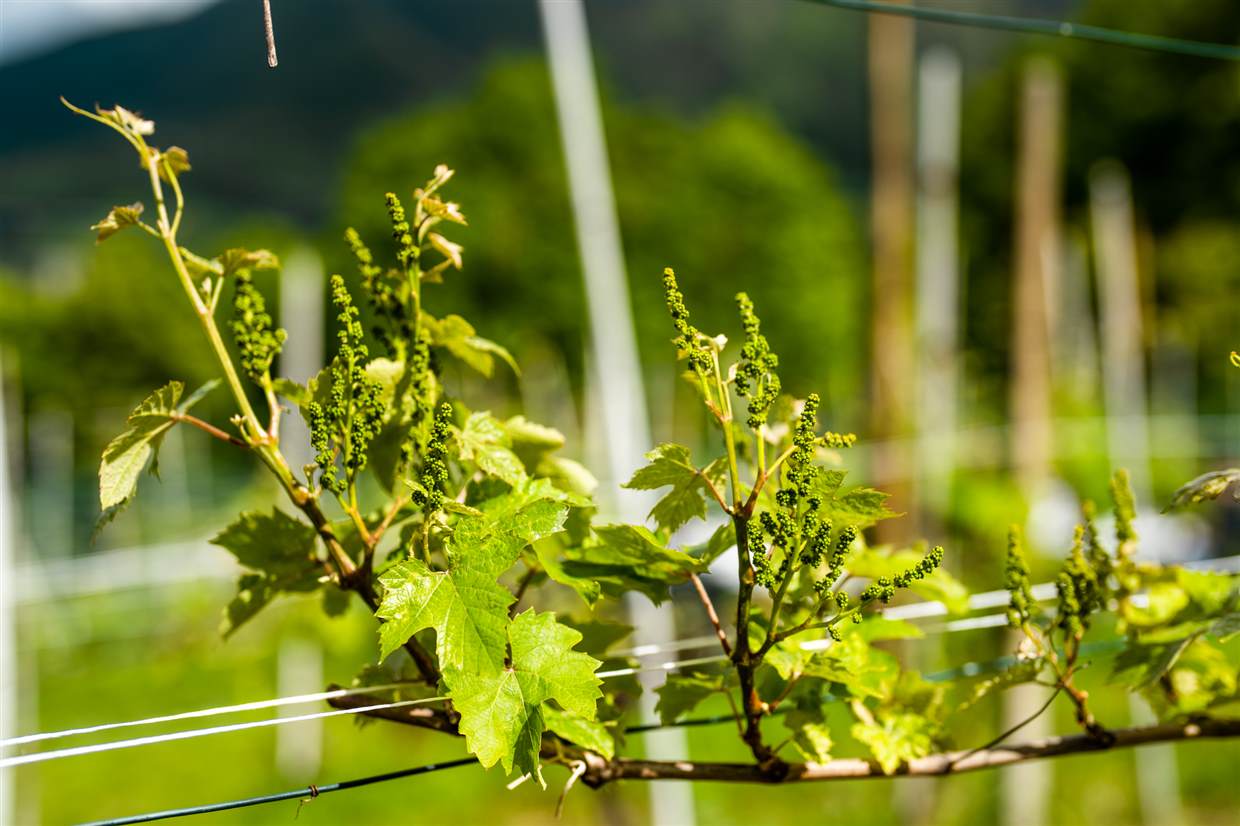
With the arrival of summer and the end of the herbaceous phase, known as fruit set, the grape fruit develops from the flower through rapid cell division. A green sphere, the future berry, begins to emerge at the end of the stem. Then, as the berries grow, the bunches also begin to take shape.
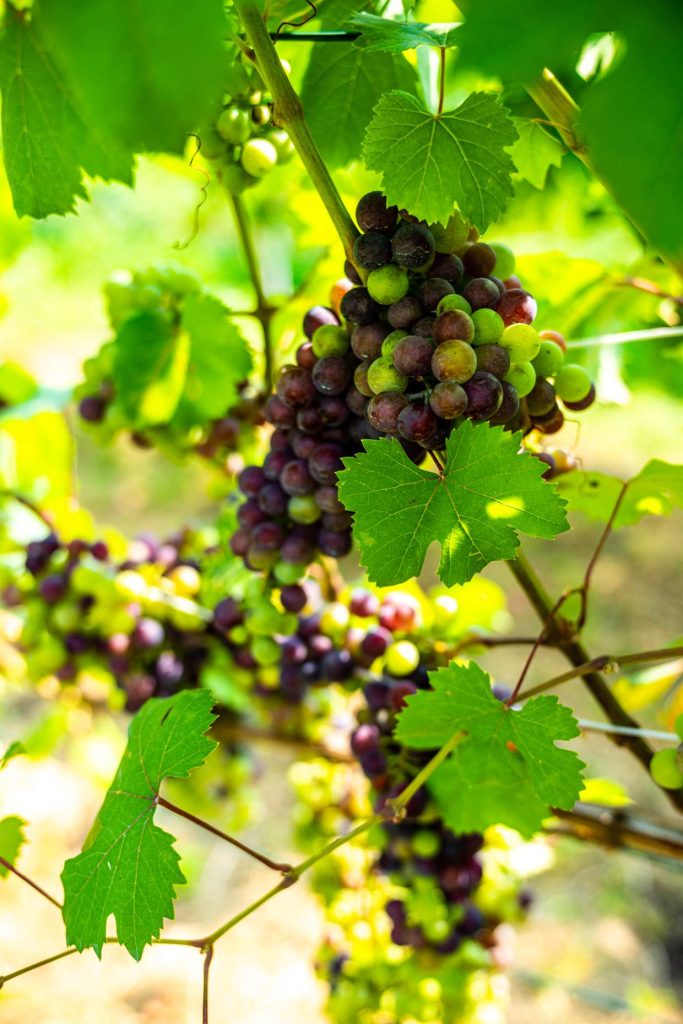
The rapid initial growth phase is followed by a brief pause and, finally, by ripening, veraison. The ripening of the grape fruit is accompanied by changes in colour and softening of the fruit, with a rapid accumulation of sugars in the berries.
How a grape berry is formed
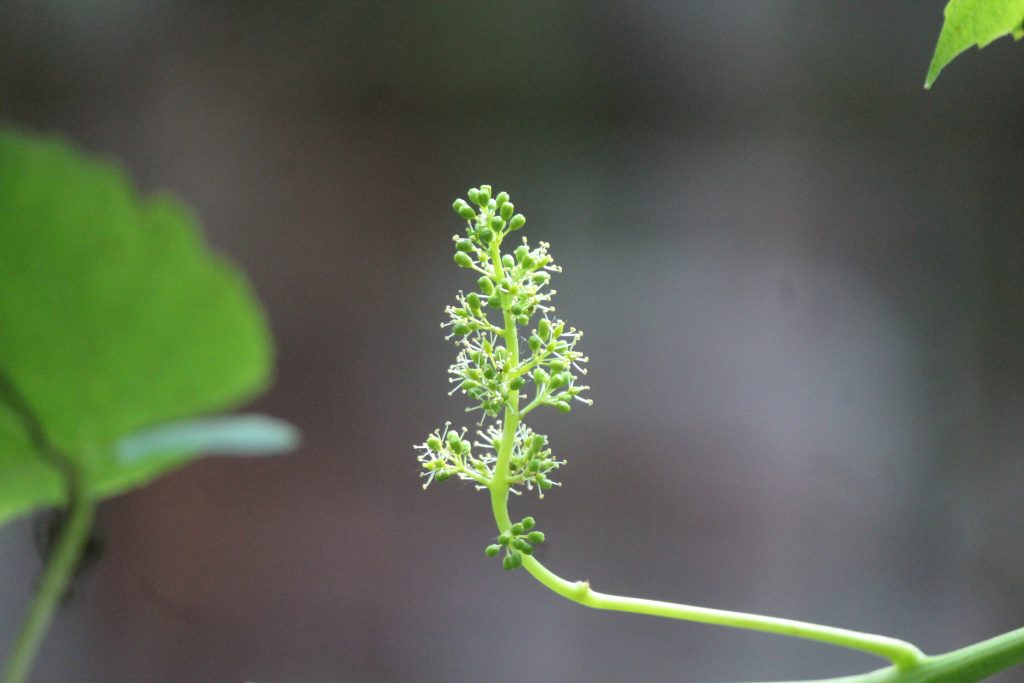
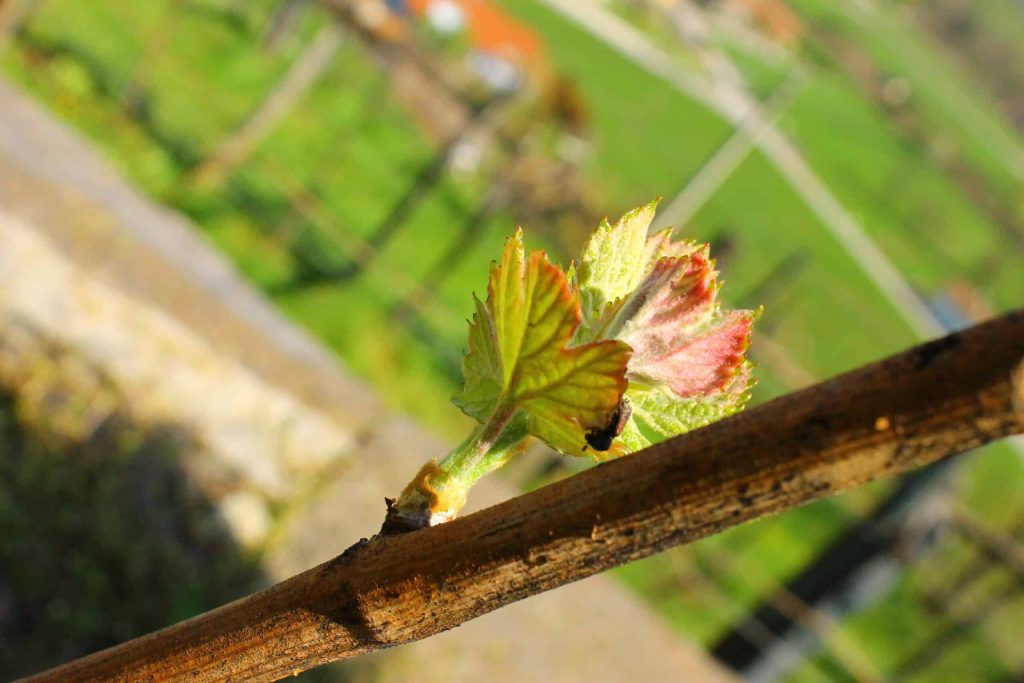
Vine plants are hermaphroditic and each tiny flower contains both male (stamens) and female (pistils) reproductive structures. As the calyptra protecting the flower newly formed in spring slips away, pollen grains reach the ovary, while other grains carried by the wind also arrive from the stamens of other flowers. Whenever fertilisation takes place, fruit set and the development of the grape berry also begin: the grape fruit starts to take shape.
Although the vine does not need pollinating insects, it is visited by them because of the abundance of nectar. Later, it will mainly be the tempting ripe fruits that attract bees and wasps, as well as birds fond of grapes, including blackbirds, tits and starlings.
The structure of the grape berry
The fruit of the grape, of Vitis vinifera, technically is a berry. The size of the berries, which are attached by pedicels around the central woody part of the bunch, known as the rachis, ranges from 12 to 24 mm, depending on the cultivar and species. The shape may be spherical, elliptical, ovoid, cylindrical or curved. The colour ranges from yellowish green to red-black. The flesh tends to be green and encloses small seeds, known as pips.
The skin, the outer layer covering the berry, is made up of six to ten cell layers. The outer surface is covered with a waxy coating, a whitish bloom that makes the berry impermeable. The natural pruina coating retains the wild yeasts present in the environment and protects the berry from parasites and excessive heat.
The main components of the skin are: colouring substances (pigments), tannins, aromatic substances, potassium and other minerals. The composition of the grape berry skin has a considerable influence on the organoleptic characteristics of the wine produced.
Beneath the skin layer is the flesh, which makes up most of the berry’s volume. The layer immediately beneath the skin is called the exocarp, while the mesocarp is the actual flesh of the berry. In the innermost part, the endocarp, the pips are located. The flesh cells contain vacuoles holding juice: composed of water, sugars, acids and mineral salts. When the berry is crushed, the fragile flesh cells break and the cell juice is released.
The grape fruit may contain two to four seeds, located in the centre of the flesh. They are woody in nature and rich in tannin, which is released during the fermentation of the must.
The grape fruit begins to take shape
Climatic factors, the grape variety itself and the cultivation method all contribute to influencing the timing and manner of grape fruit formation: namely pruning, crop thinning and irrigation.
Not all flowers turn into fruit, only around 20% do so under normal conditions. The remaining flowers will turn into tendrils, in a process known as filatura, or fall to the ground, a process called coulure. This is because the plant adopts a self-preservation strategy, avoiding the dispersal of all the nutrients accumulated in producing too much fruit. If nutrients are scarce, the wine vine may even stop the growth of already formed berries, in a phenomenon commonly known as millerandage.
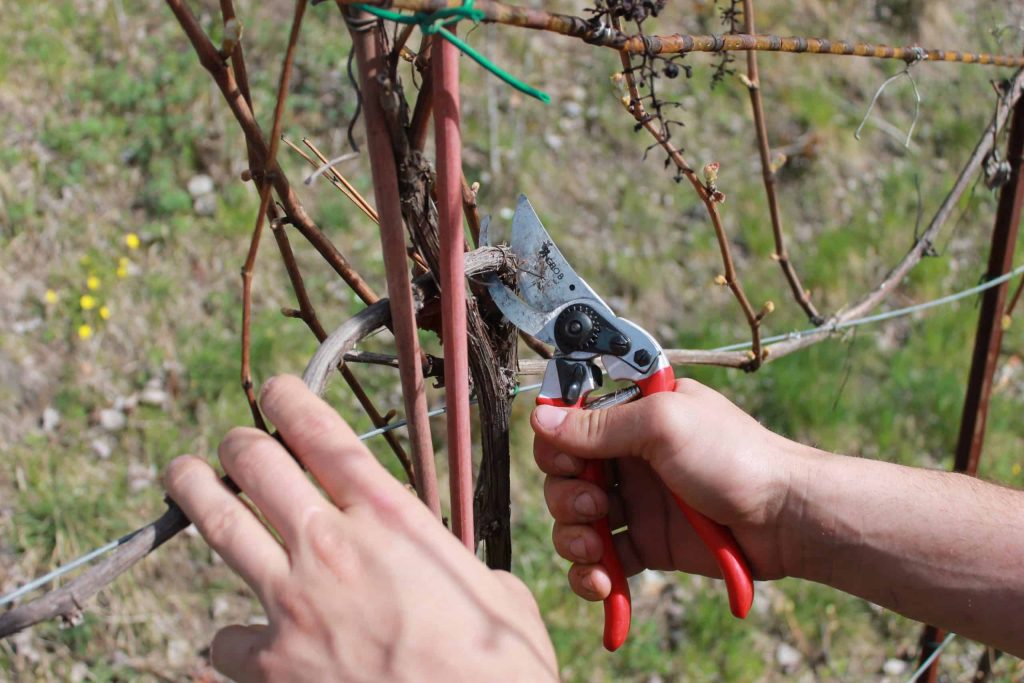
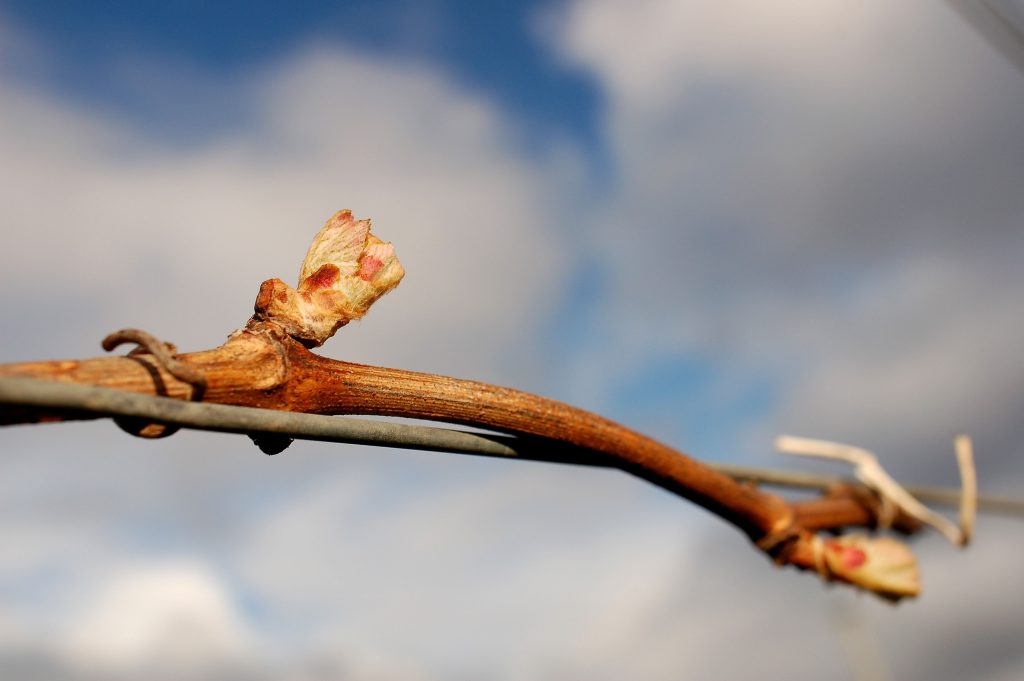
Pruning – During pruning, the vine’s fundamental growth pattern is established. The buds, which will emerge as flowers and ripen into fruit (if pollinated and fertilised), arise from new growth and are fully developed by the end of autumn, ready to emerge again the following spring. Pruning aims to create adequate growing spaces for the fruit to develop and to allow light to reach the fruit, encouraging its growth and ripening. Sometimes quantity must be sacrificed in favour of quality.
Irrigation – Grapes grown outdoors only need watering during periods of severe and prolonged drought. The most important time to irrigate is when the plants are flowering, whereas irrigation when the fruit is ripening is unnecessary: it can dilute the sugar content, reducing the sweetness of the grape fruit.
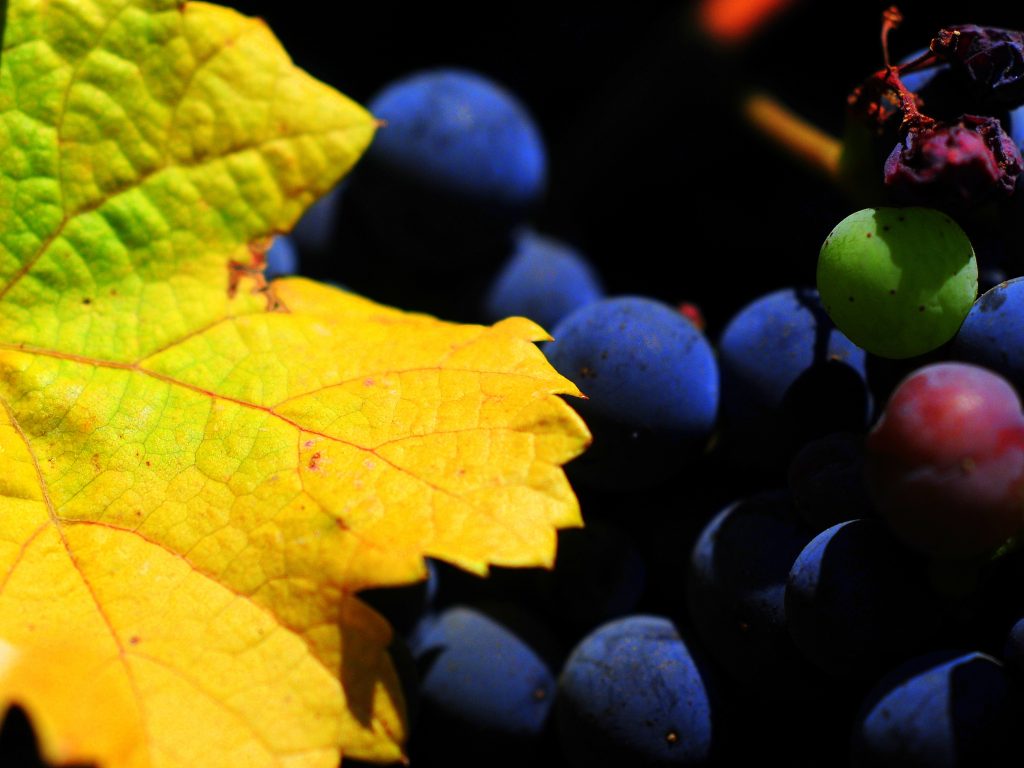
Crop thinning – Green berries change colour and ripen. The green of chlorophyll gradually disappears and each variety reveals its particular pigment. The berries of white varieties take on a yellowish hue, while those of red varieties turn from green to red and/or purplish blue, depending on the variety. After veraison, the seeds are fully formed, acidity is still high and sugar levels are low.
Some winegrowers carry out a small harvest before the start of veraison in order to remove excess weight, allowing the vines to concentrate their energy on the remaining grapes. Often called a “green harvest”, thinning refers to the removal of unripe bunches that are not perfect and may not develop evenly.
Problems and remedies in grape fruit formation
Extreme weather events, such as hail and strong winds, can defoliate a vine in early spring, leading to poor flower development and reduced fruit set.
Another problem linked to grape fruit formation is powdery mildew attack: typical of plants with asexual reproduction and tending to develop in moderate temperatures, it mainly attacks parts of the vine with intense vegetative activity, such as leaves, herbaceous shoots and growing fruit. Berries attacked by powdery mildew lose the elasticity of their epidermis following necrosis and, as they grow, split open, subsequently facilitating the entry of other pathogens, such as the fungus Botrytis cinerea.
Protection against powdery mildew is traditionally carried out using treatments based on powdered sulphur, whose toxicity to mammals is virtually nil and which has a very low environmental impact. As it has no penetrating ability, it is also easily removed from the fruit.
After a summer of waiting, the harvest will begin, generally after mid-September.
Further reading
The previous and subsequent stages of grape development: vine flowering, vine fruit set, grape veraison.