Phenological stages
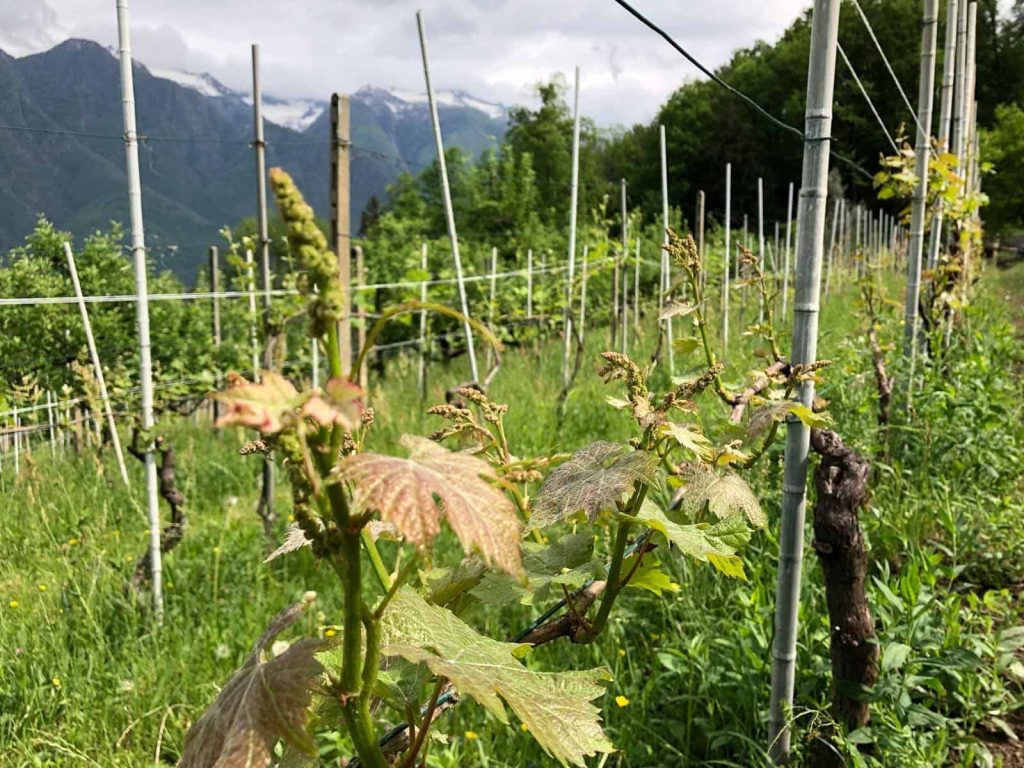
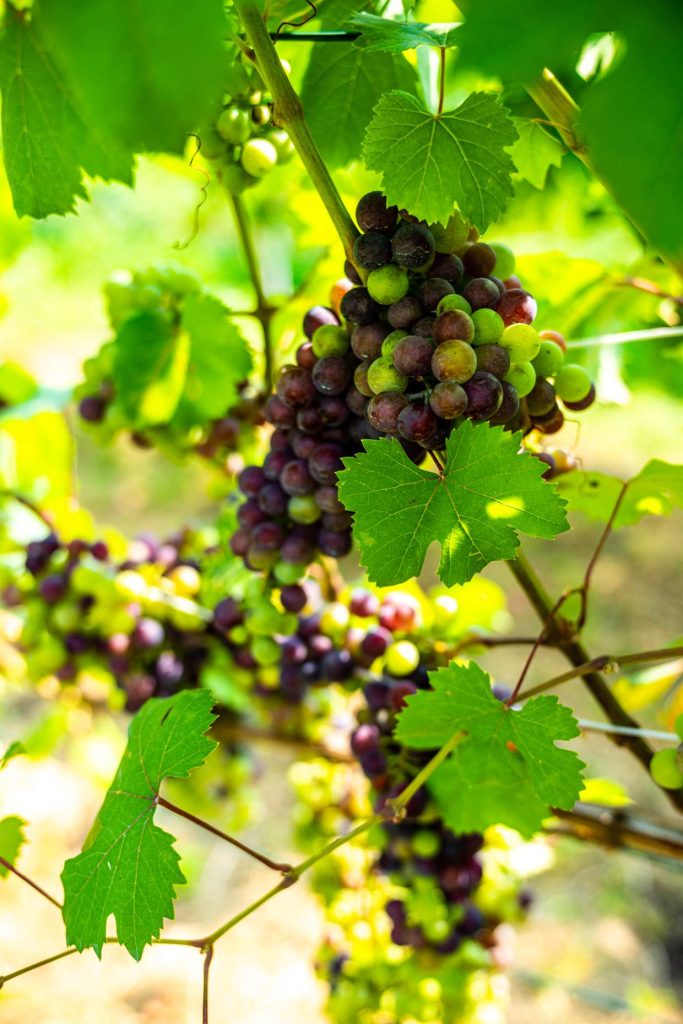
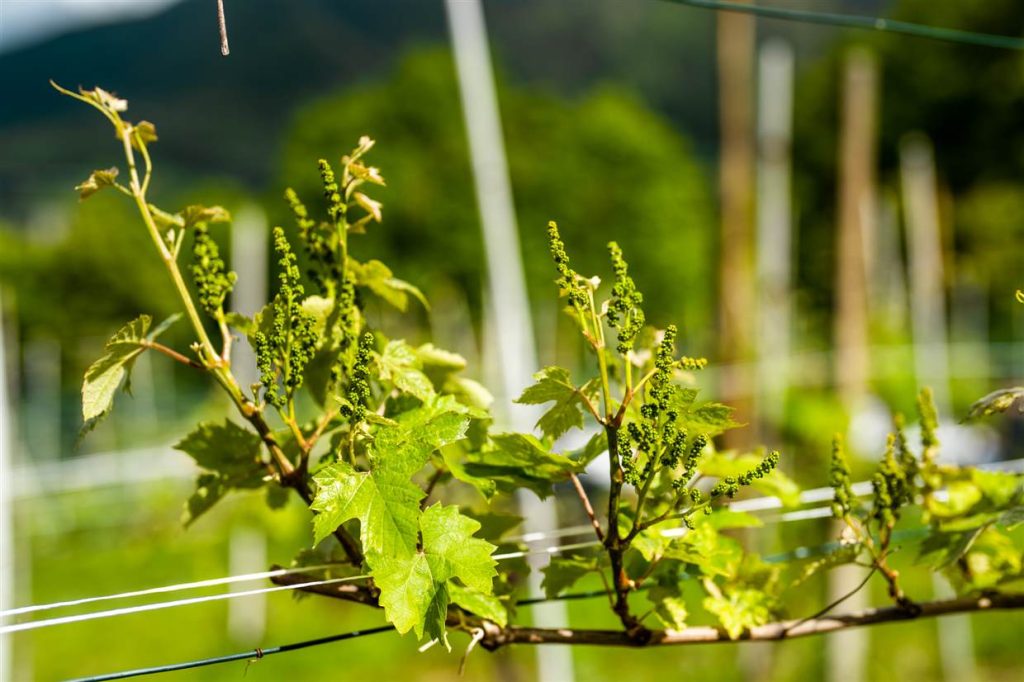
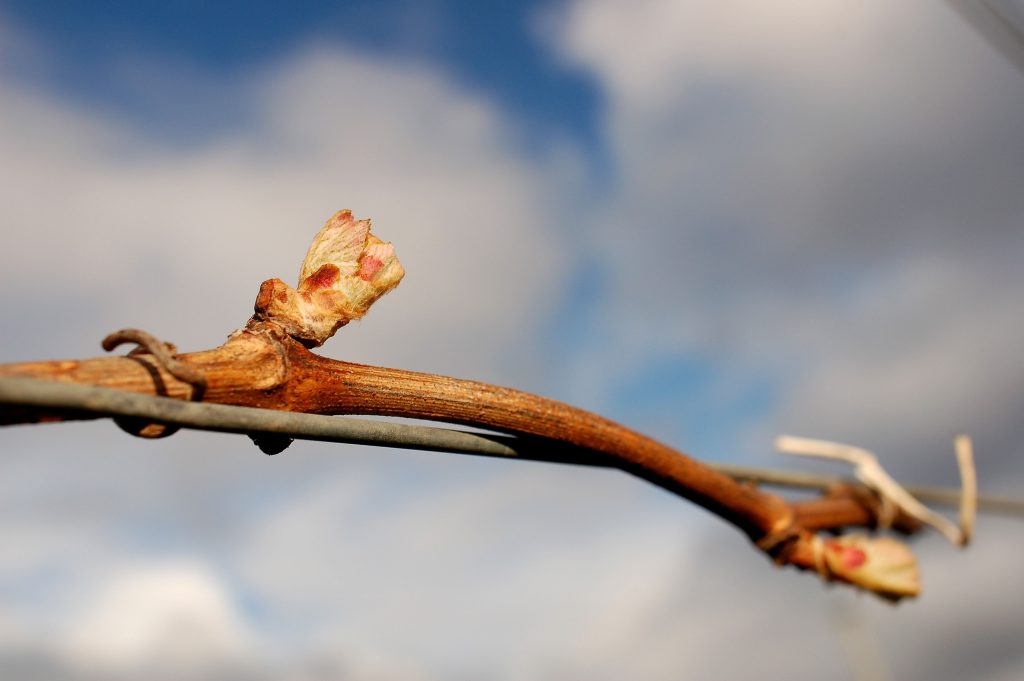
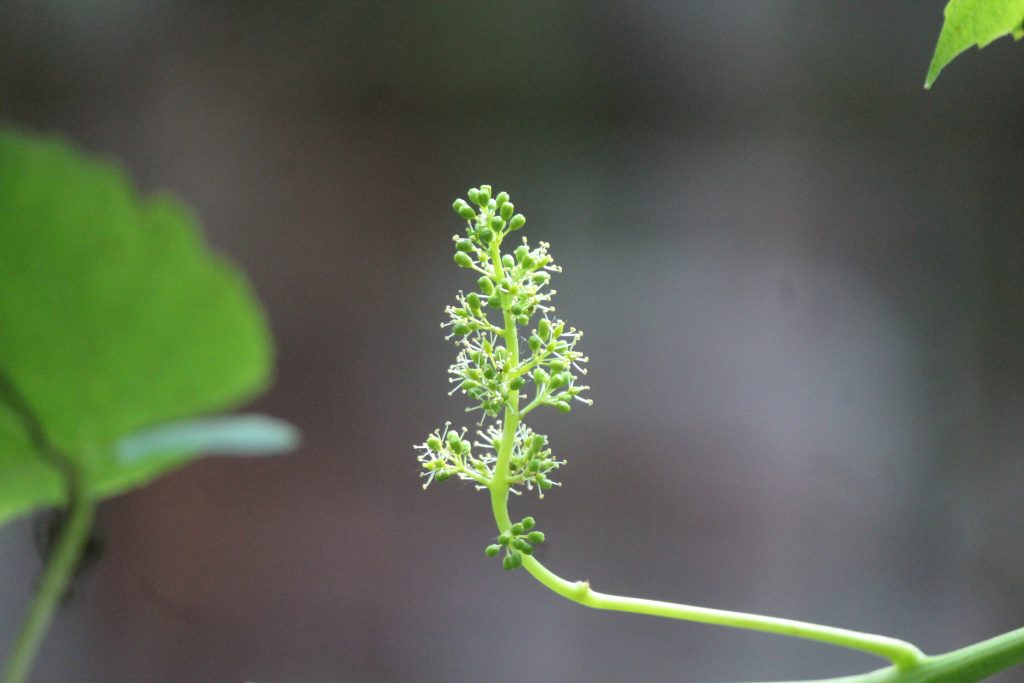
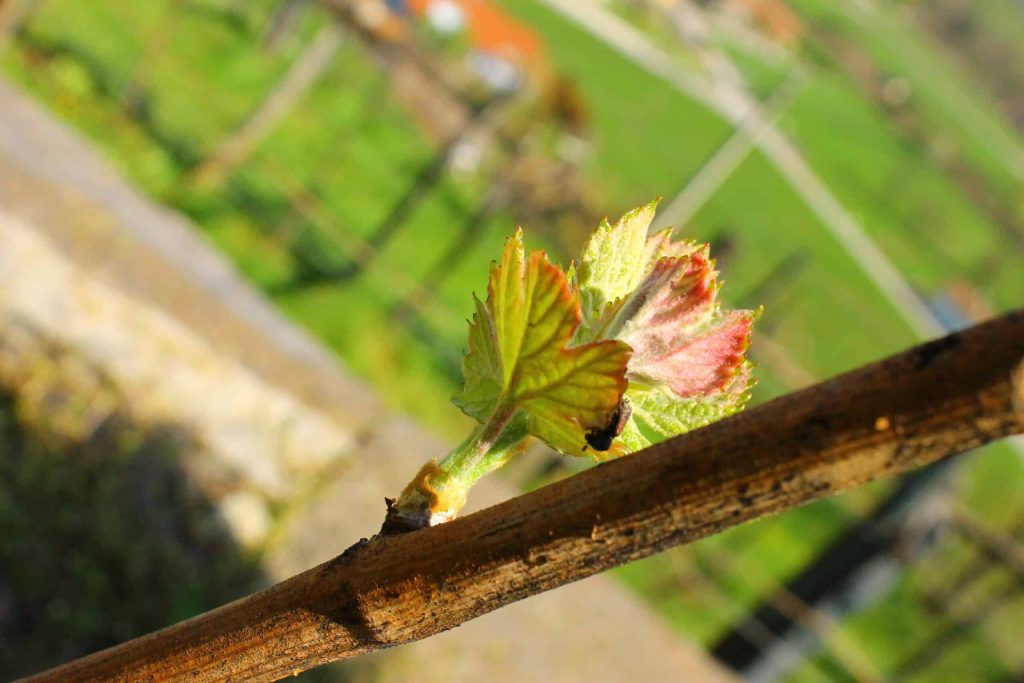
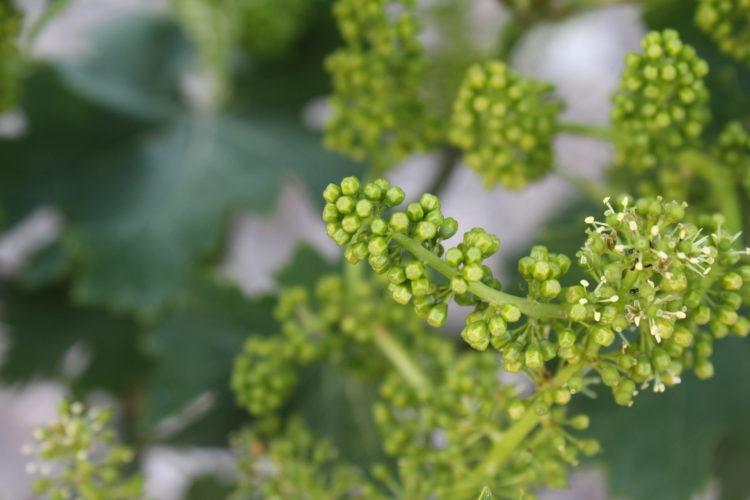
The grapevine is a plant that goes through several phenological stages during its growth cycle. These stages are fundamental to its life cycle and directly influence the quality of the grapes and the wine produced. They include winter dormancy, which occurs, as the name suggests, during the winter, when the plant is inactive. This is followed by bud break, when the first shoots and leaves begin to develop. This stage is followed by flowering, when flowers appear on the vine shoots. After flowering comes the grapevine fruit-set stage, in which fertilised flowers become small grape berries.
Flowering
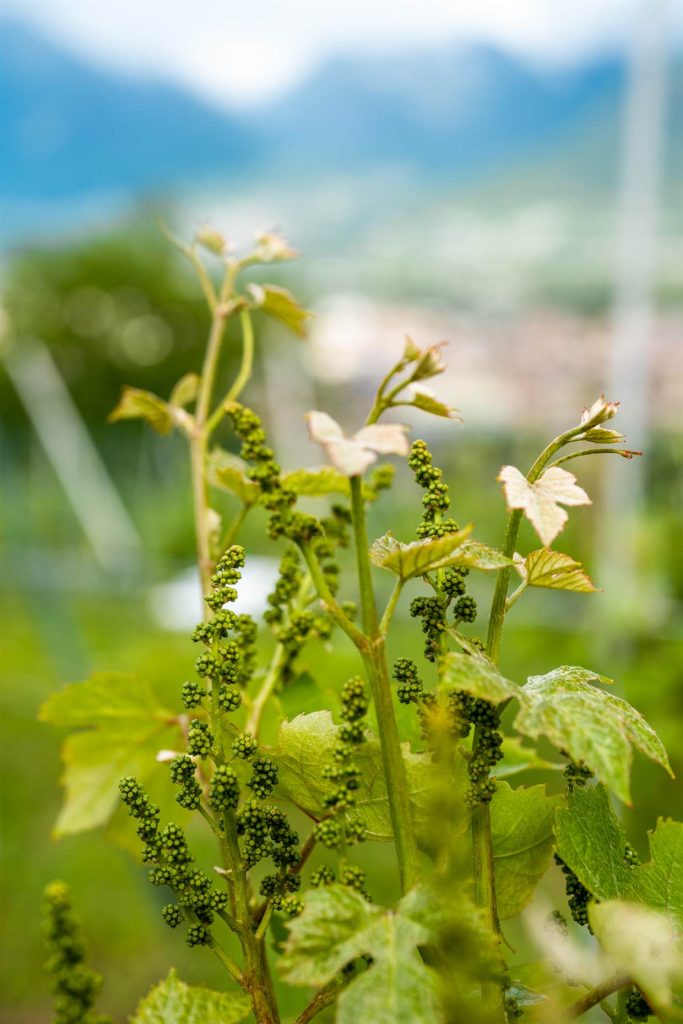
A few days after the flowering stage, the first berries begin to appear. Over time, the berries increase in size, while unfertilised flowers fall off, giving rise to the phenomenon of flower drop. This is the period of greatest interest for winegrowers, who can understand what the actual production and yield of the harvest will be. Generally, around 20% of flowers manage to become berries, while the rest will either fall naturally from the plant or turn into tendrils through the phenomenon of filage.
Do all flowers become fruit?
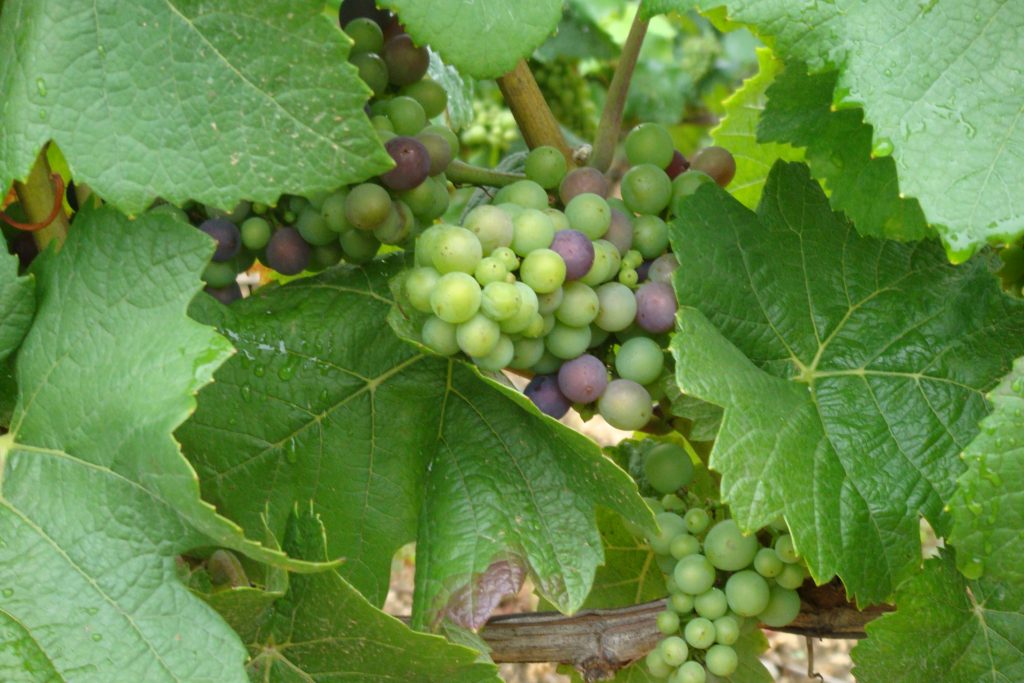
The phenomenon of flower drop allows the grapevine to preserve itself by eliminating what would only cause it to waste nutrients. The sap will therefore concentrate only where the plant requires it, without waste. It may happen that the grapevine finds itself in conditions of low energy and, in order to safeguard its health, stops the growth of the berries. At this phenological stage of its life, it is also possible to encounter the phenomenon of millerandage. This is a grapevine physiological disorder that visibly shows an imbalance in the ripening and size of the berries. This occurs because of failed or incomplete fertilisation of the berries, which in turn causes the absence of seeds inside them. This is a situation that can be worsened by climatic conditions and particular soil conditions.
Grapevine fruit set
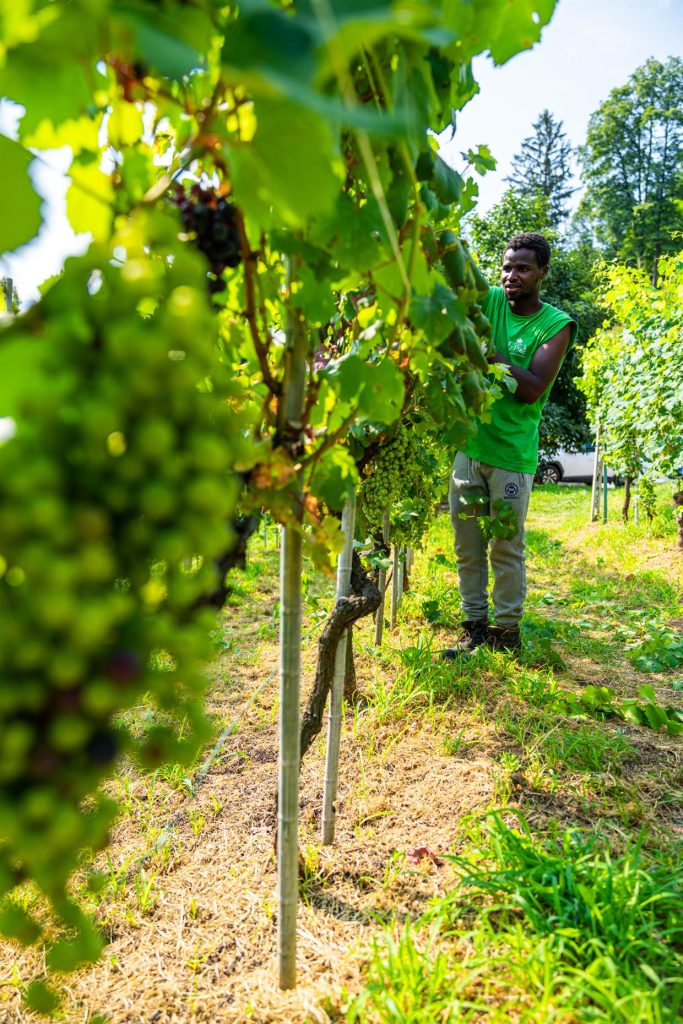
Fruit set occurs between mid-July and mid-August, depending on the variety in question. The name of this phenological stage of the grapevine derives from the words ad and ligare, meaning to join together. This is because, in this process, only the fruit destined for ripening and growth remains attached to the plant. It is important to ensure that there is a balance of climatic and soil factors at this stage, so that the plant is not negatively affected in the formation of the berries. This moment is important in the vegetative balance of the grapevine. Initially, there is an acceleration of metabolism as a result of cell division, followed by a slowing of growth that is balanced by topping the plant. The key elements in grapevine fruit set are phosphorus, essential for cell division; calcium, necessary for berry growth; and potassium, crucial for shoot growth. Fruit set is a very important stage in the grapevine’s life cycle, the first stage of berry growth that determines the yield and quality of the final harvest.
Factors influencing fruit set
The percentage of flowers that actually turn into berries depends on several factors: weather conditions during the flowering days, the availability of nutrients in the plant and the genetic characteristics of the cultivated variety. Poor fruit set reduces the quantity of grapes produced, but can paradoxically encourage a greater concentration of sugars and aromas in the remaining berries, with direct effects on the final quality of the wine.
Irregular fruit set can also lead to the formation of bunches with berries of very different sizes, a phenomenon known as millerandage: while it does not compromise the quality of the wine, it requires particular attention in the vineyard during harvesting in order to correctly select the most uniform bunches. Understanding this stage of the vegetative cycle also helps explain why each wine vintage has slightly different characteristics from the others.
Further reading
The stages linked to fruit set: grapevine flowering, how grapes take shape, grape veraison.