Vine flowering
Vine flowering is essential for a good production yield. The vine inflorescence and the pollination of its inflorescences are crucial stages in ensuring good bud fertility, which will consequently determine the production and quality of the wine obtained.
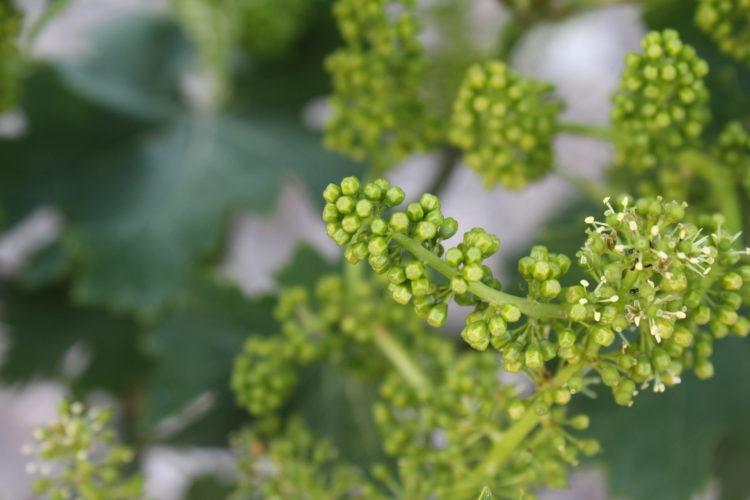
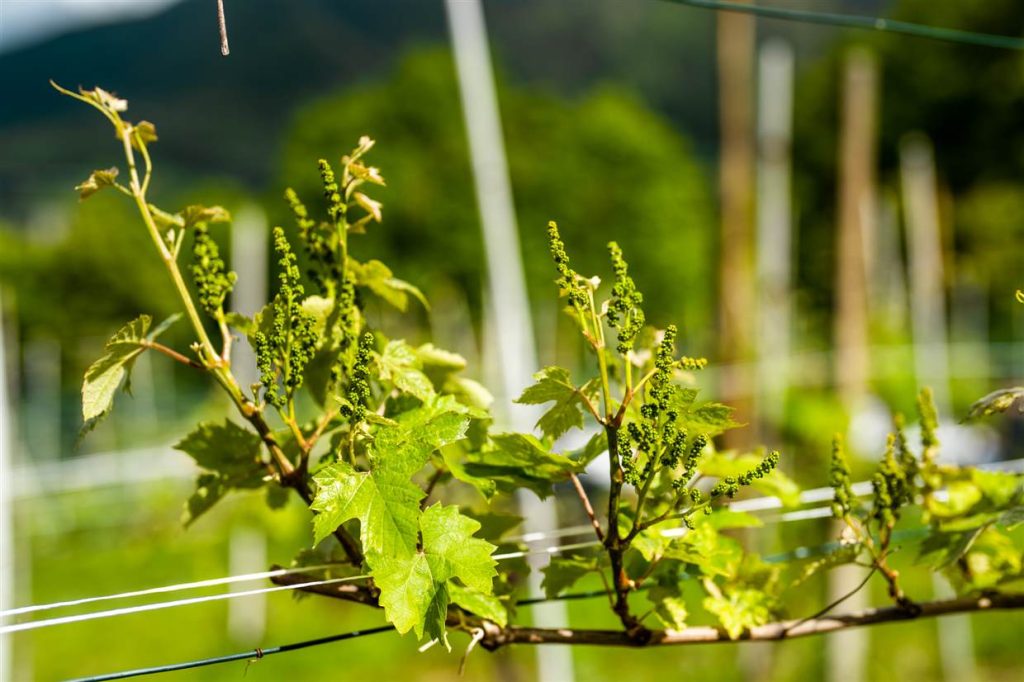
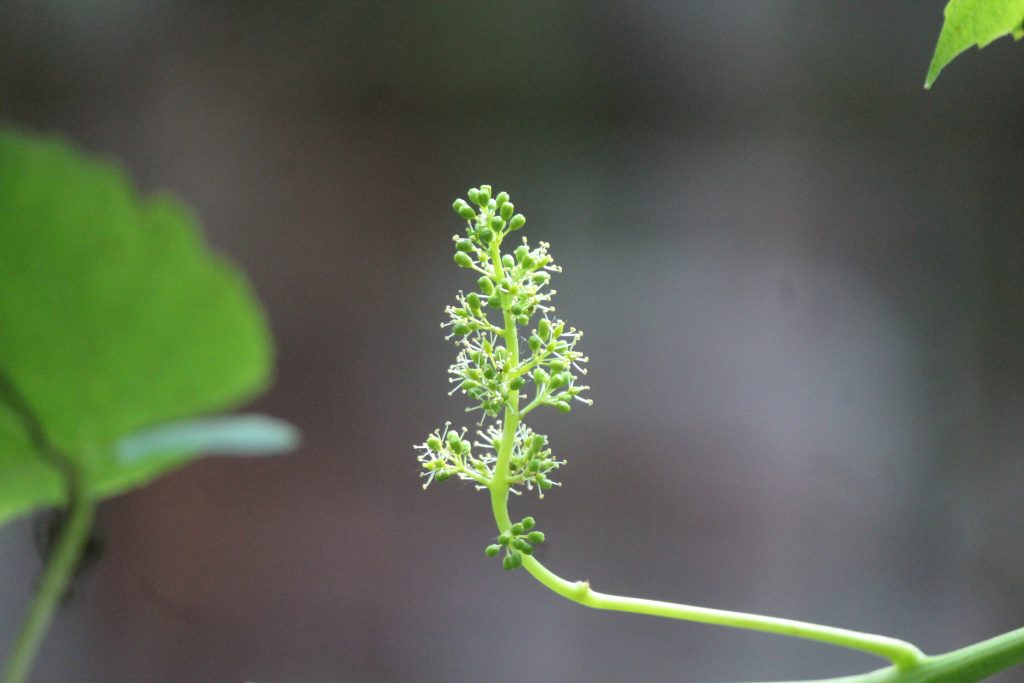
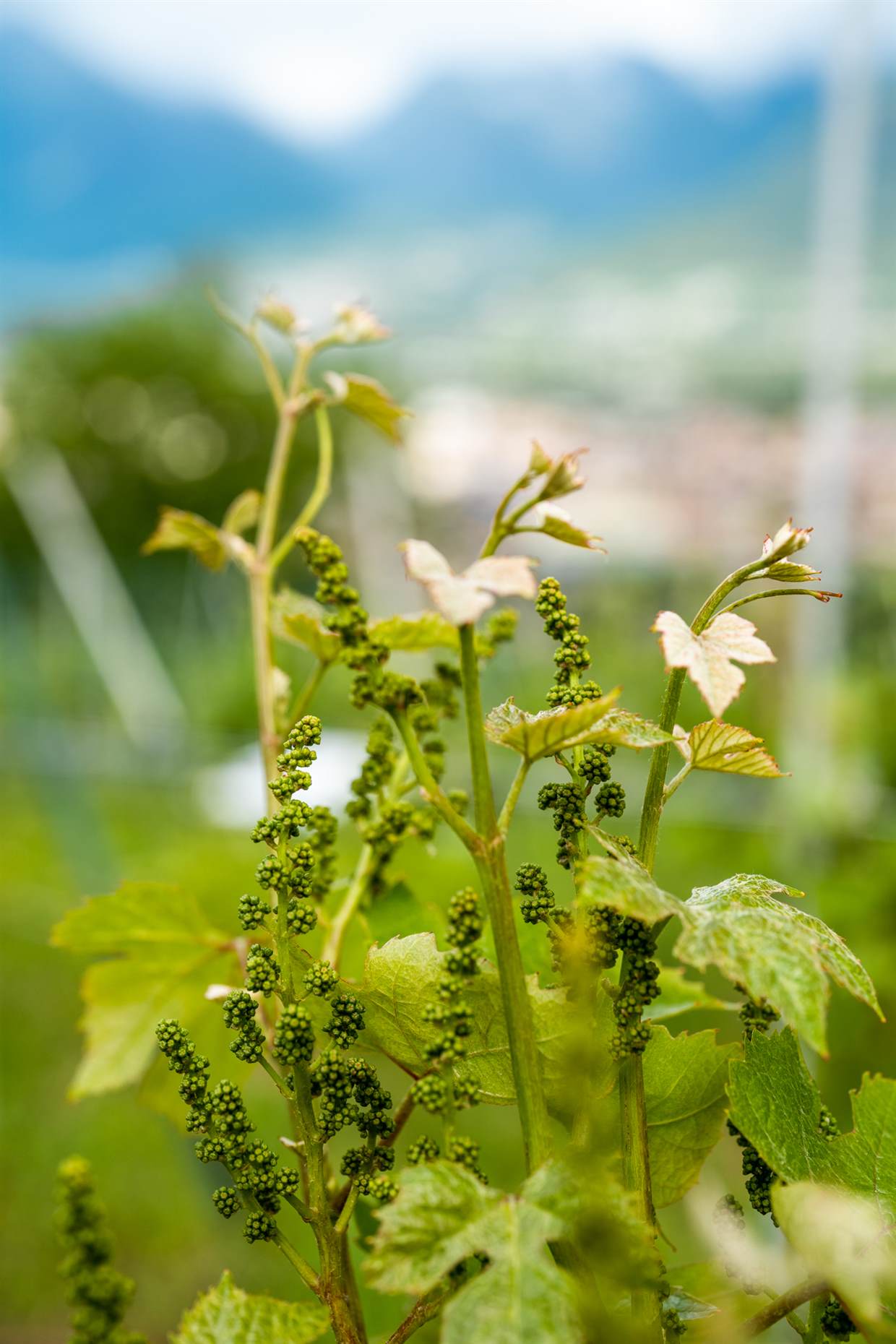
Vine flowering is at the heart of its growing cycle. It is also the most delicate phase, on which the quality and quantity of the final production will depend. This process lasts from 9 to 21 days and begins in the central parts of the vine, then continues with the basal parts and ends with the apical parts. The flower is a raceme inflorescence composed of numerous clustered flowers that develop around a main axis called the rachis. Inflorescences produce a number of flowers ranging from 100 to 2,000, depending on the cultivated variety. These flowers are hermaphroditic and consist of a five-petalled corolla called the calyptra, which encloses the stamens and pistil, where fertilisation takes place.
When does it occur?
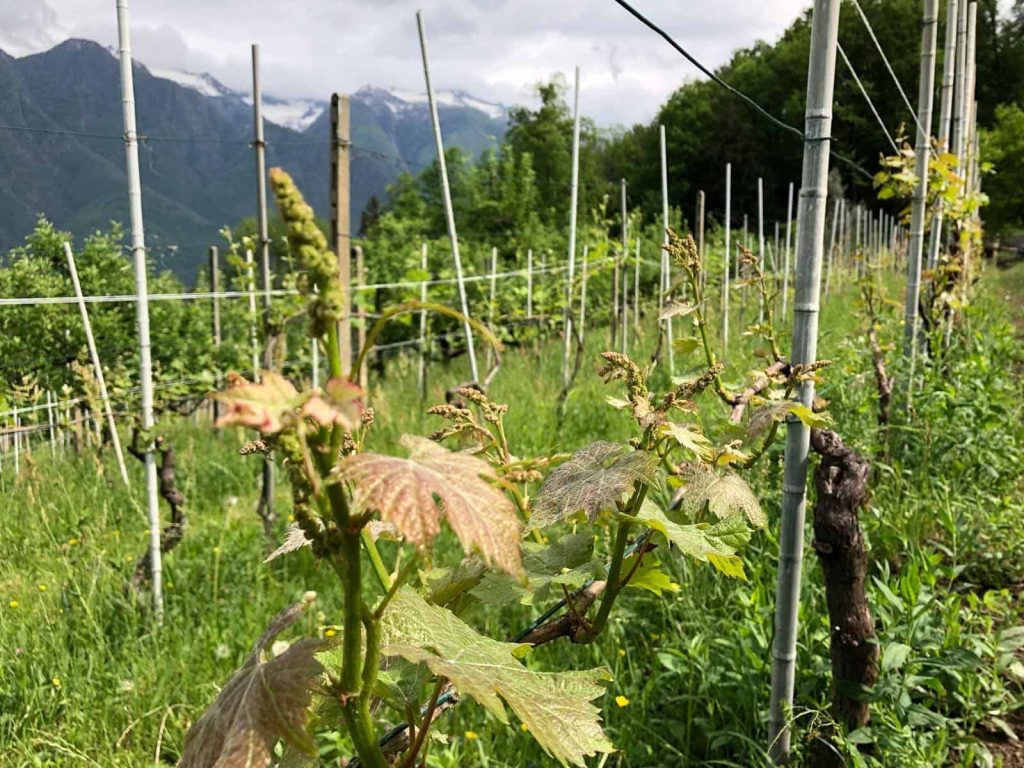
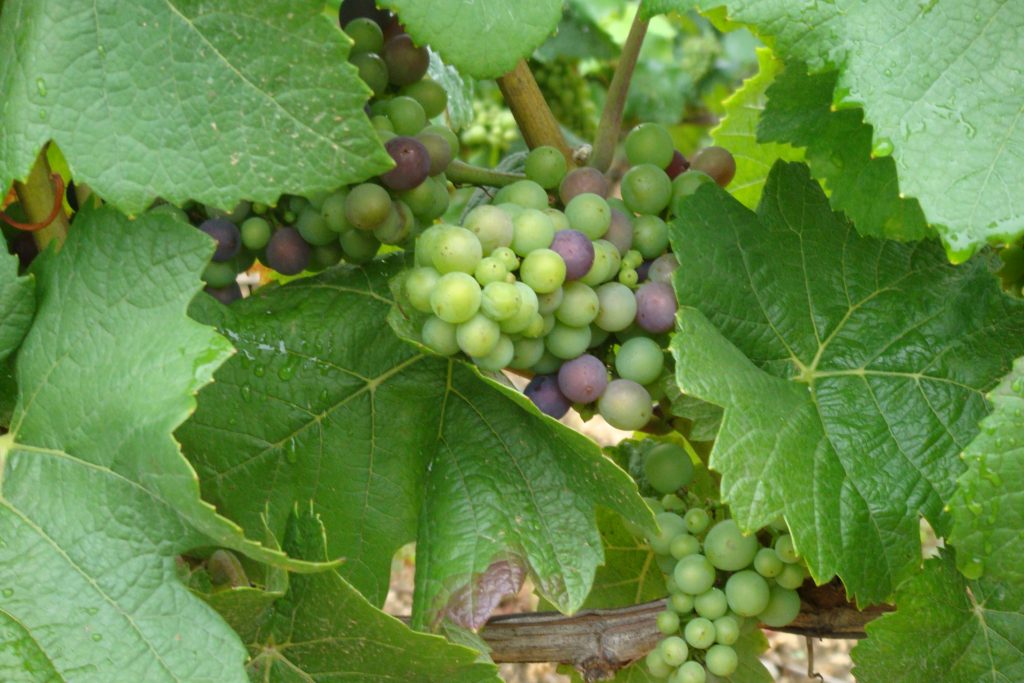
Vine flowering occurs in spring, between late May and early June, when the vines become covered with small white or yellow flowers. These flowers are very delicate and must face several challenges to reach the next stage. Vine pollination can occur in three ways: through the wind, by insects or through self-pollination. The first, namely anemophilous pollination, is the most common and widespread. This is followed by the important fertilisation stage. Each fertilised flower develops into a berry, which is none other than a grape berry.
Risks during flowering
As this is a complex and delicate phase, it is advisable to take precautions to protect the vine during flowering. At this phenological stage, the plant is more susceptible to fungal attacks such as Plasmopara viticola (downy mildew), Uncinula necator (powdery mildew) or Botrytis cinerea (grey mould). Such infections can irreparably compromise production. There are specific treatments that should preferably be applied at the beginning of vine flowering, so as not to disrupt its subsequent stages of development. During this period, insecticide treatments are not carried out in the vineyard. The use of pesticides and chemical products can harm pollinating insects, compromising vine pollination. Therefore, many wine producers are adopting environmentally sustainable farming practices to protect the environment and encourage proper pollination of vine inflorescences.
Fertility
Bud fertility is also determined by the climate, a crucial element at every stage of the vine cycle. Unfavourable weather conditions, such as cold or heavy rain, can negatively affect pollination and, consequently, bud fertility and fruit set. Vine flowering requires a warm, but not muggy, climate, characterised by wind for pollination and plenty of light. It is also necessary to avoid excess water in the soil in order to prevent water stress. By meeting all these requirements, it is also possible to estimate the potential harvest. This makes it possible to define harvest volumes and therefore establish whether thinning will be necessary in subsequent stages. Inflorescences play a fundamental role in the winemaking process. This is a period of great importance for winegrowers, who must carefully monitor weather conditions and provide the necessary care to ensure good grape yields and quality.
The risks of flowering
Flowering is also one of the most delicate moments in the entire vegetative cycle: adverse weather conditions, such as rain, cold or strong winds, can cause phenomena such as flower drop (the falling of unfertilised flowers) or millerandage, the formation of irregularly sized berries. For this reason, winegrowers pay particularly close attention to the weather at this stage, which directly affects the future quantity of the harvest.
Learn more
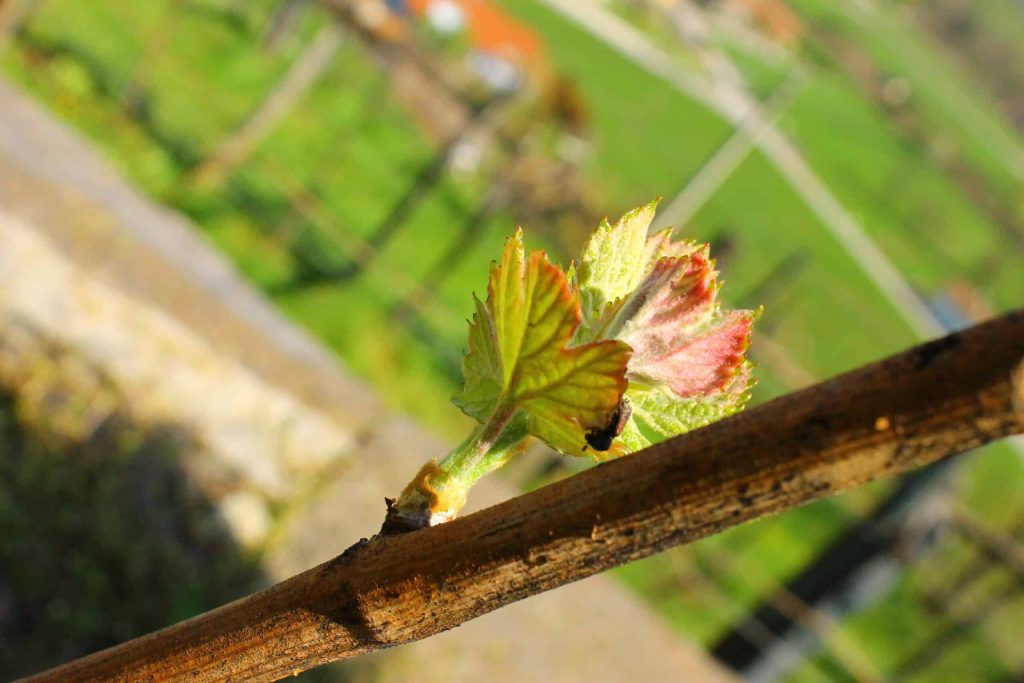
The subsequent stages of the vine’s vegetative cycle: vine budbreak, vine fruit set, how grapes take shape.