Wine tasting is an ancient art that involves all the senses, including the sense of smell. Indeed, the sense of smell plays a crucial role in the wine tasting experience, as our sense of taste is largely influenced by what we perceive through the nose. Therefore, devoting time and attention to the olfactory analysis of wine can greatly enrich our experience and appreciation of the product.
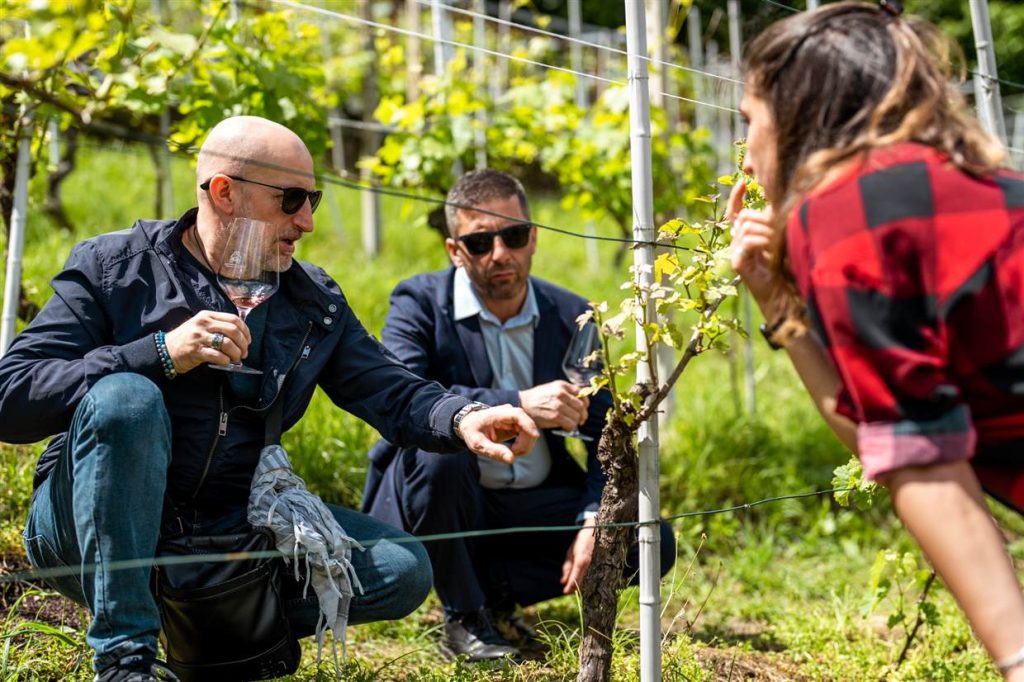
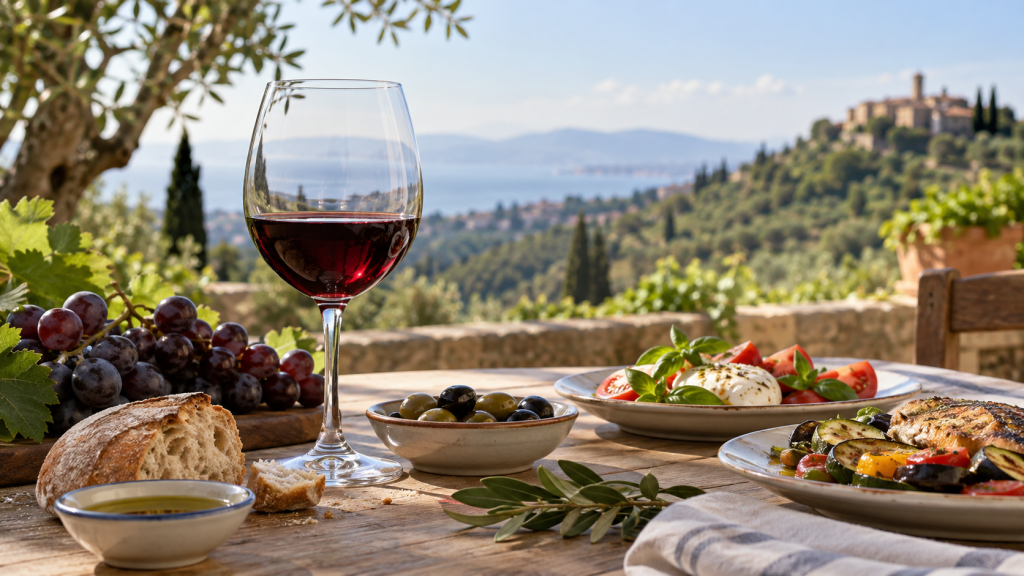
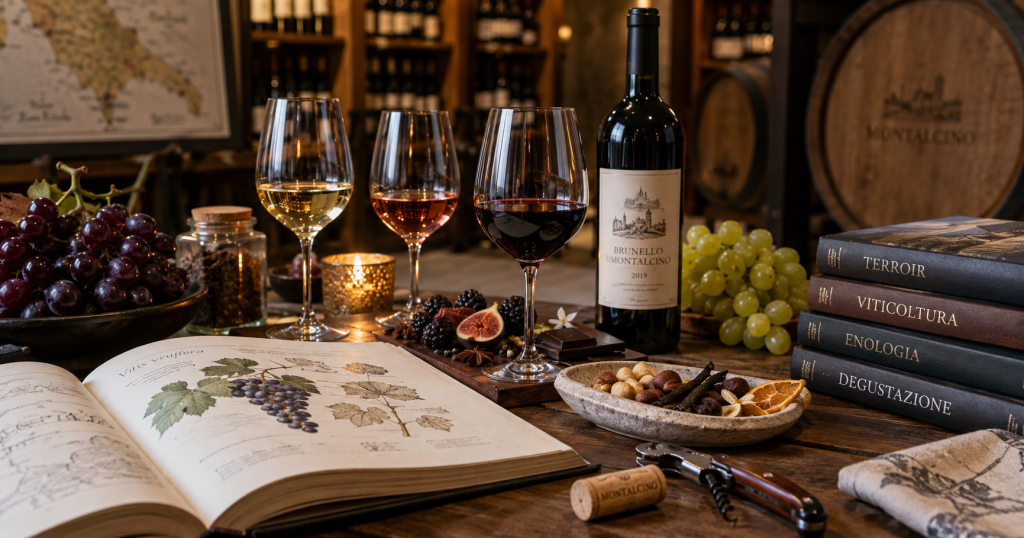
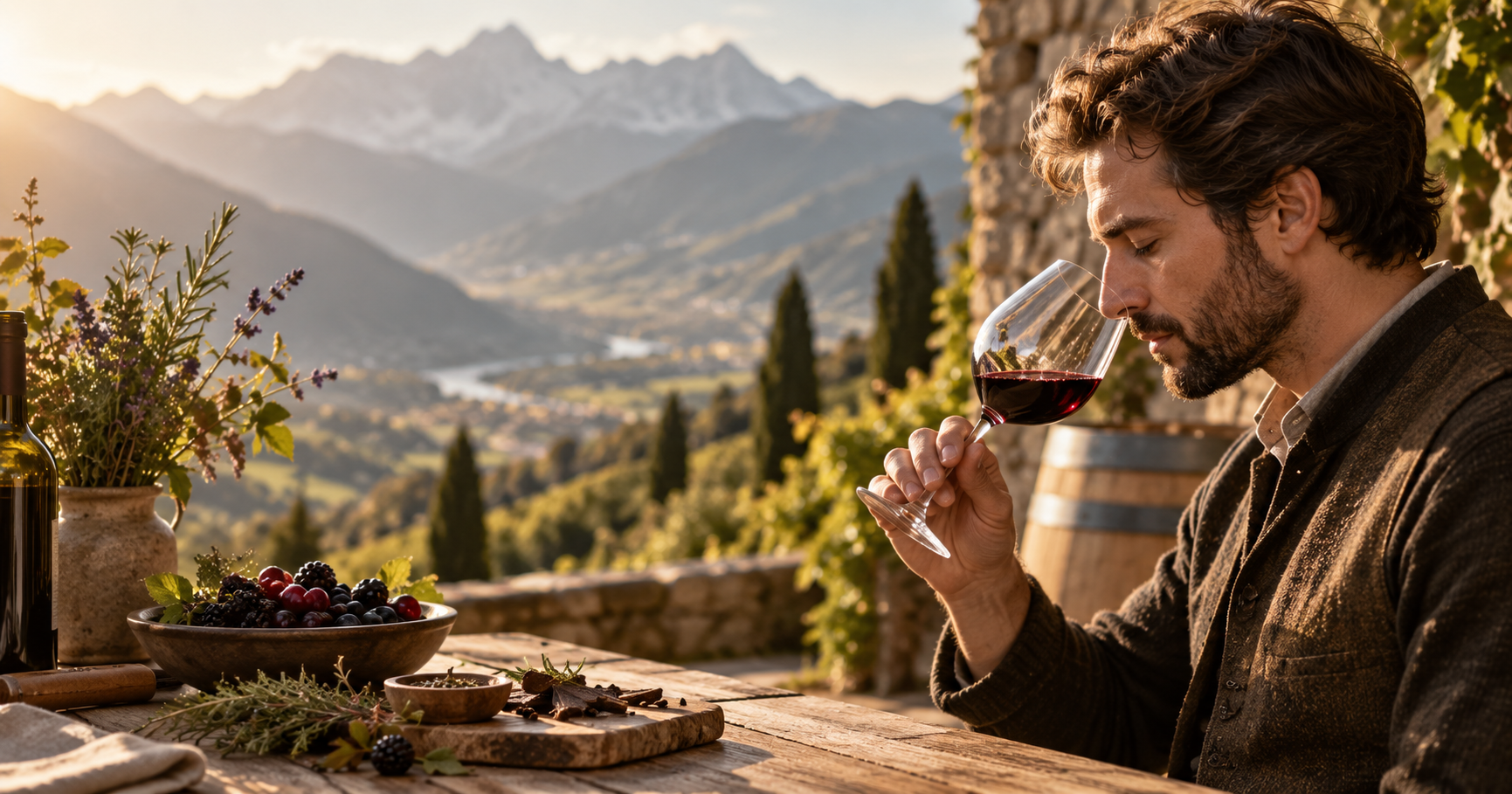
A wine can offer a wide range of aromas, from fruity to floral, from woody to spicy. To fully grasp all the aromatic nuances of a wine, it is important to follow a precise and methodical olfactory tasting process. First of all, it is essential to pour the wine into a suitable glass and gently tilt it to observe the colour and consistency of the liquid. This preliminary step allows us to form an idea of the wine’s visual characteristics and can also provide clues about its possible ageing and quality. After visually analysing the wine, it is now time to bring the glass close to the nose and begin to inhale slowly and at regular intervals in order to perceive the aromas that the wine has to offer. It is important to gently swirl the glass so that the aromas spread evenly and reach our nostrils.
During the olfactory examination of the wine, it is useful to focus on different groups of aromas present. Fruity notes are among the most common and can range from strawberries and cherries to peaches and pineapples, depending on the type of grape used in the production of the wine. Floral notes, such as rose or jasmine, can add a touch of elegance and freshness to the wine. Woody aromas, such as cedar or vanilla, are often found in wines aged in wooden barrels and give them a unique complexity and depth. In addition, it is possible to detect an aromatic bouquet with spicy or herbaceous notes, which may derive from the type of soil in which the vines grew. Each individual aroma contributes to creating a unique aromatic profile in the wine and can provide clues about its style and origin.
During the olfactory analysis, it is essential to pay attention to the aromatic intensity and persistence of the aromas in the wine. A quality wine should offer well-defined and complex aromas that develop in the glass as it is oxygenated. Once we have explored the wide range of aromas present in the wine, it is also important to observe how they integrate with one another and influence the overall tasting experience. A harmonious and well-balanced wine should display a harmonious combination of fruity, floral, woody and spicy aromas that blend into a complex and enveloping aromatic bouquet. Finally, it is useful to assess the persistence of aromas on the nose after tasting, as this characteristic can provide clues about the quality and craftsmanship of the wine. A high-quality wine should leave a lasting memory of its aromas on our nose and palate, inviting us to savour every sip with care and respect.
In conclusion, the olfactory tasting of wine is a rich and engaging experience that can greatly enrich our understanding and appreciation of this extraordinary product of nature. Taking the time to explore the various aromas present in the wine and observe how they integrate with one another can offer a unique and unforgettable sensory experience. So, the next time you find yourself tasting a glass of wine, remember to devote some time to the olfactory analysis of the wine and let yourself be carried away by the thousand aromatic nuances that the product has to offer.