Wine tourism, a definition derived from the fusion of the words oenology and tourism, can be considered a more specific form of agritourism. It is not only the Treccani encyclopaedia that says so. We speak of wine tourism when visits or stays at wineries are aimed in particular at learning about local wine products, the area in which they are produced, and the details of their production. When culture, hospitality, tasting, as well as the opportunity to buy directly from the producer come together, we have wine tourism.
The origins and current relevance of wine tourism
Wine tourism is a relatively new form of tourism, included in the UNWTO European programme (World Tourism Organization) as part of a project for responsible and sustainable tourism. It consists of integrating a wine-growing area, local wine and its production processes into the concept of tourism resources and services of interest. Around the mid-1970s, it began to spread in our country, initially in an empirical way, then also thanks to targeted marketing initiatives. The exponential growth of wine tourism in Italy, as well as in France and Spain, began in the mid-2000s, while the phenomenon was also starting to take hold in the United States.
Since the beginning of the 2000s, RECEVIN (European Network of Wine Cities) has promoted World Wine Tourism Day. The initiative takes place on the second weekend of November, bearing in mind that 11 November is the date symbolising the end of the agricultural year. World Wine Tourism Day promotes wine tourism at European and global level, bringing together cities and municipalities that choose to take part. The initiatives include the organisation of wine and grape festivals, themed celebrations, food stands, conferences, tastings and other events organised at wineries. The event is held in collaboration with National Associations in Italy and many other European and non-European countries, such as Argentina and Brazil,
Activities linked to wine tourism: tasting and more
But what does one experience when deciding to enjoy a wine tourism experience?
Basically, visitors are introduced to the history of the winery, guided on a visit to the vineyards, see how wine is produced and then take part in a wine tasting in the light of the knowledge gained. If there is interest, they can delve deeper into grape varieties, terroirs, classifications and wine designations.
More elaborate agritourism experiences may include short oenology courses, courses in the art of sommellerie and sensory analysis, and the topic of wine and food pairing can be explored in greater depth. Sometimes, local cuisine courses are also combined with tastings and wine-related courses.
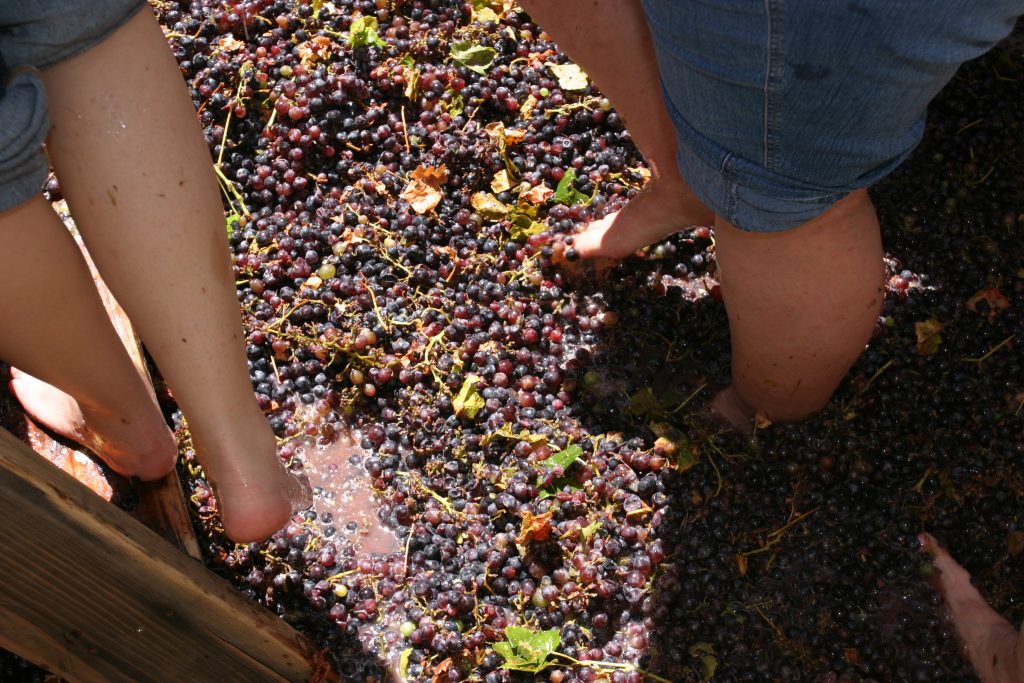
Some wineries also offer the opportunity to stay at the winery. There is no shortage of establishments where guests can enjoy direct, hands-on experiences in activities among the vines and in the cellar.
Finally, visitors can buy the wines produced by the winery directly at the estate.
As the wine tourism industry has matured, complementary activities have been added to visits and tastings: walks and bicycle trips among the vineyards, and visits to themed museums.
The Edoardo Patrone winery
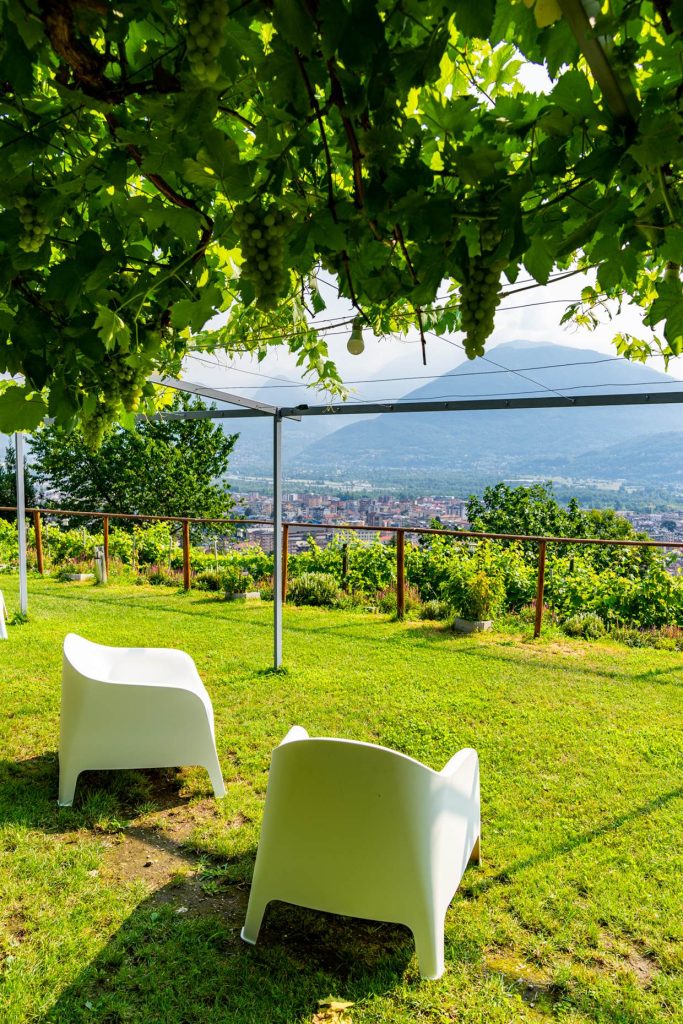
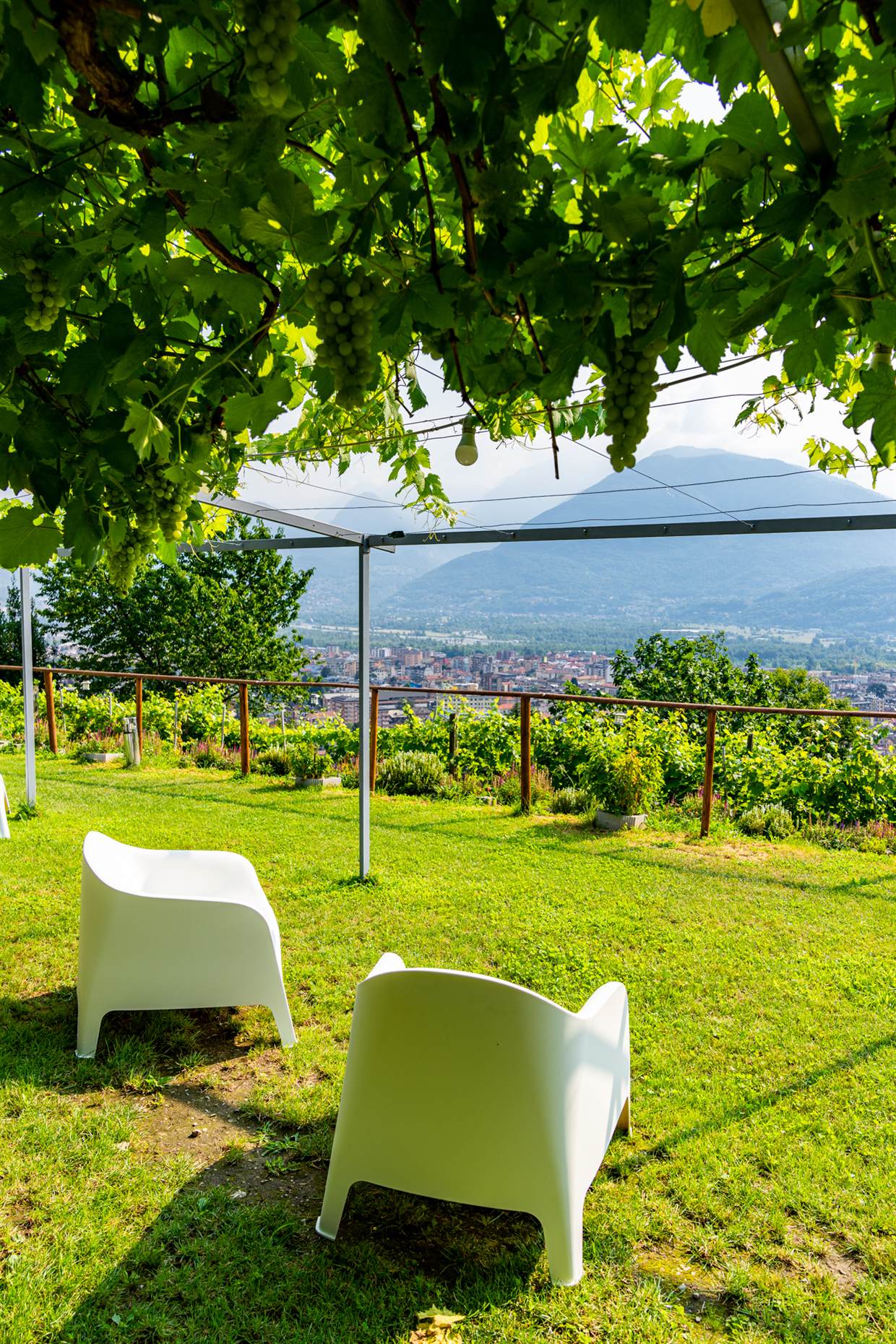
The Edoardo Patrone winery organises numerous events dedicated to wine lovers, including customised ones, such as hen and stag parties. Moreover, by using environmentally sustainable practices in the vineyard, it offers an experience particularly suited to wine tourists who are more environmentally responsible.
The aim of a wine tourism visit to our estate is to enjoy an experience of relaxation, a genuine “escape to the vineyard” that offers relief from the wear and tear of everyday life. The estate’s wine tourism initiatives follow the slow drinking trend: a responsible, relaxed, sociable and convivial approach to alcohol consumption. A tasting based on quality rather than simply quantity, in which the alcoholic beverage is accompanied by tasty bites of local specialities, without these stealing the leading role from the wines offered. The Patrone winery offers its guests the unhurried time needed to appreciate good drinking without negative consequences. The aim is to make guests fall in love with the wines on offer, while also ensuring they can leave the estate safely at the end of the tasting. Because drinking well means drinking responsibly.
To find out more
To experience it first-hand: our tastings, tasting with a tour guide, the history of Ossola wine.